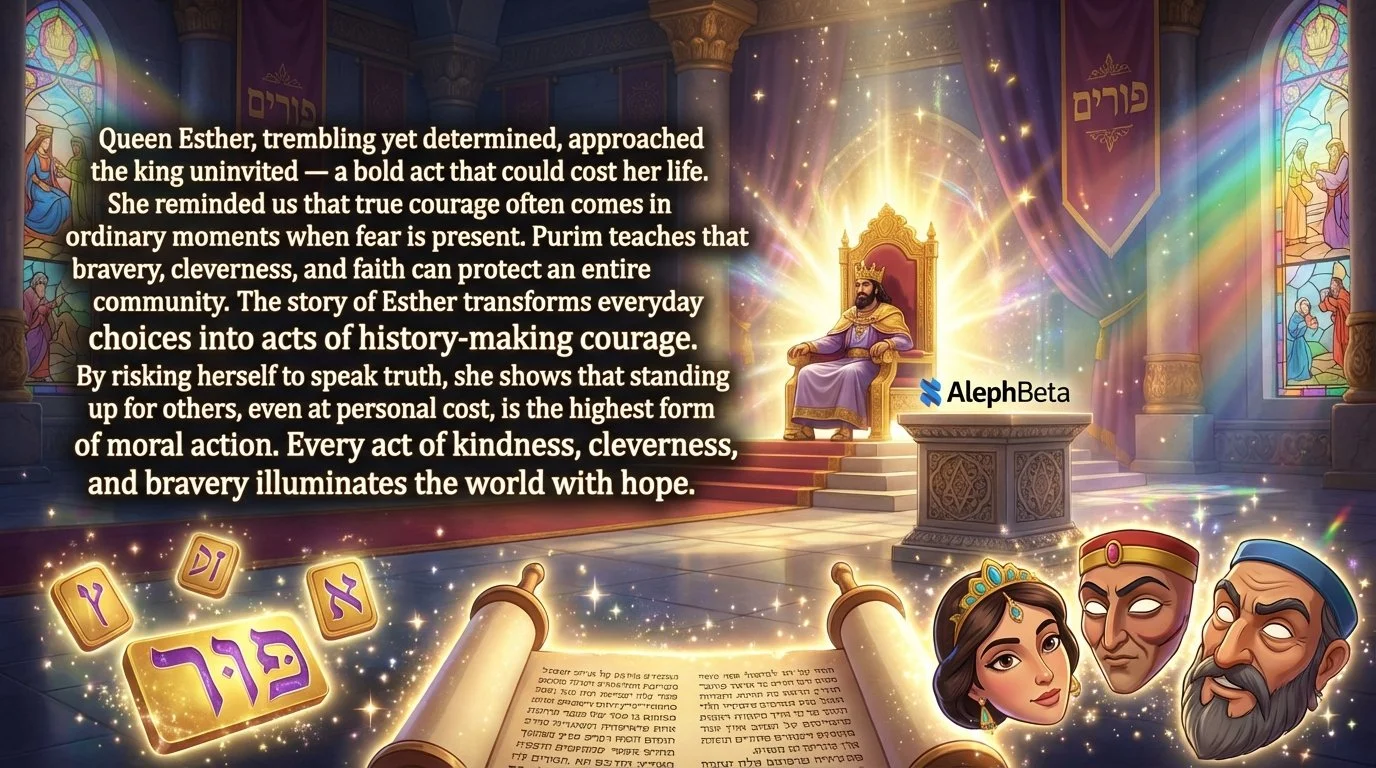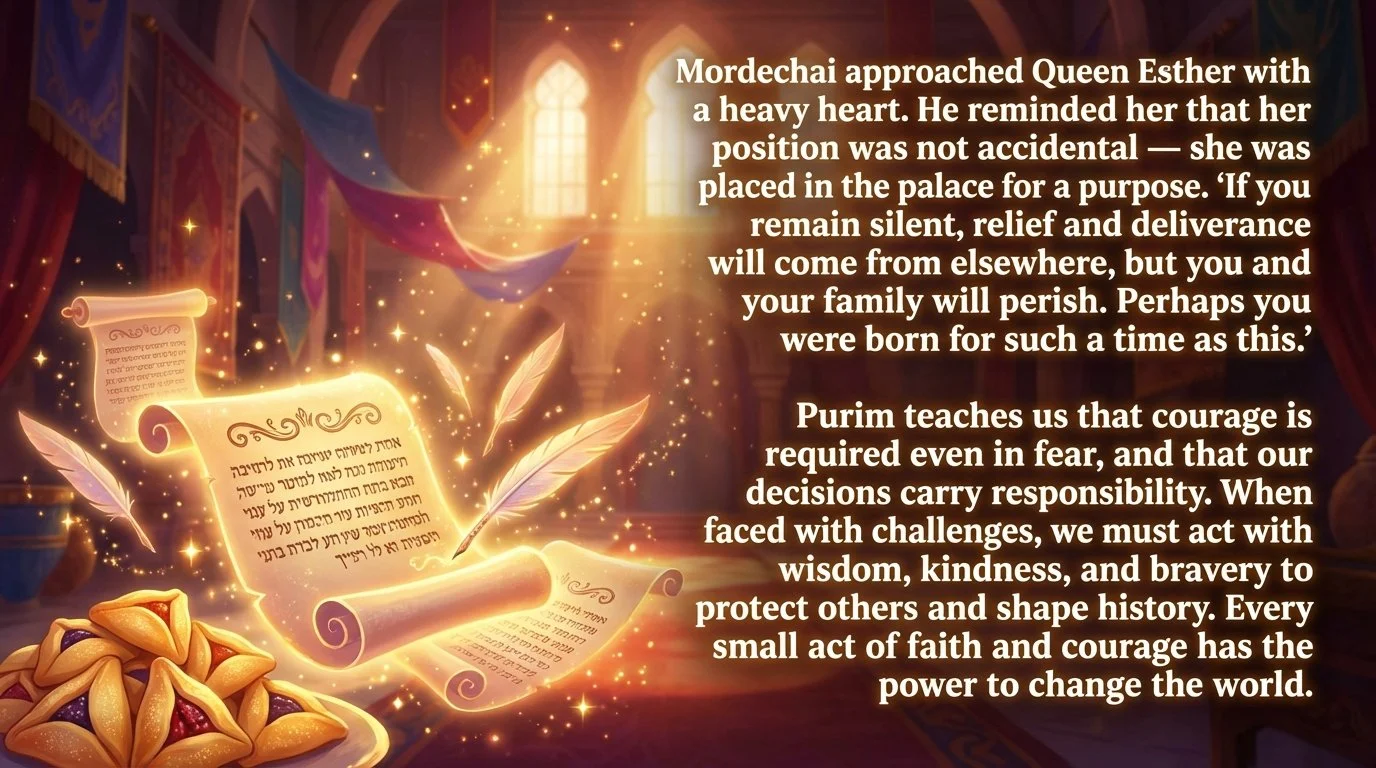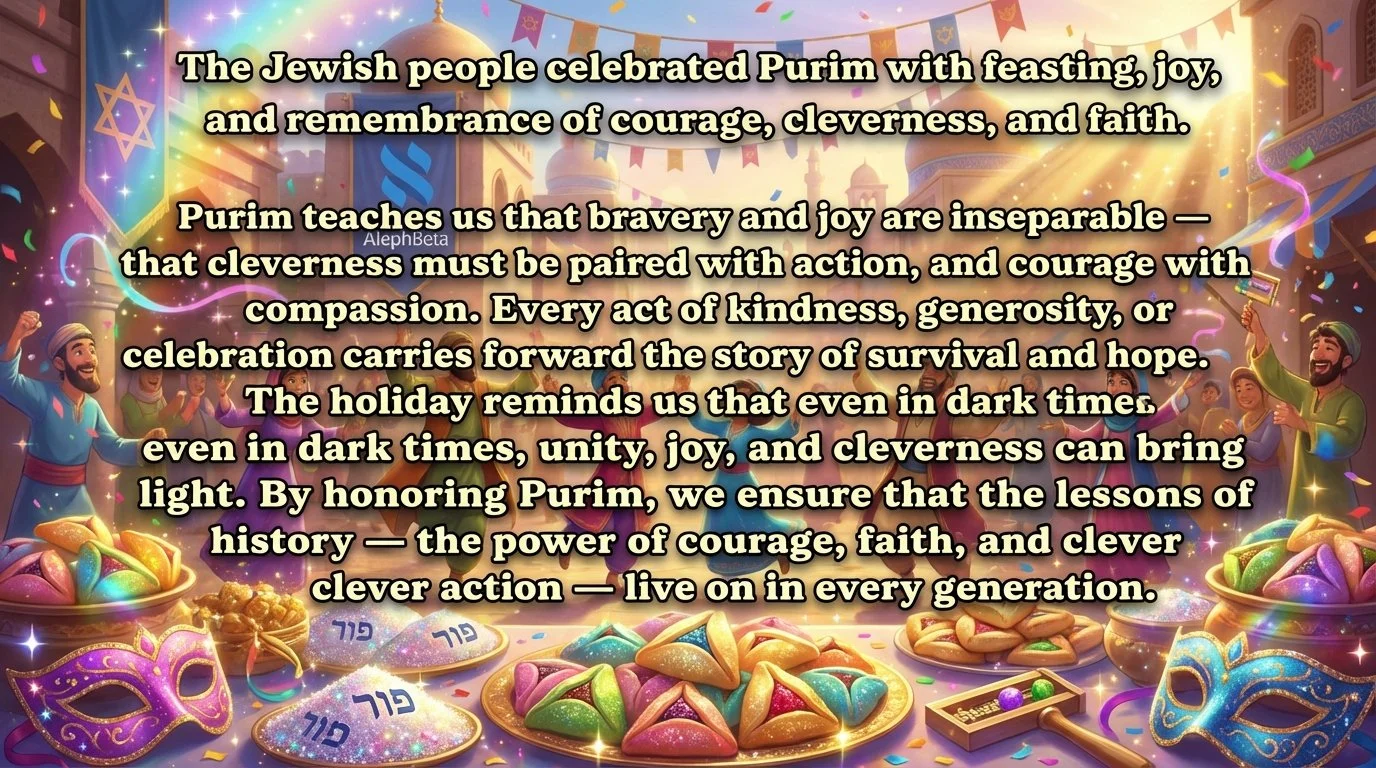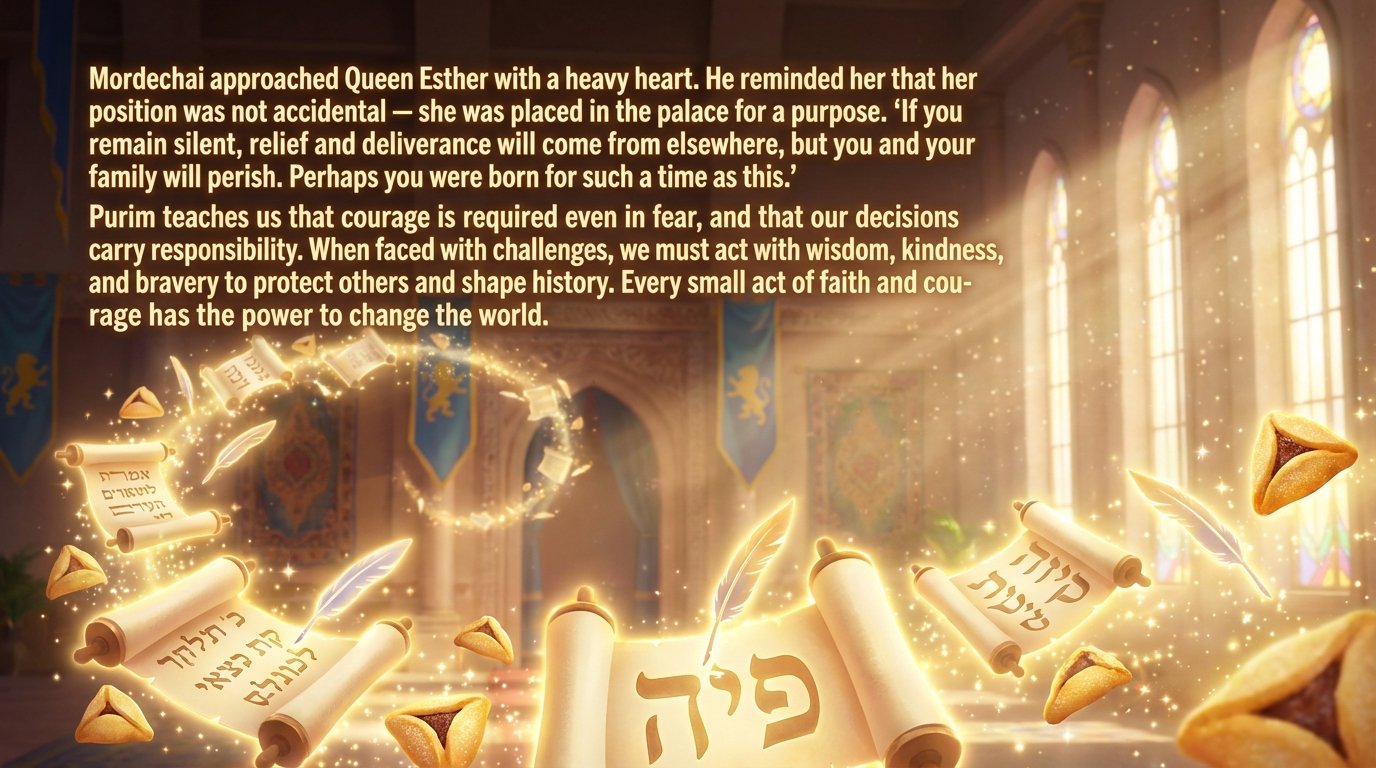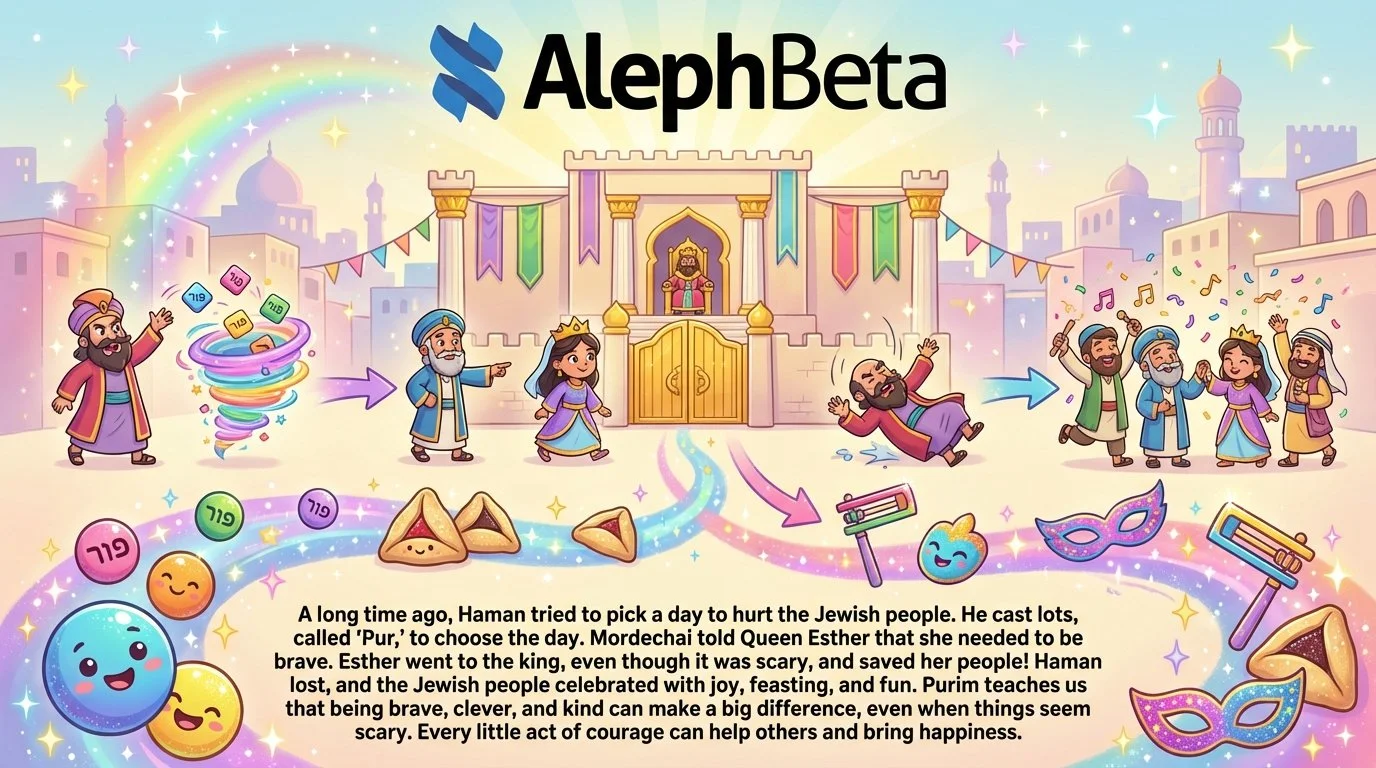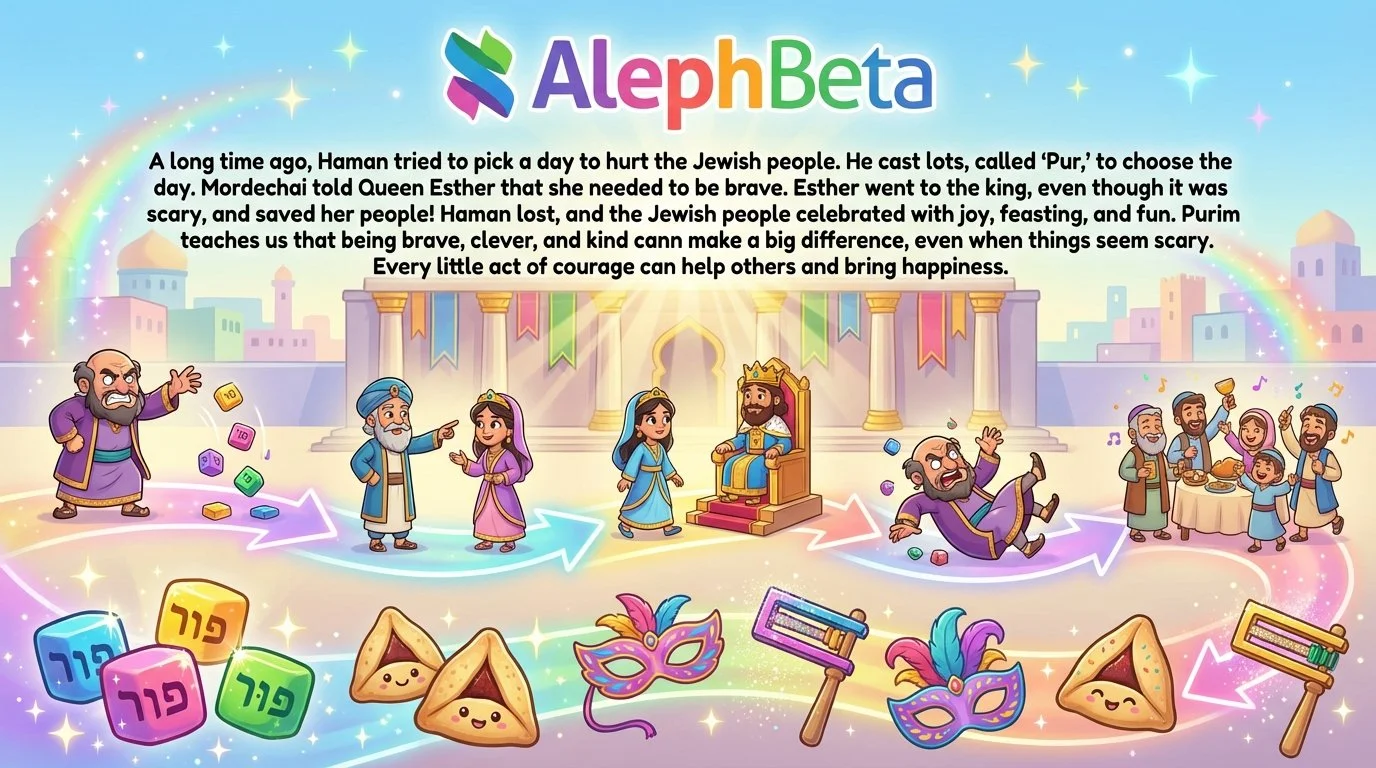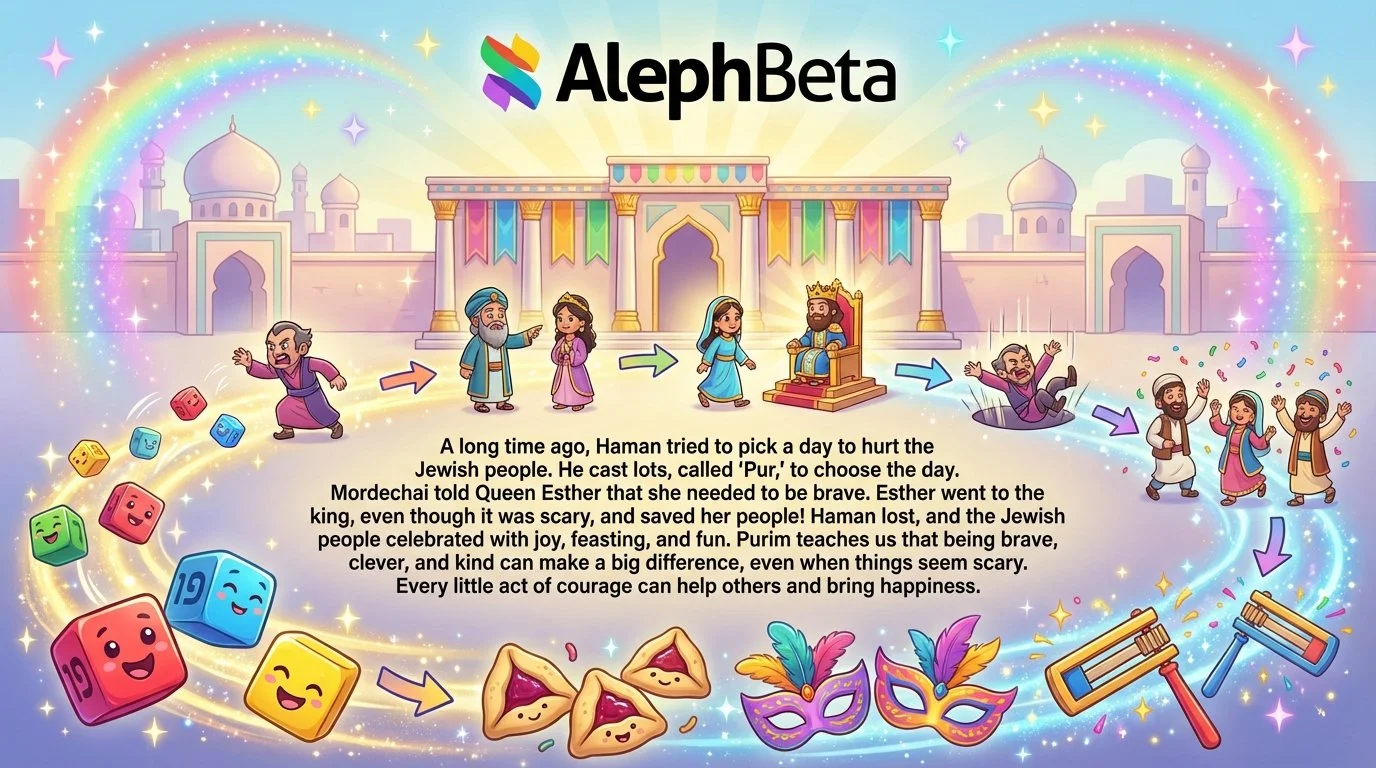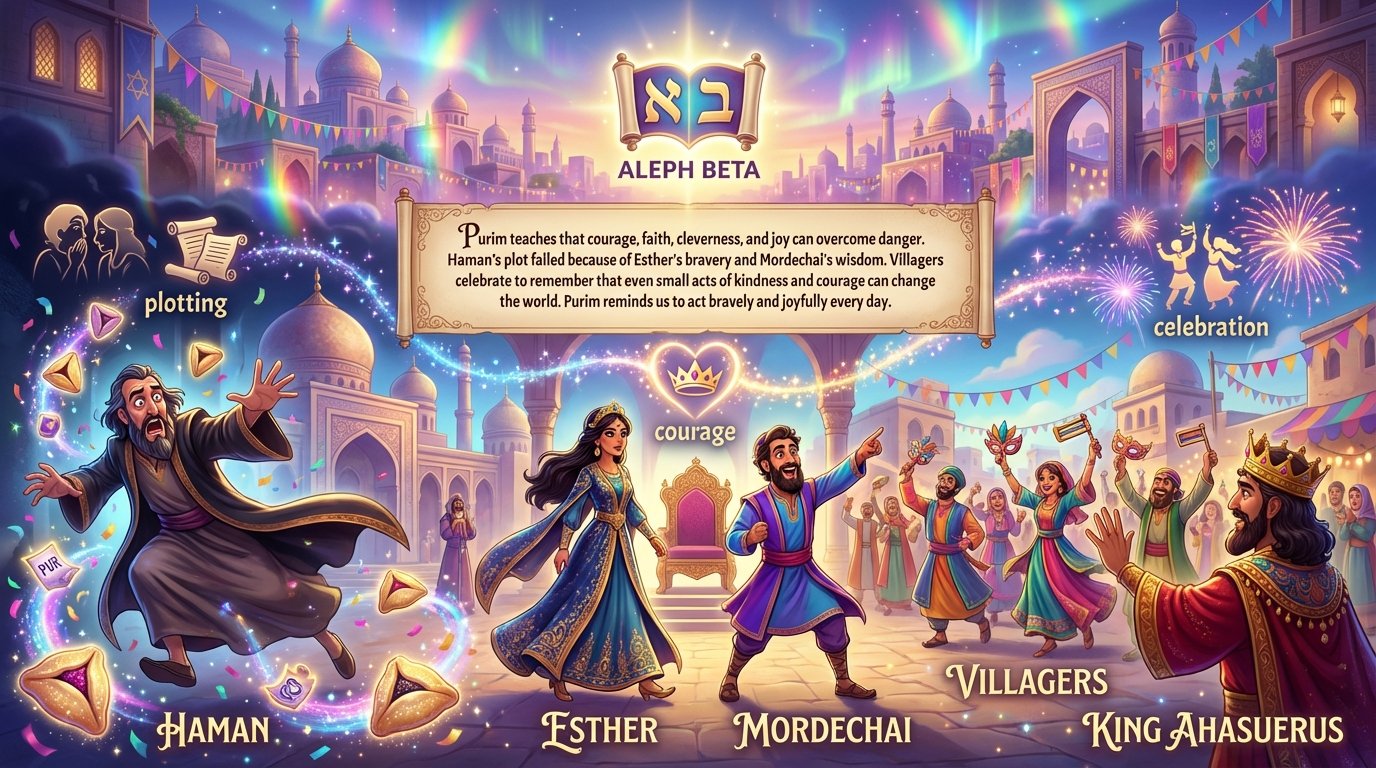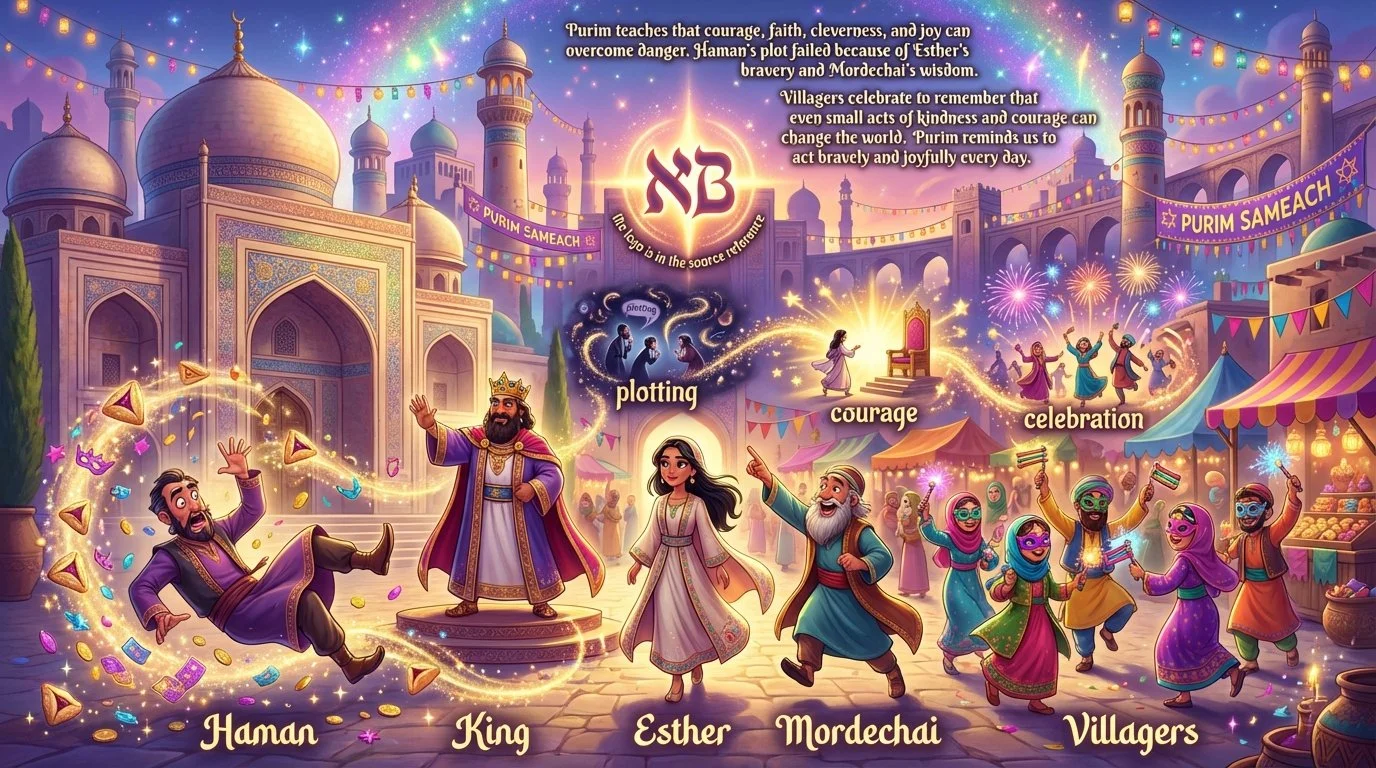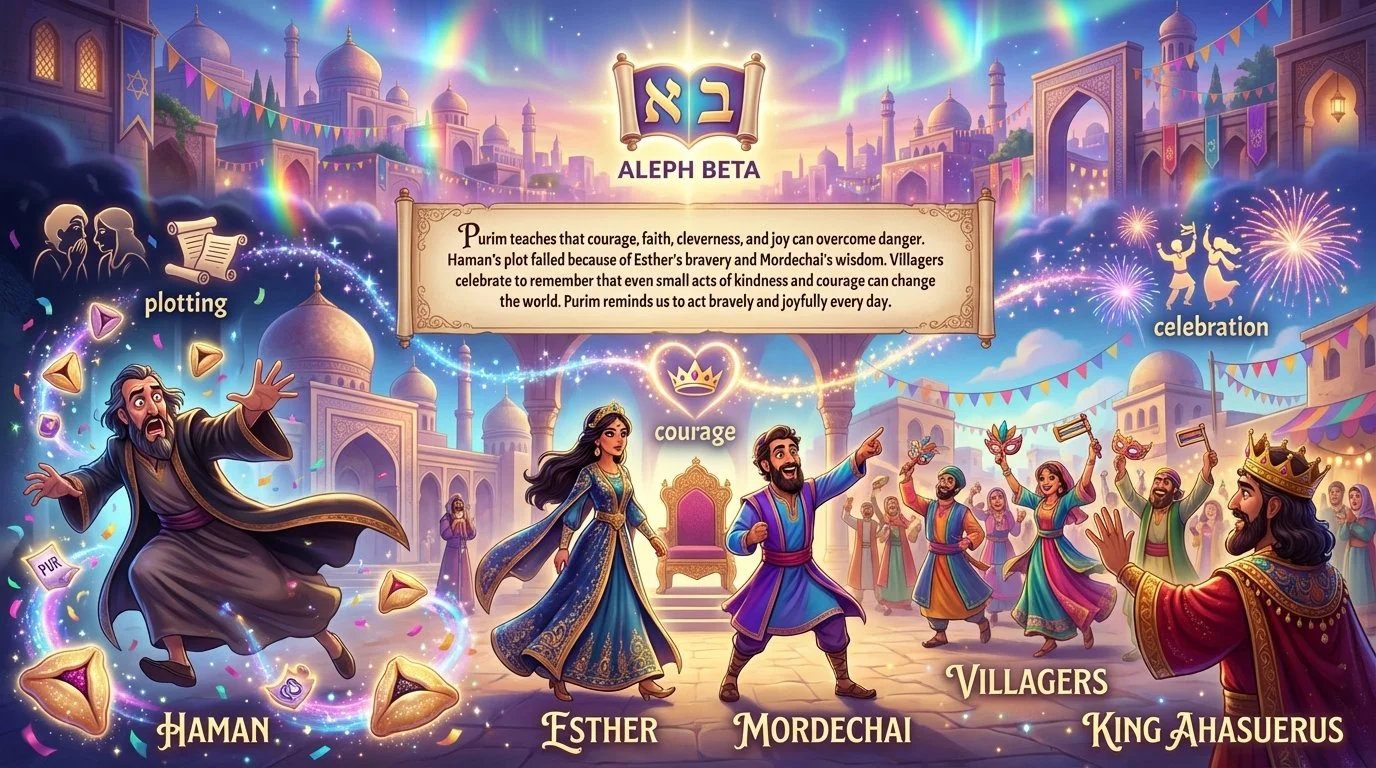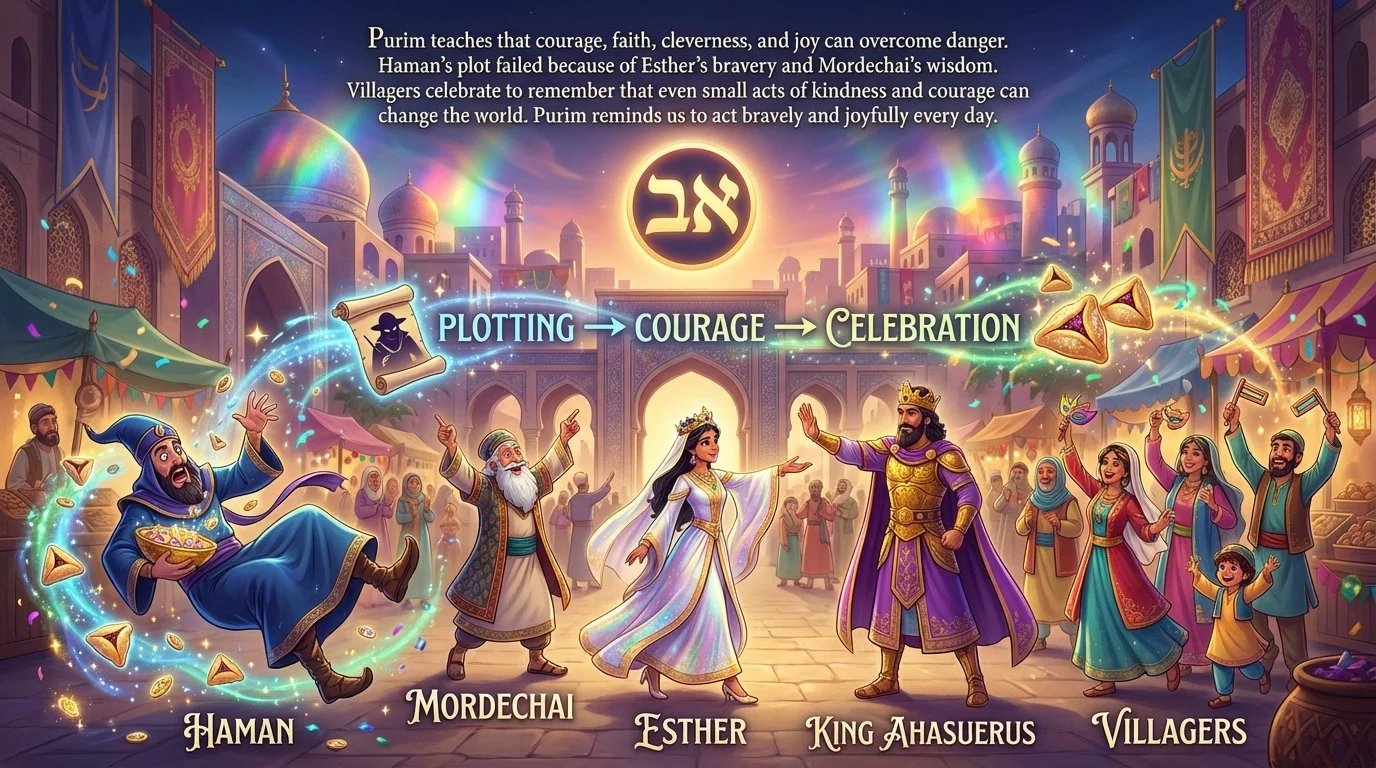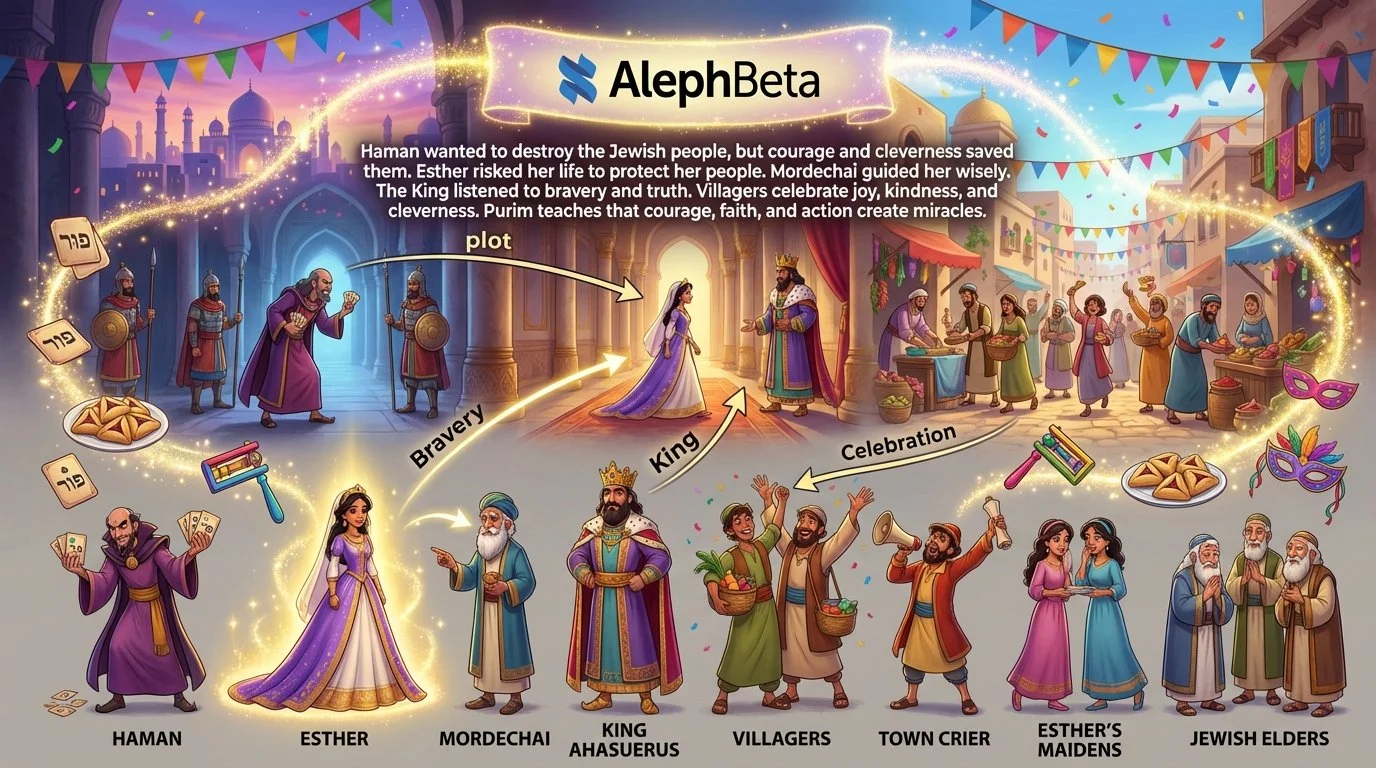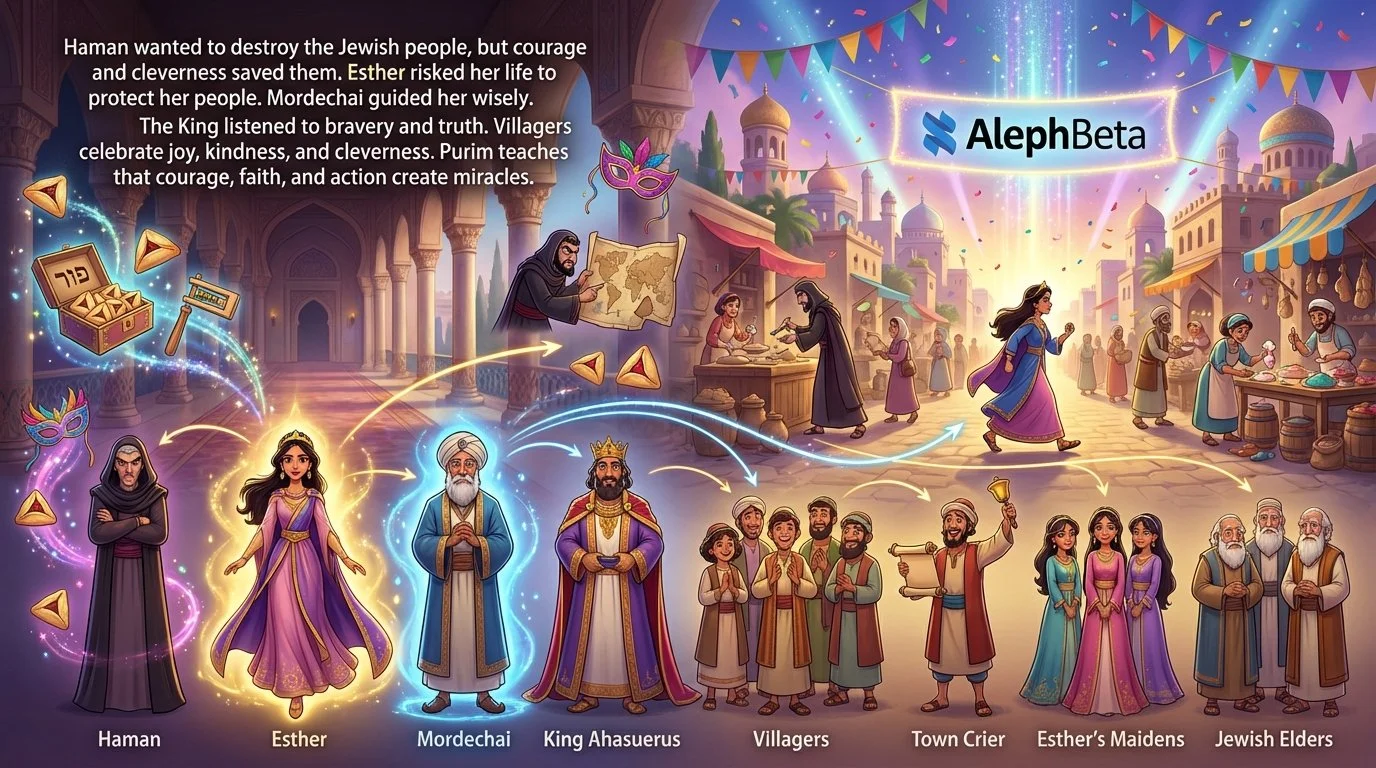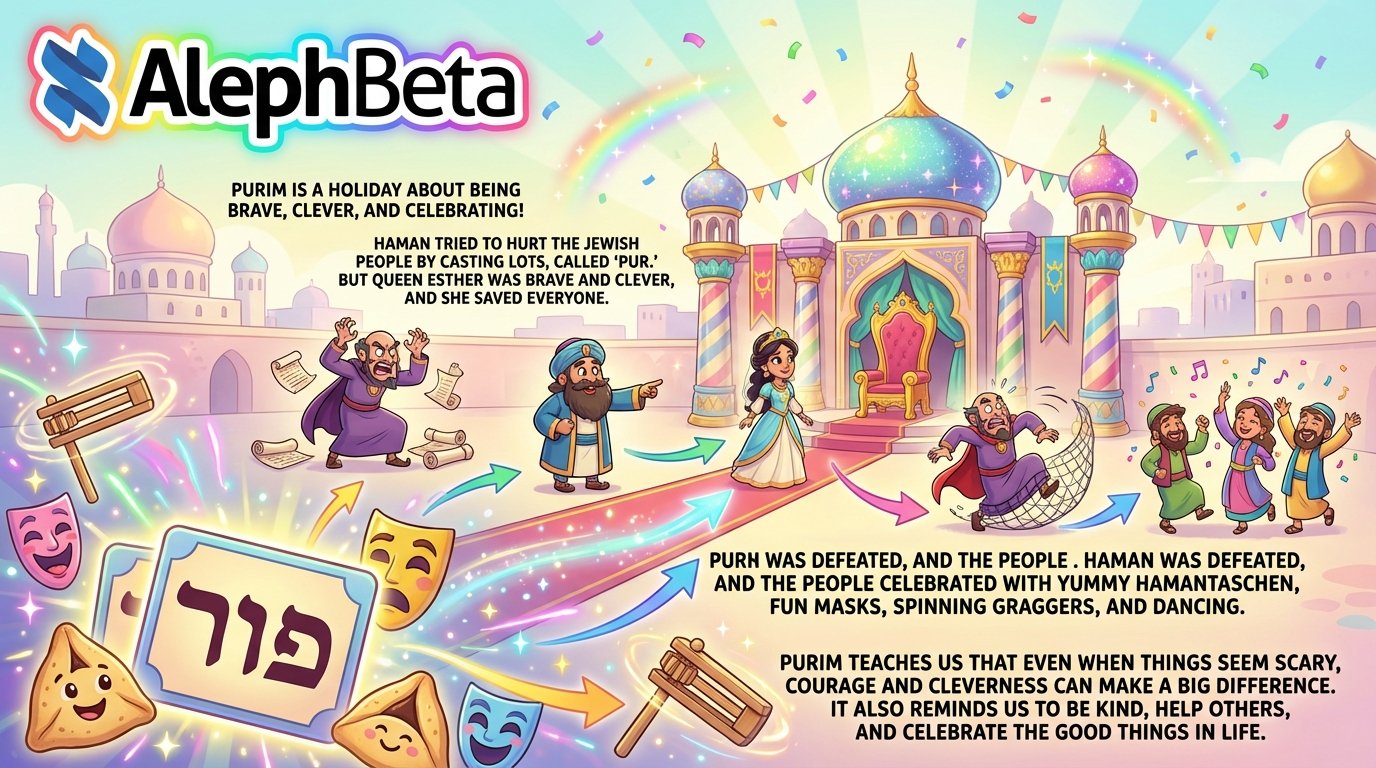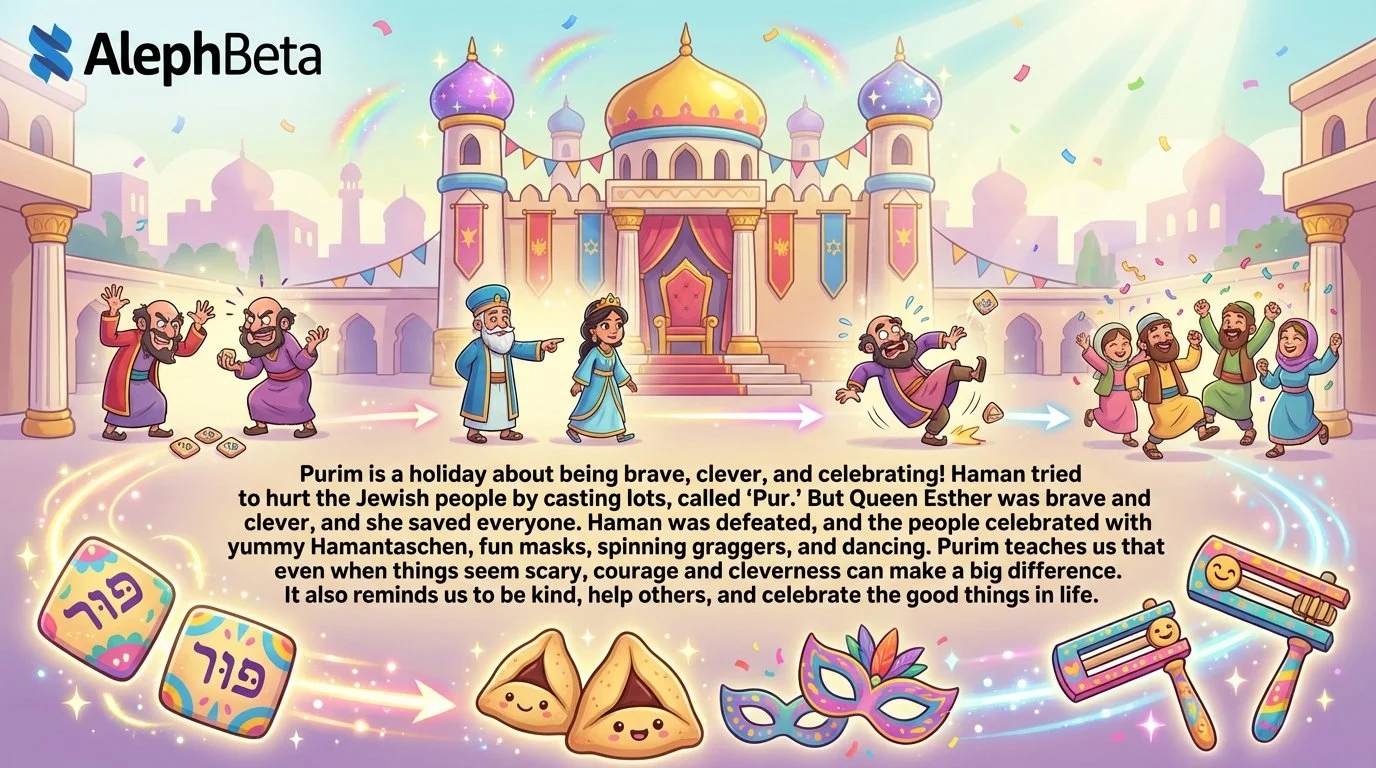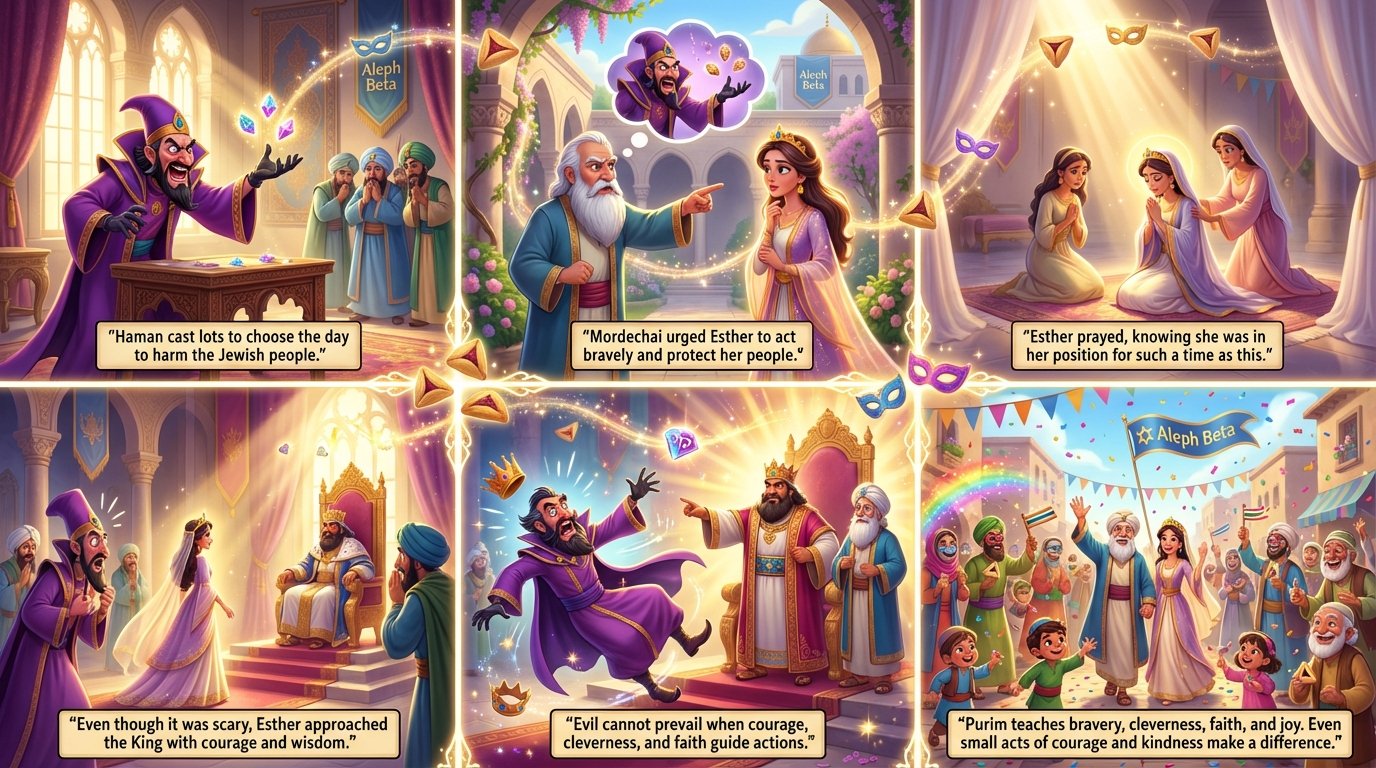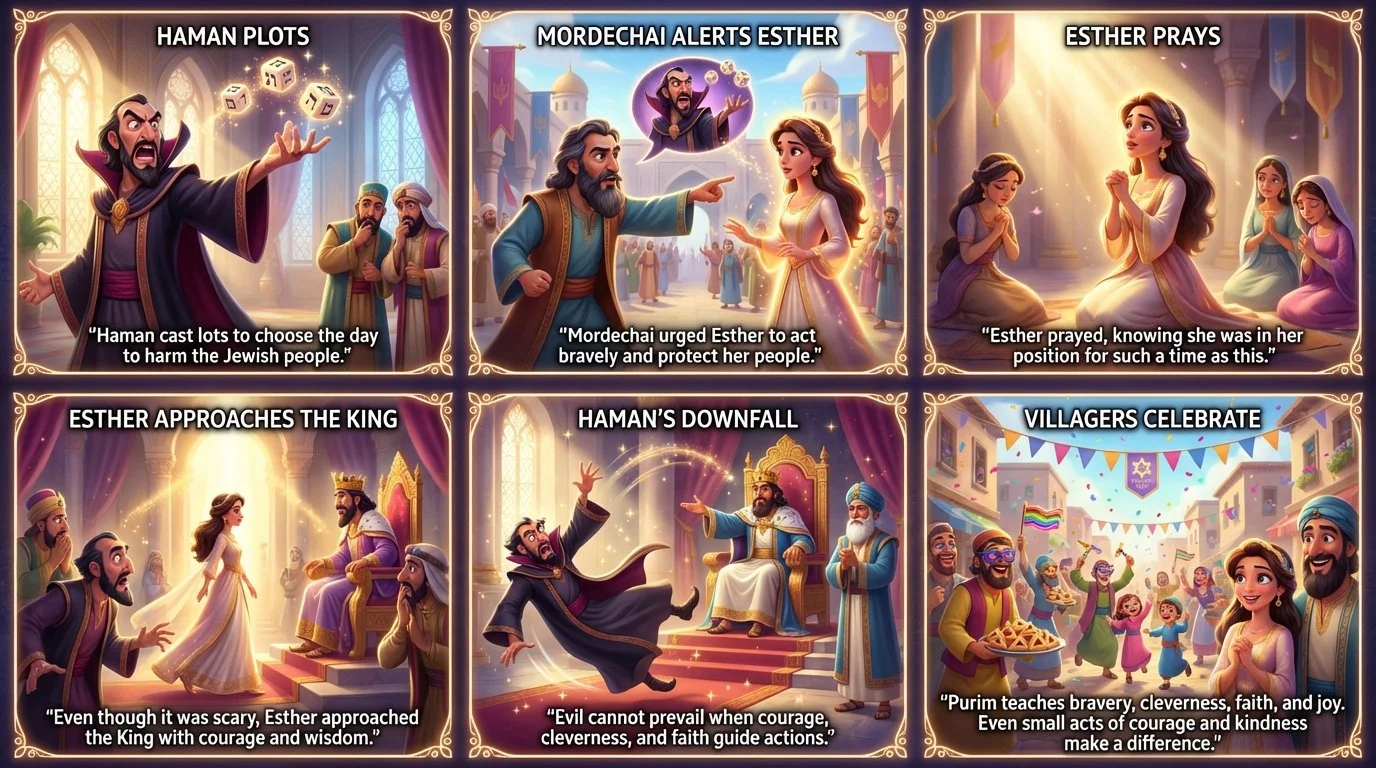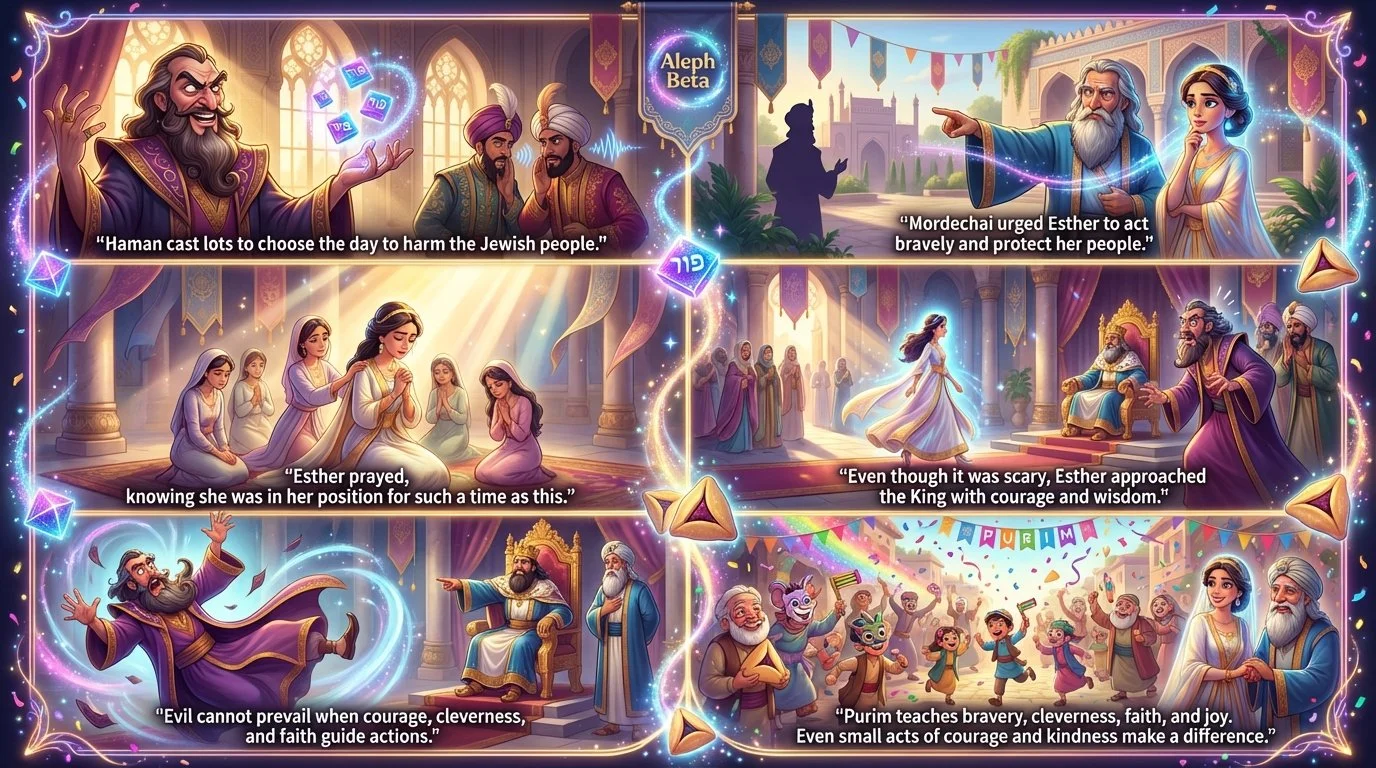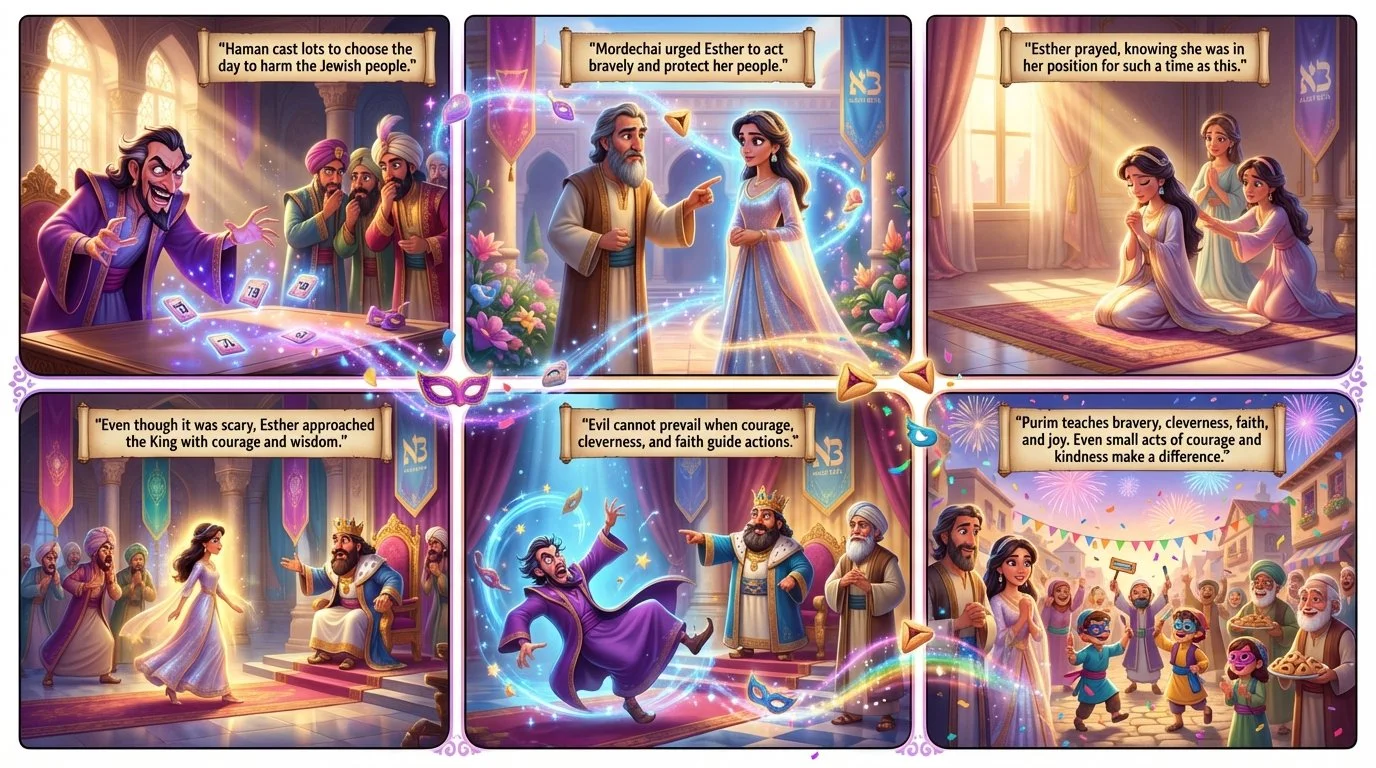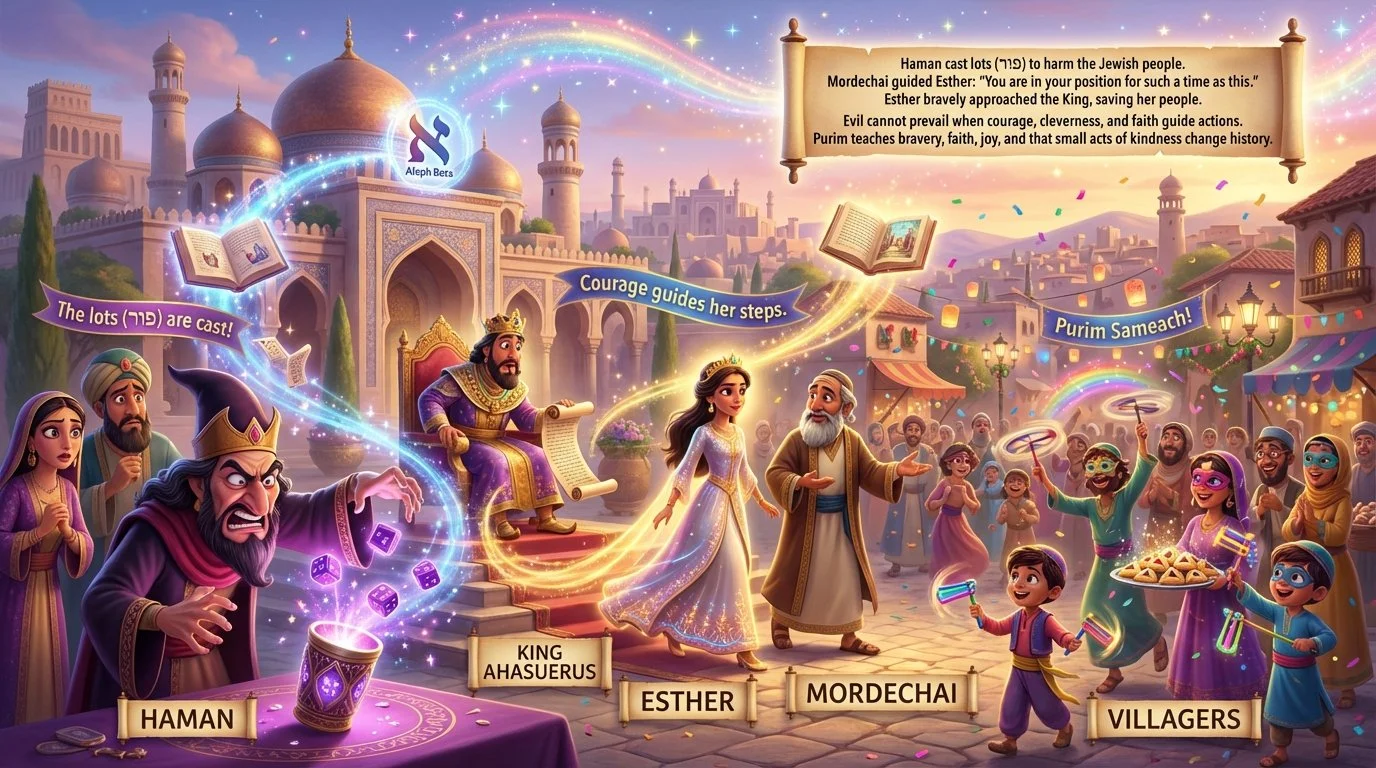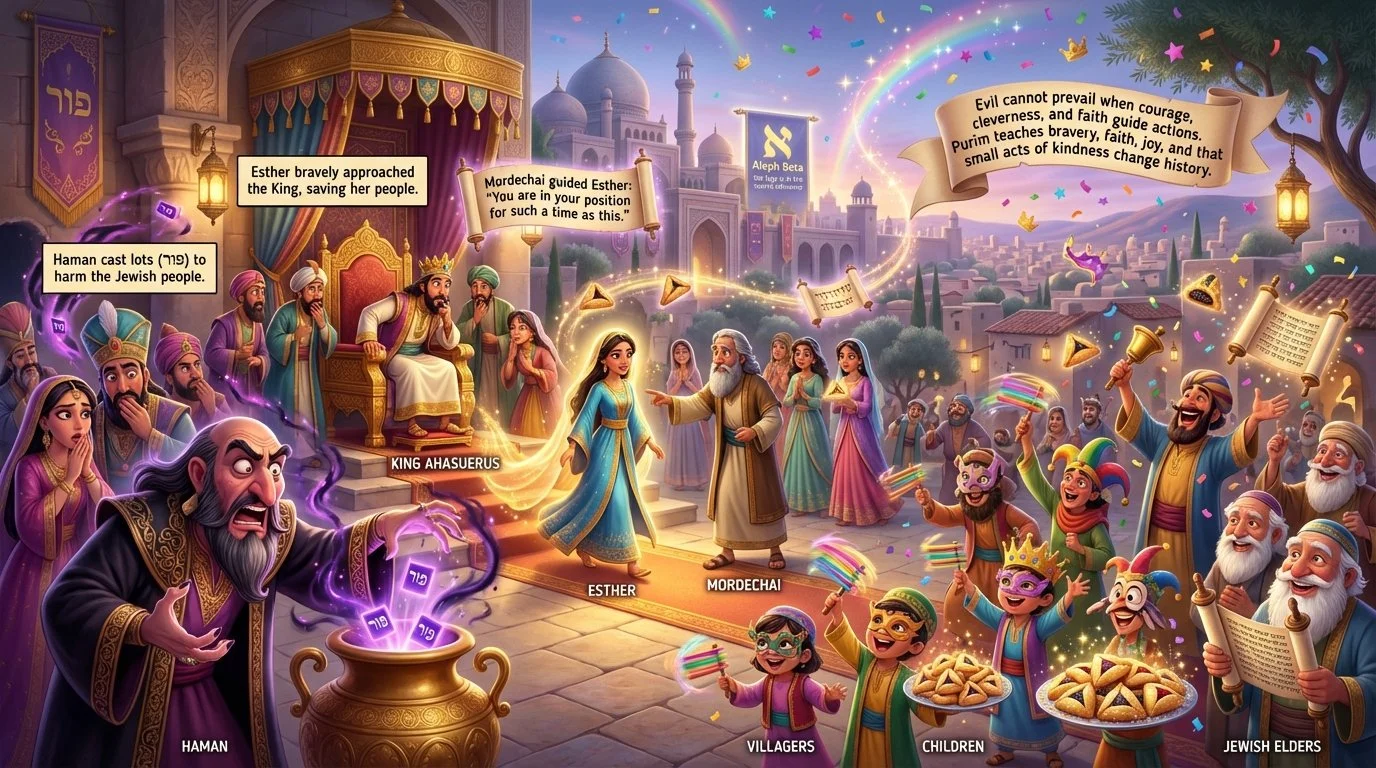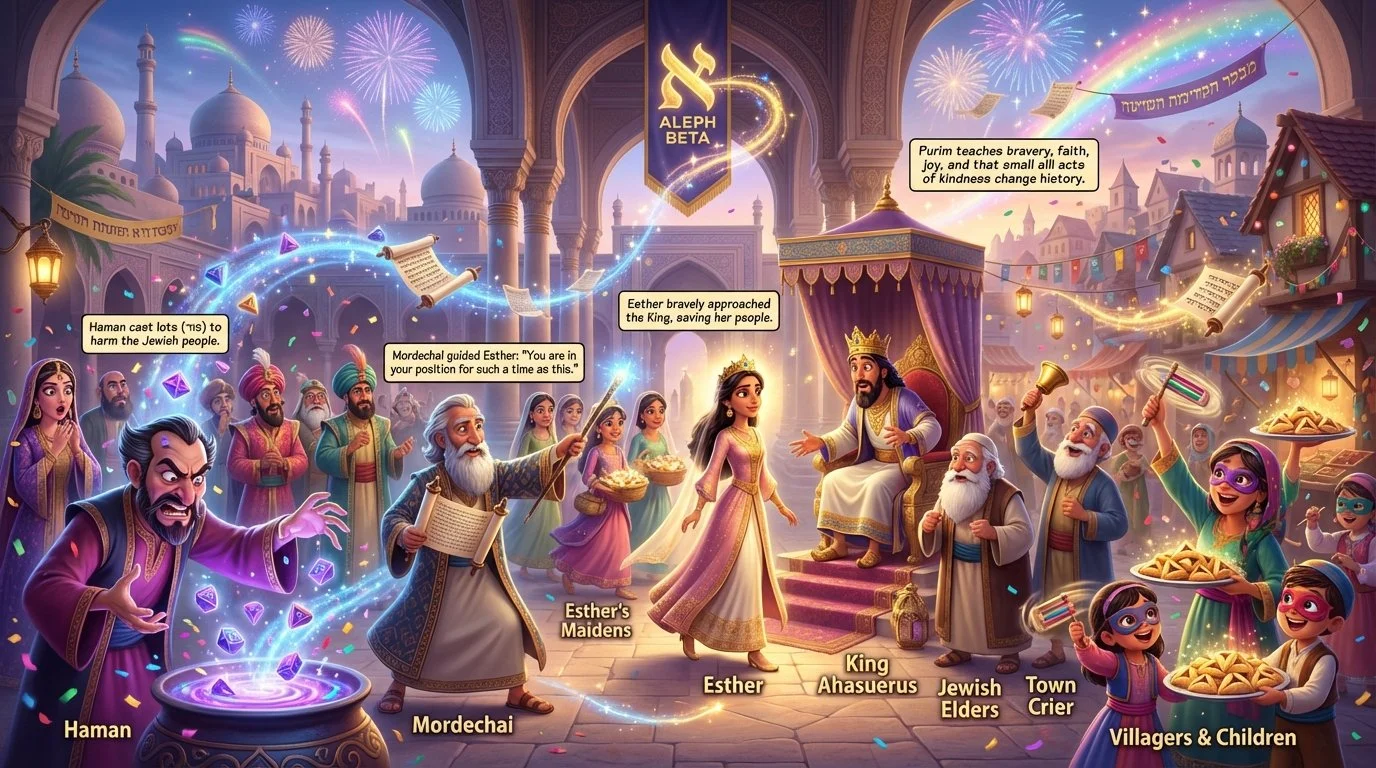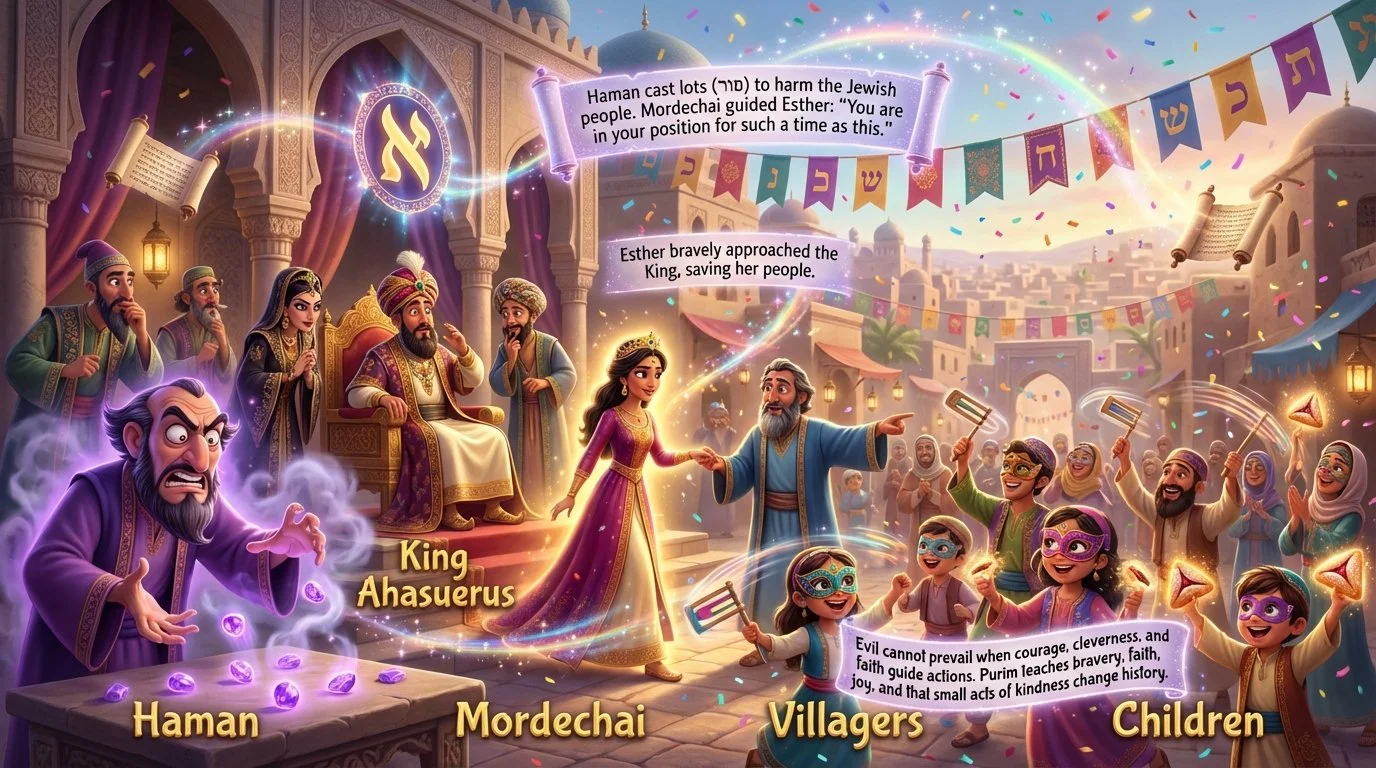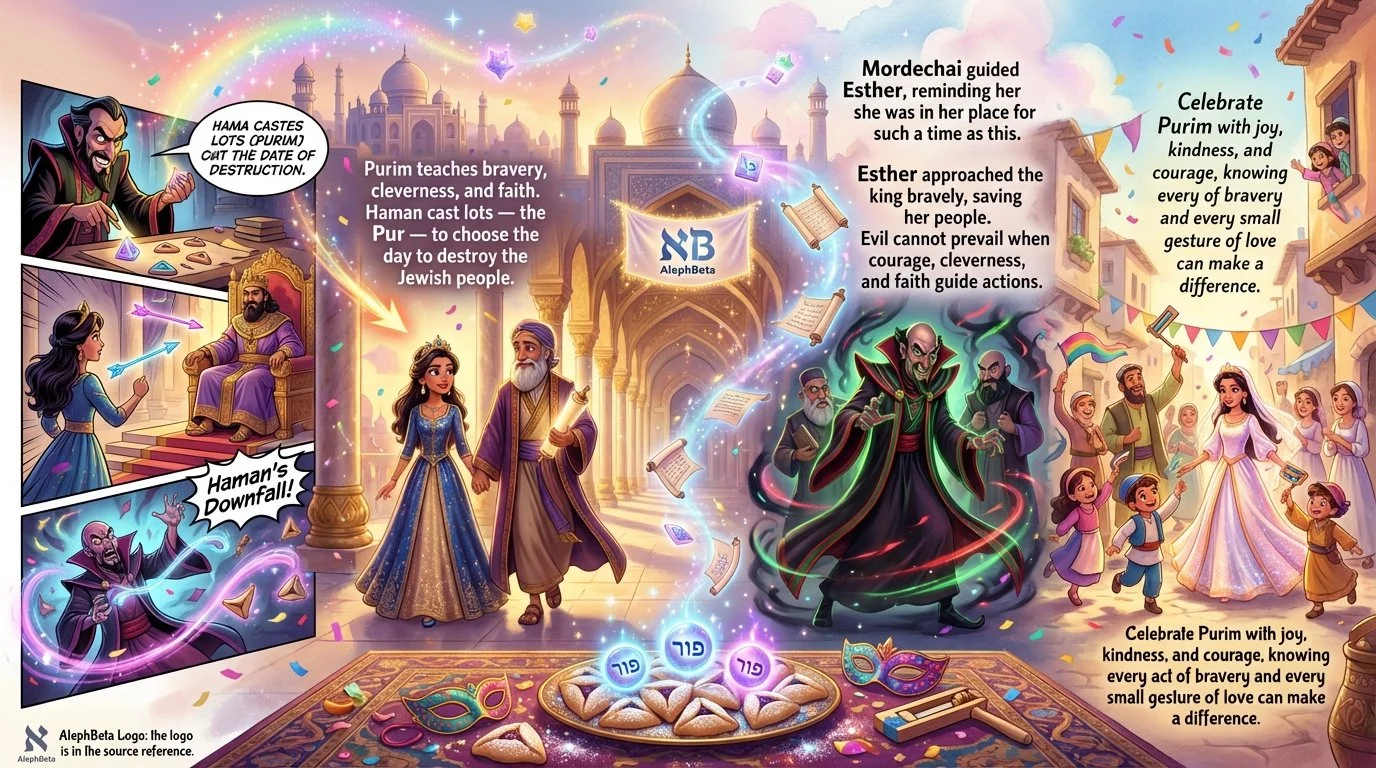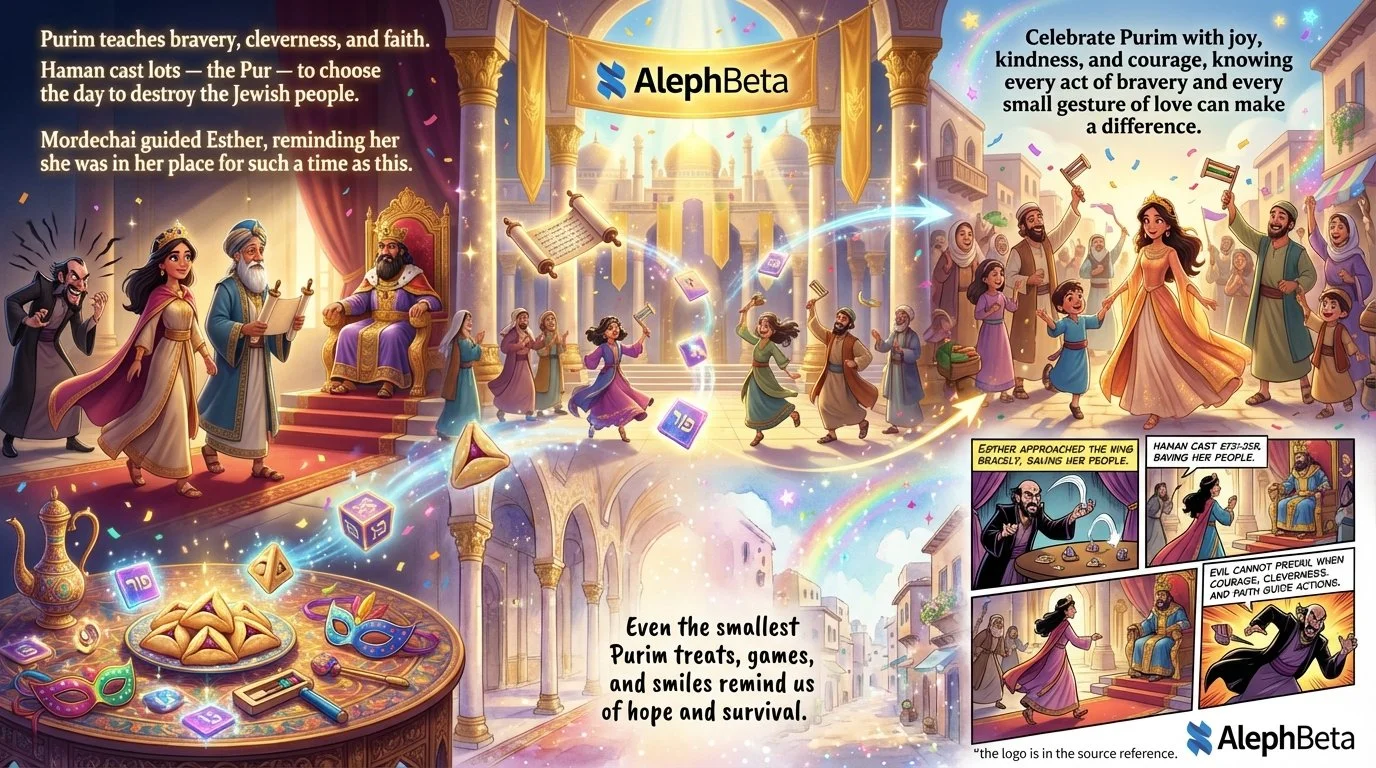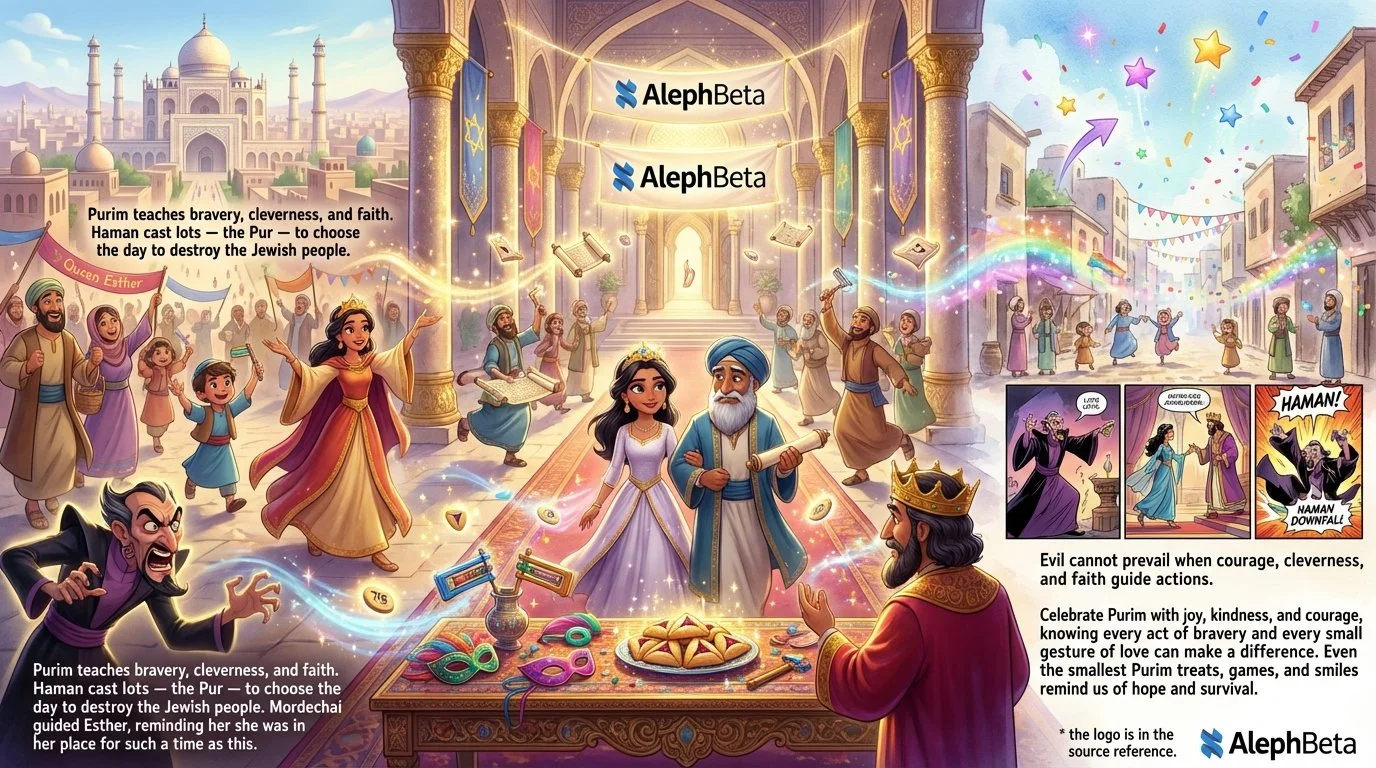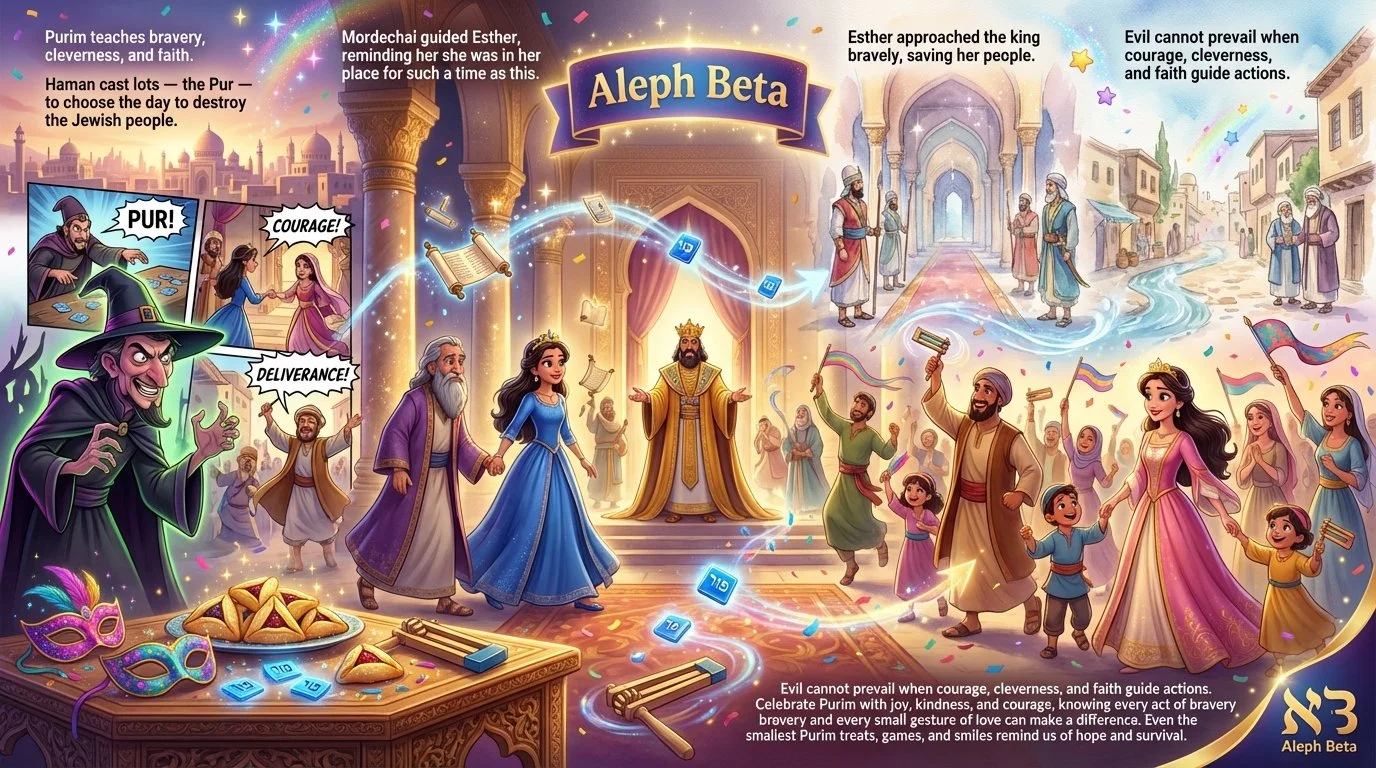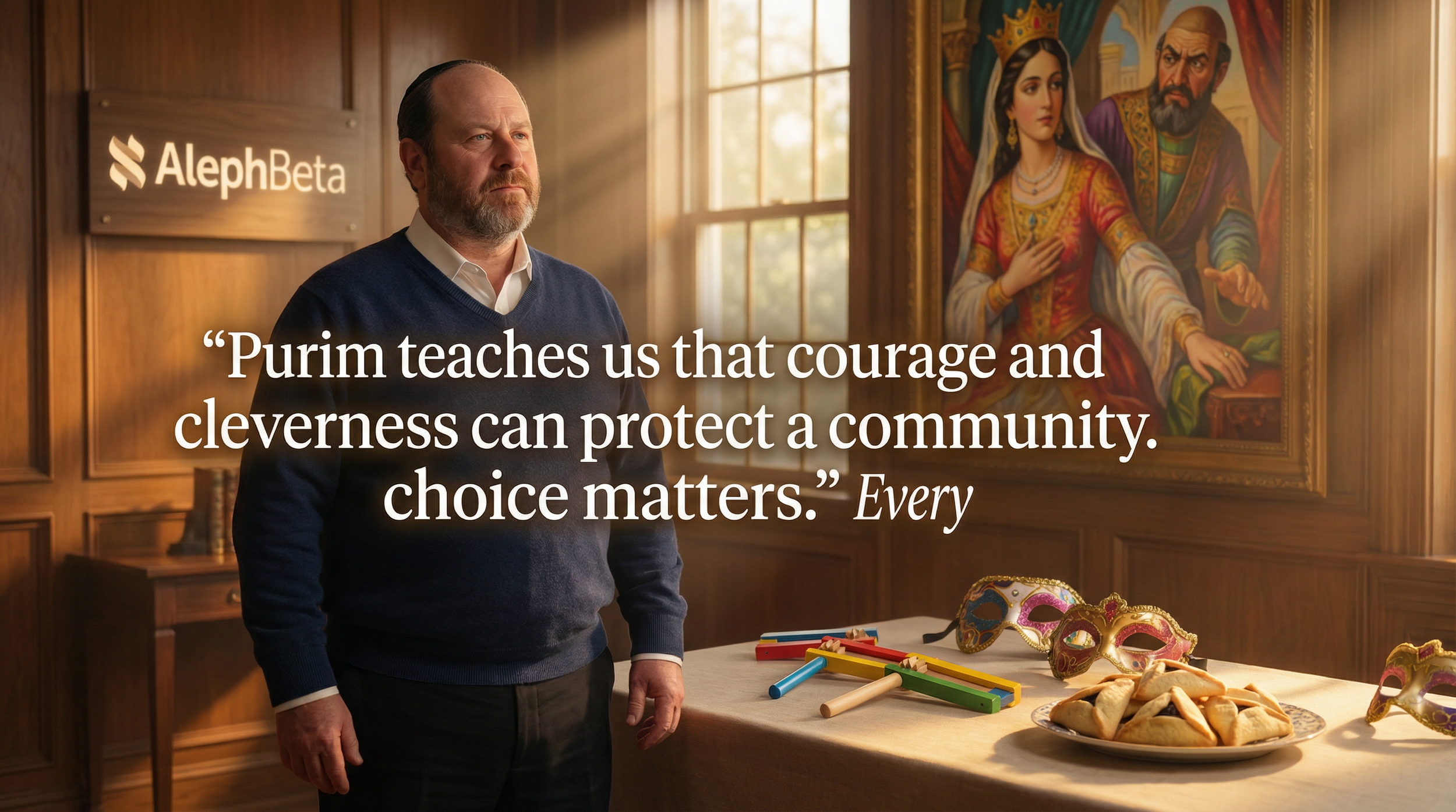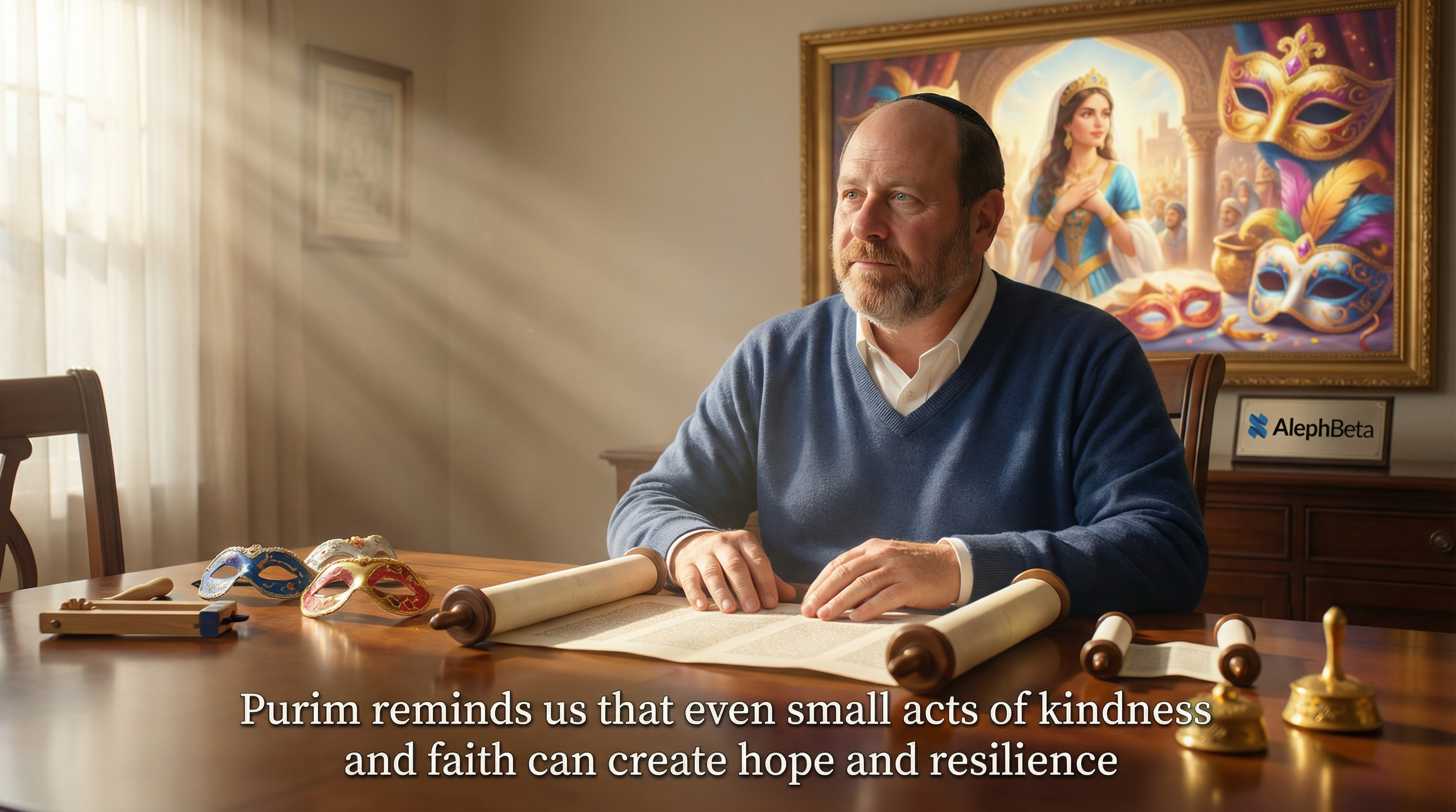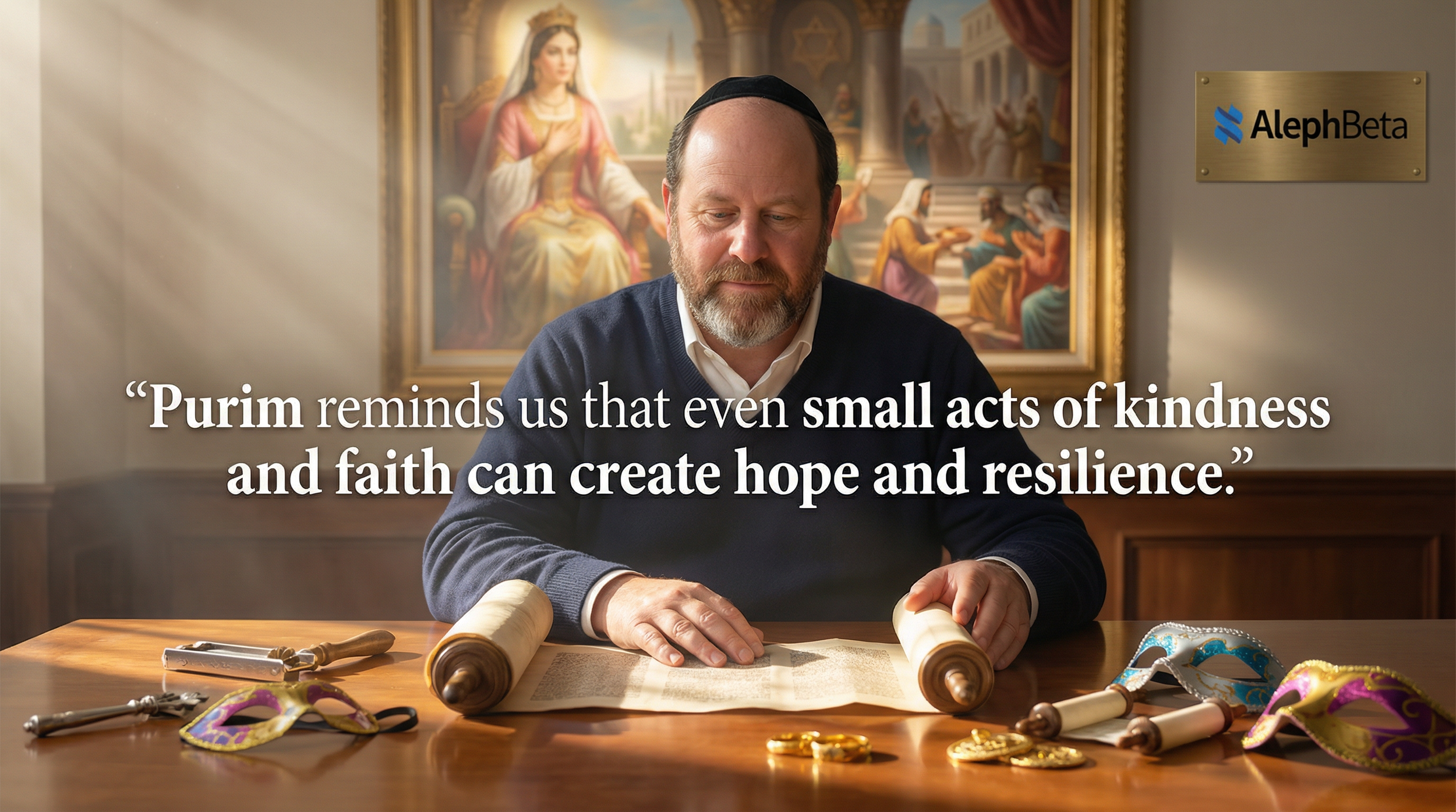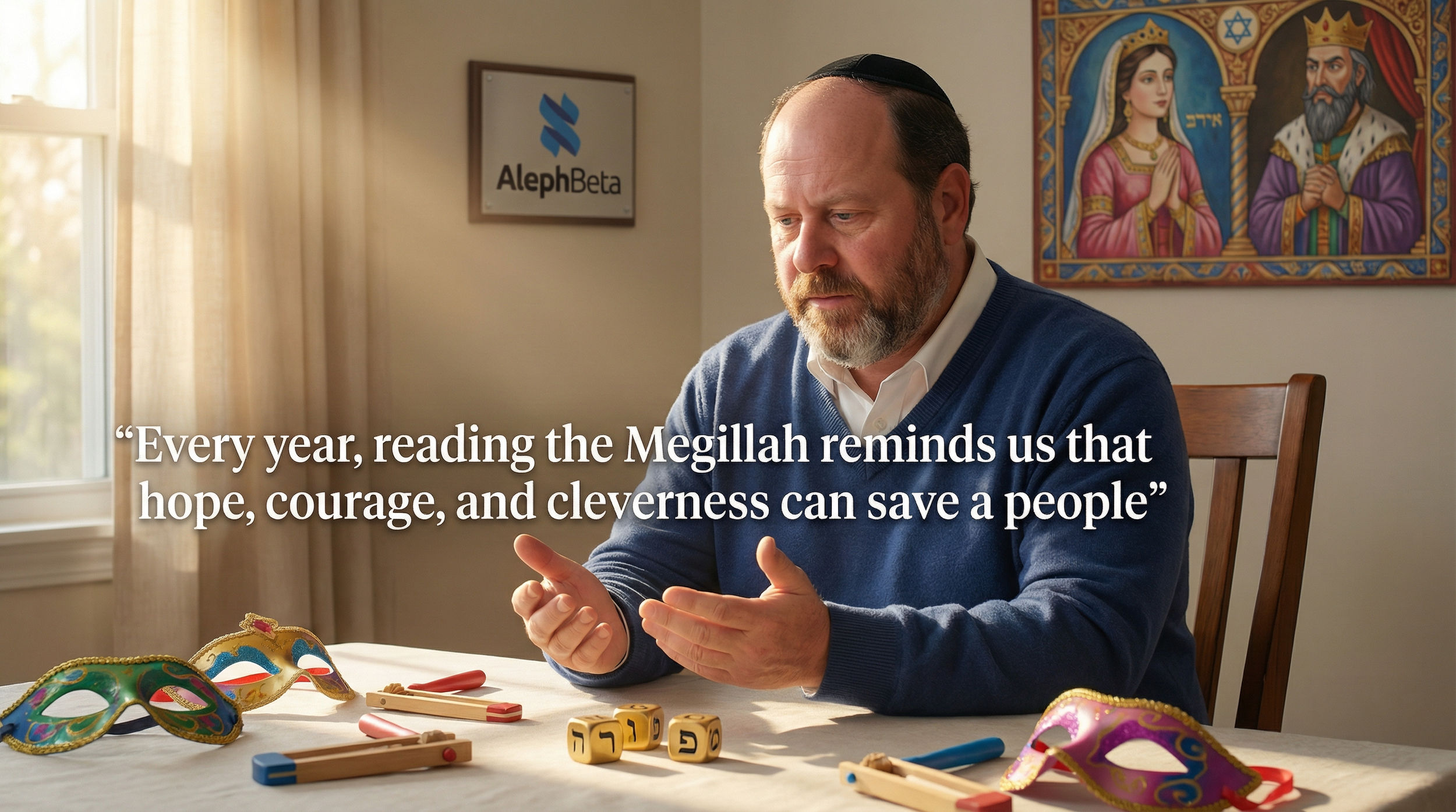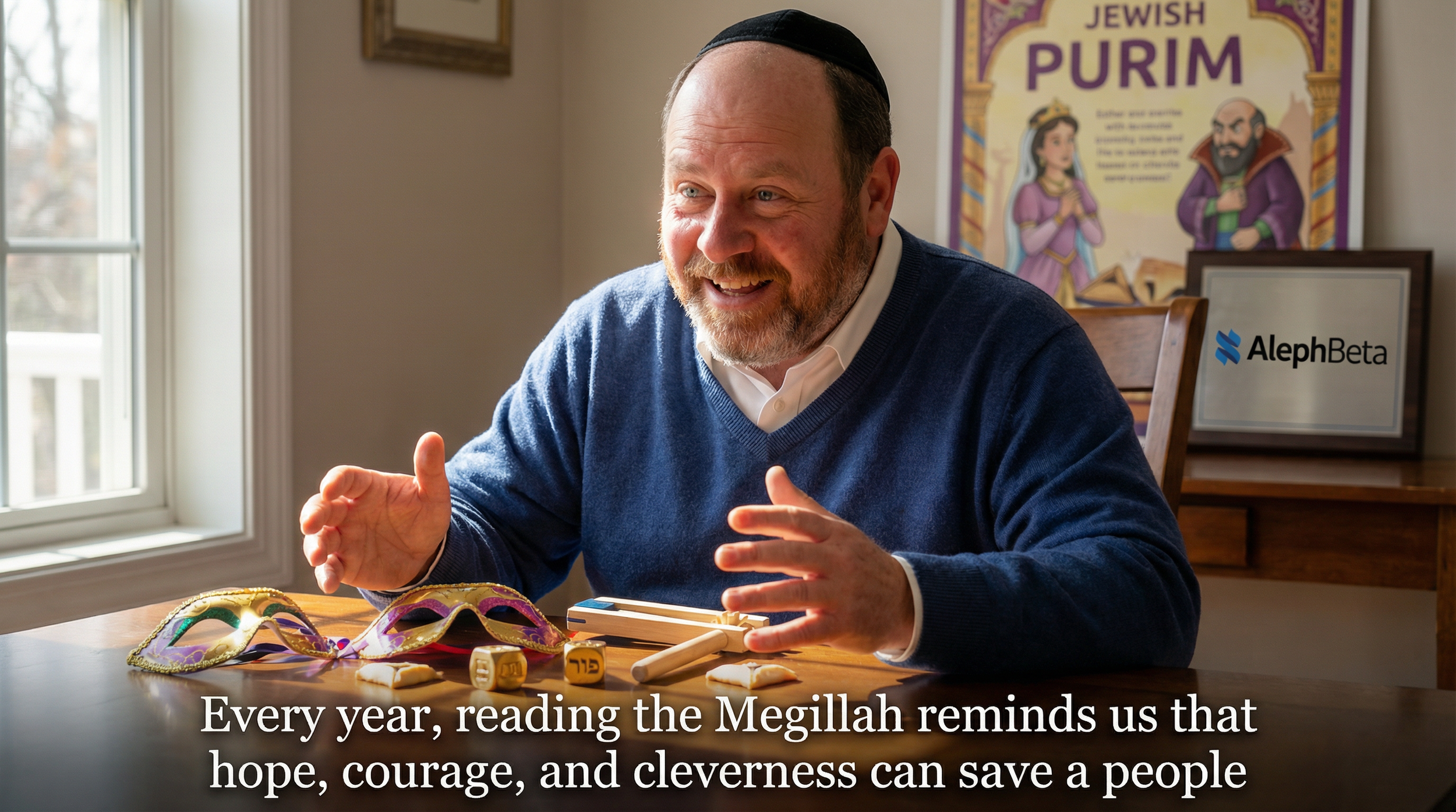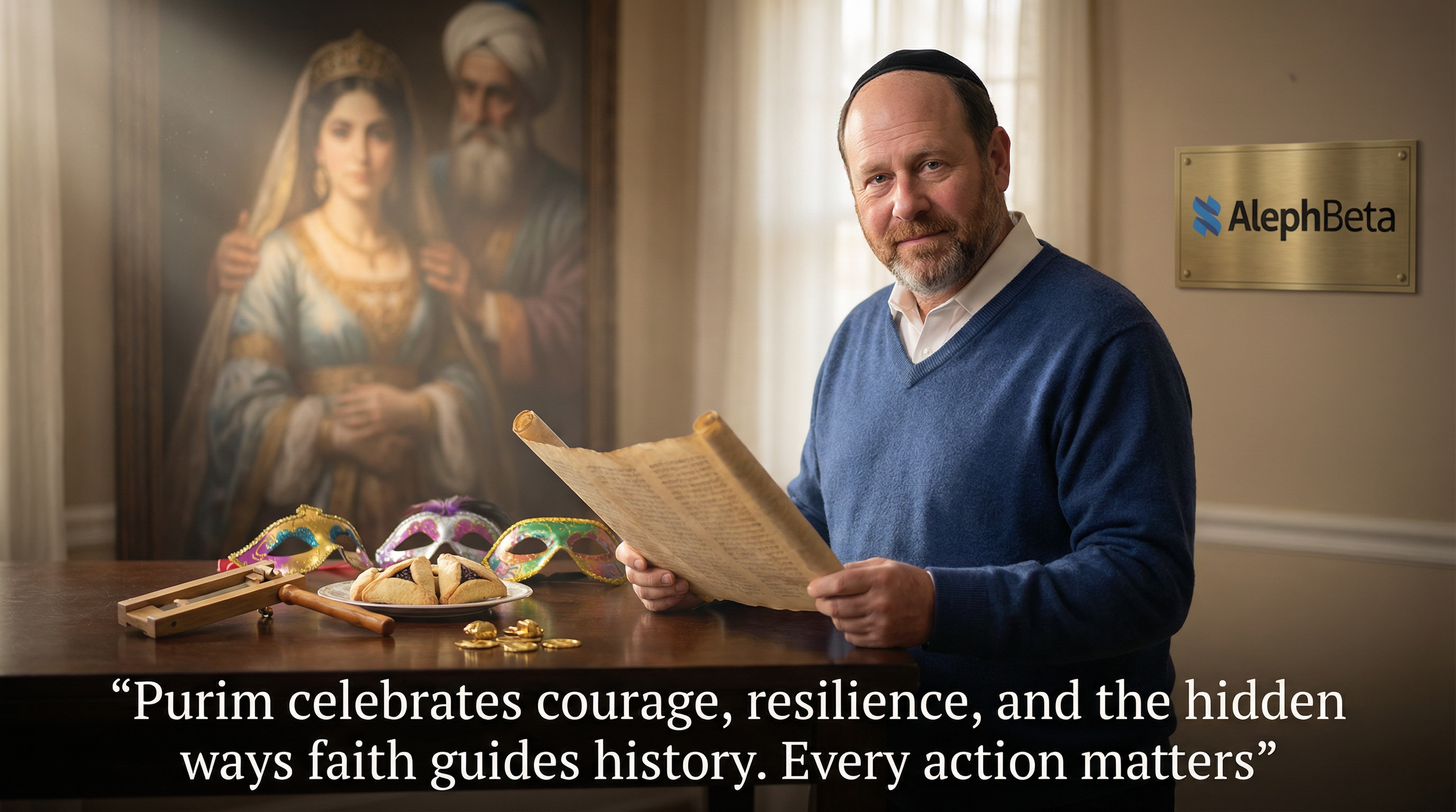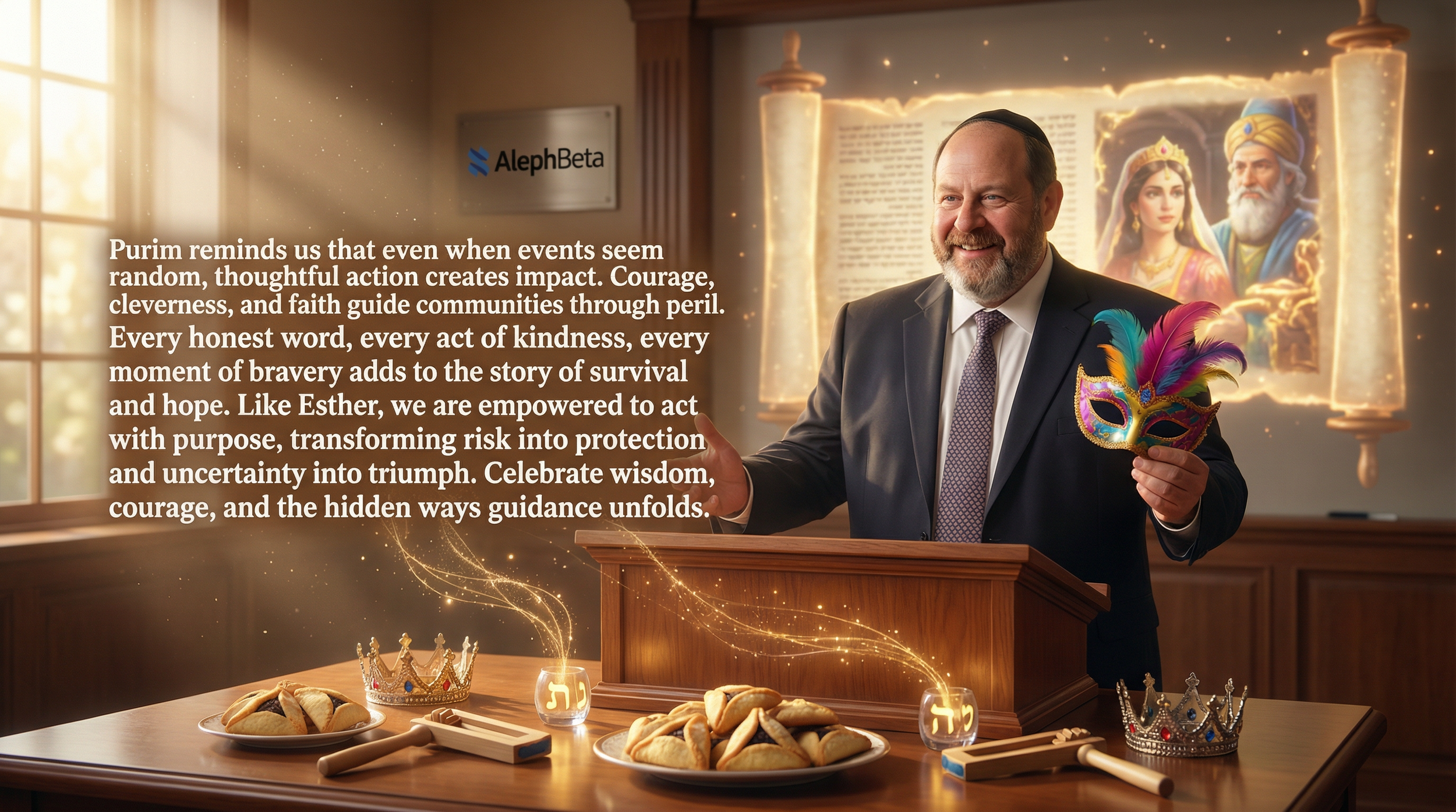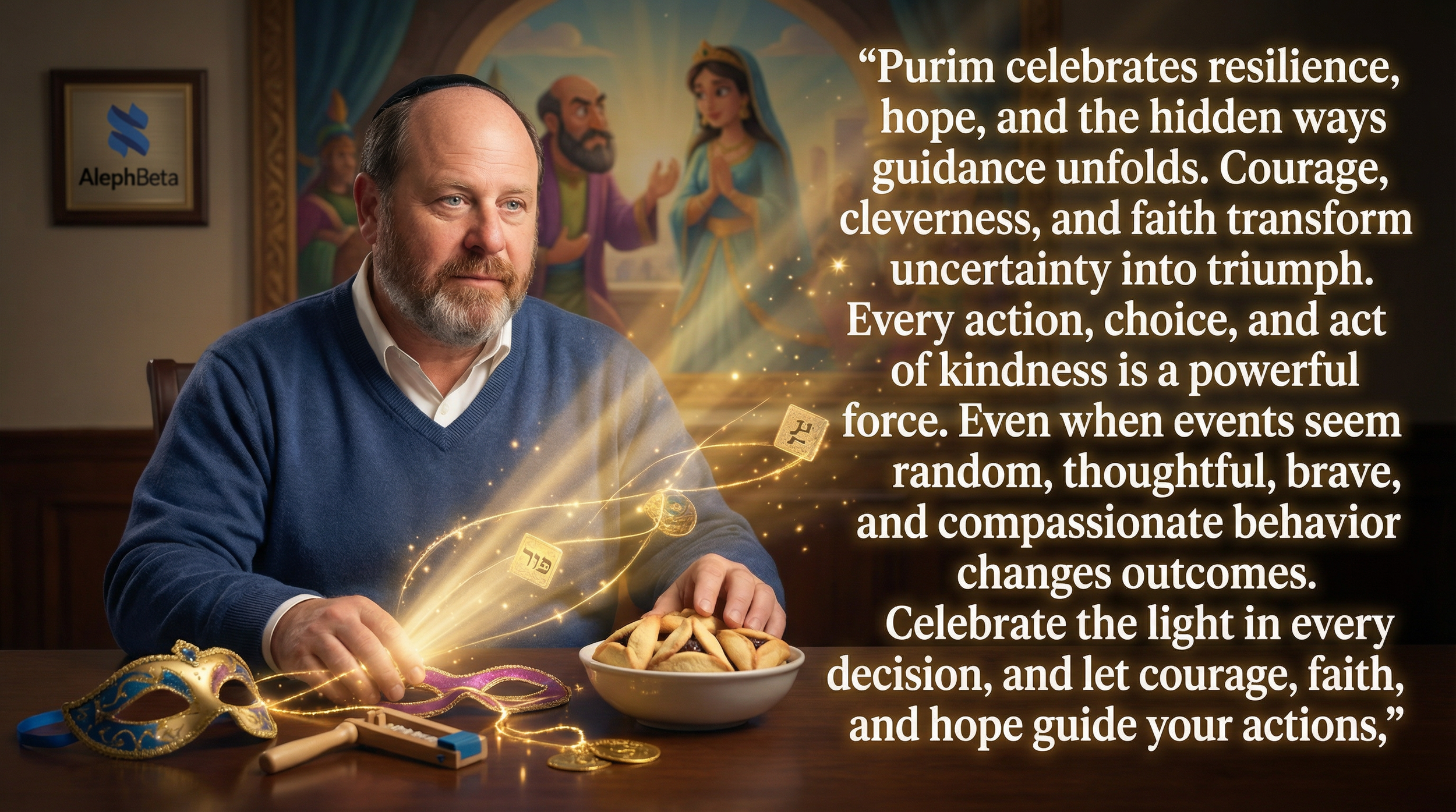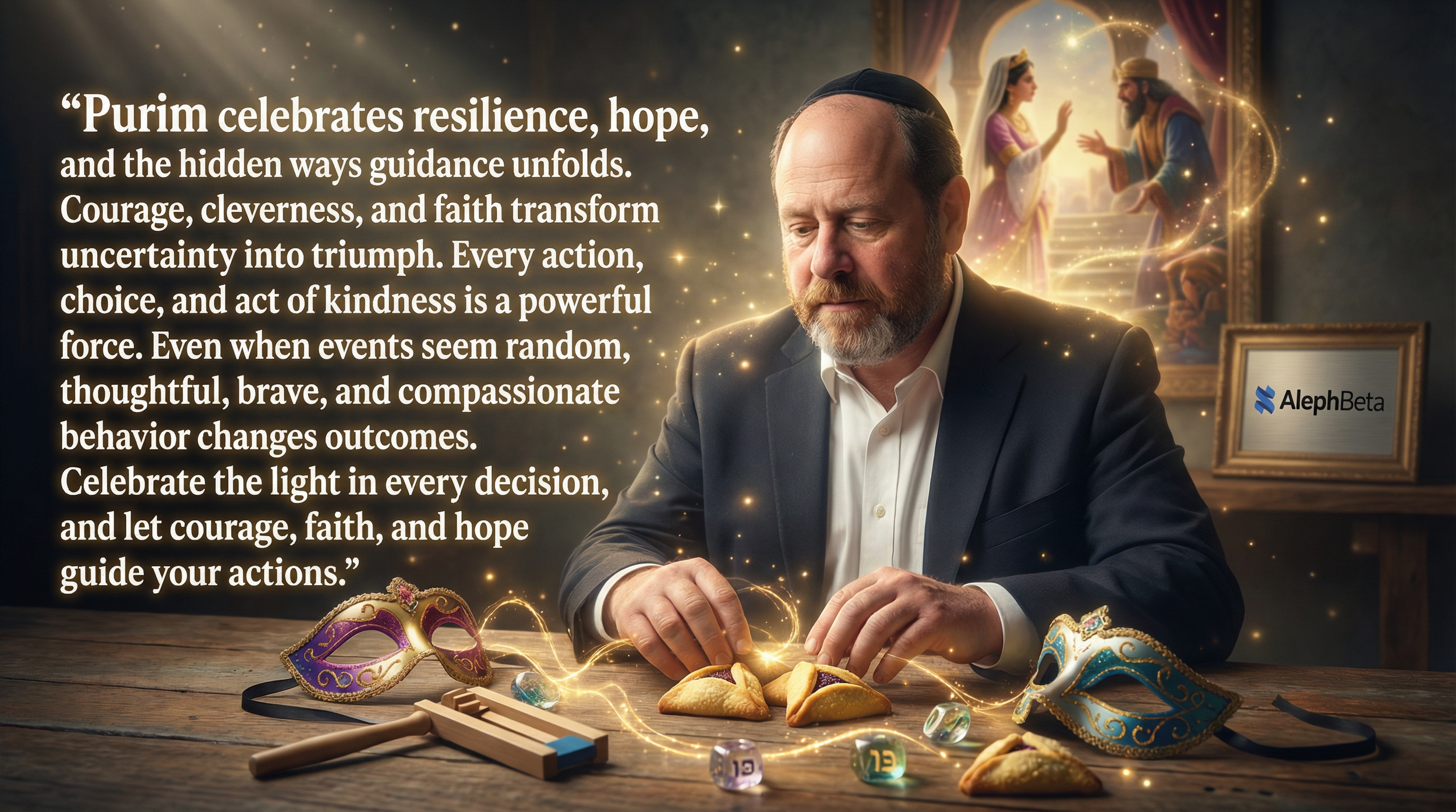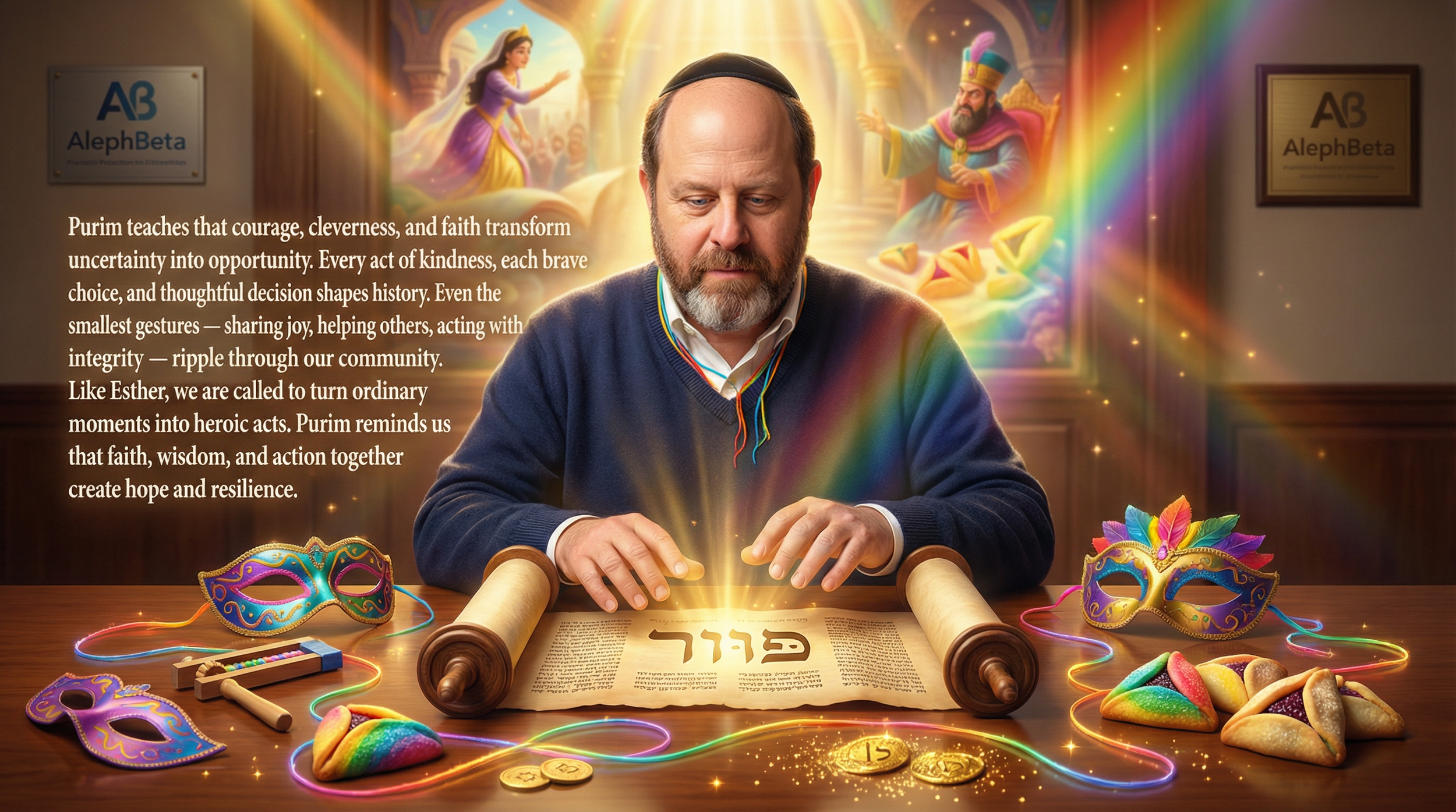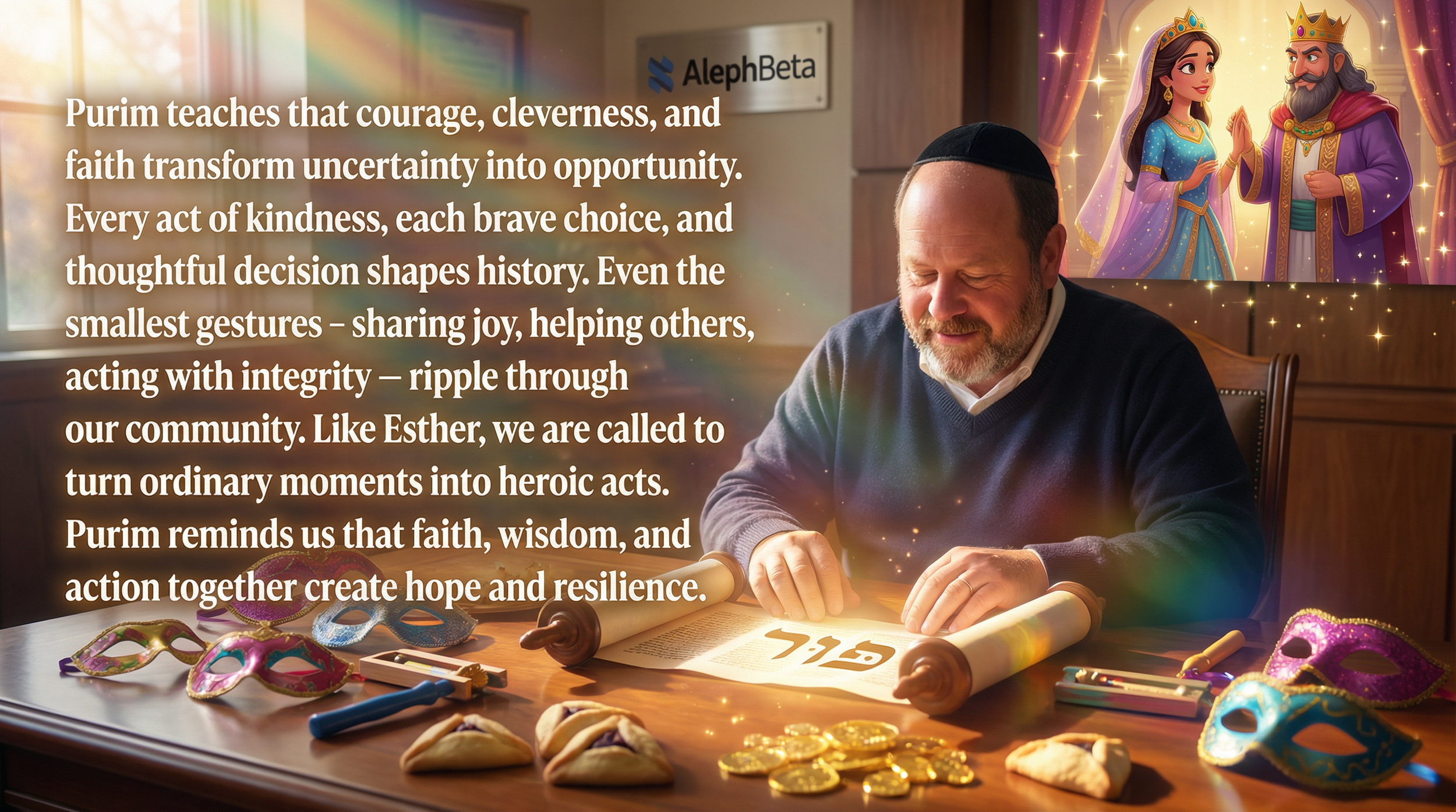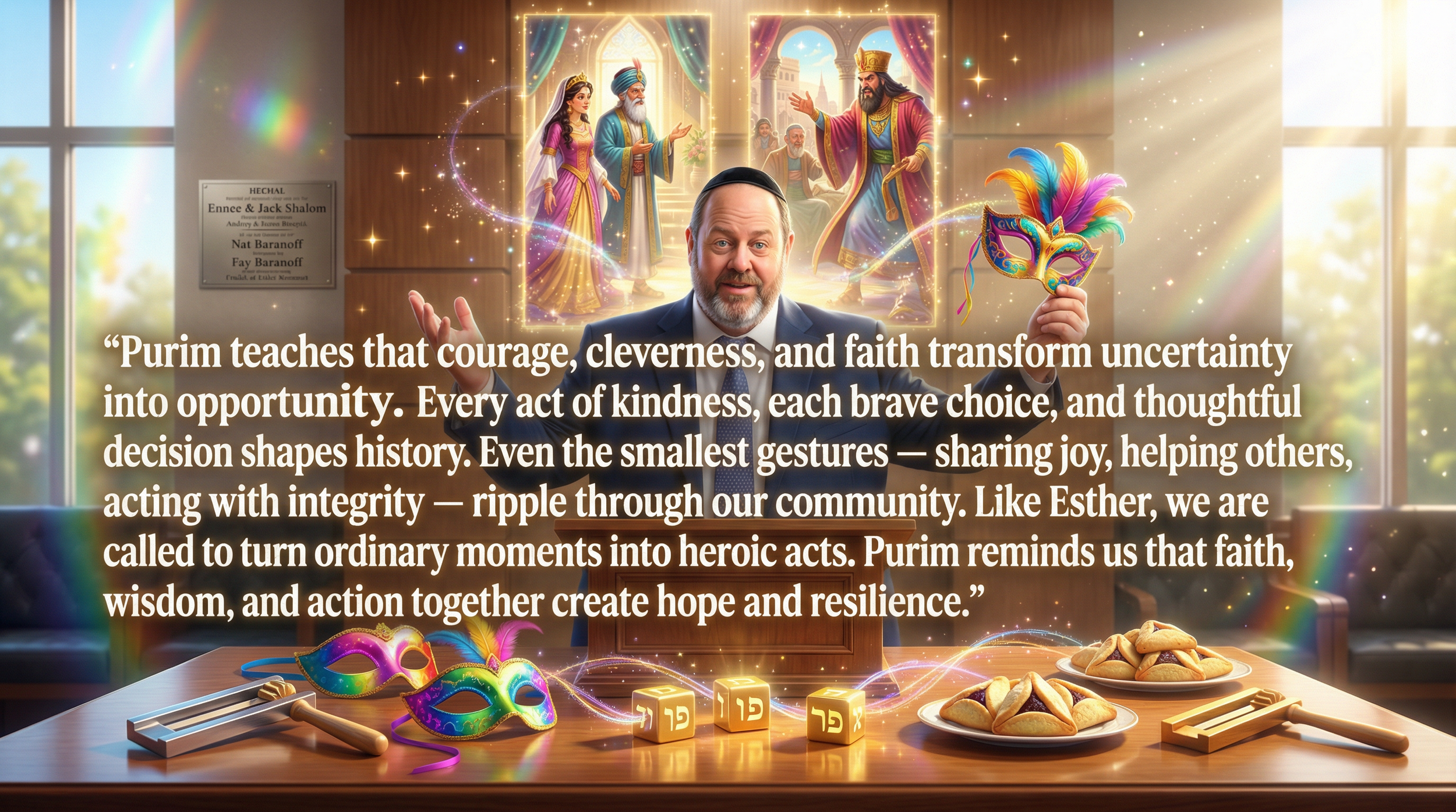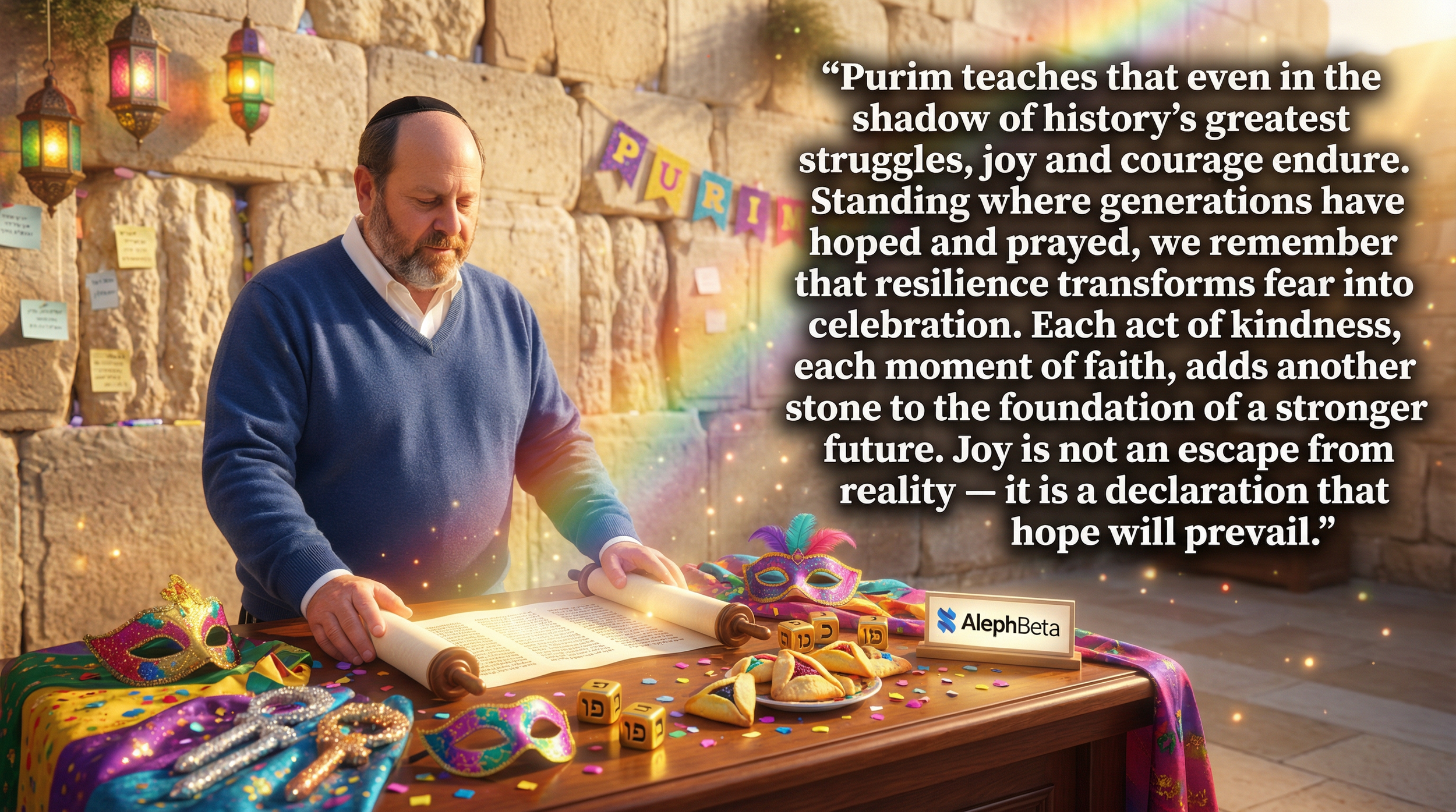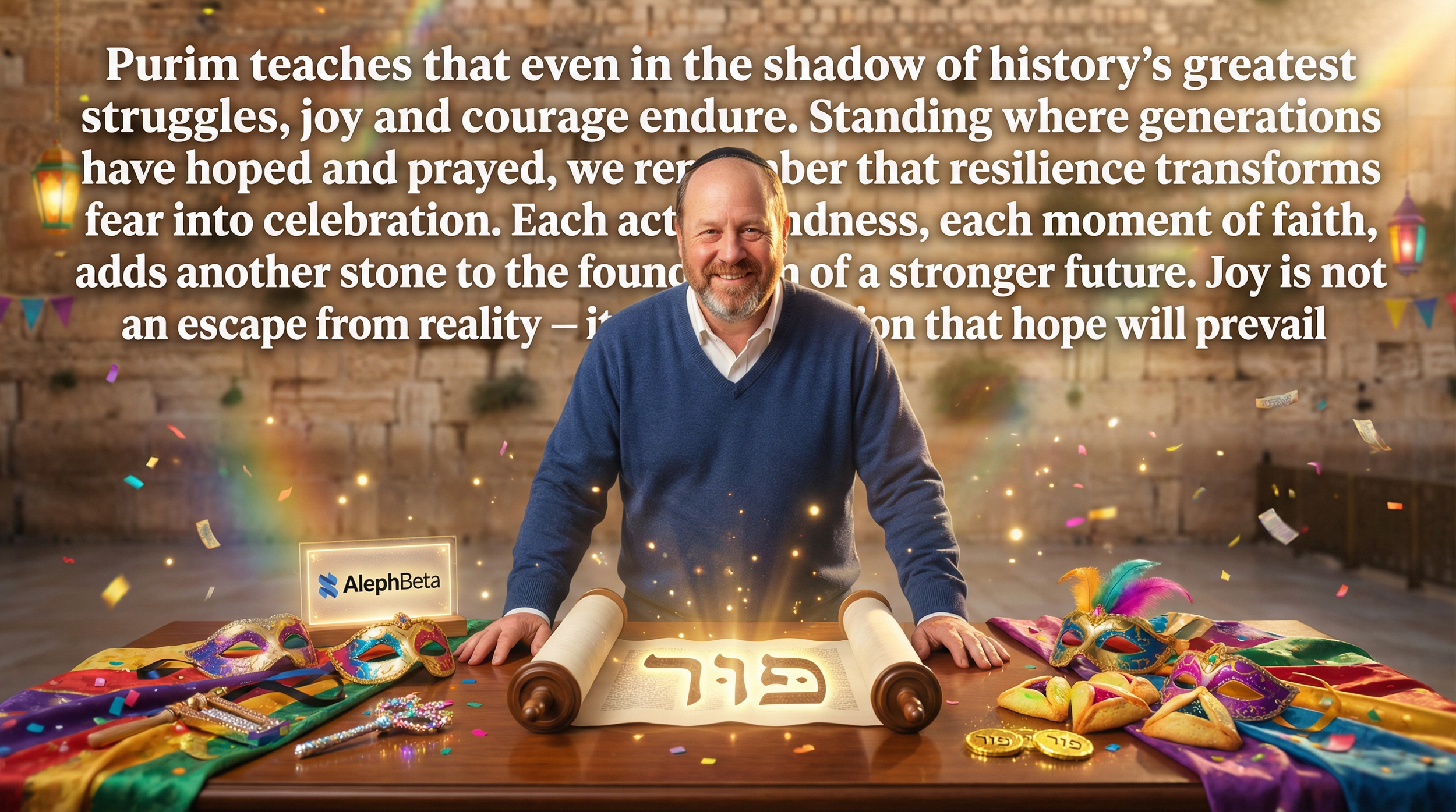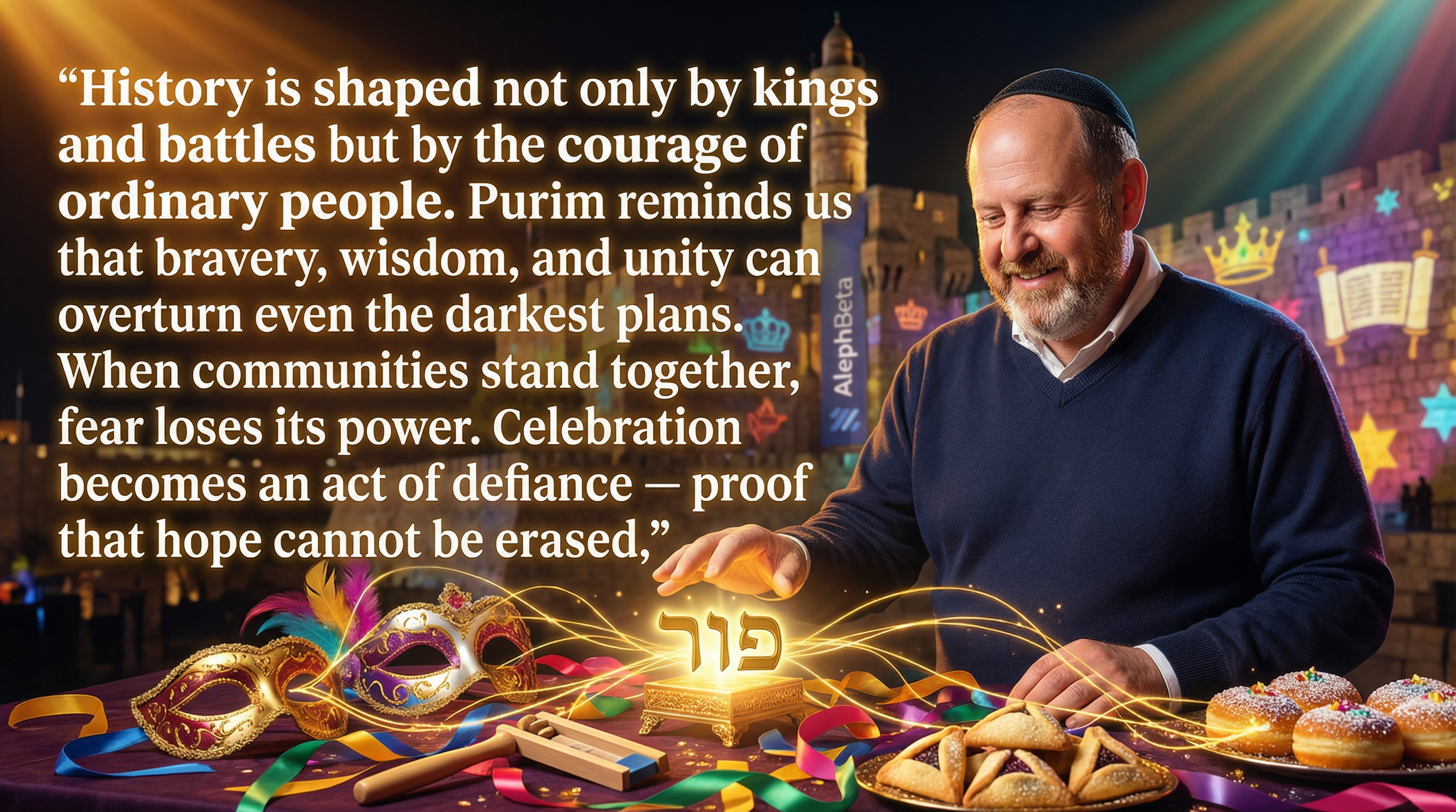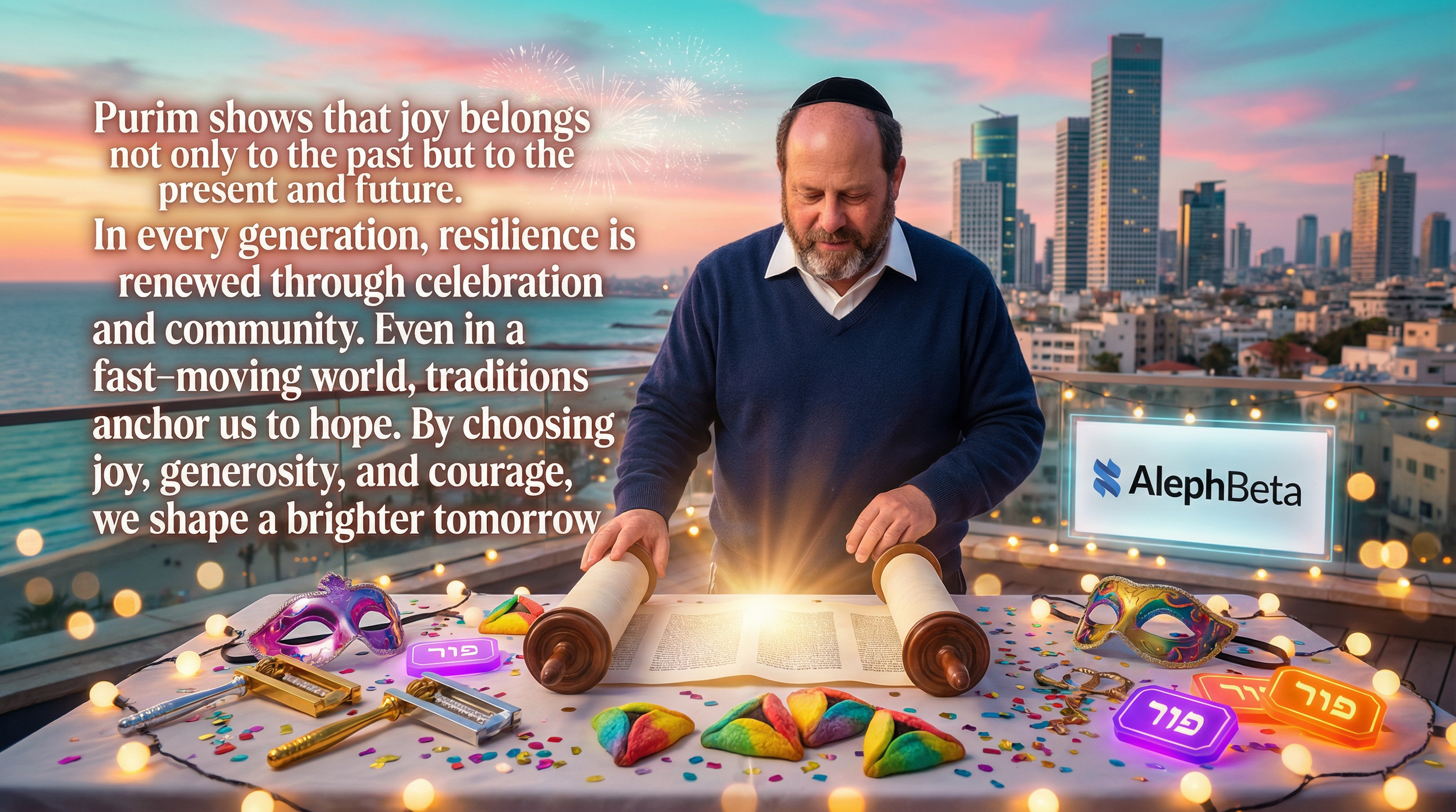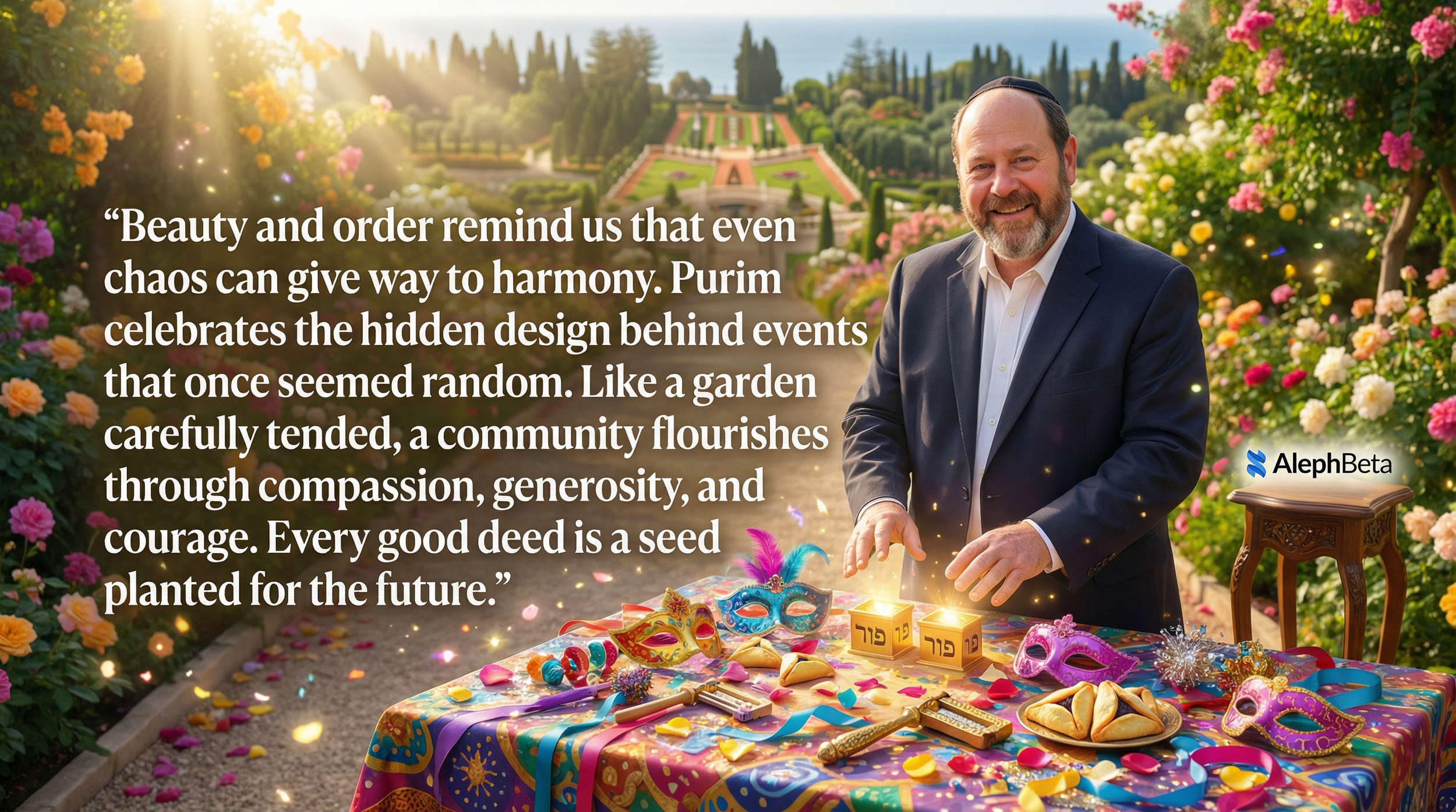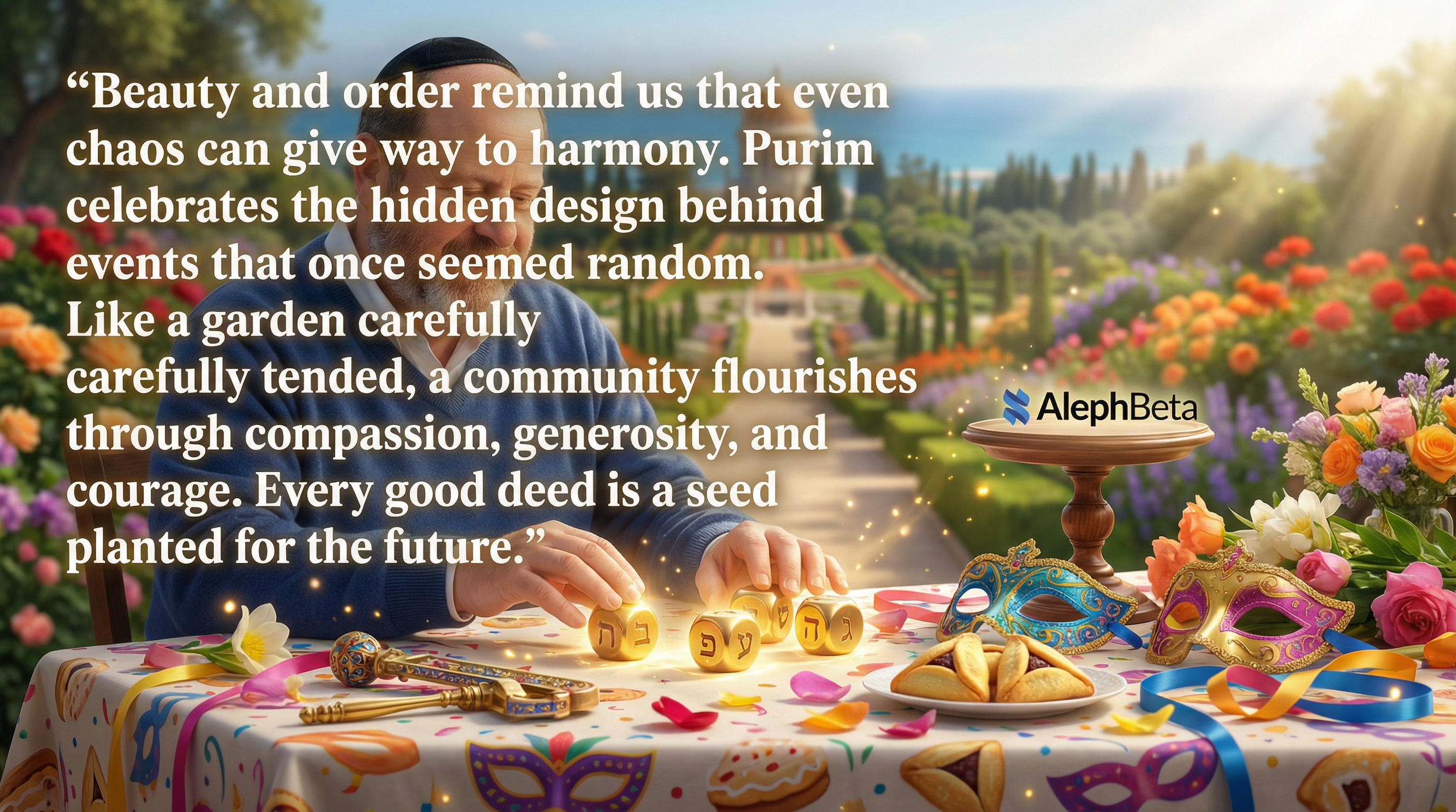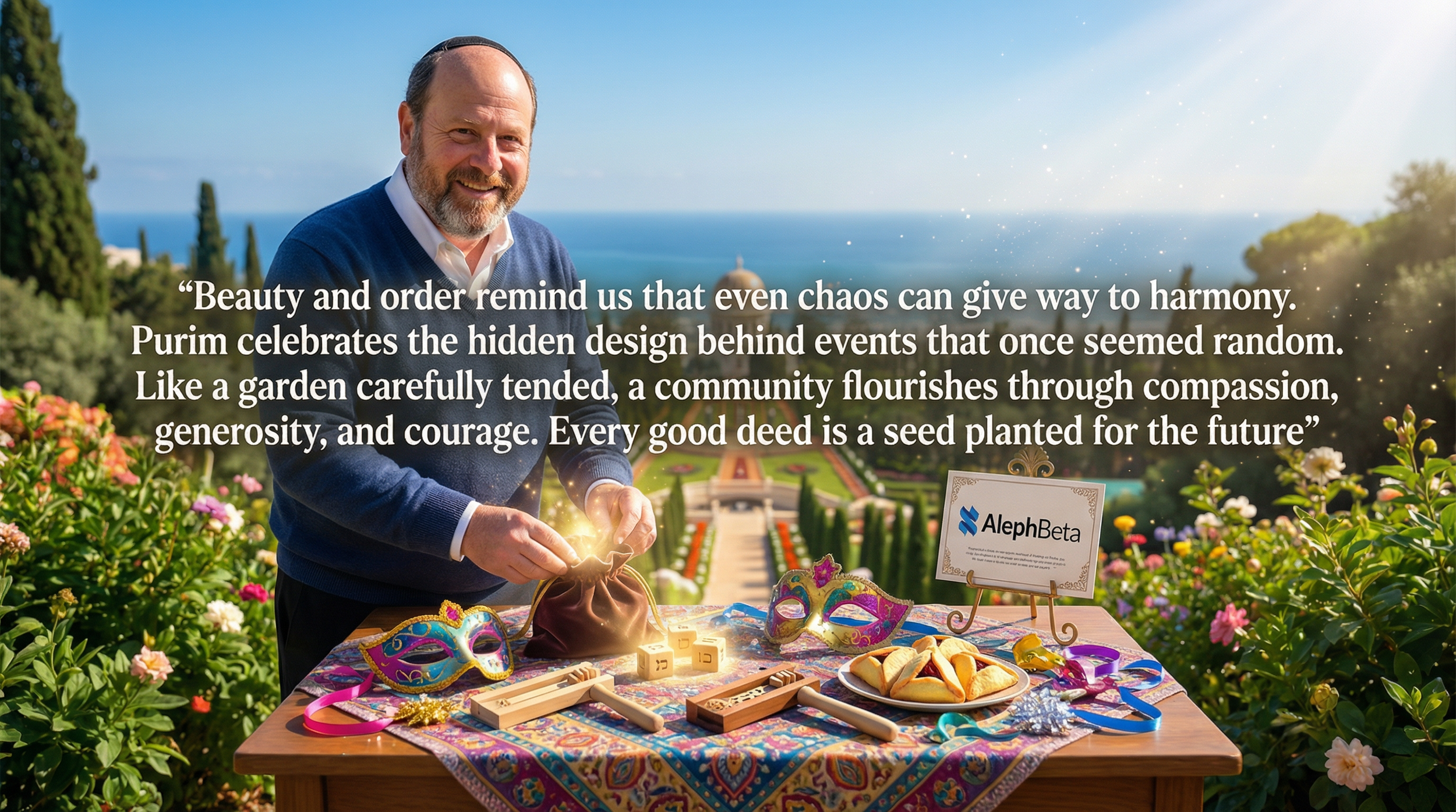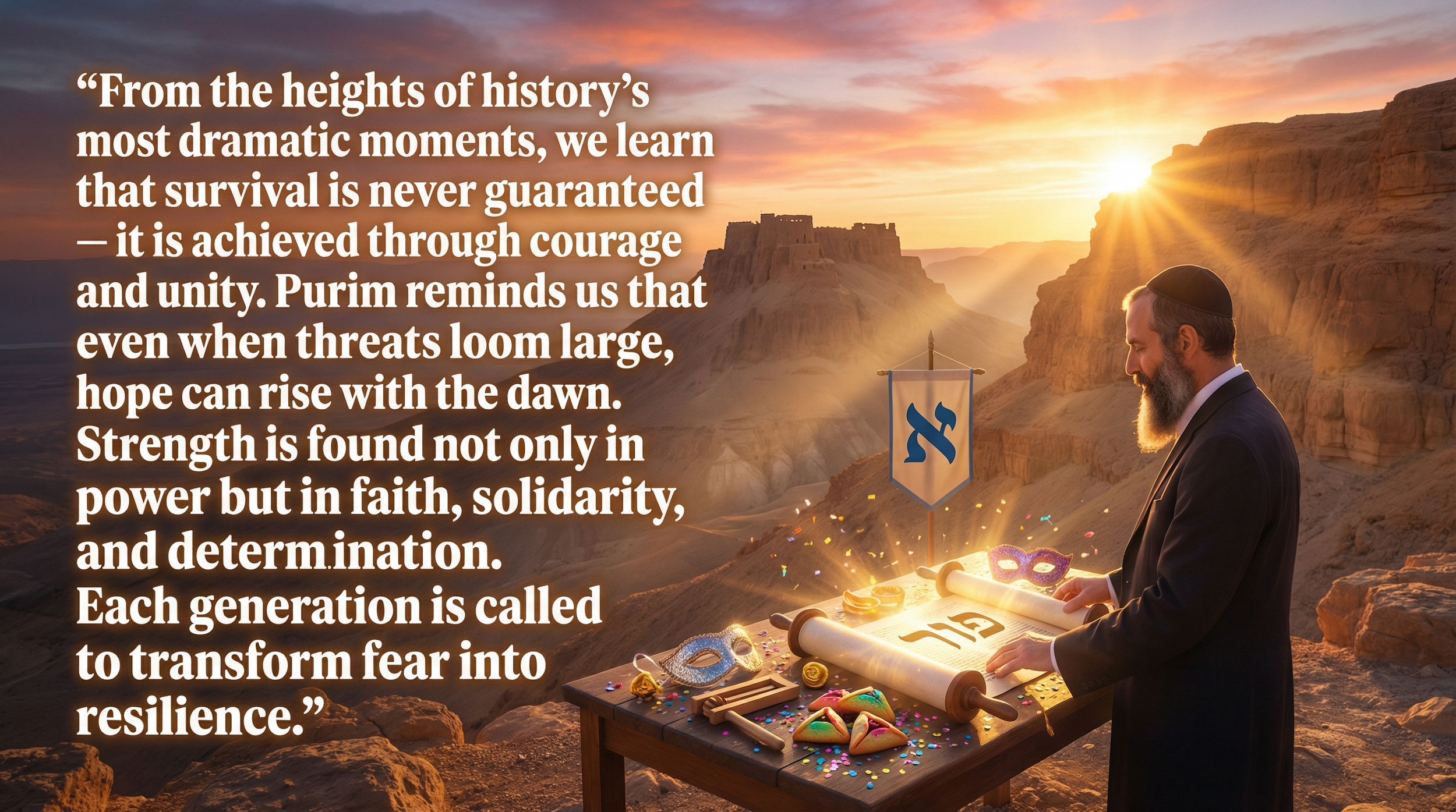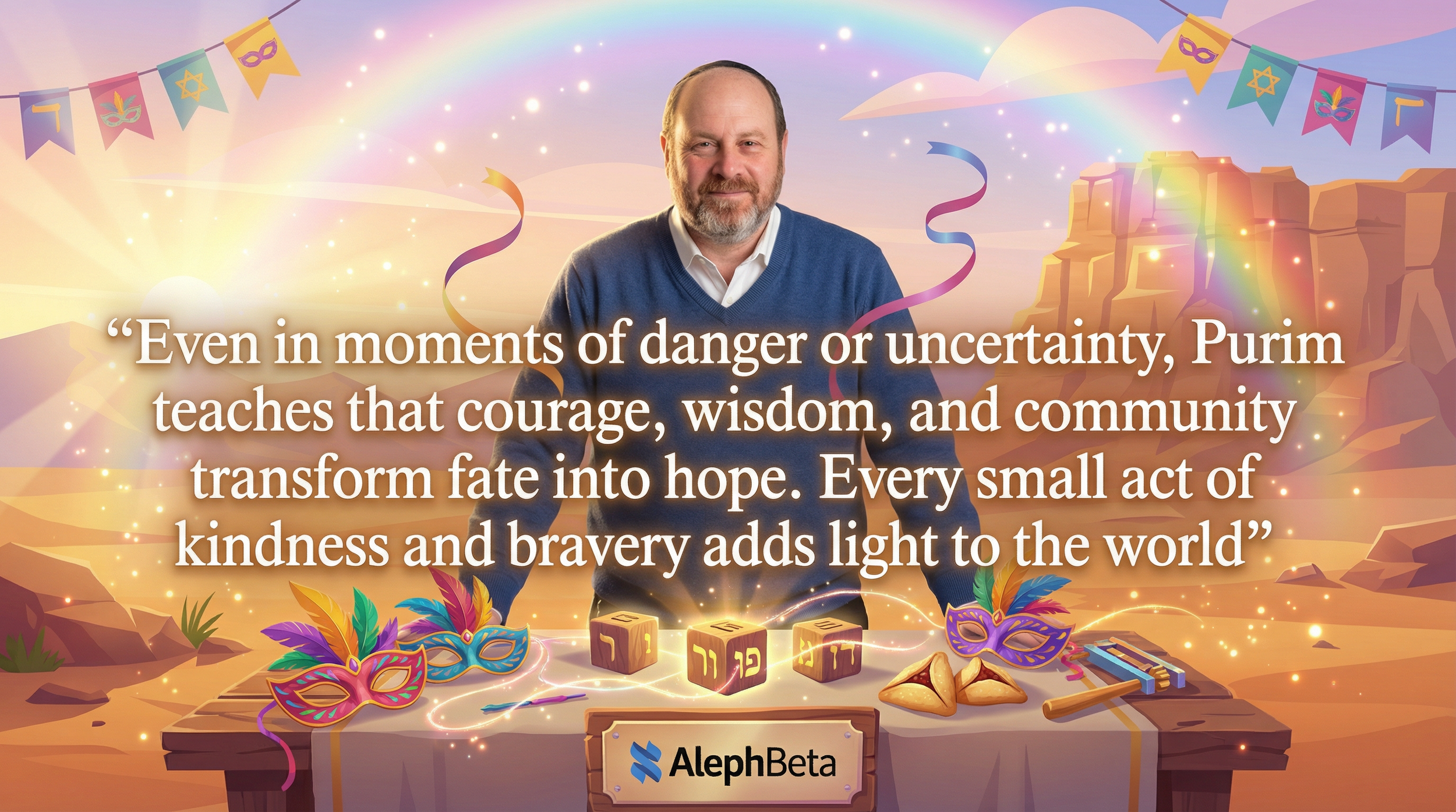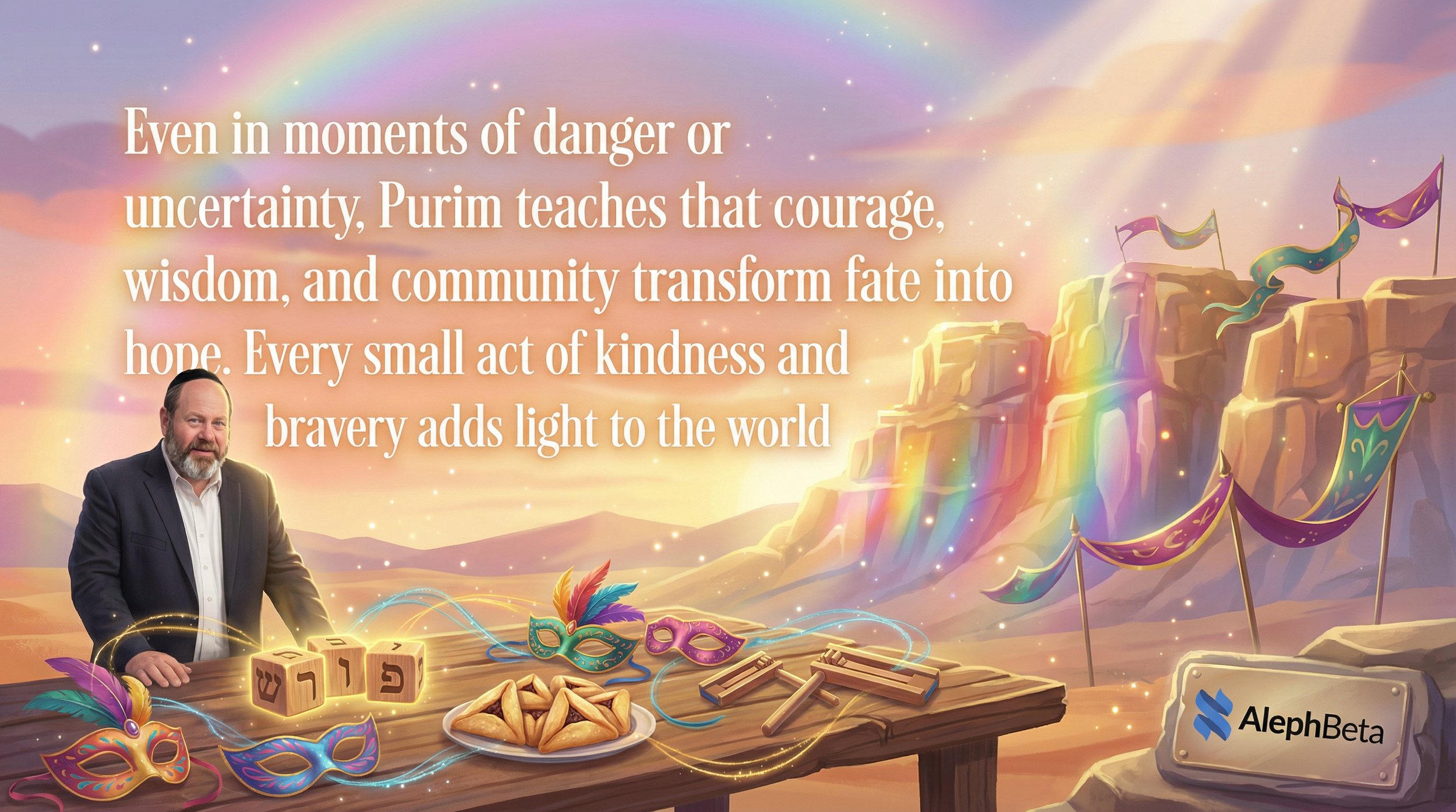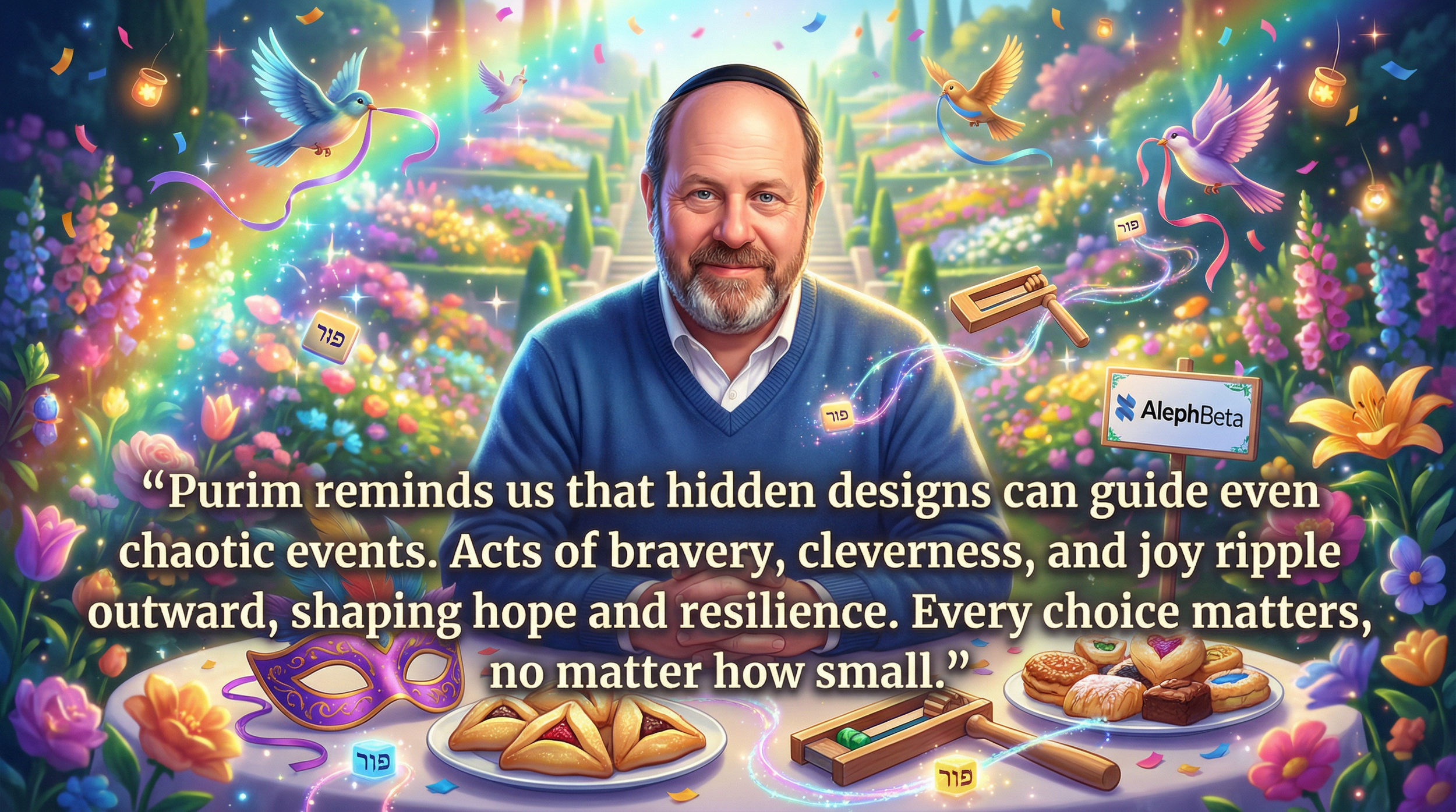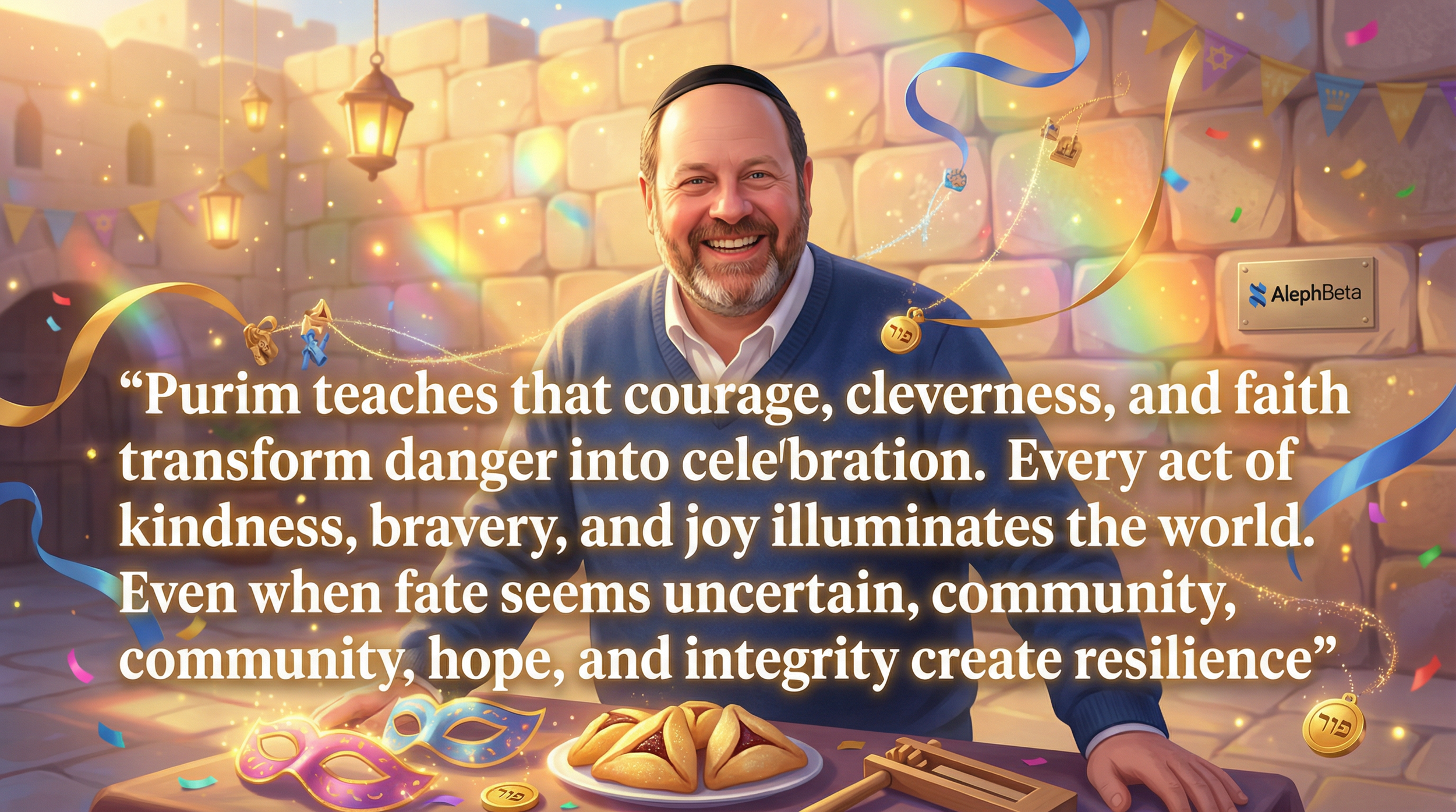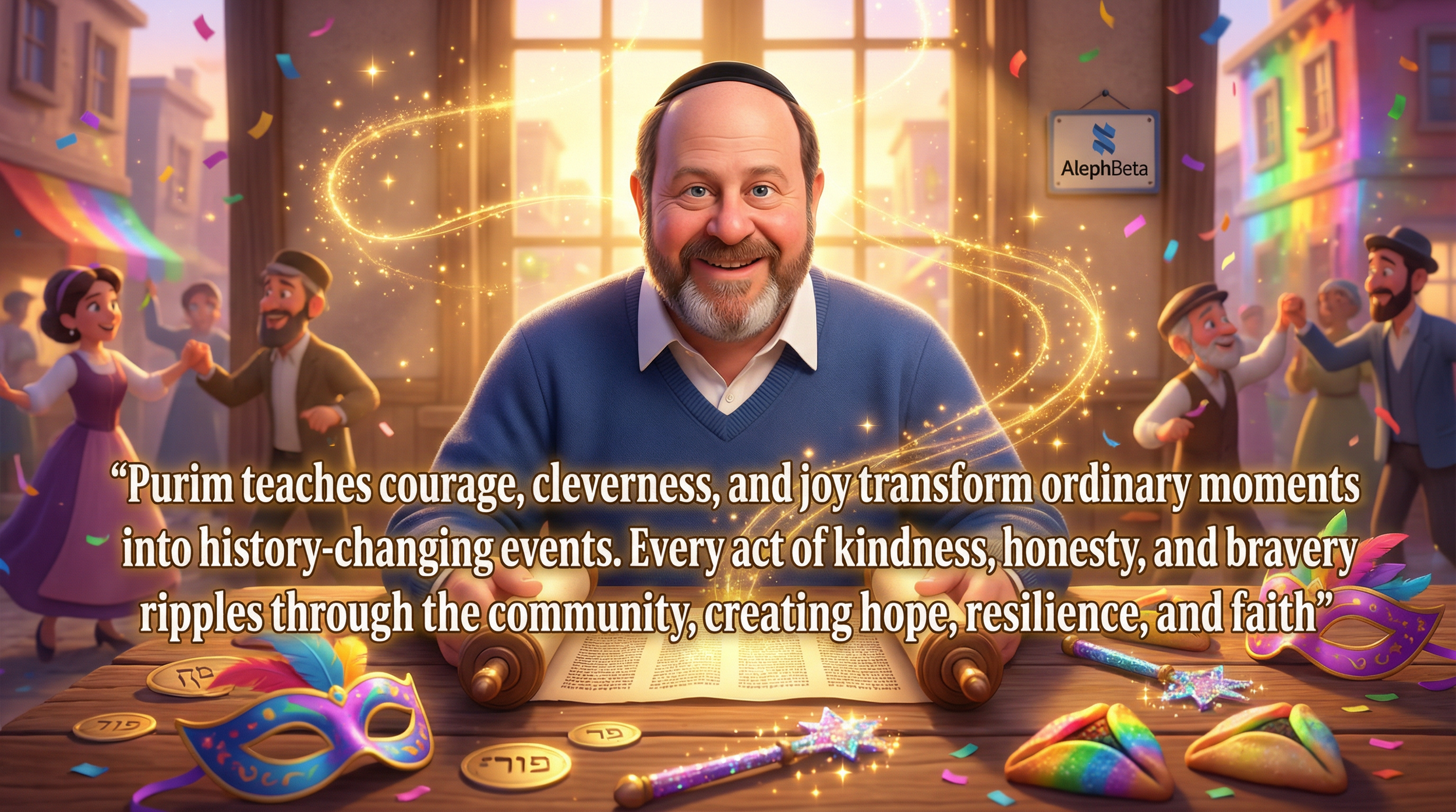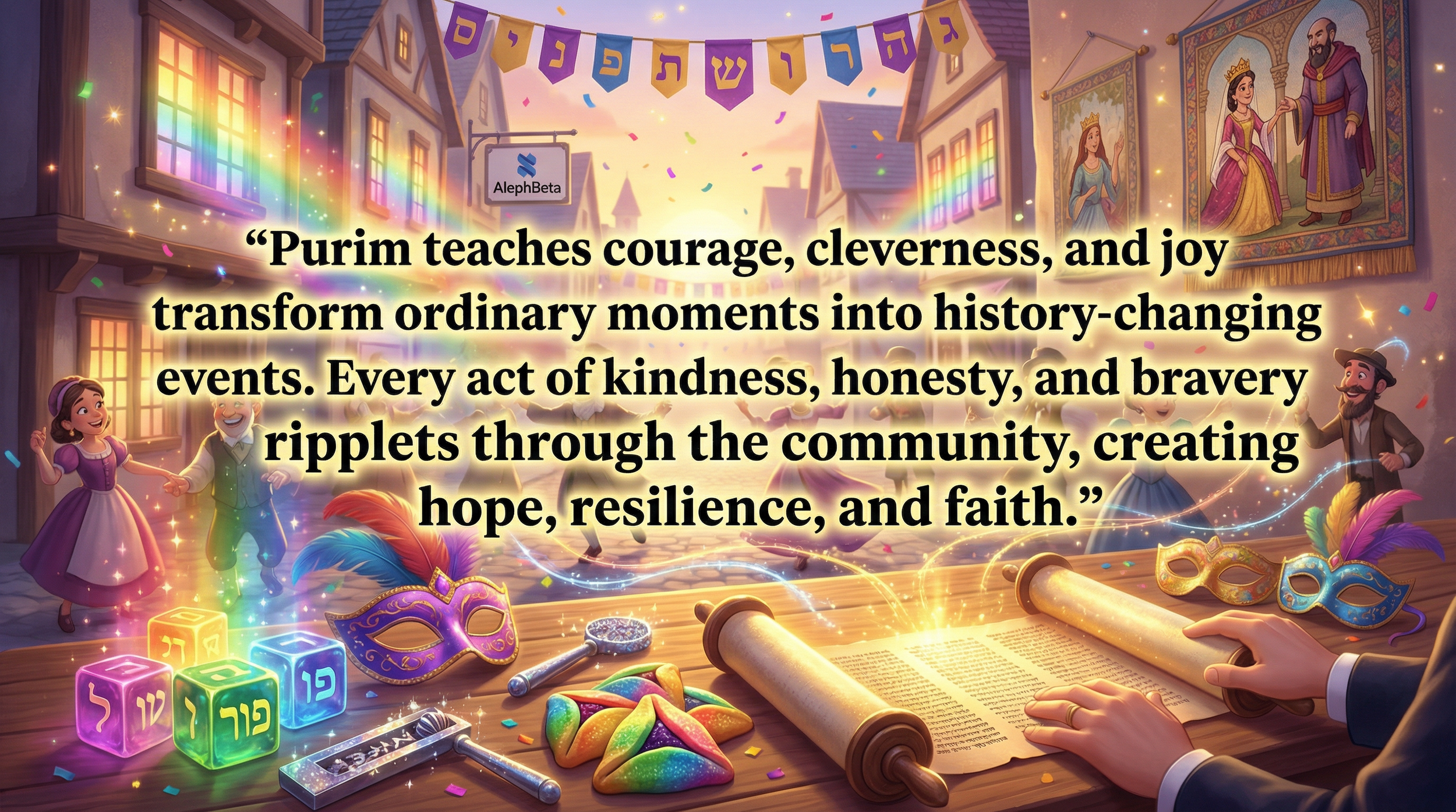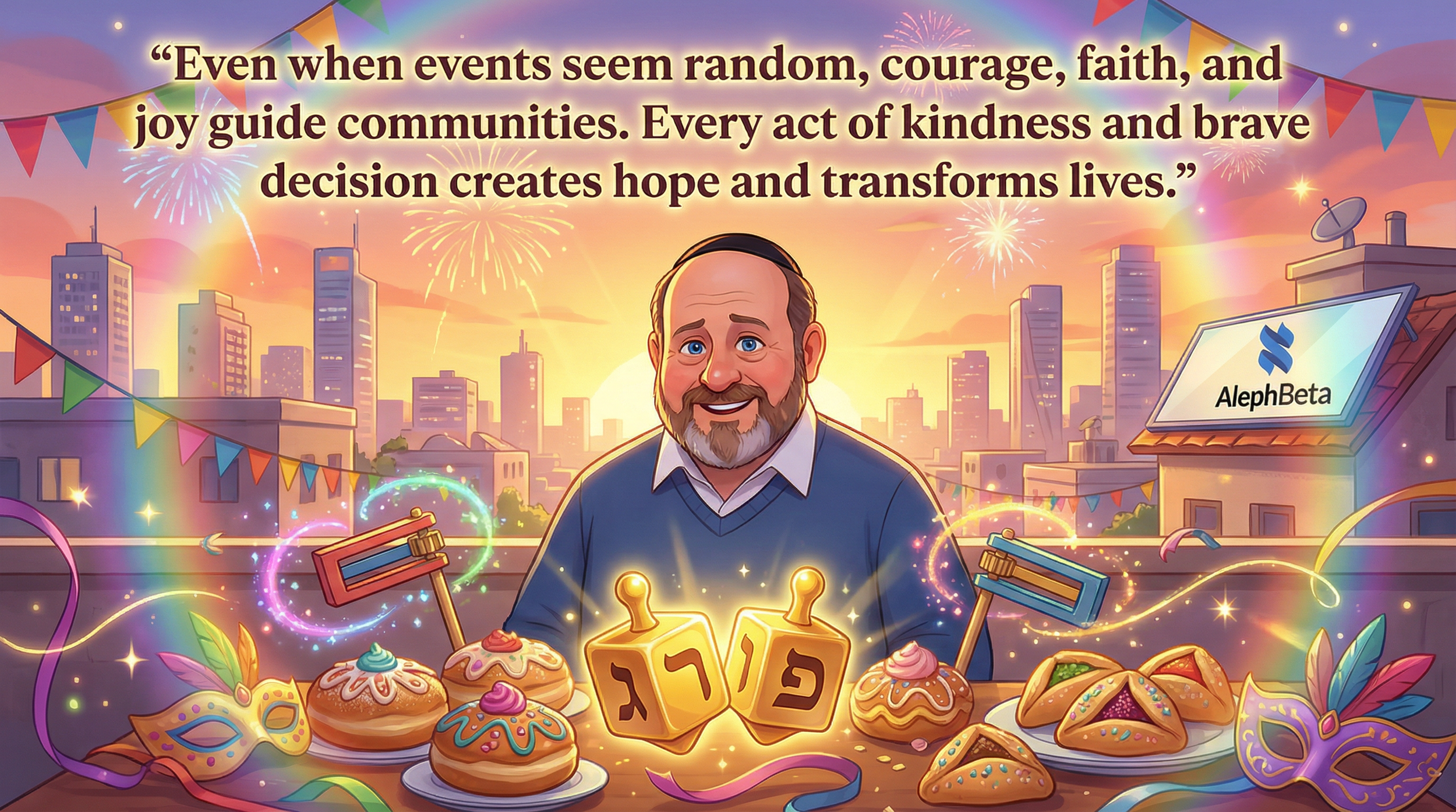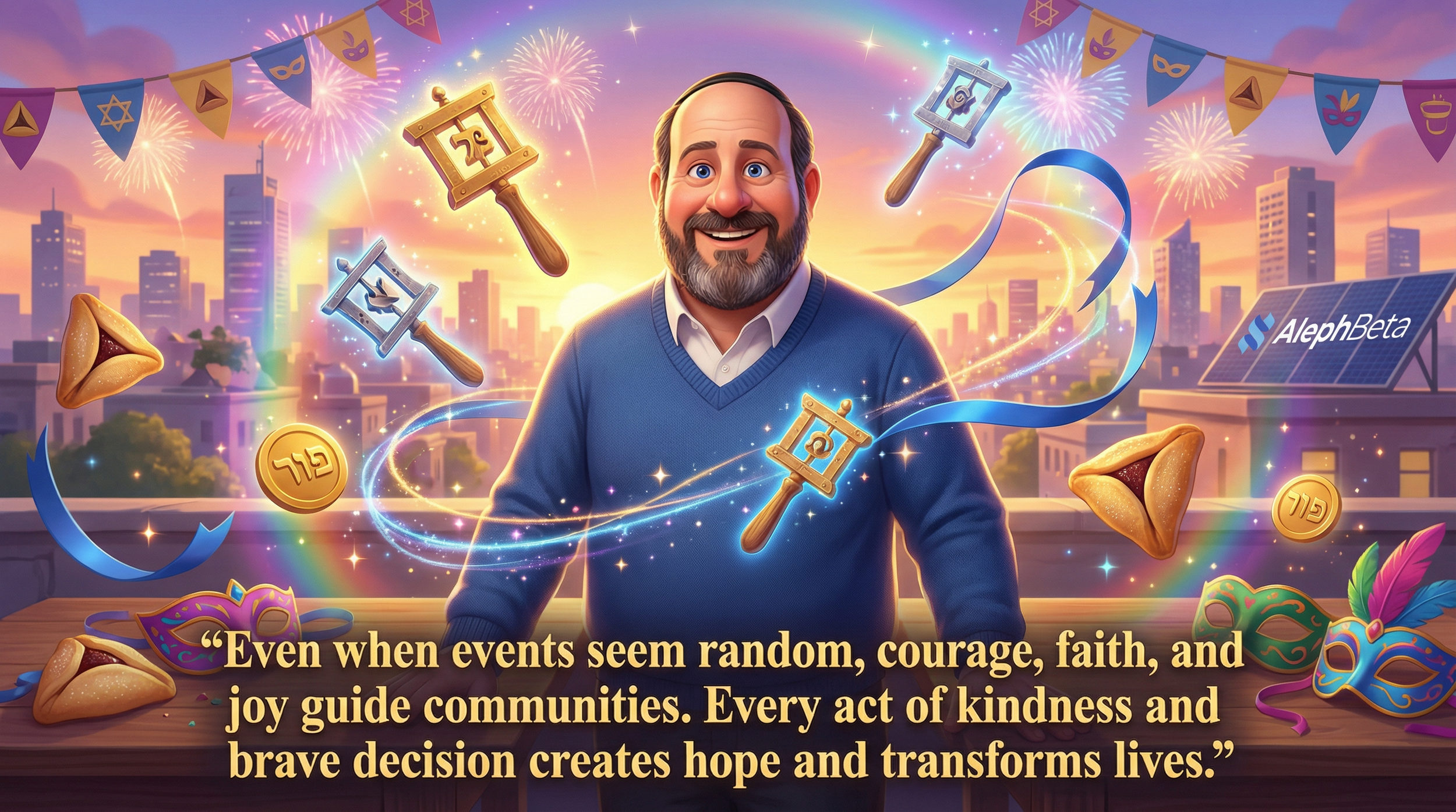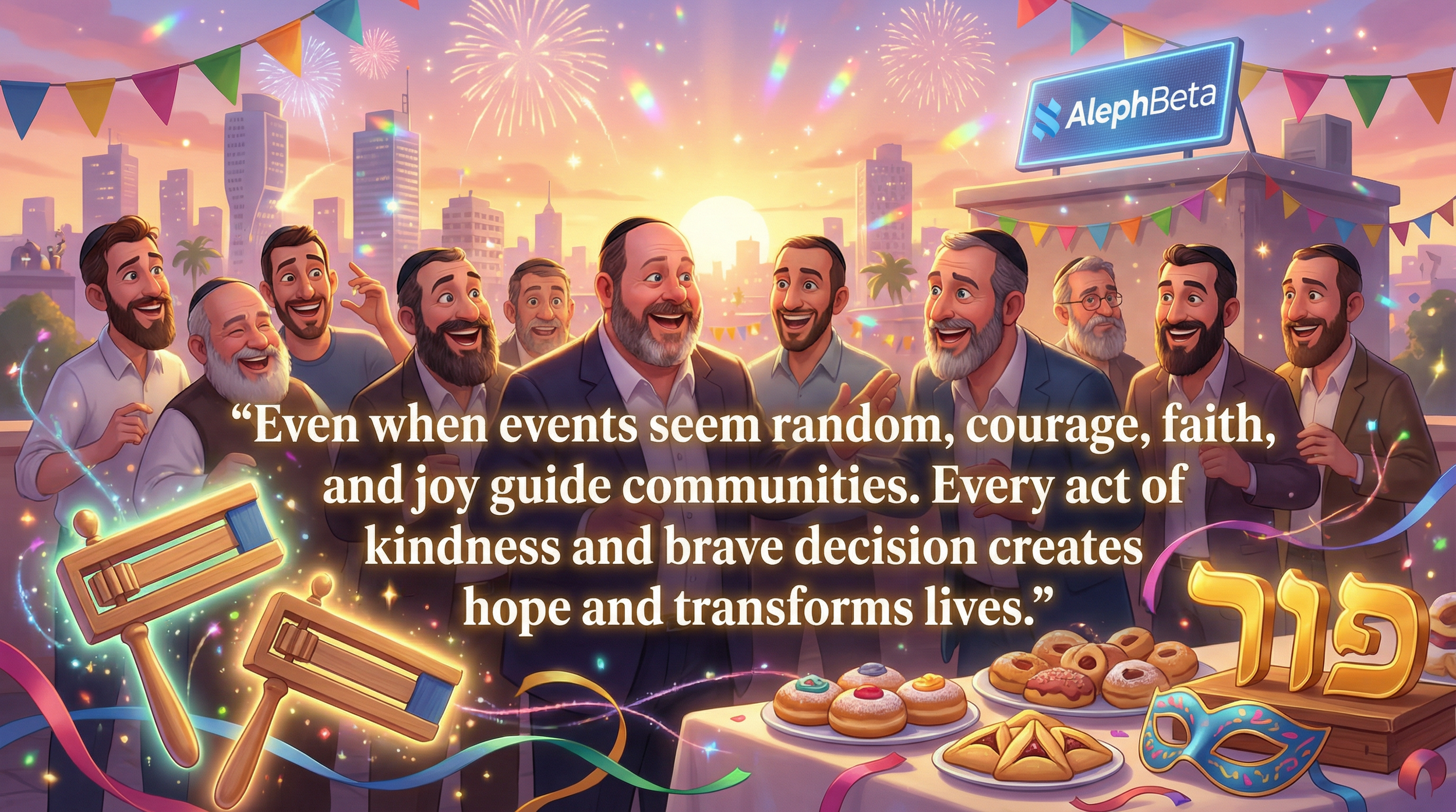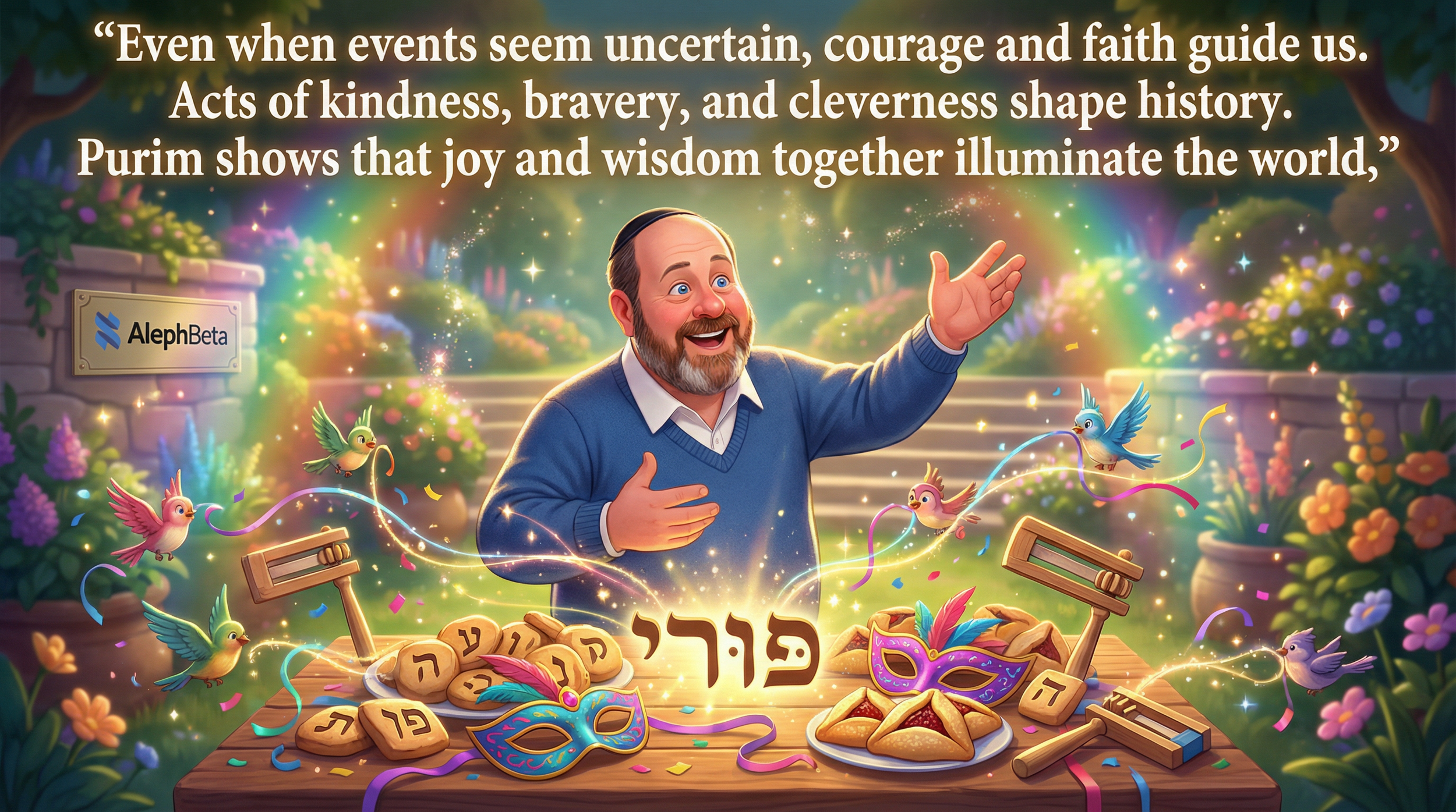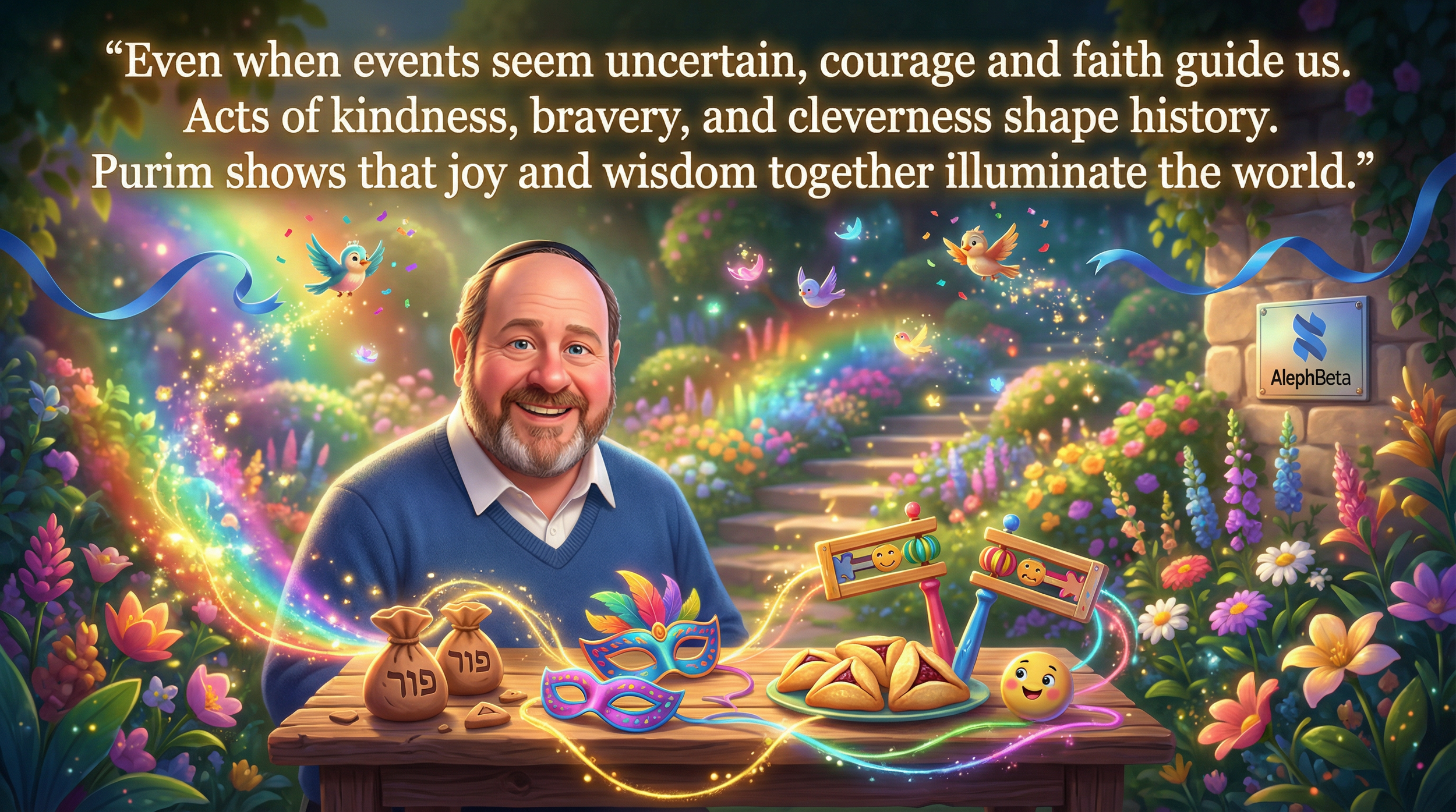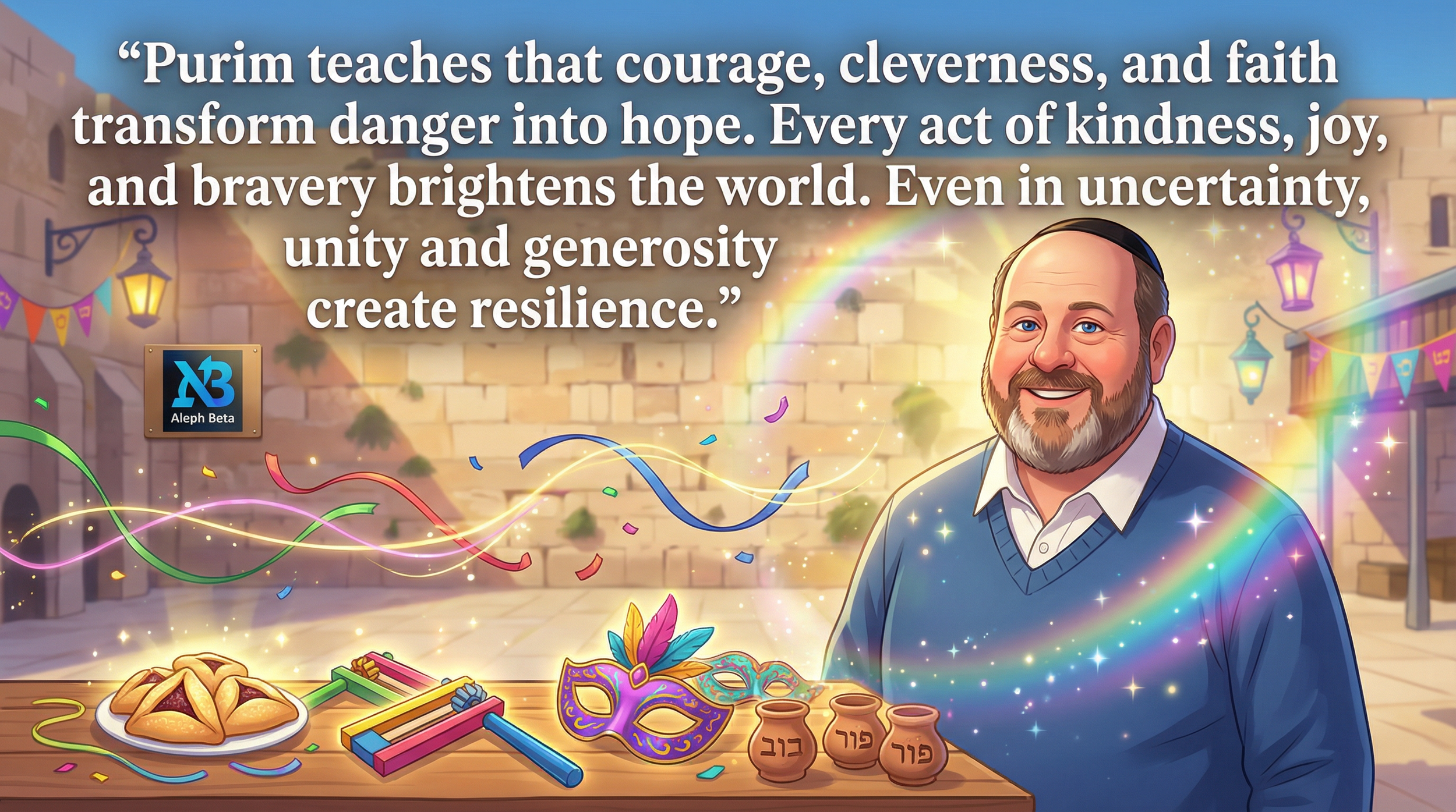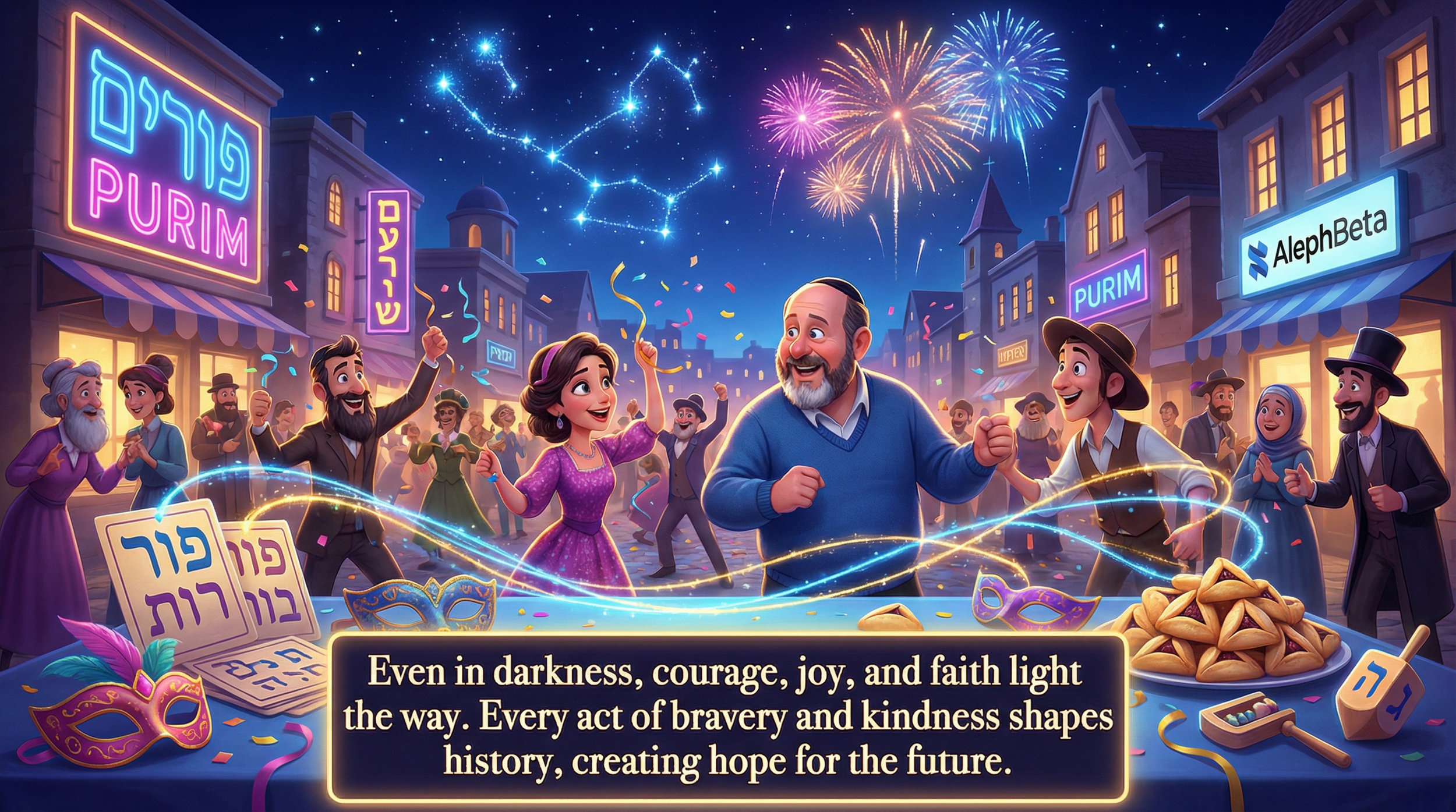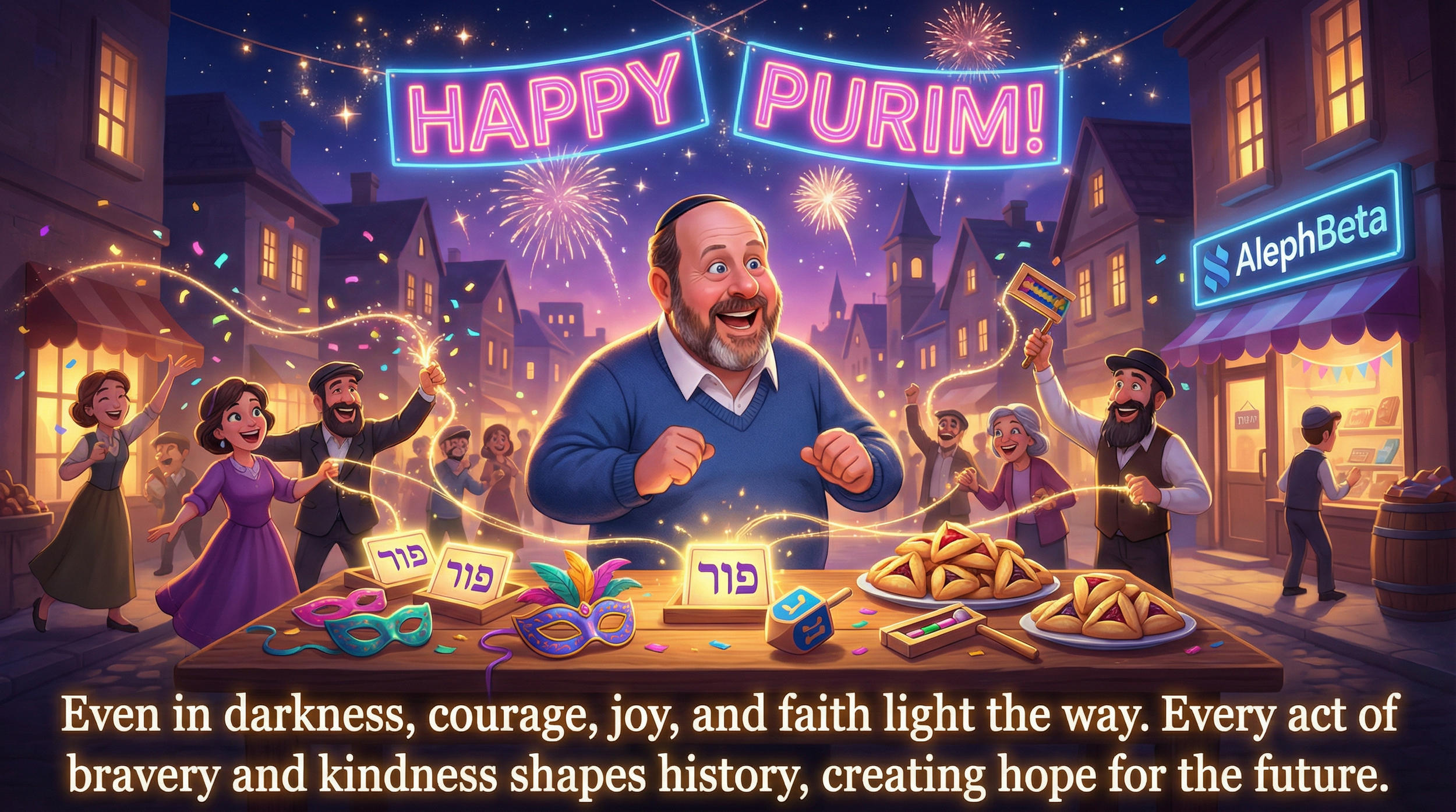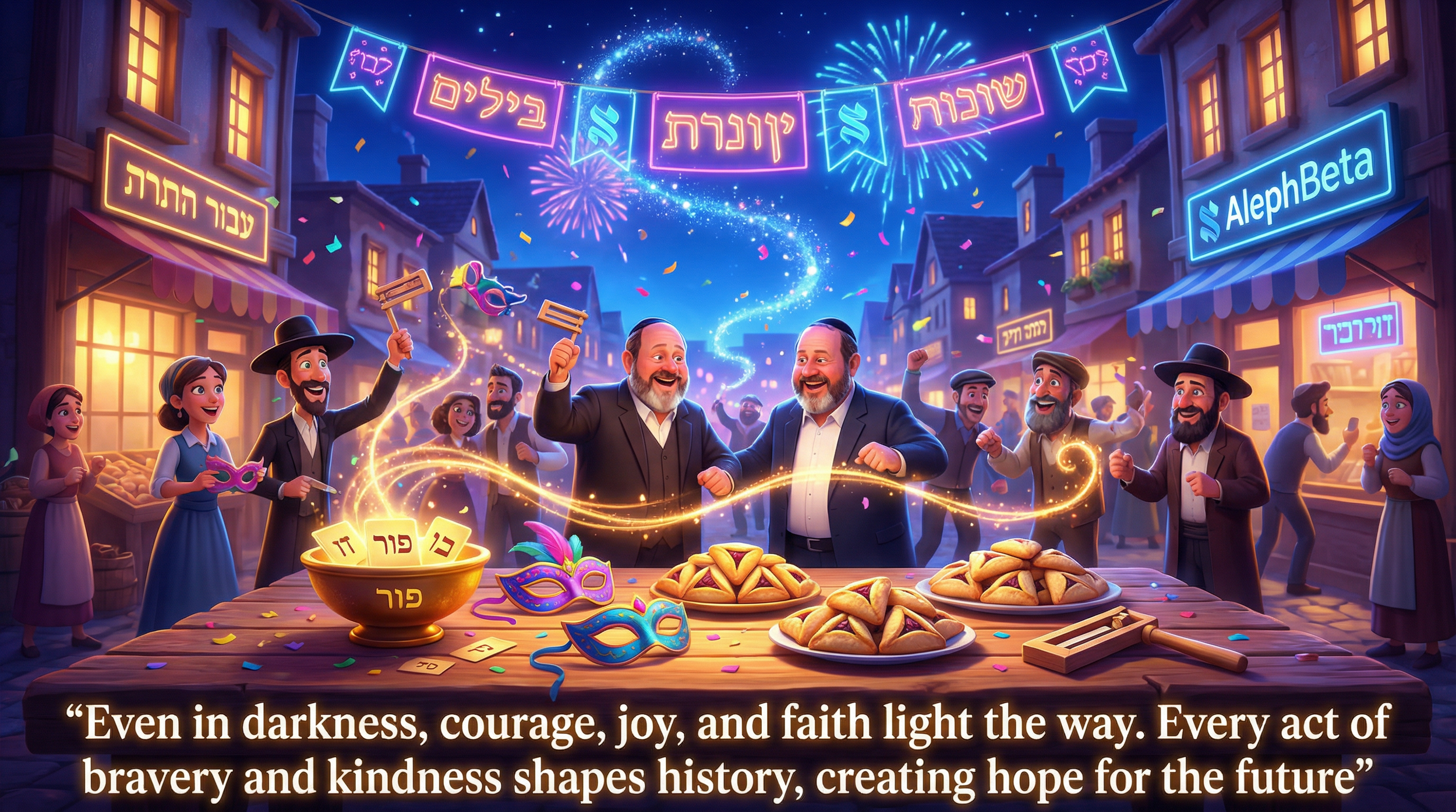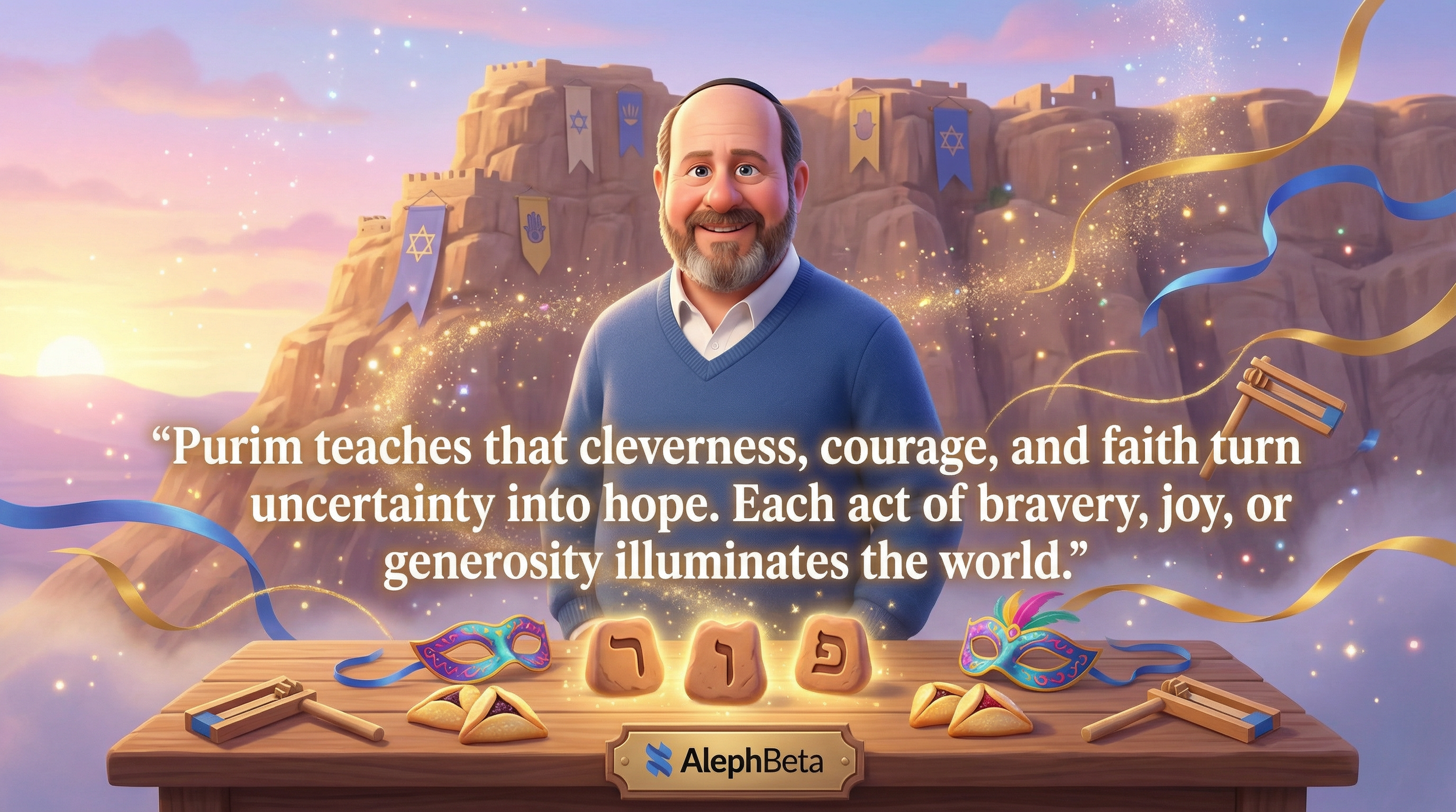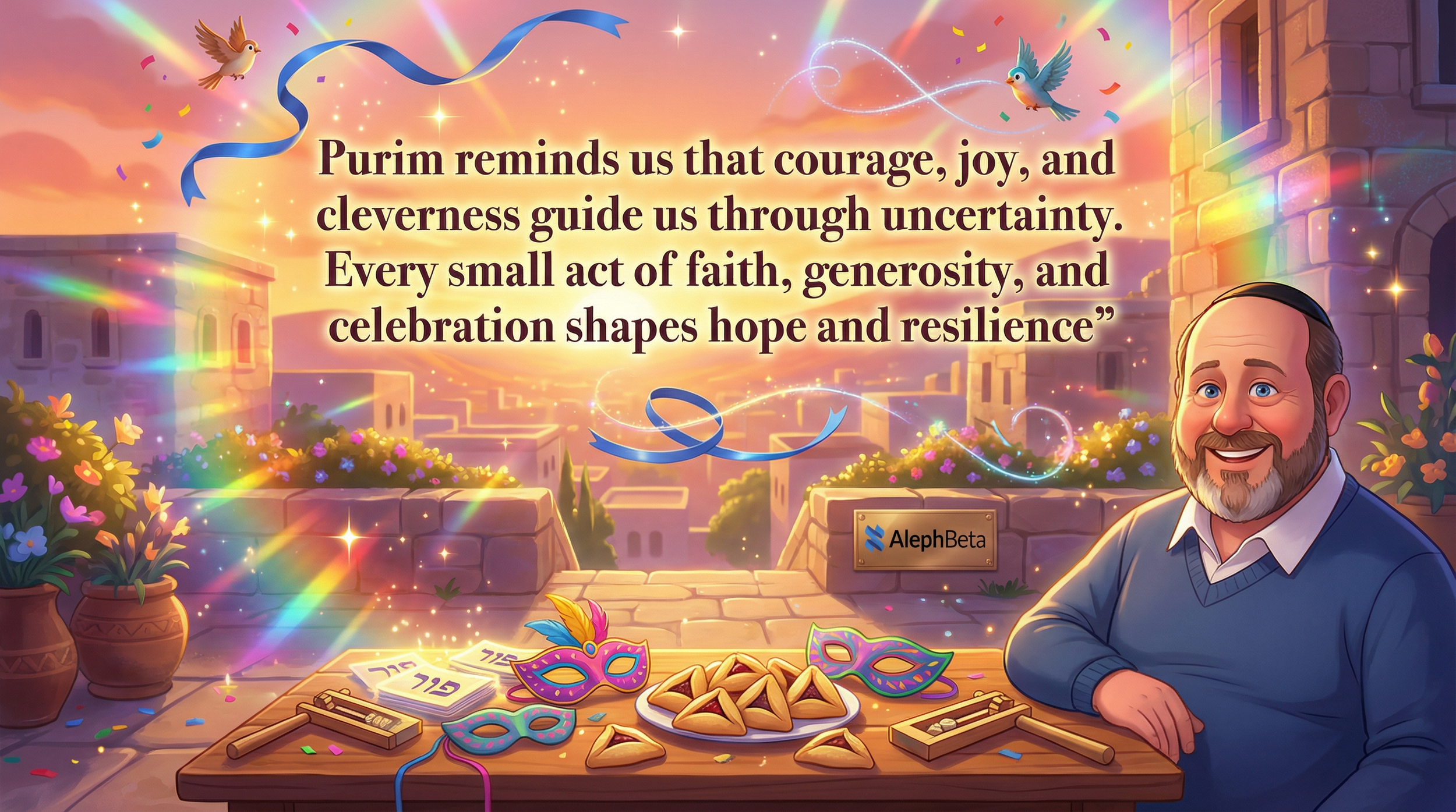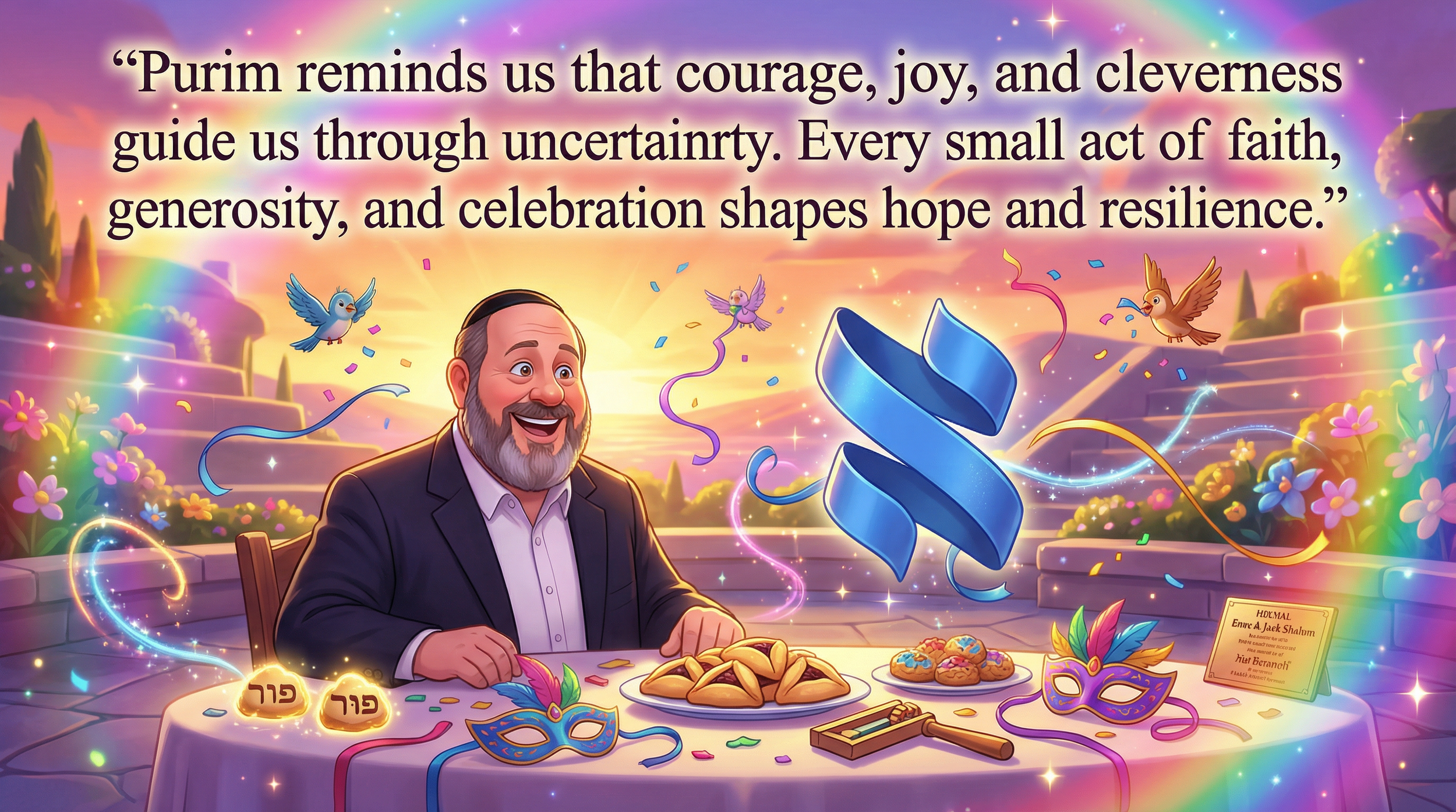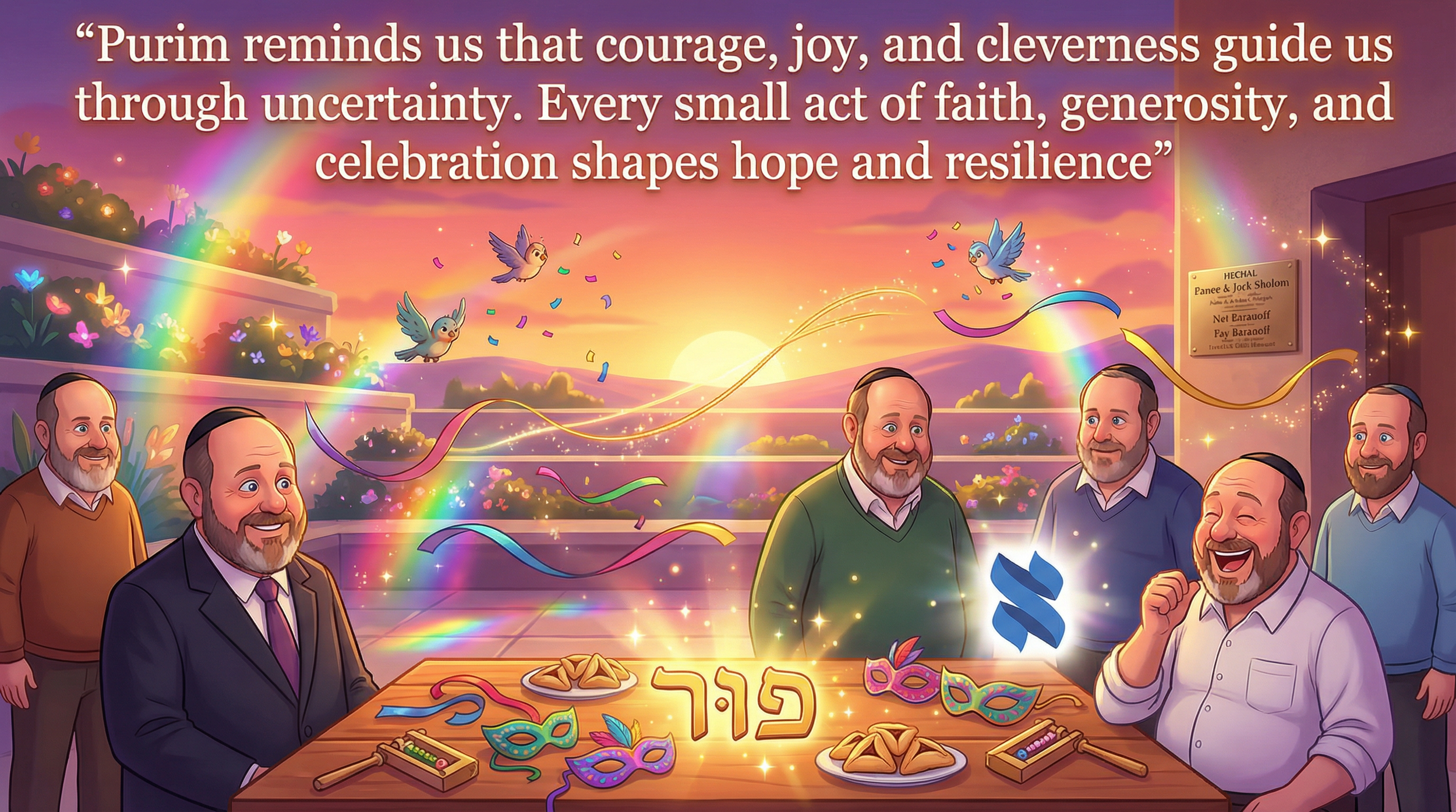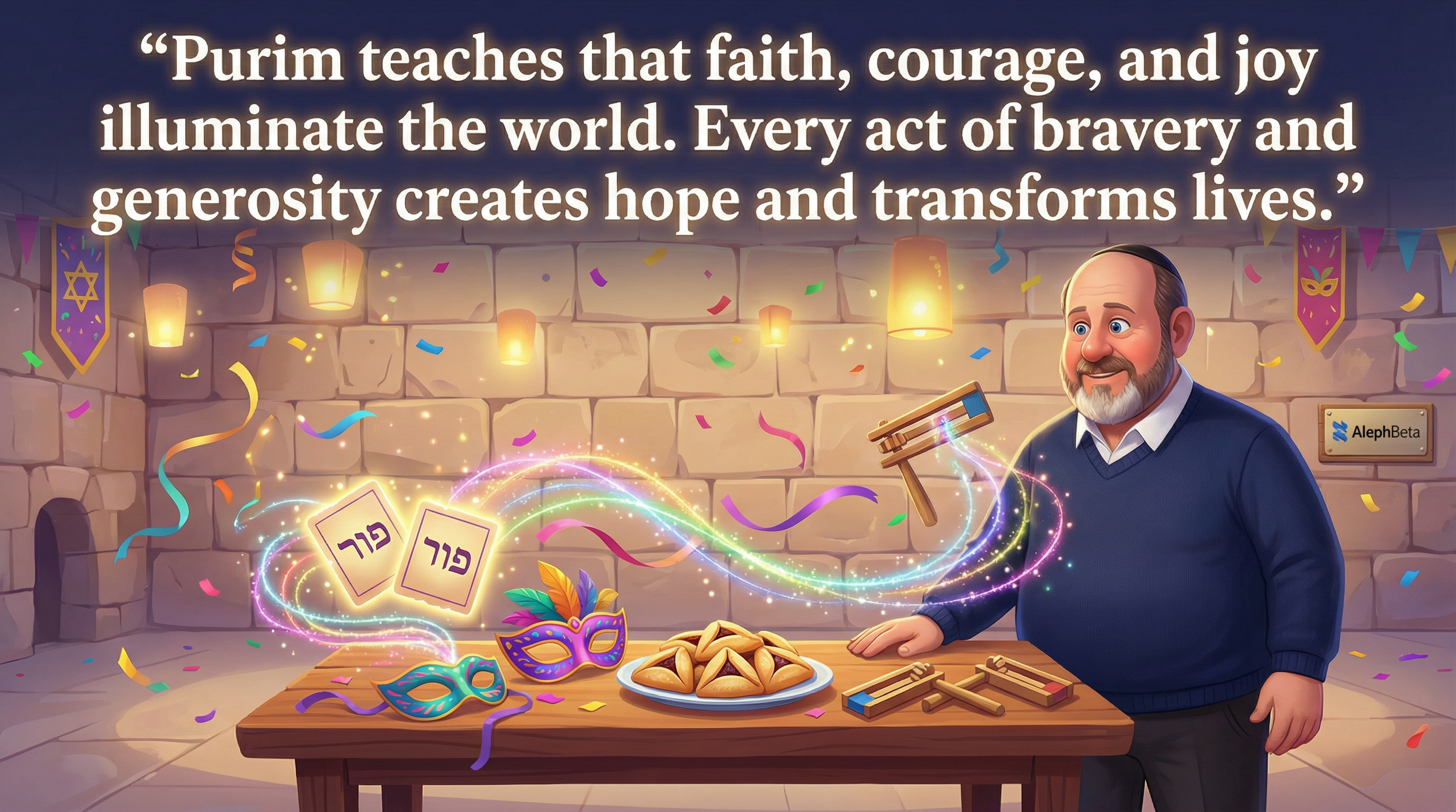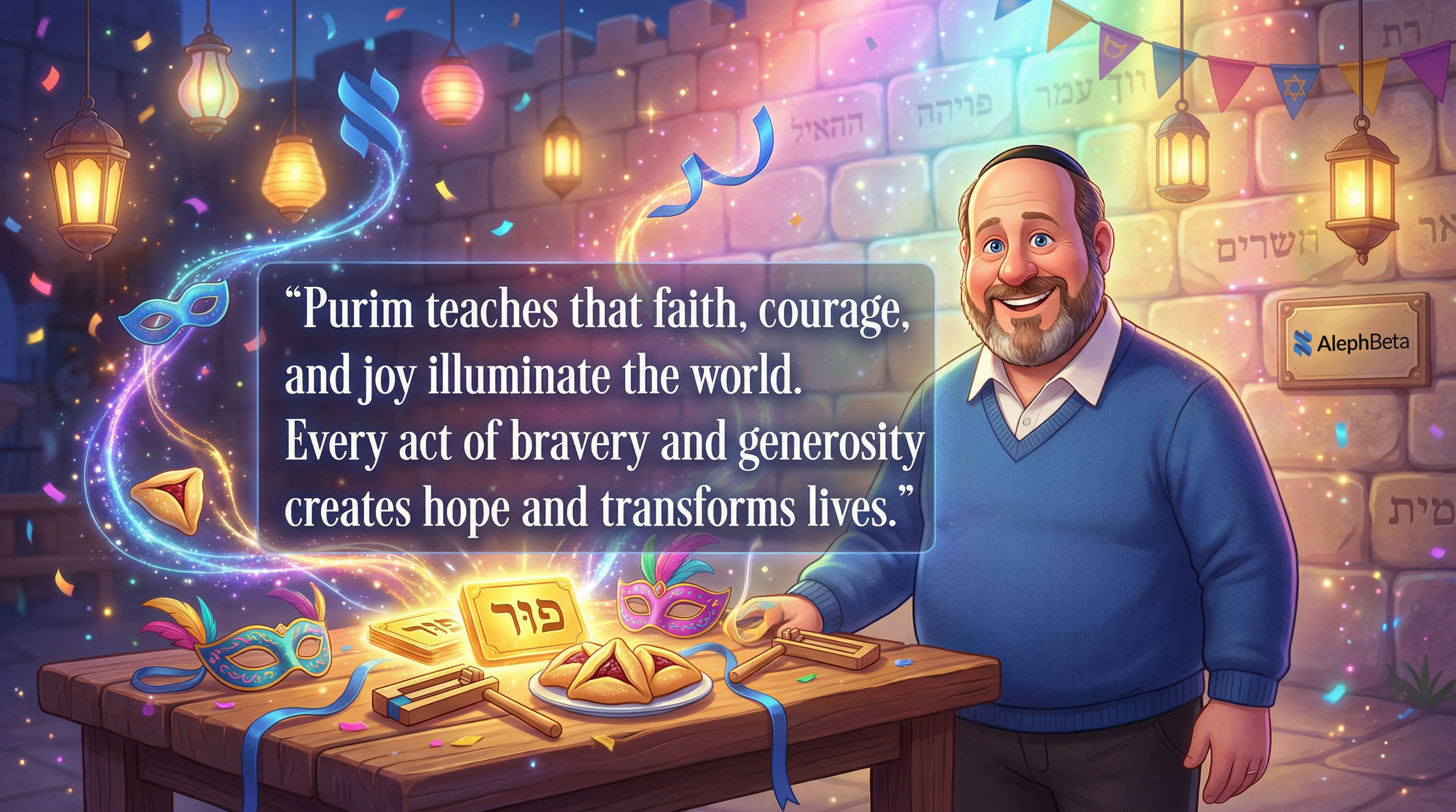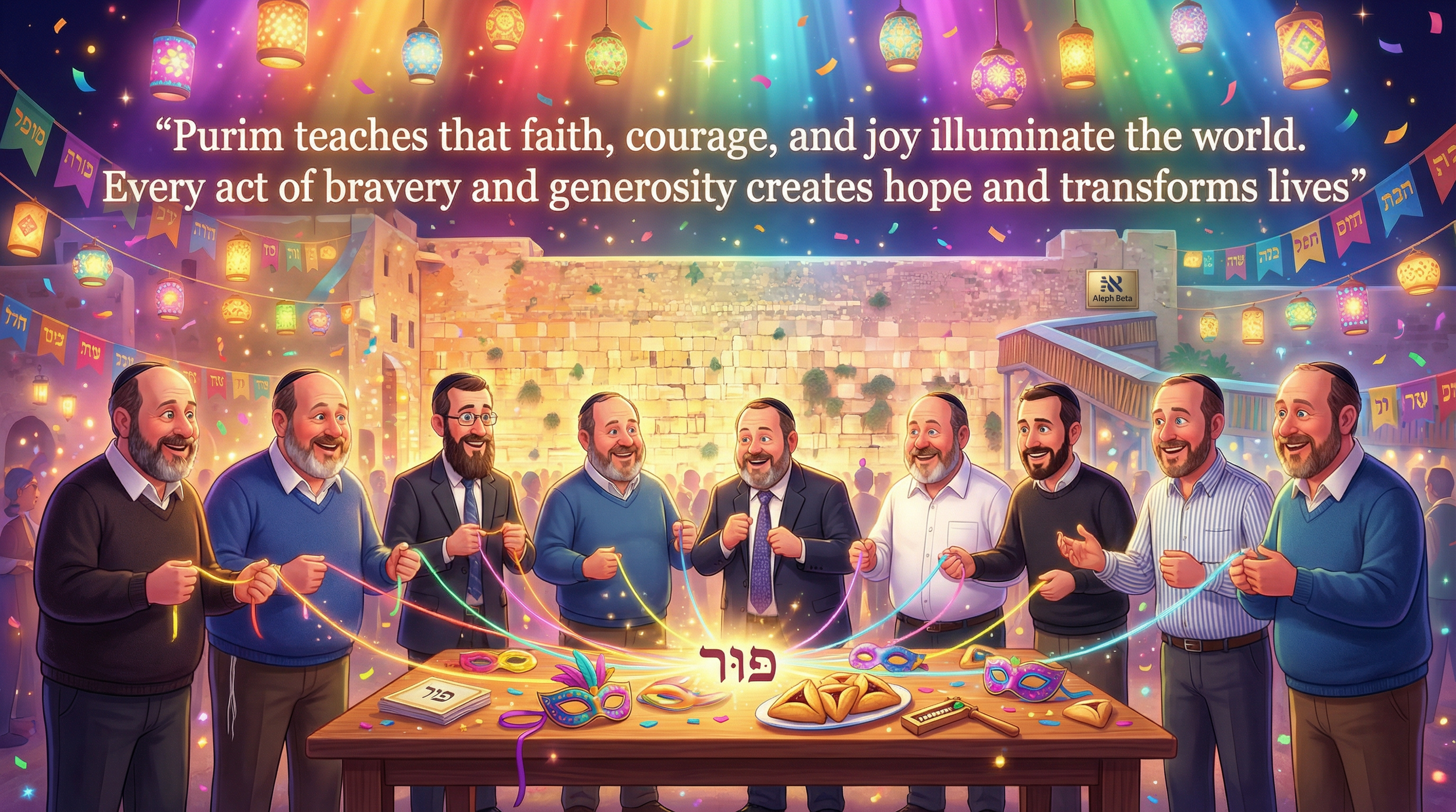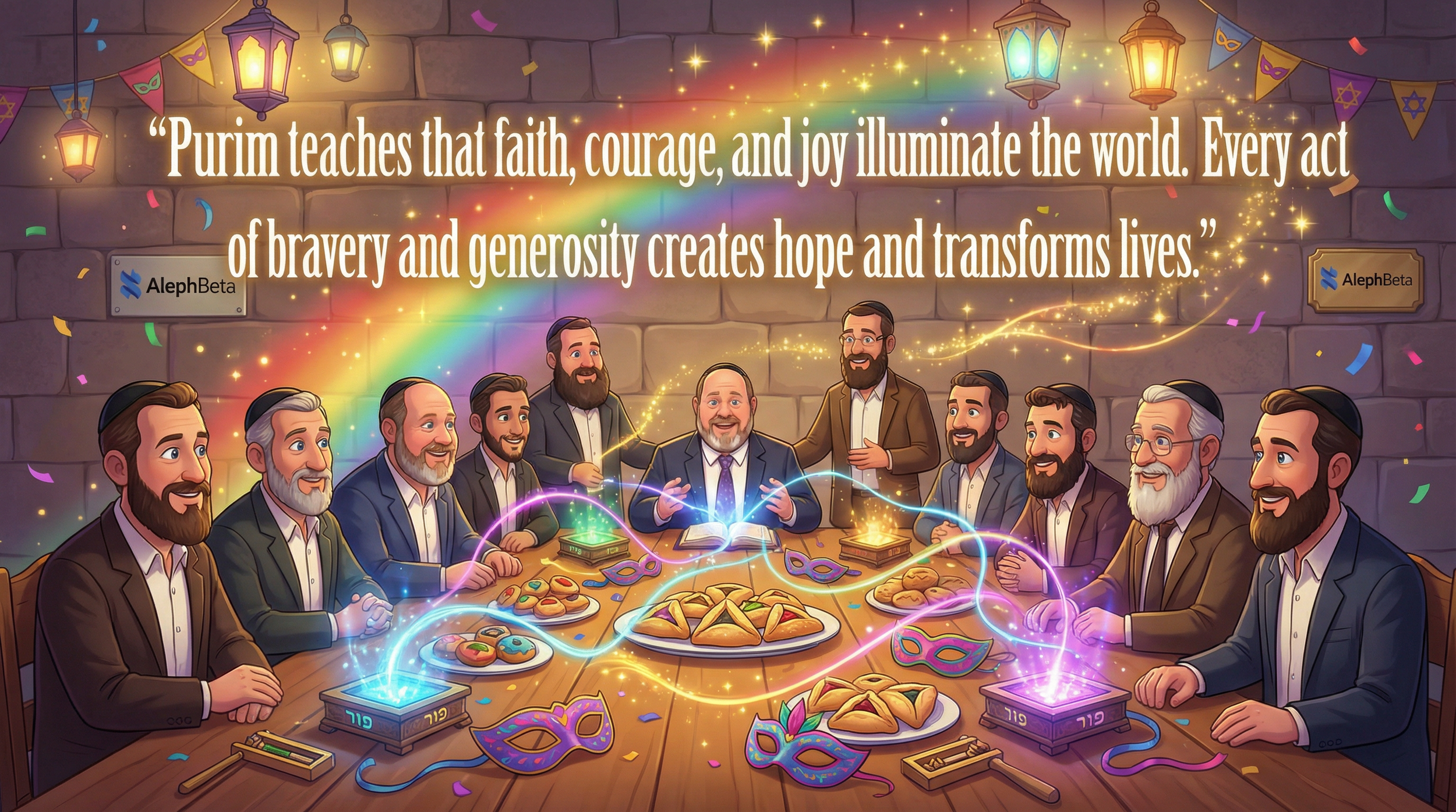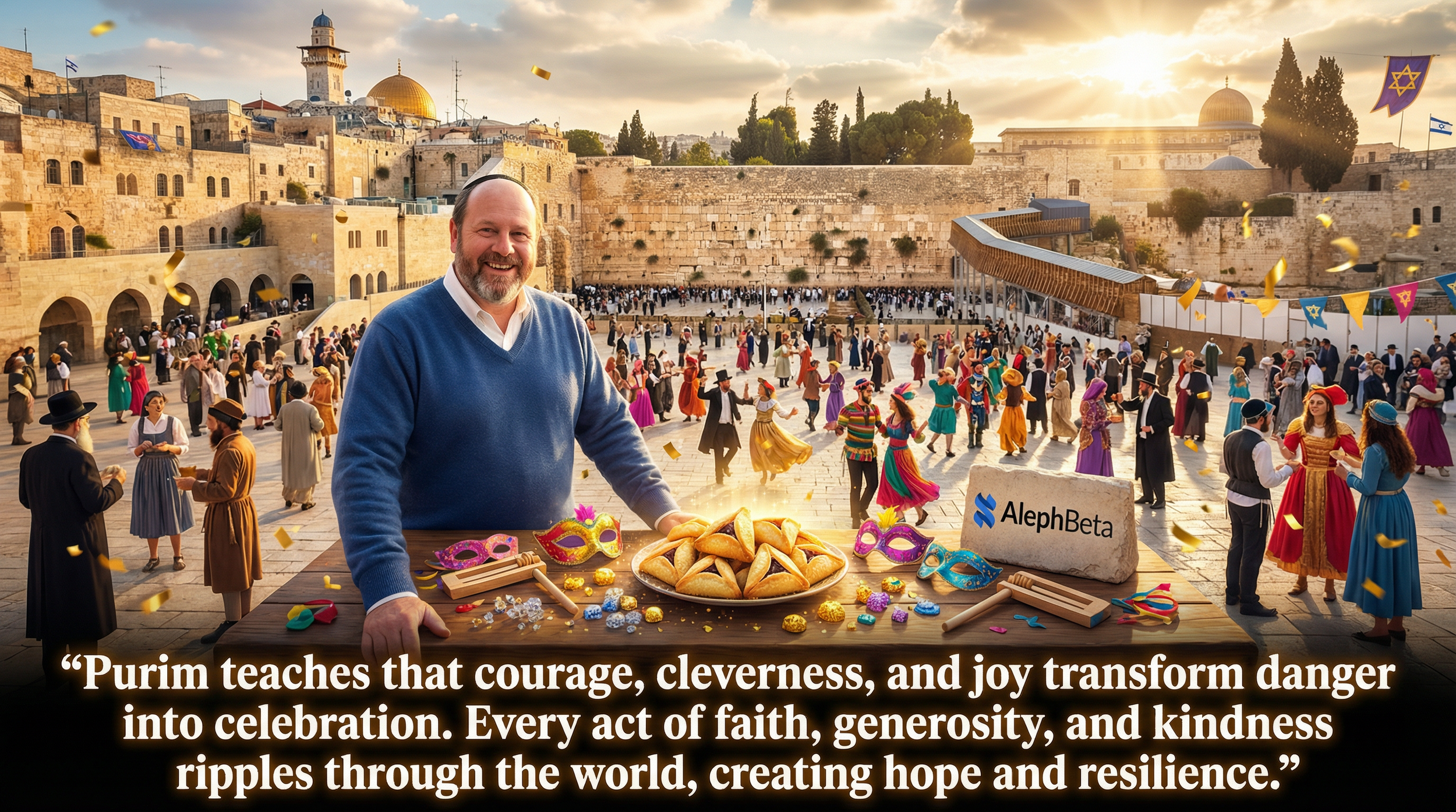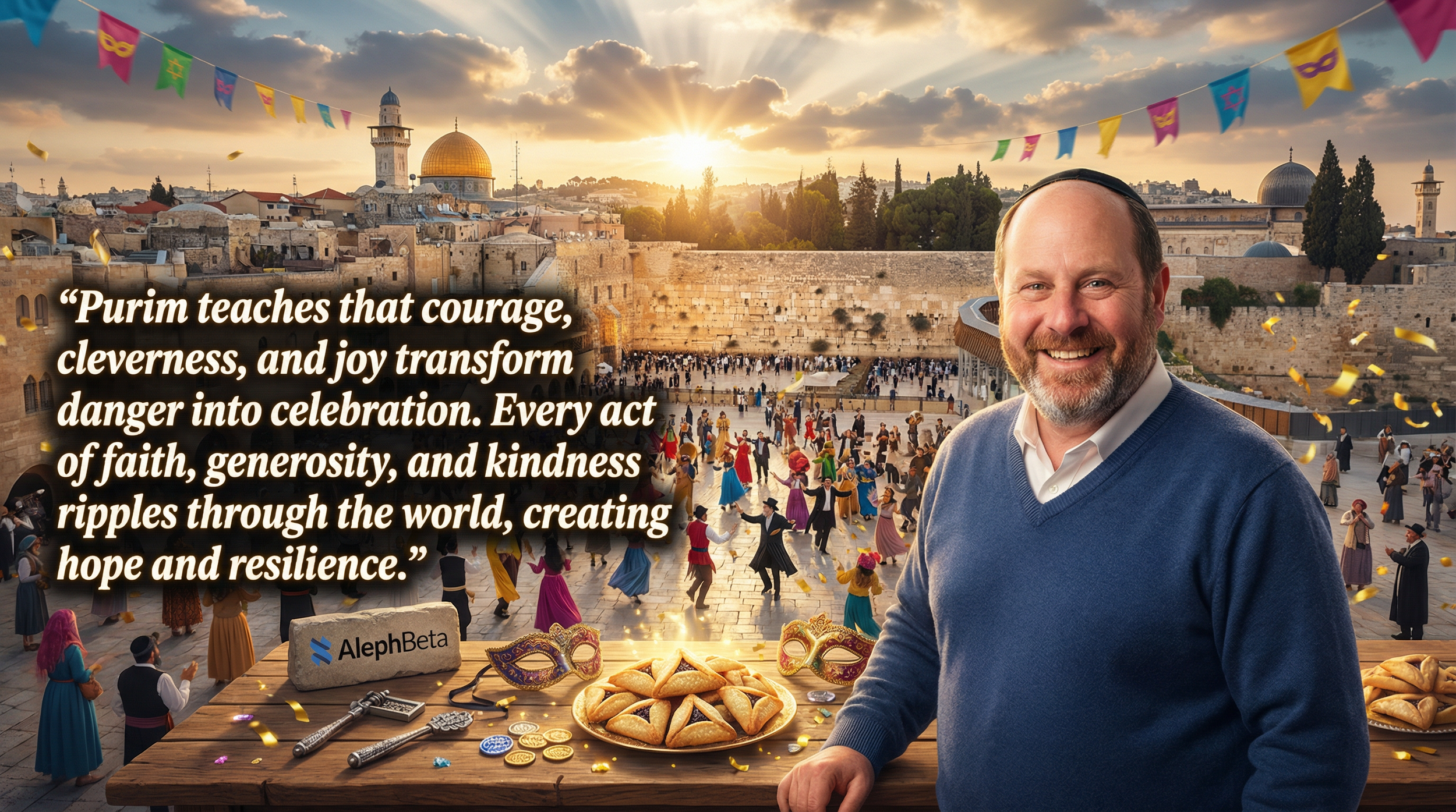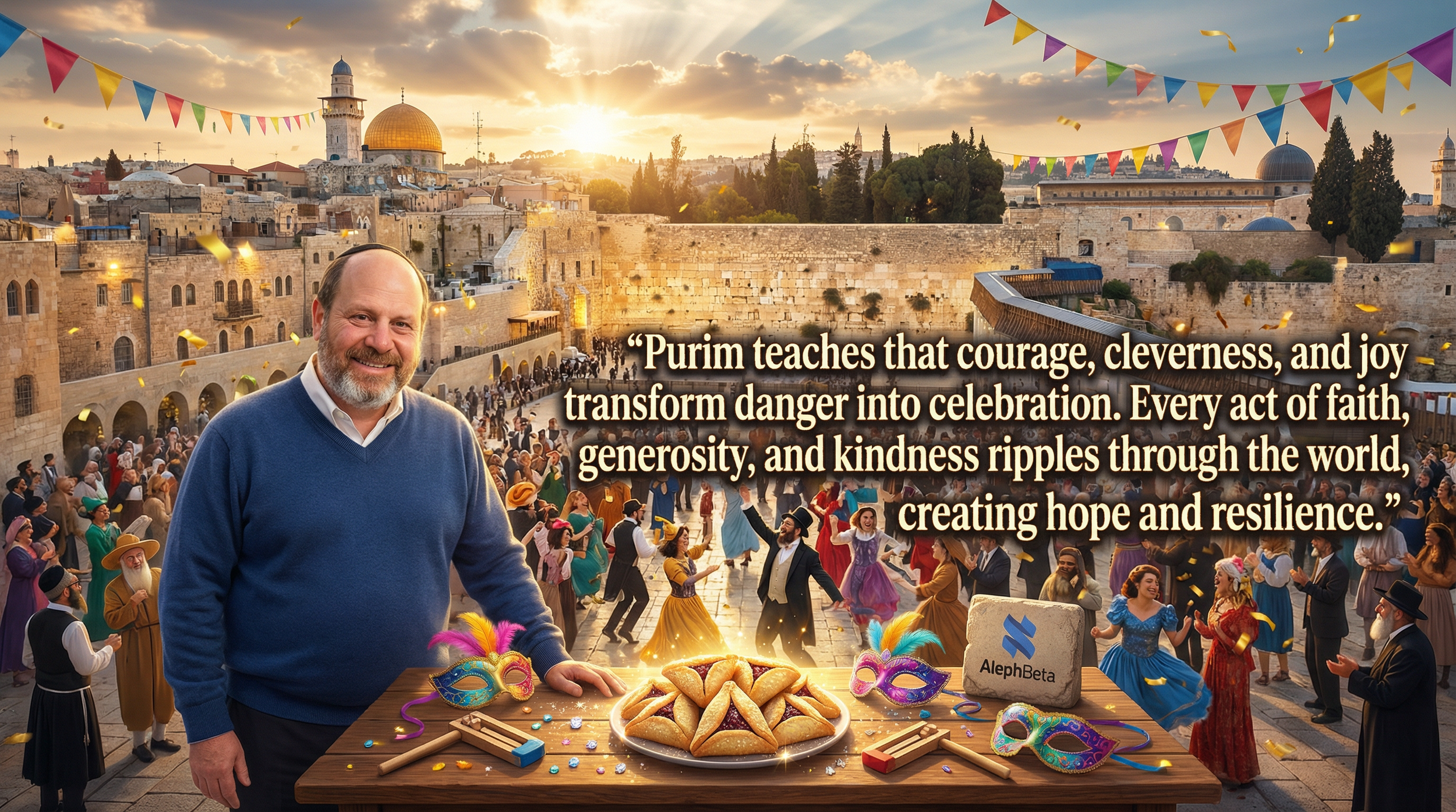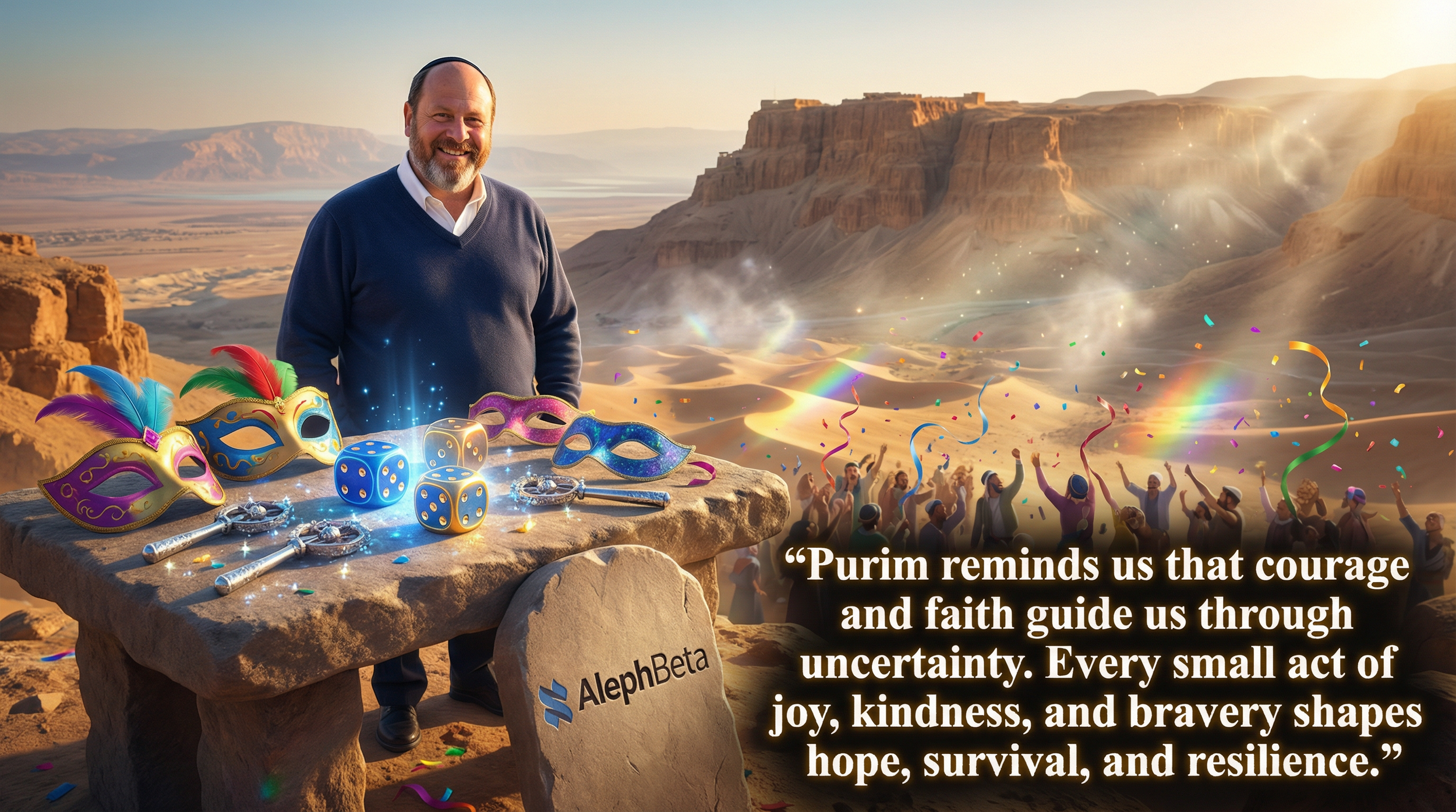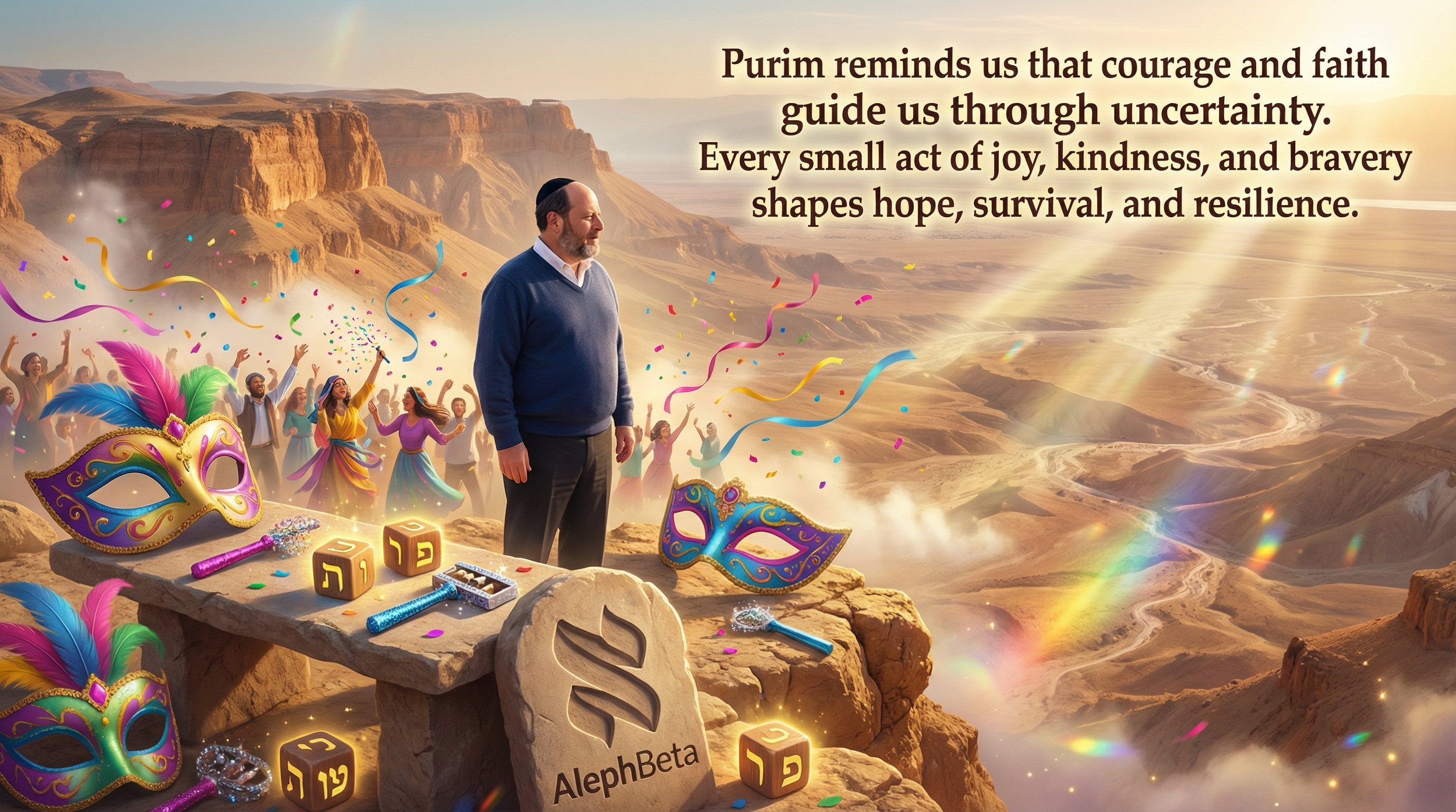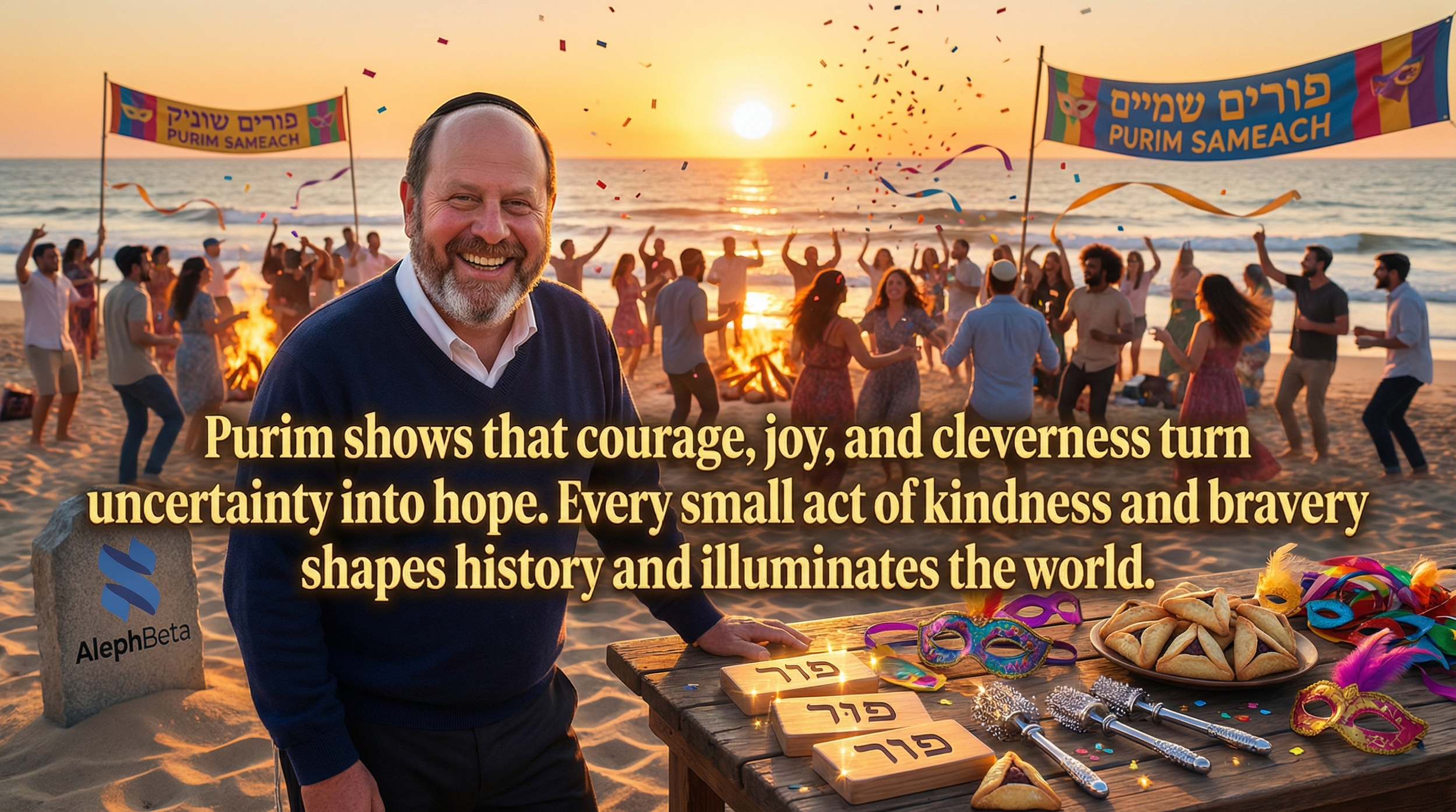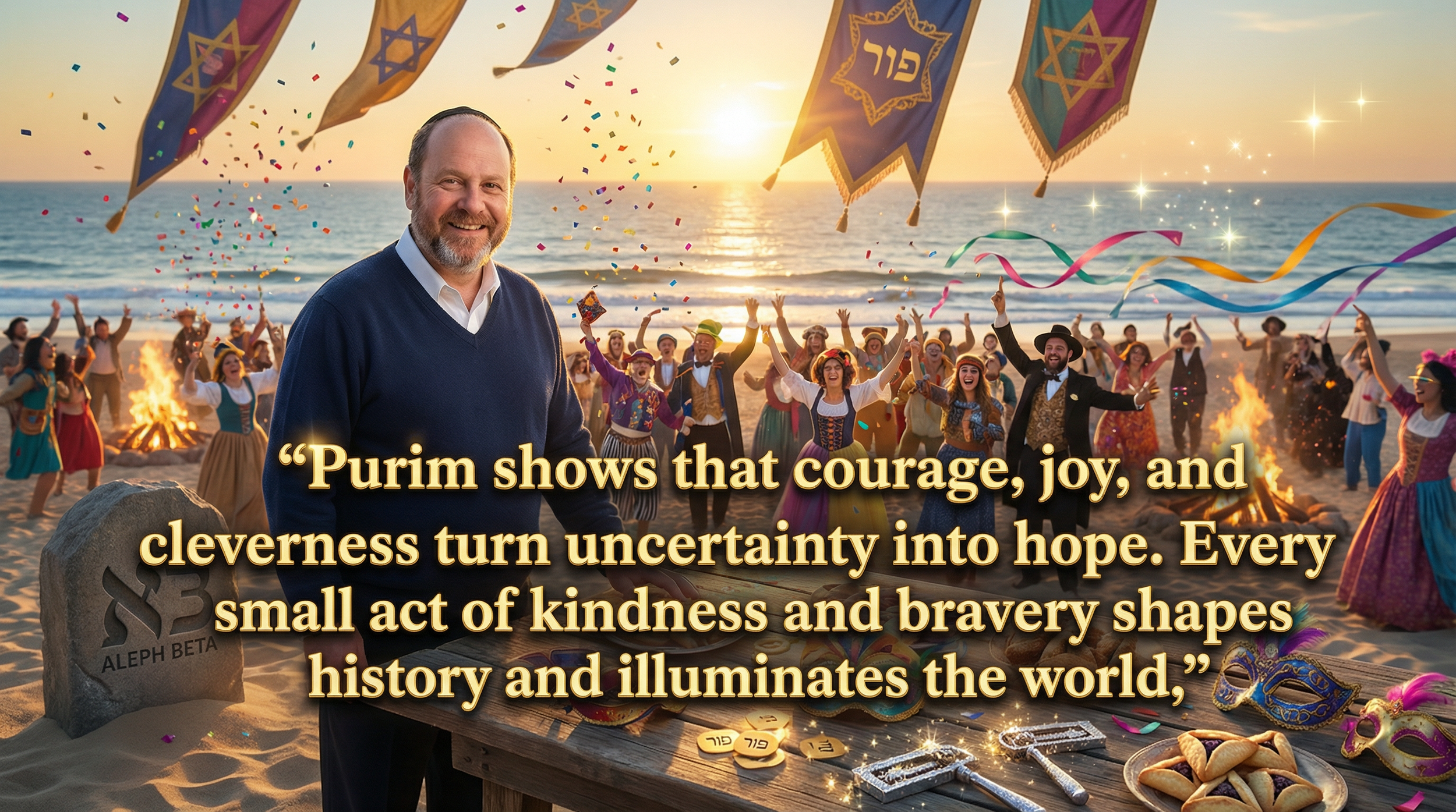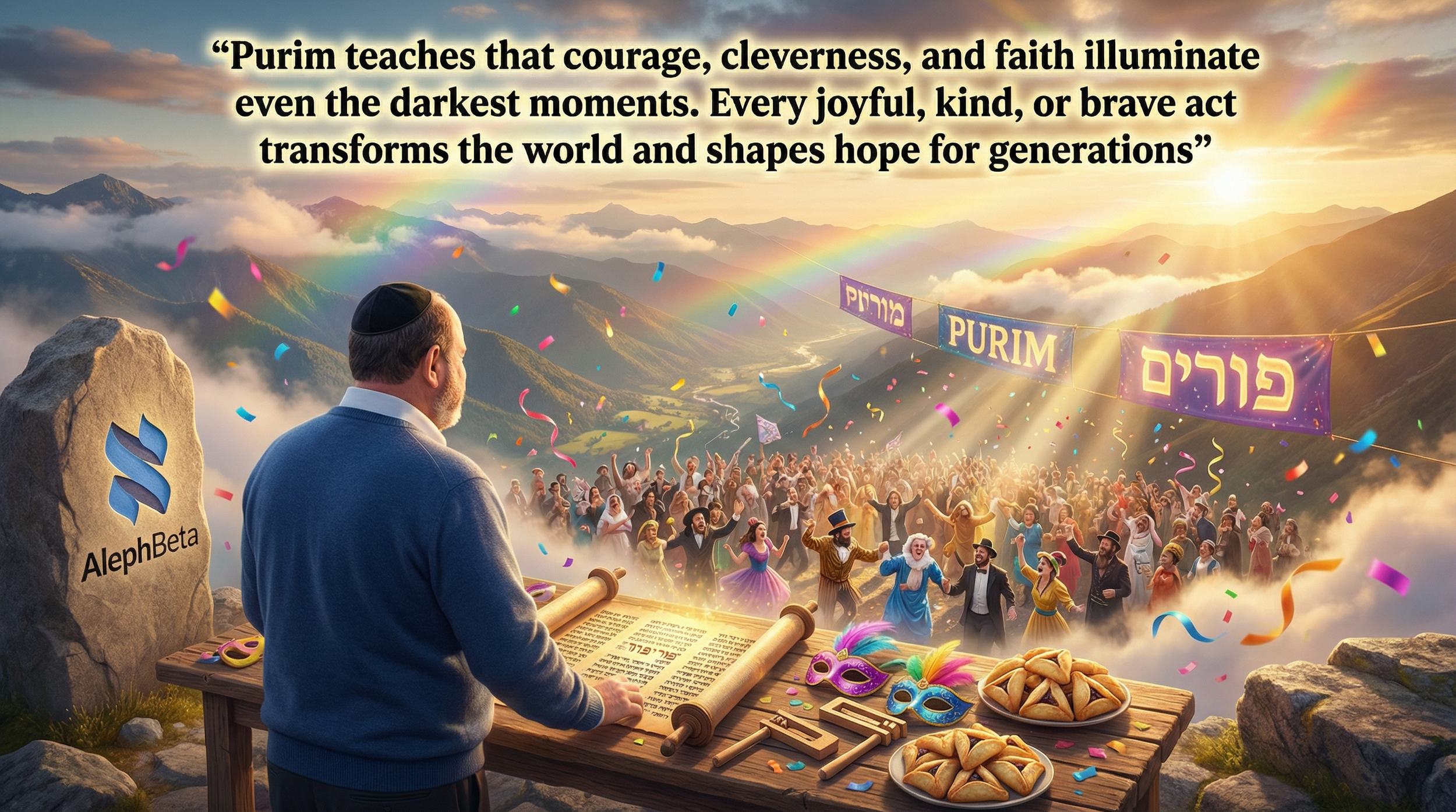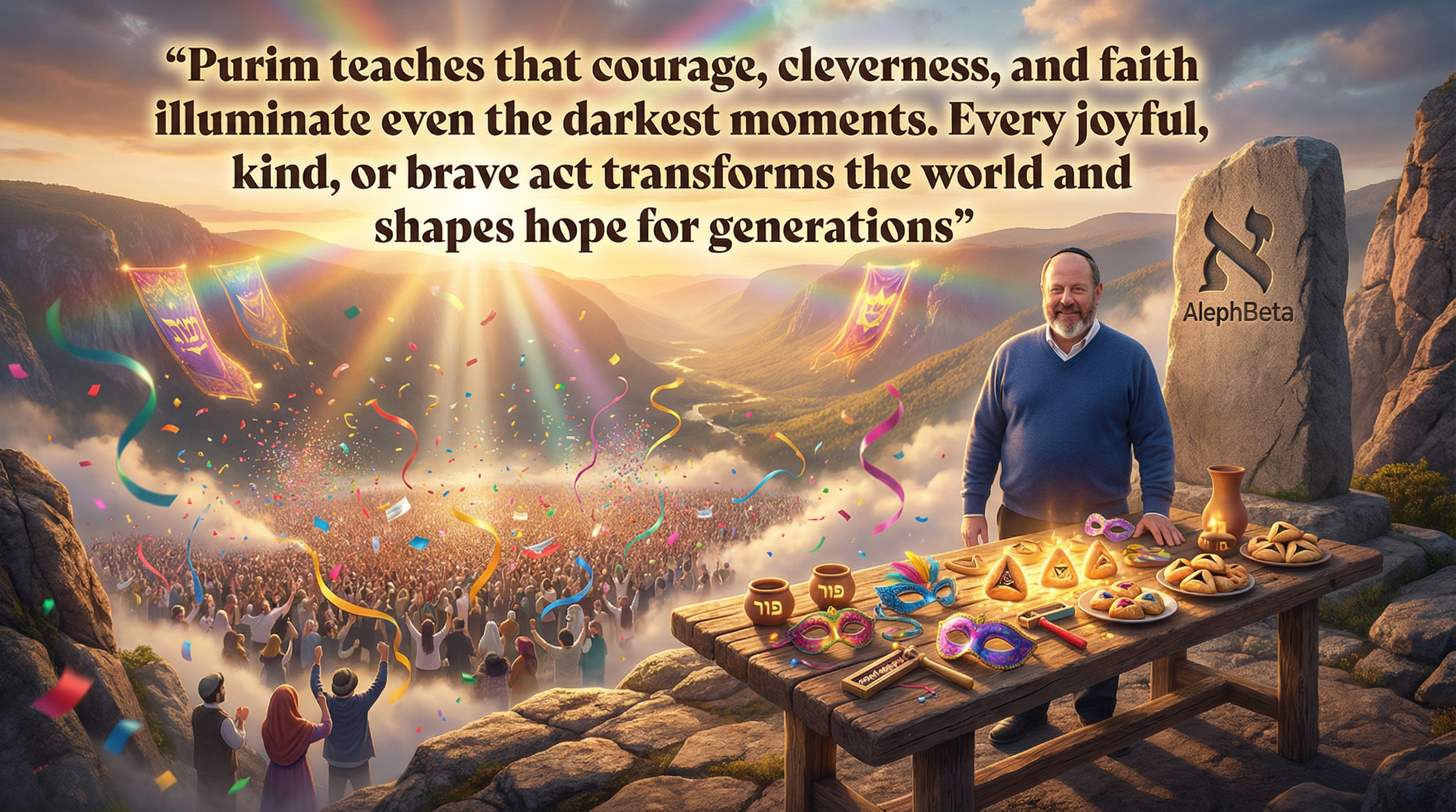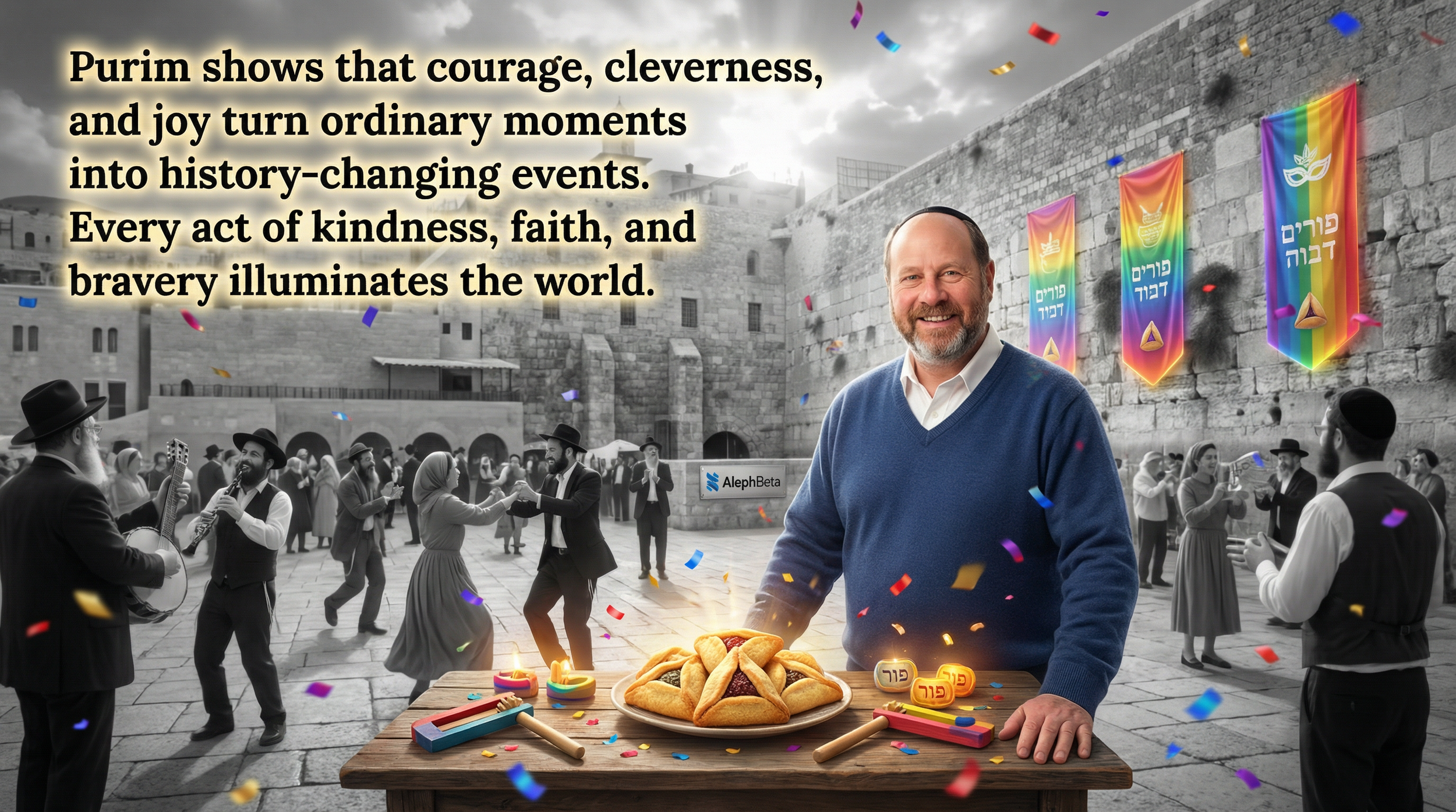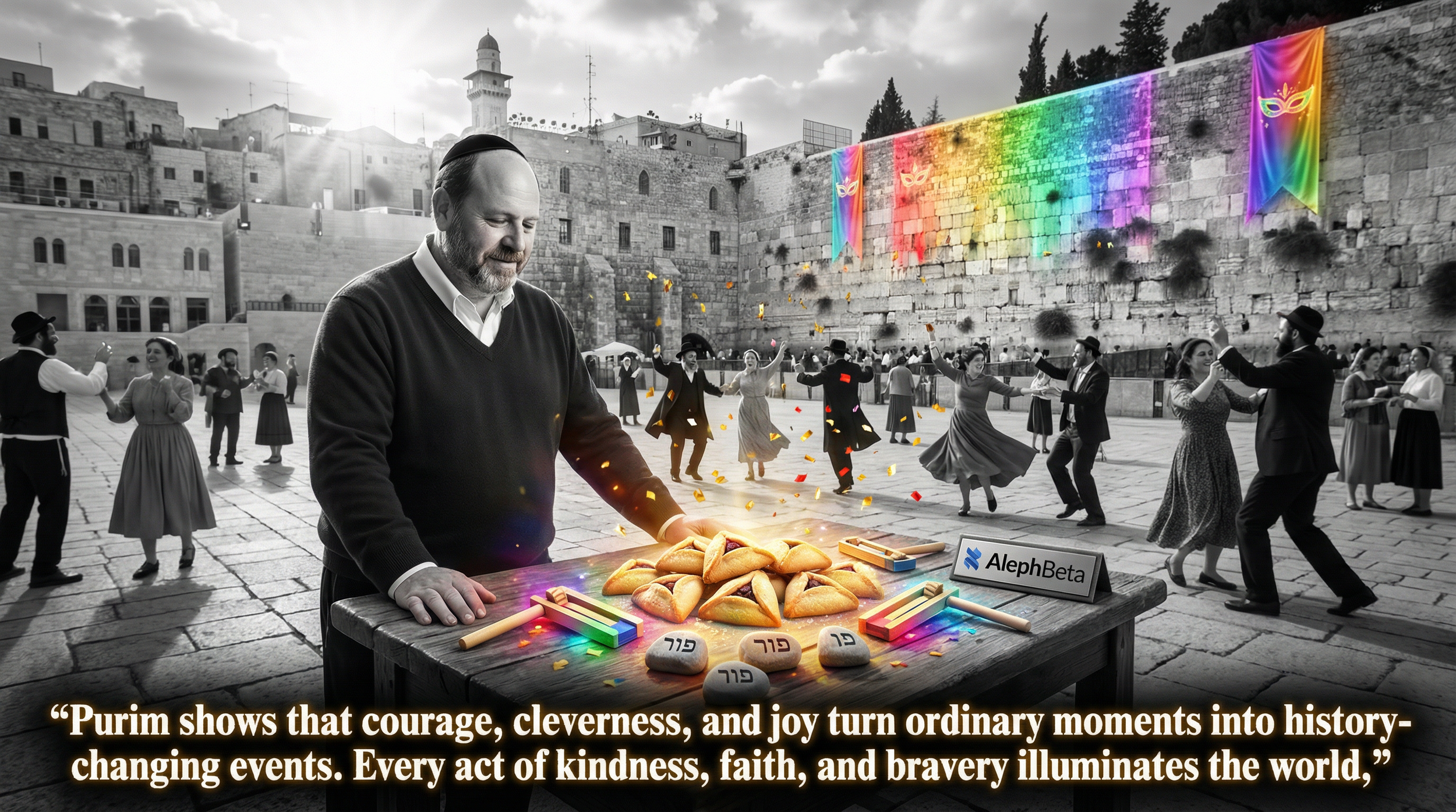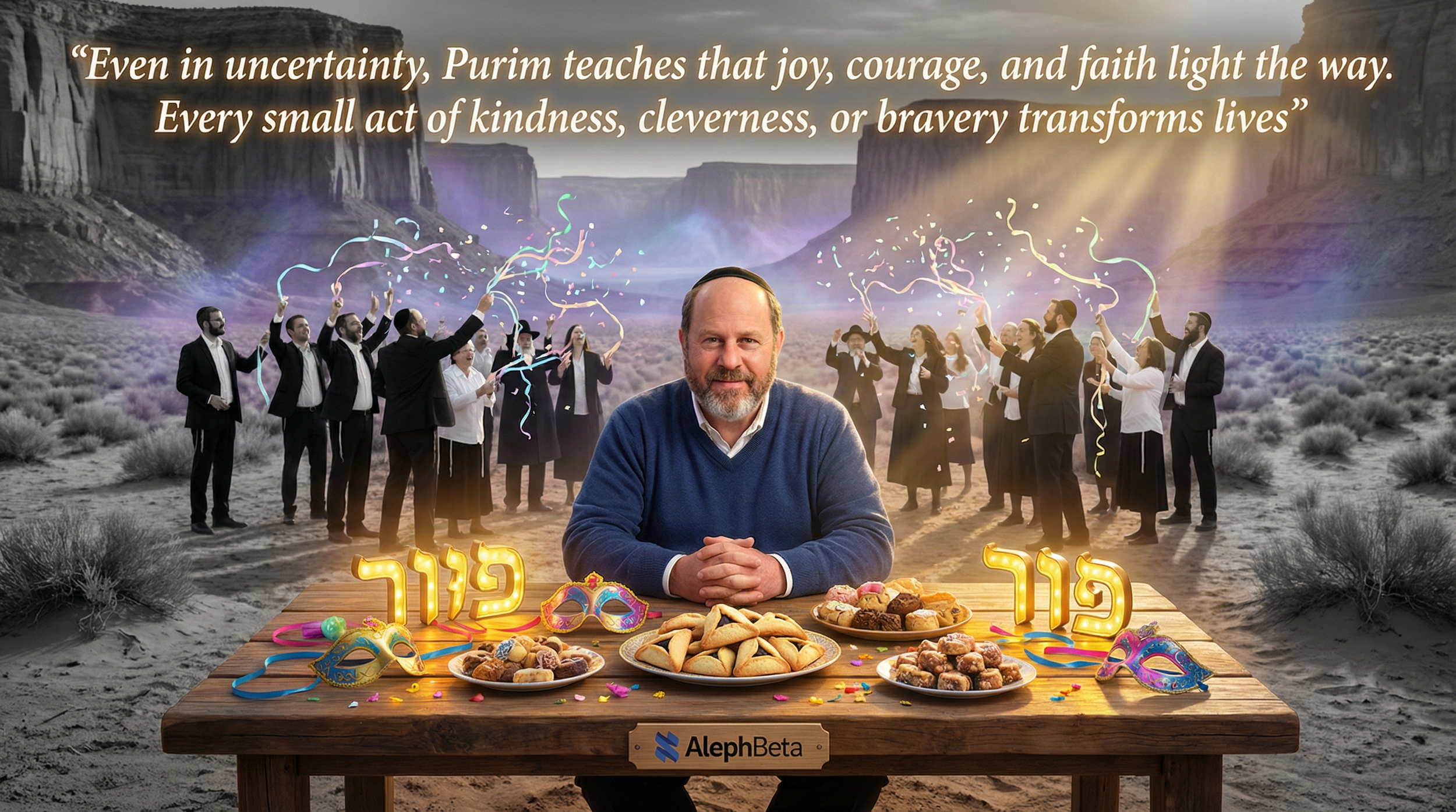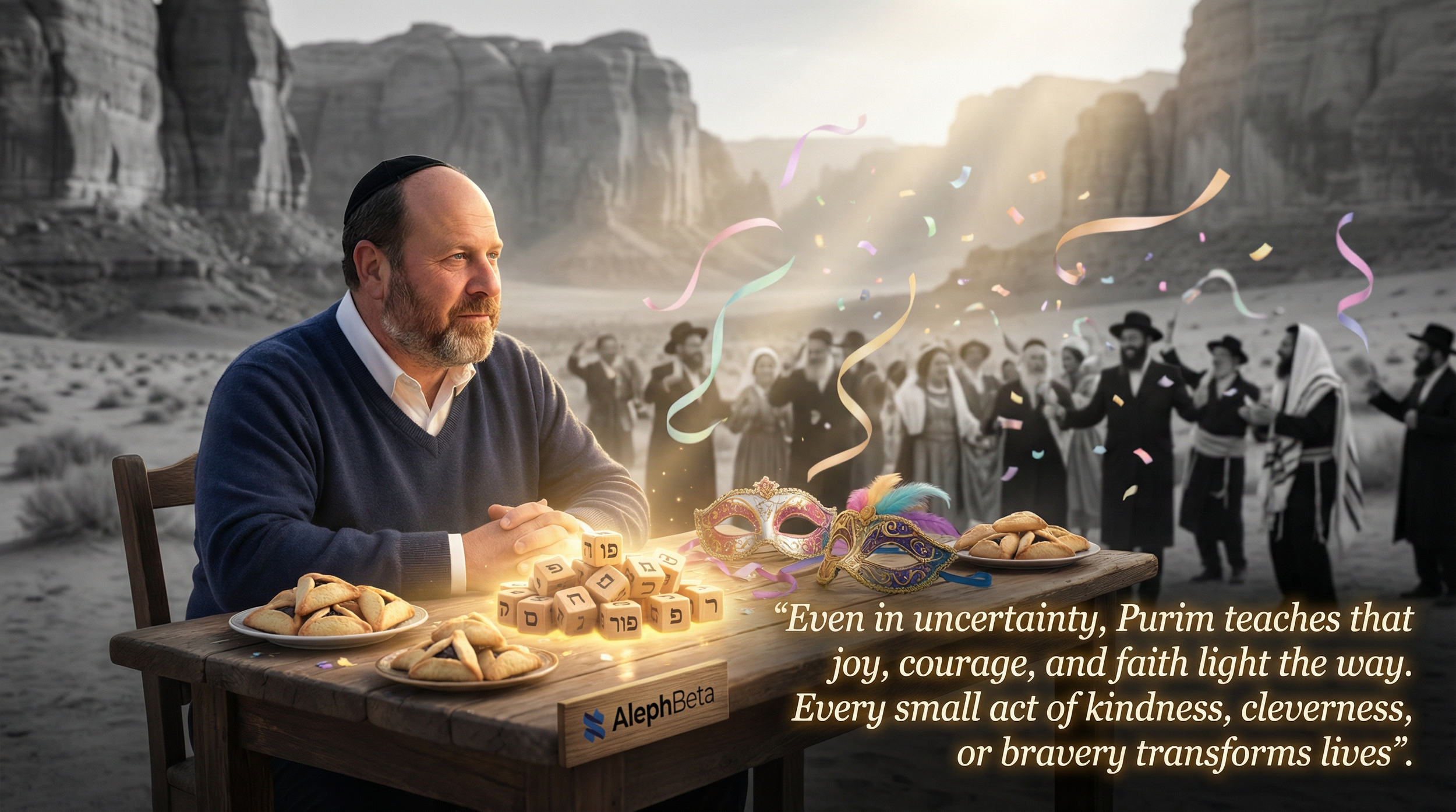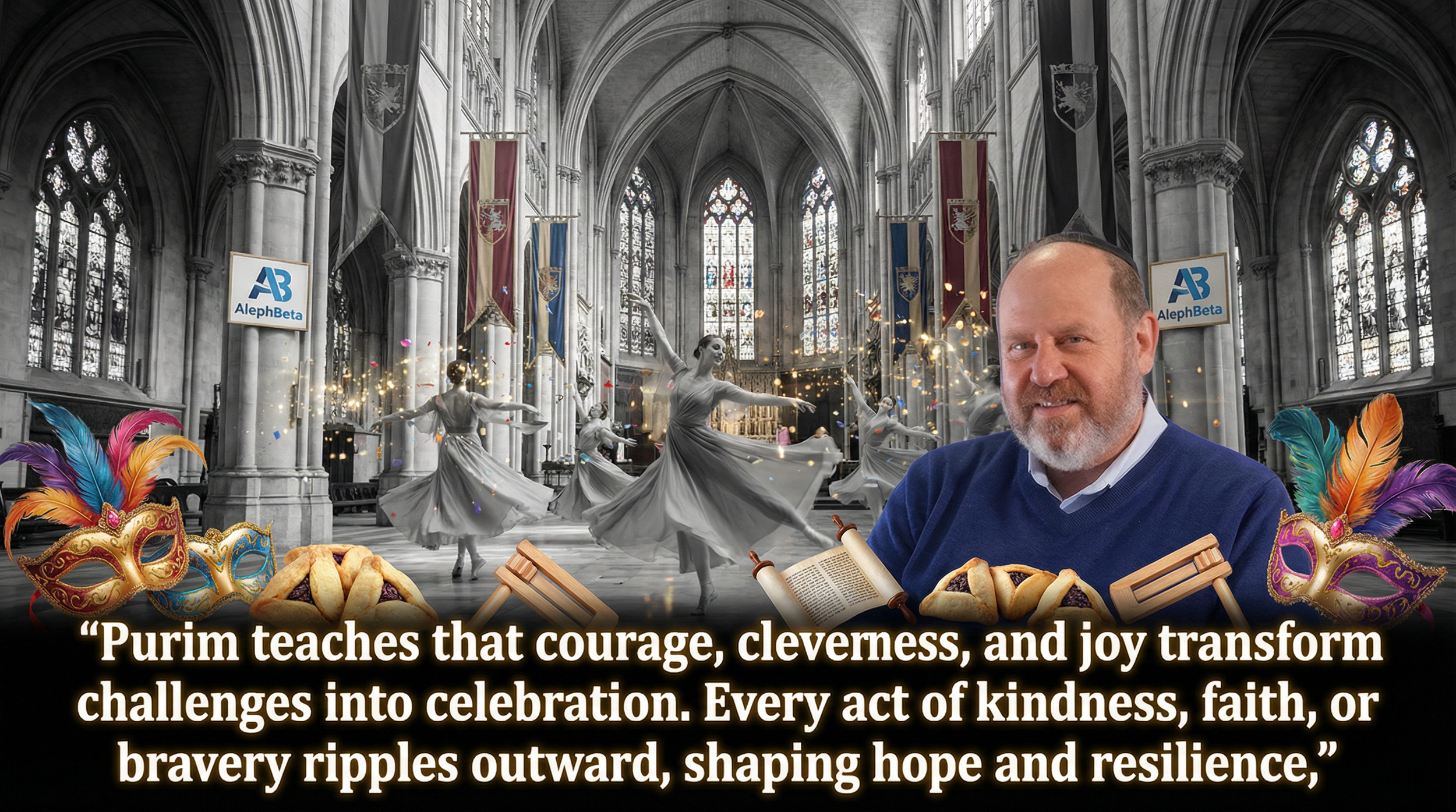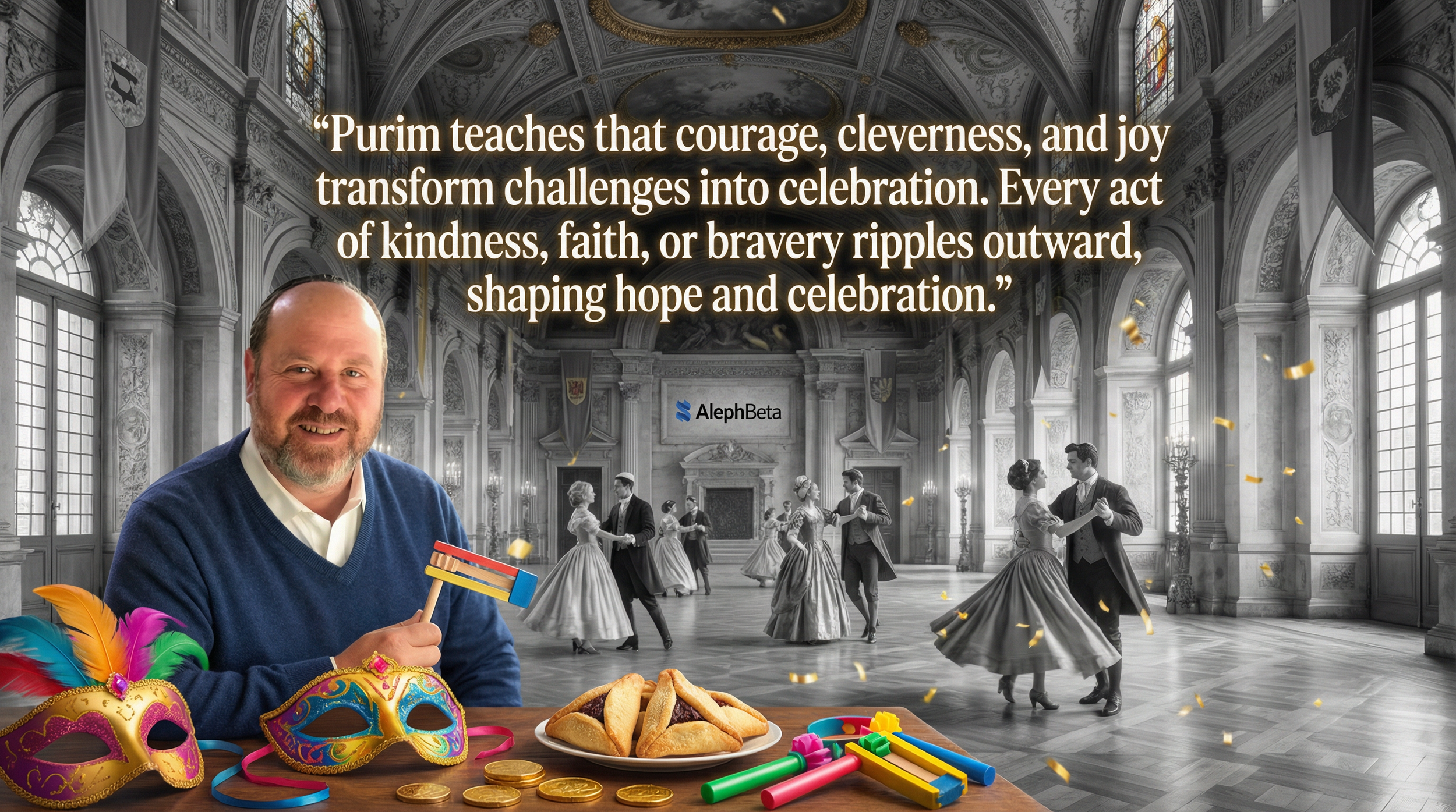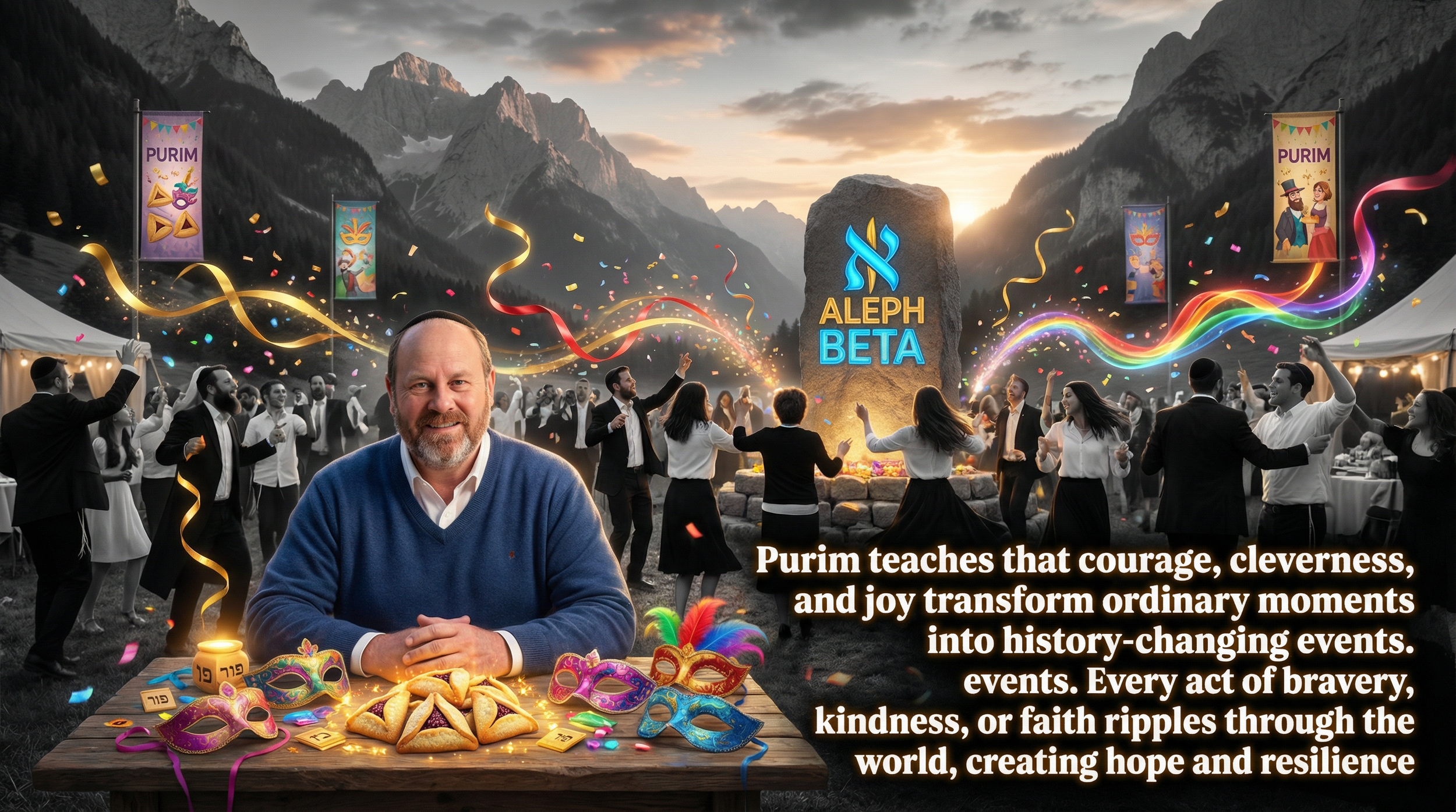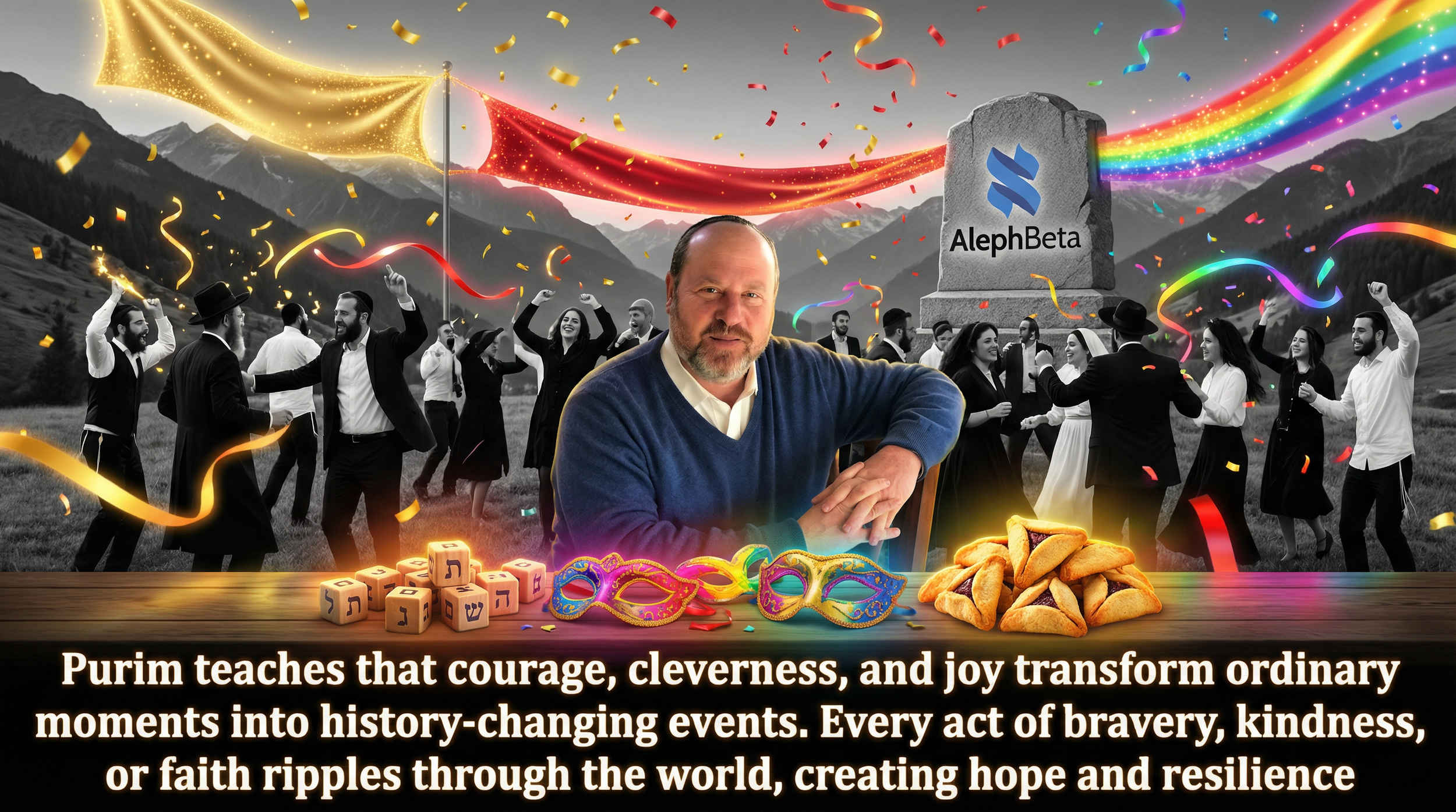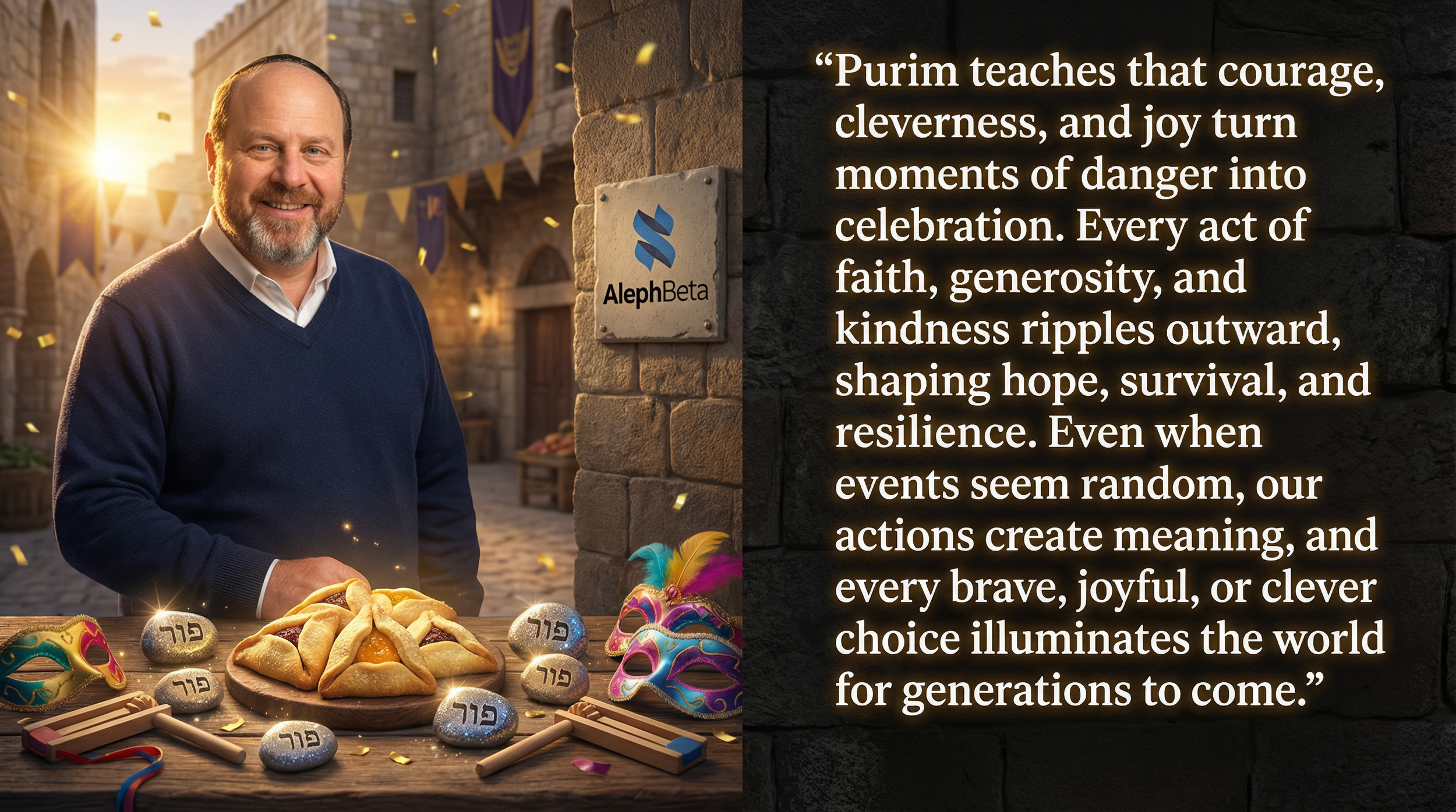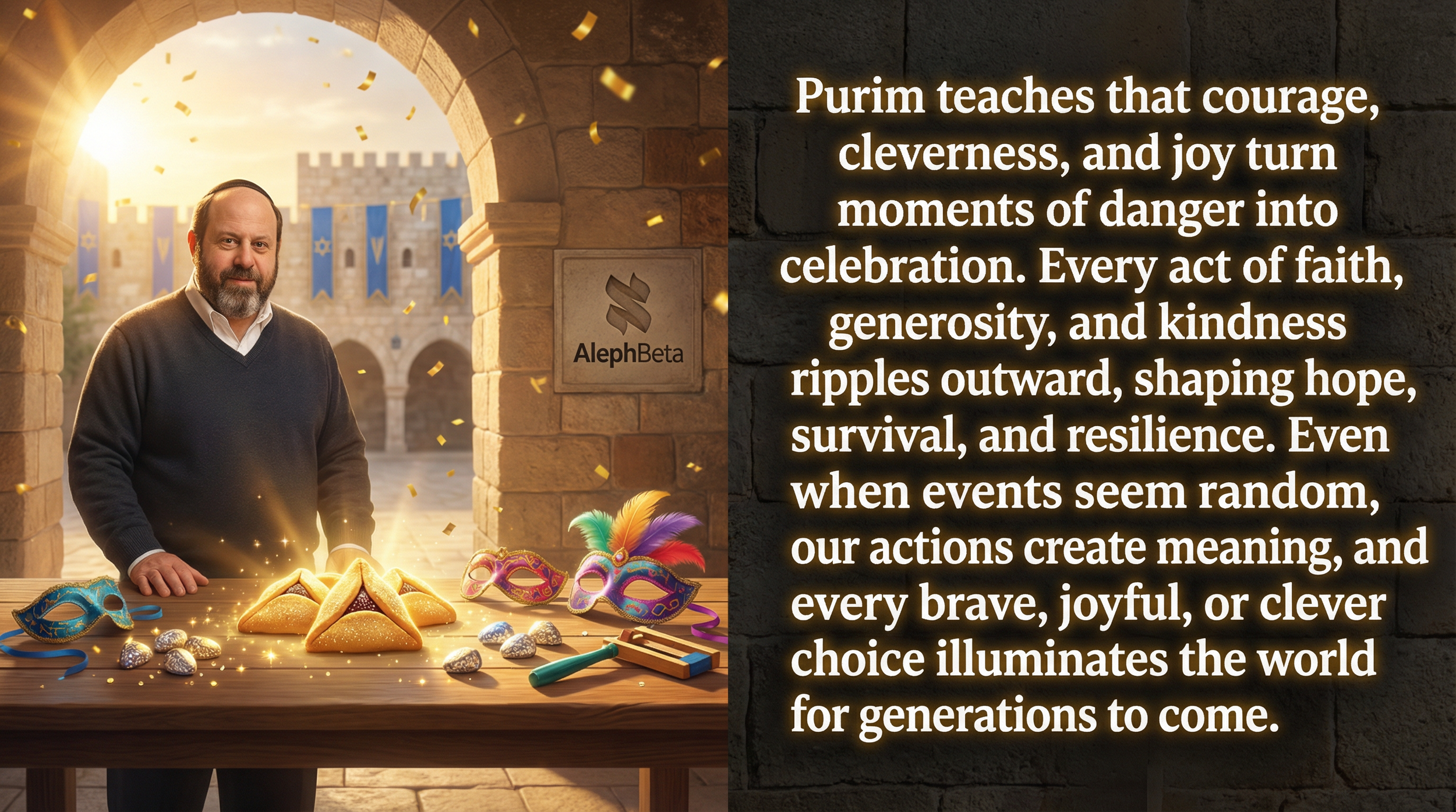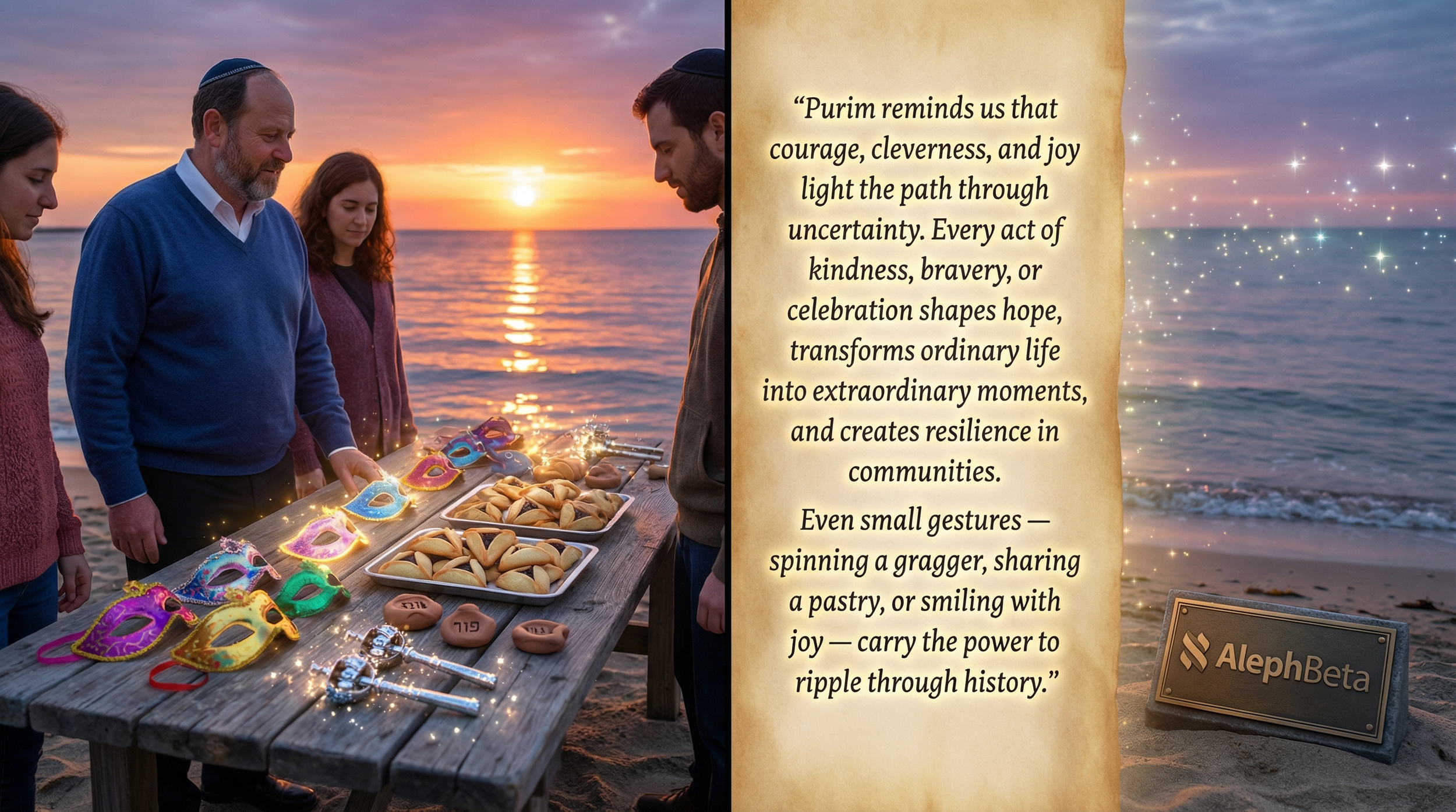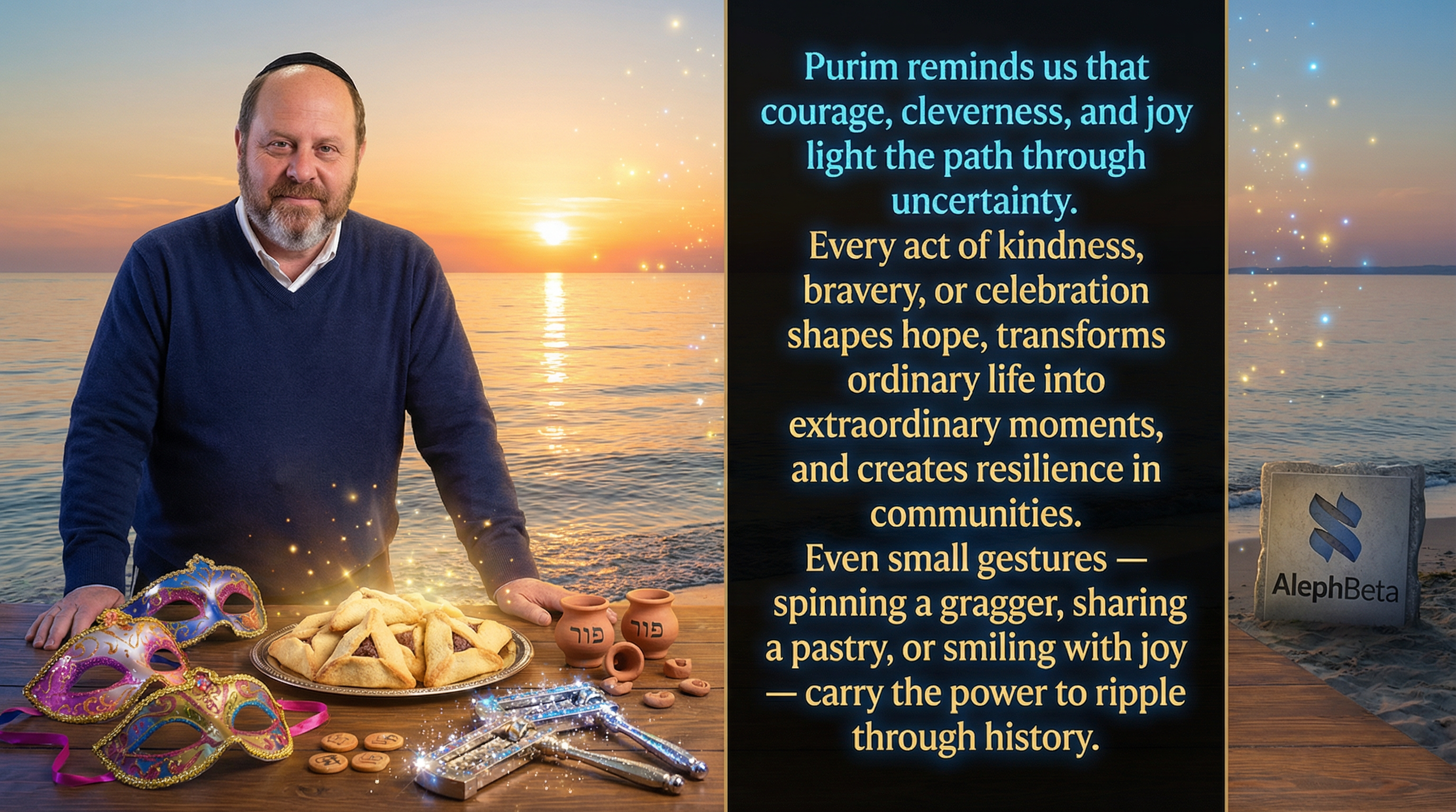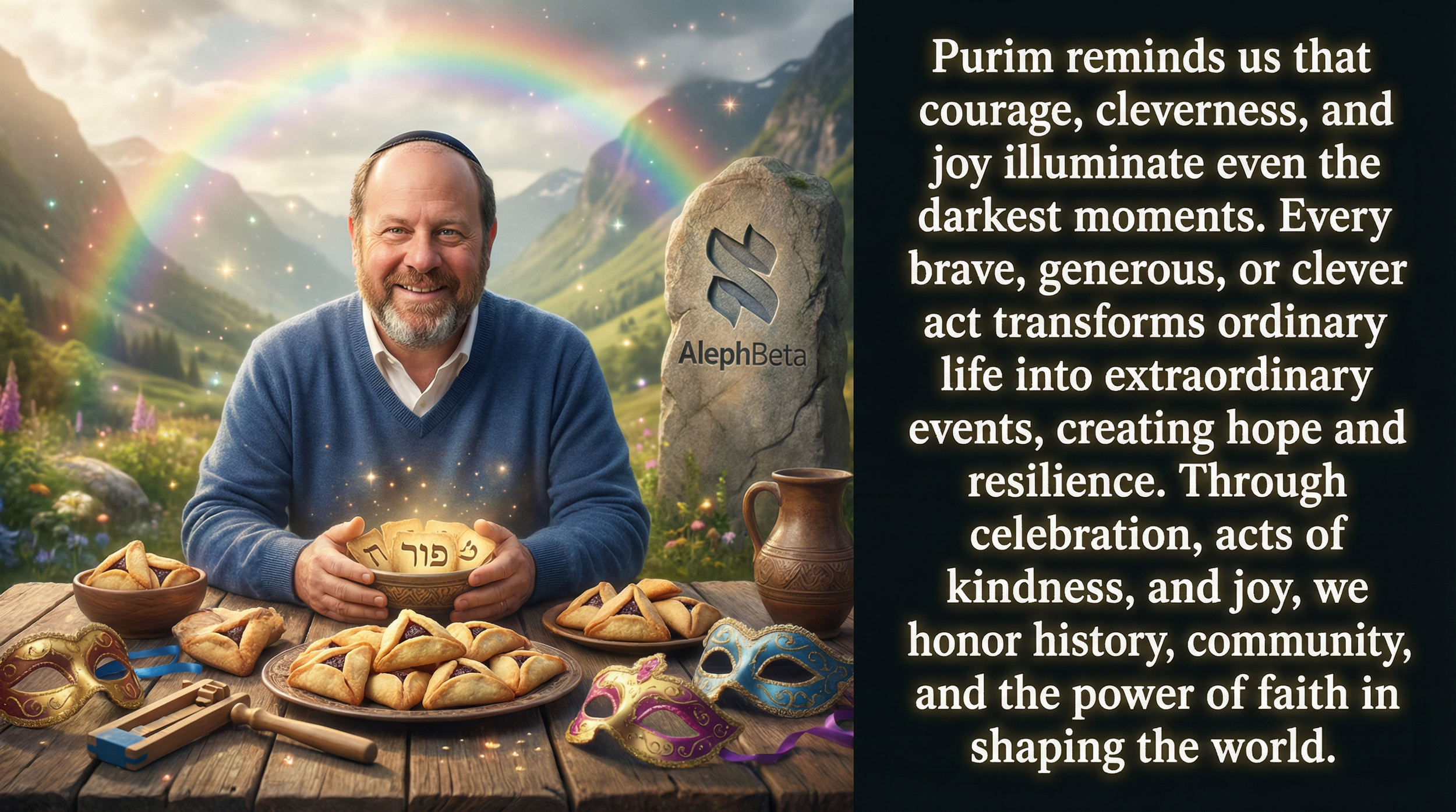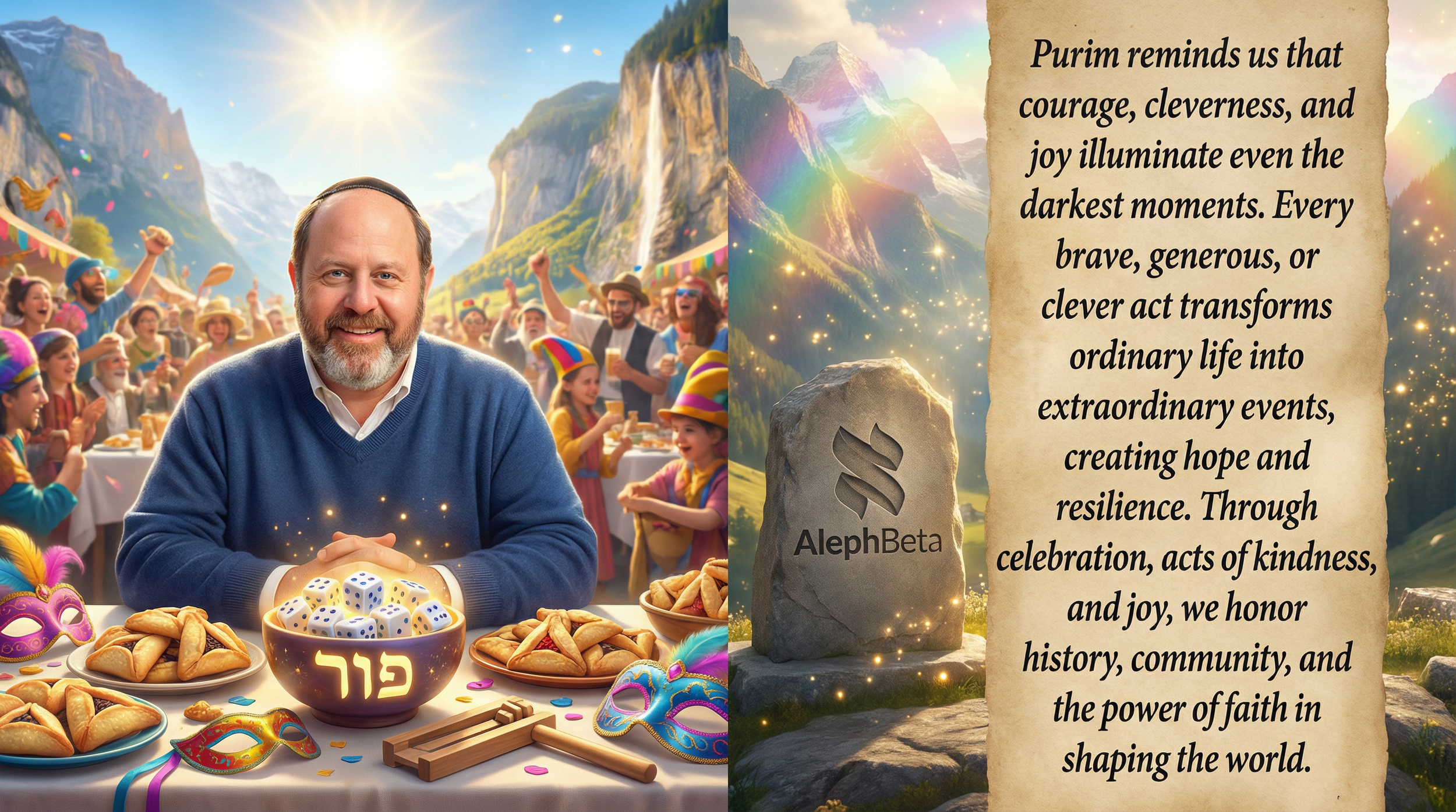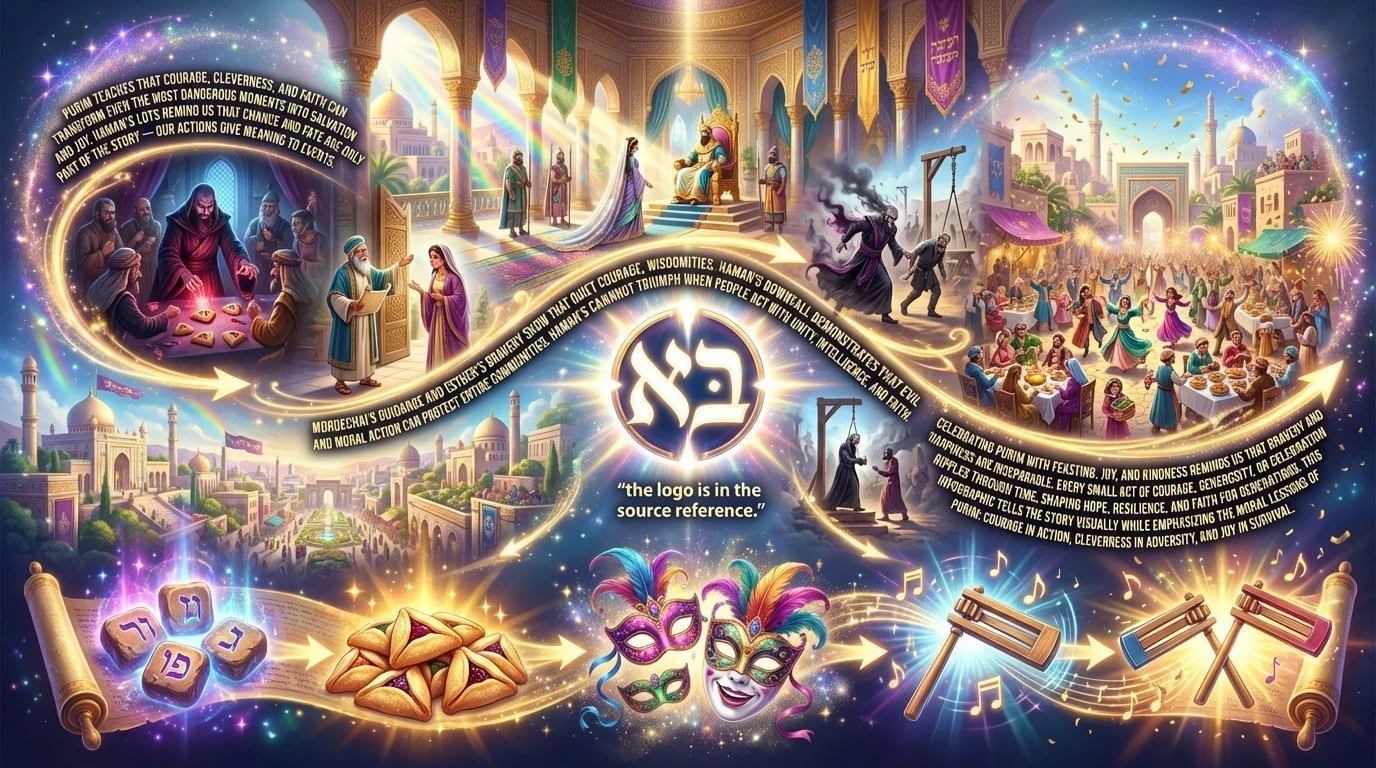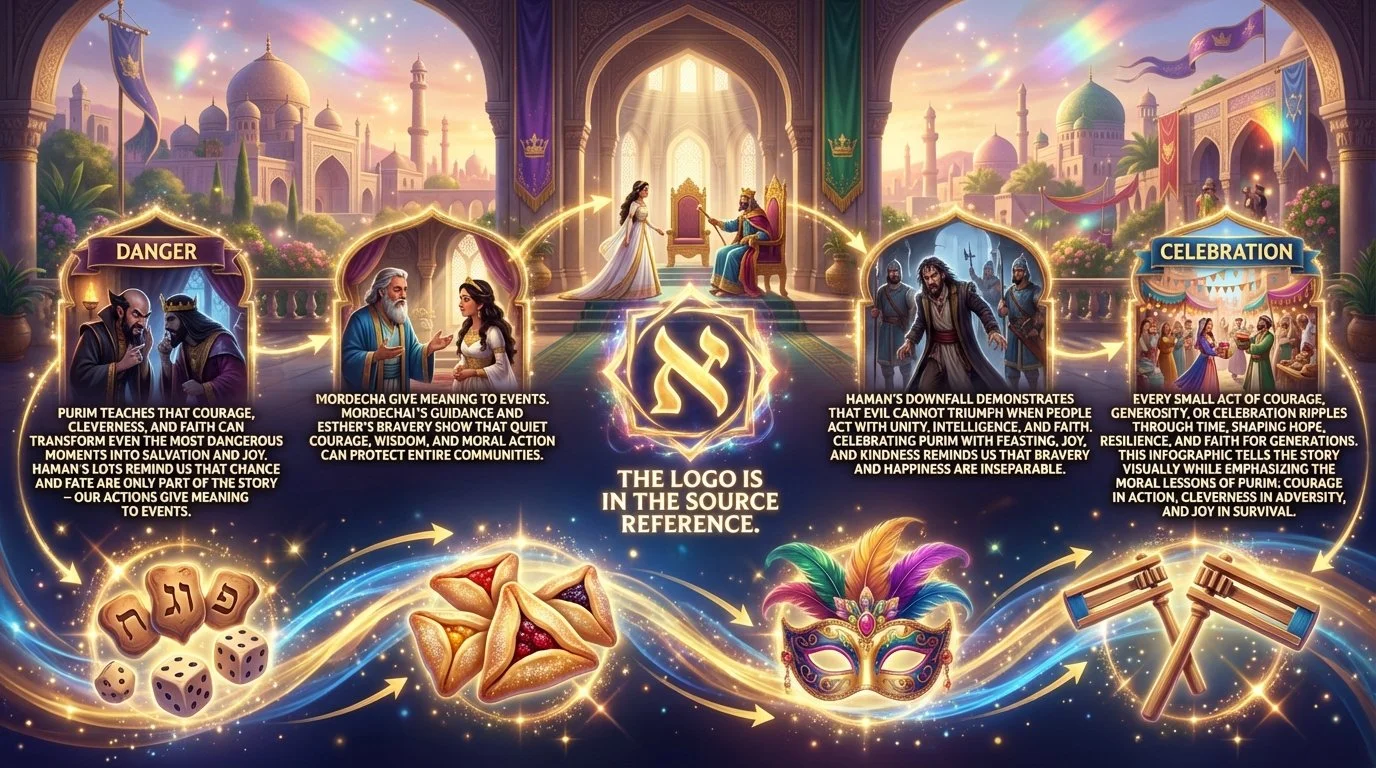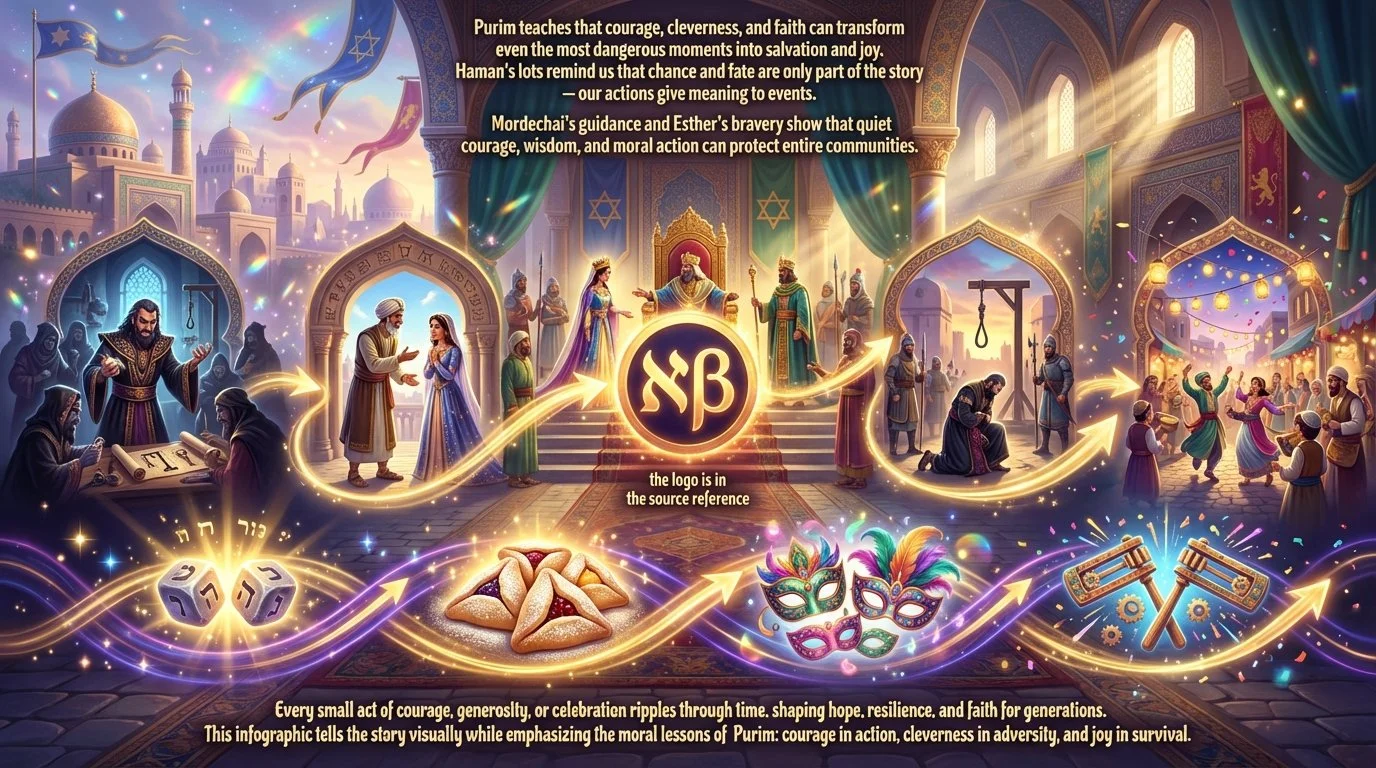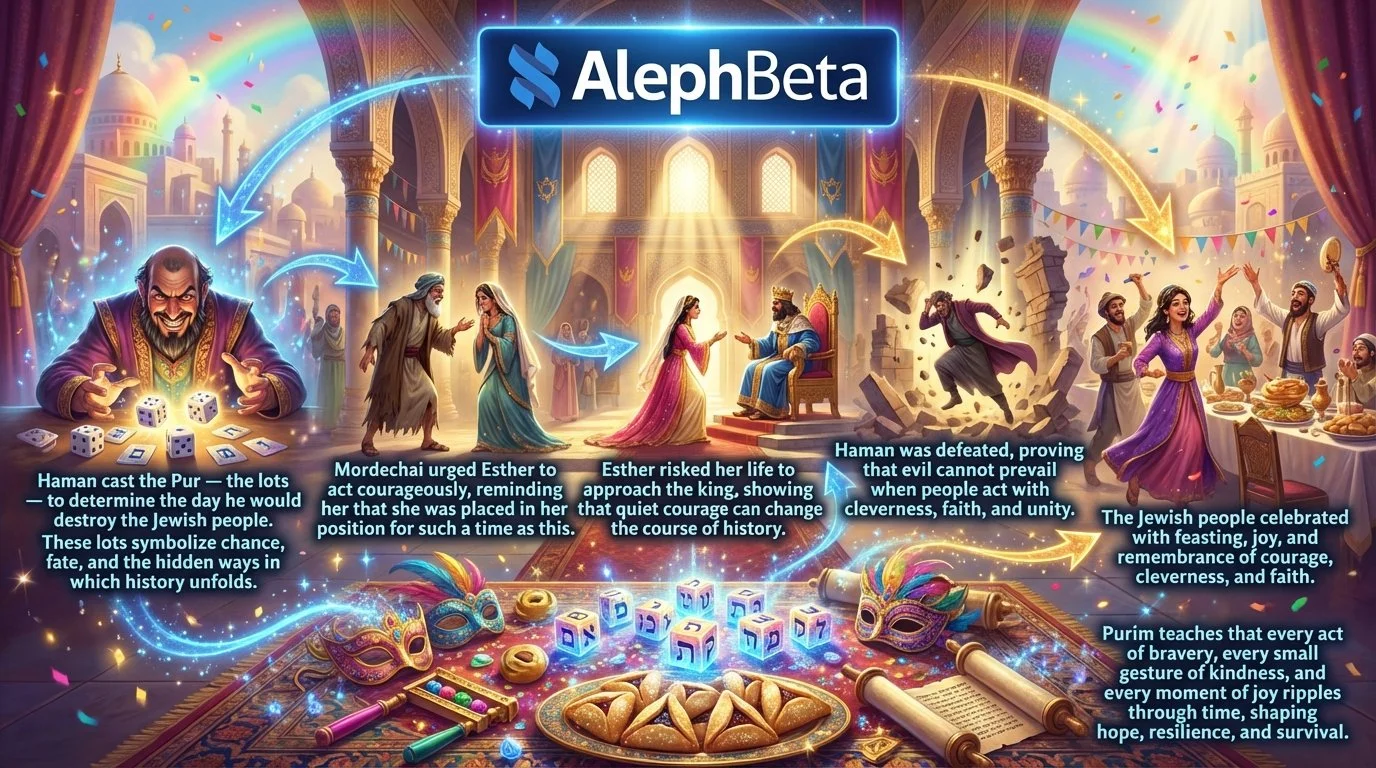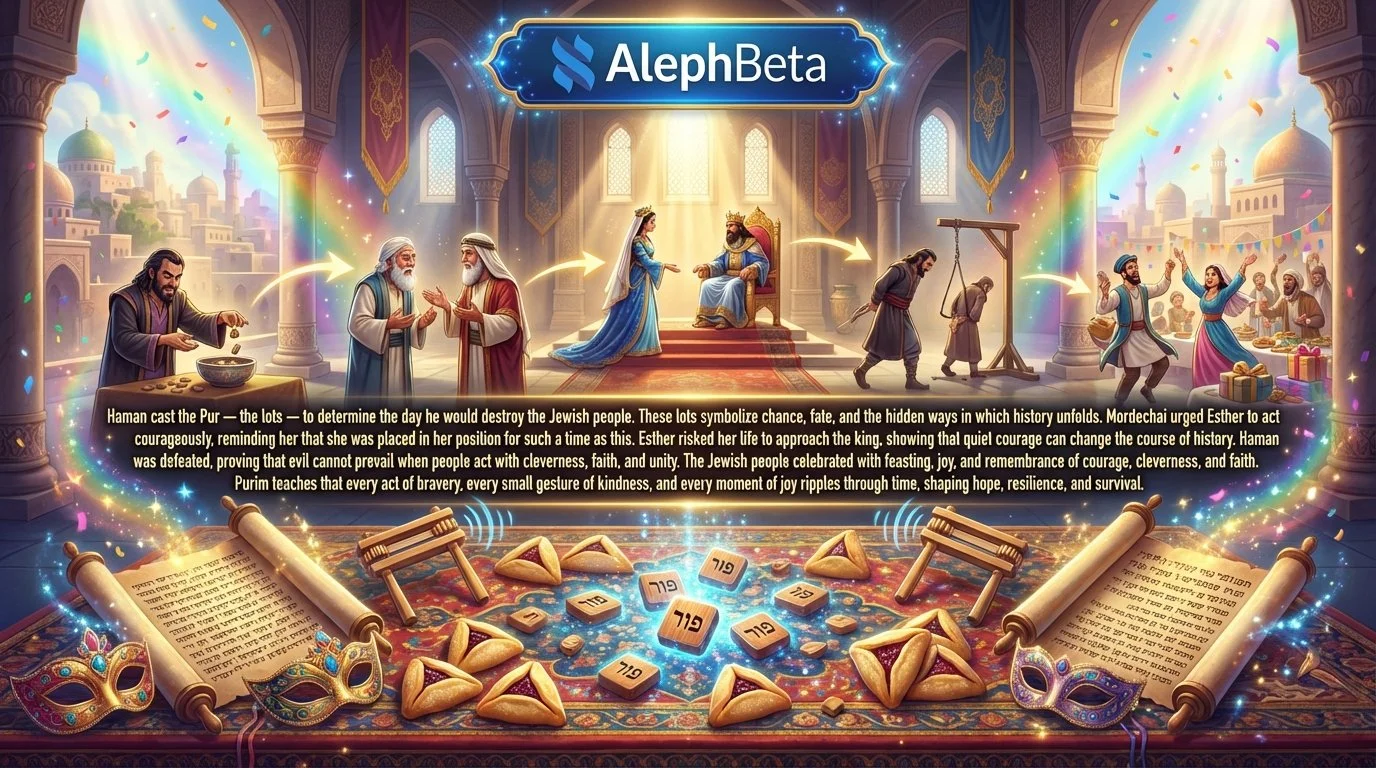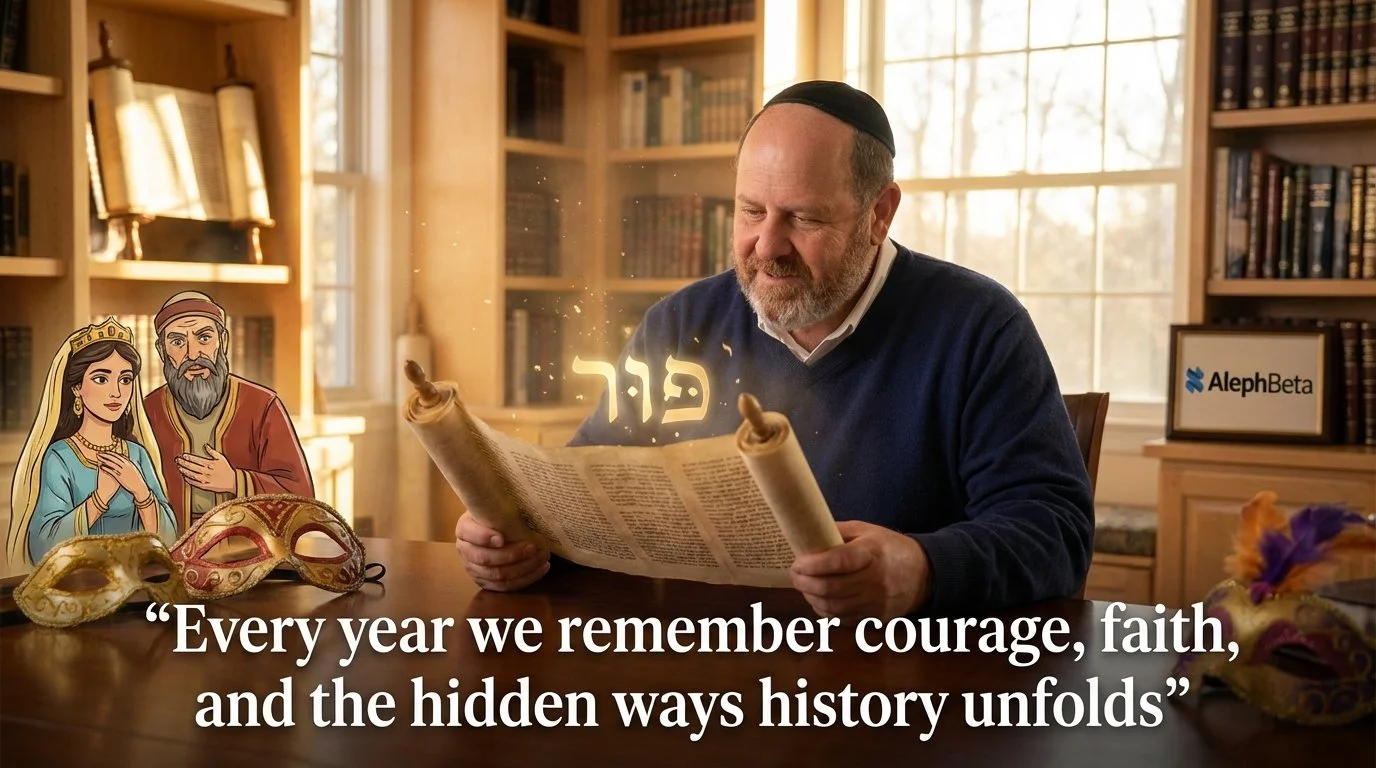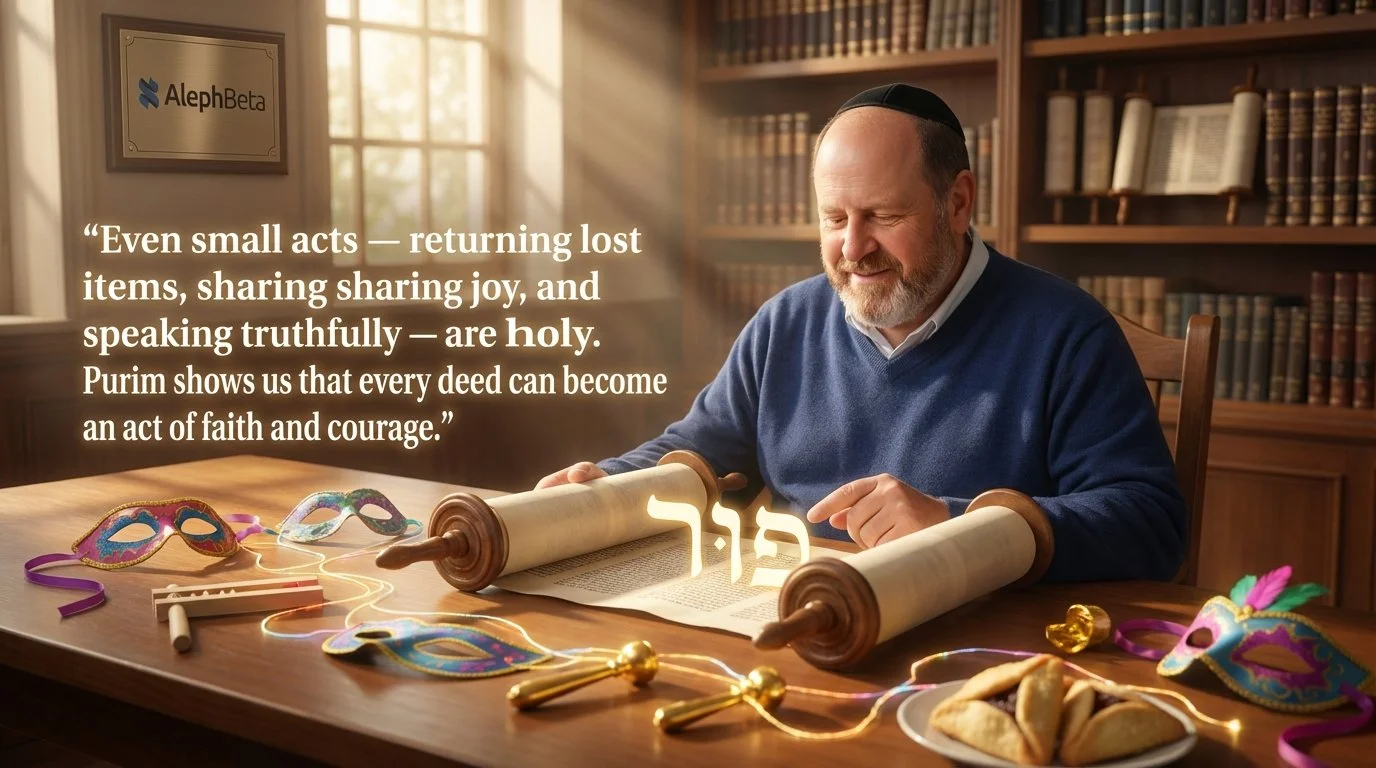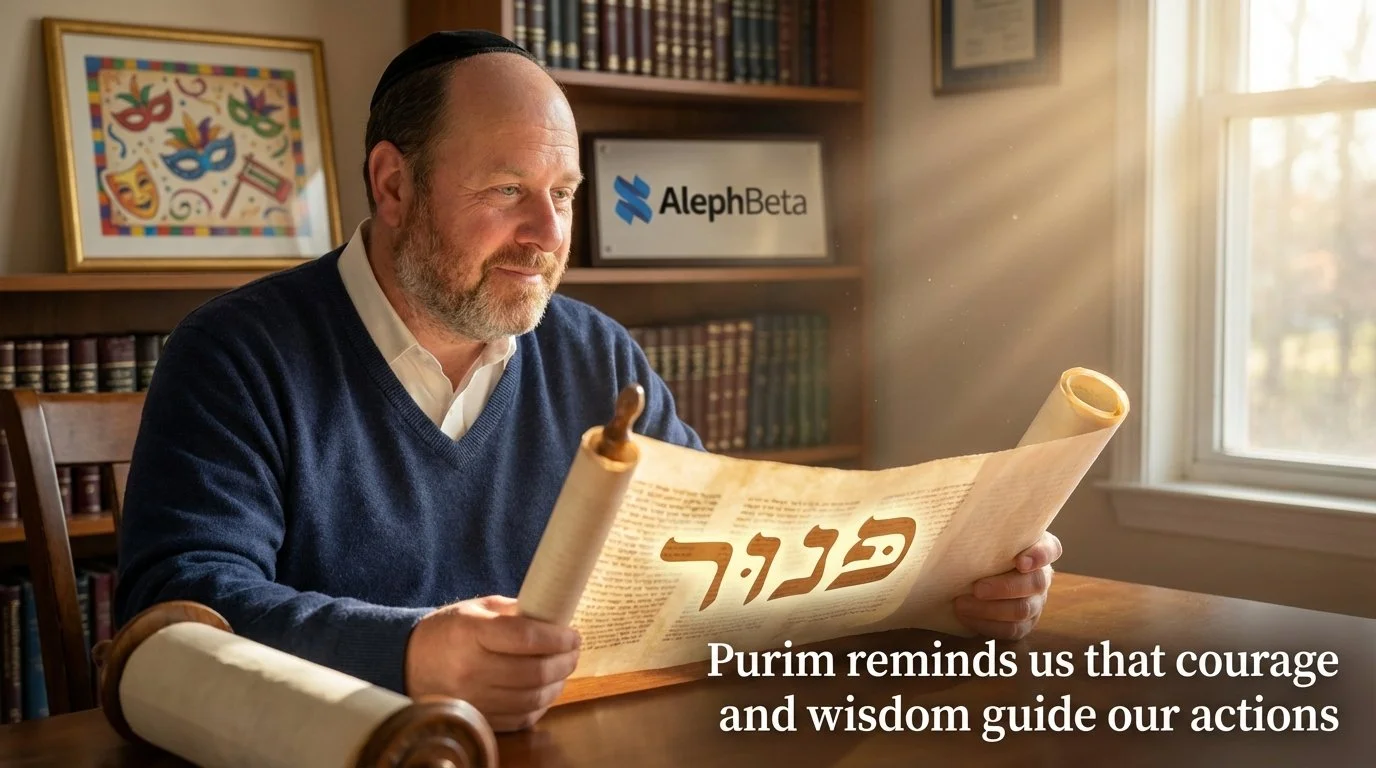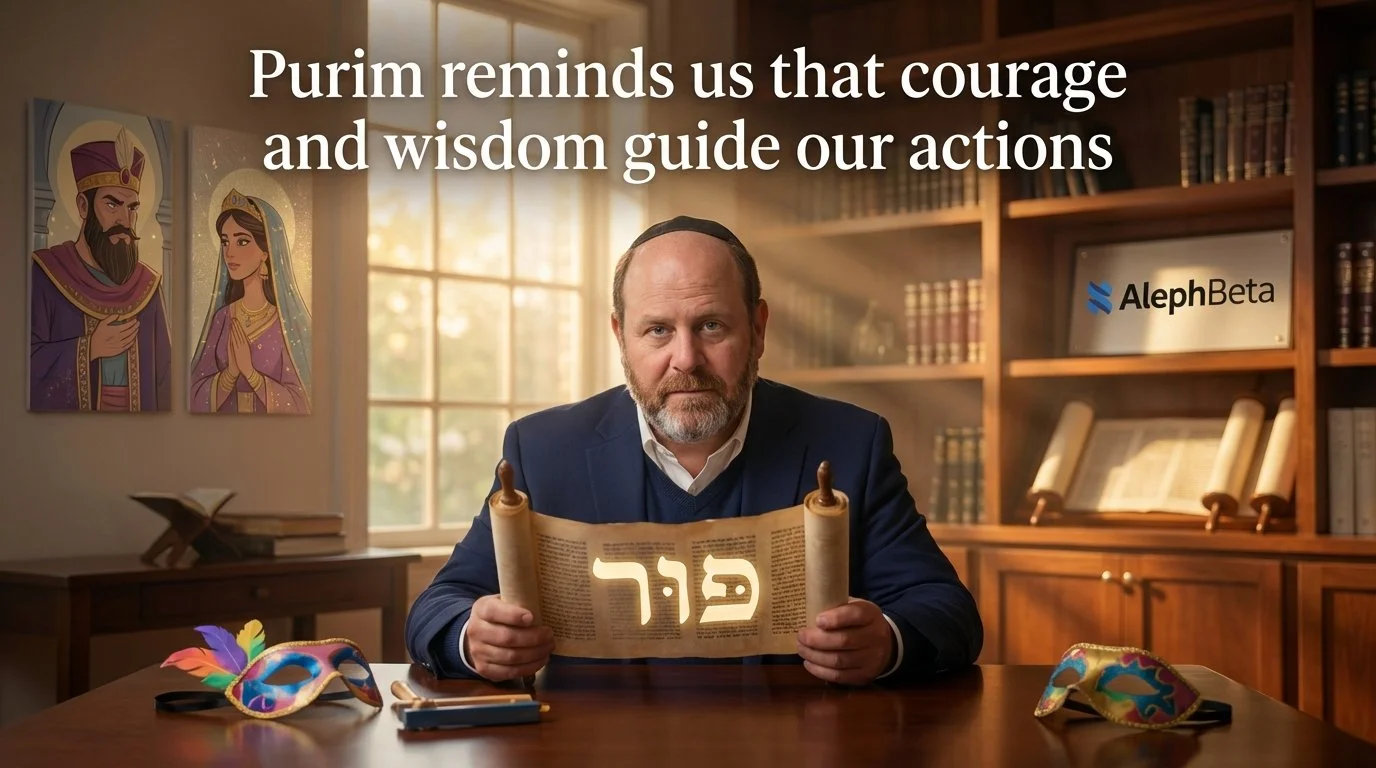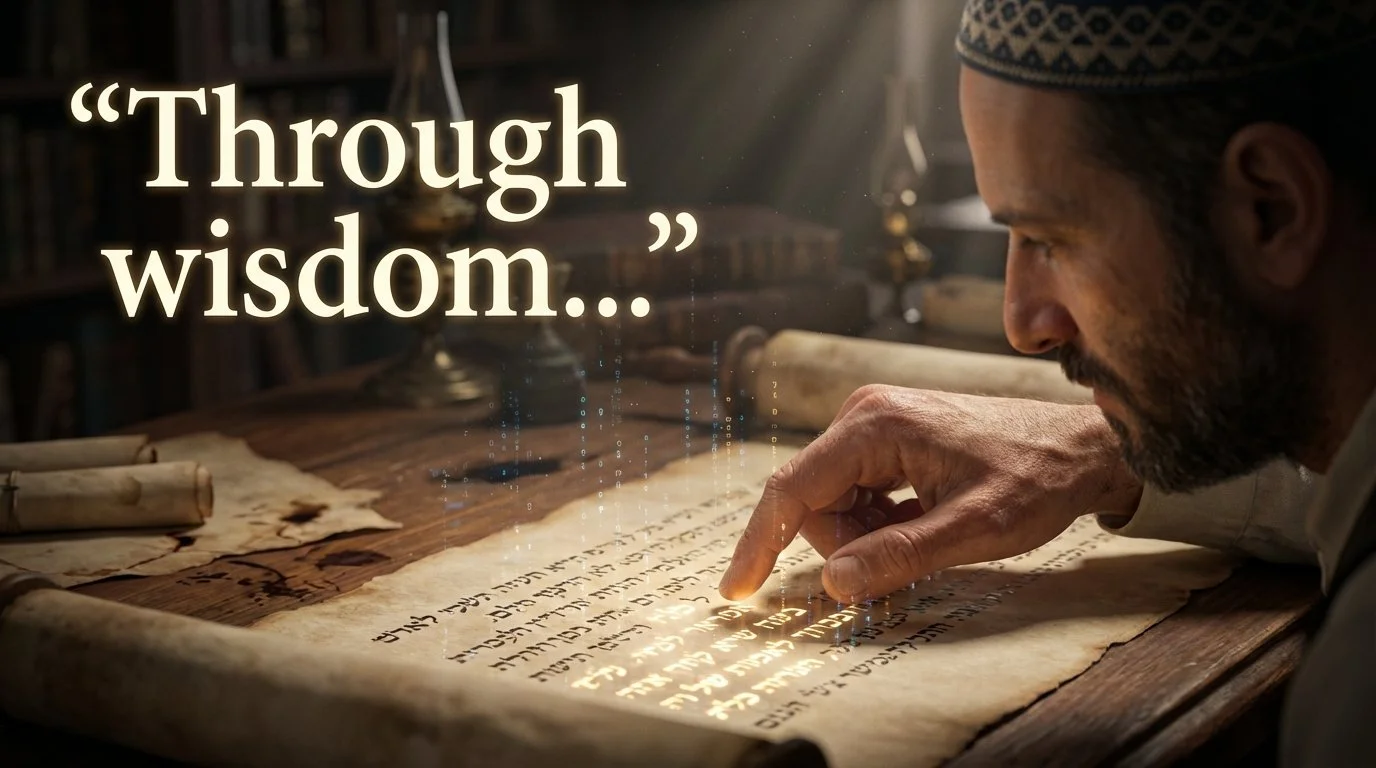
I chose this script because it functions as a cinematic micro-trailer for Purim — a piece of content designed specifically for today’s digital platforms. At 60 seconds, it’s perfectly optimized for Facebook, Instagram Reels, and TikTok, making it highly shareable, mobile-friendly, and aligned with current viewing habits. With Purim just around the corner, the timing makes the content immediately relevant and actionable.
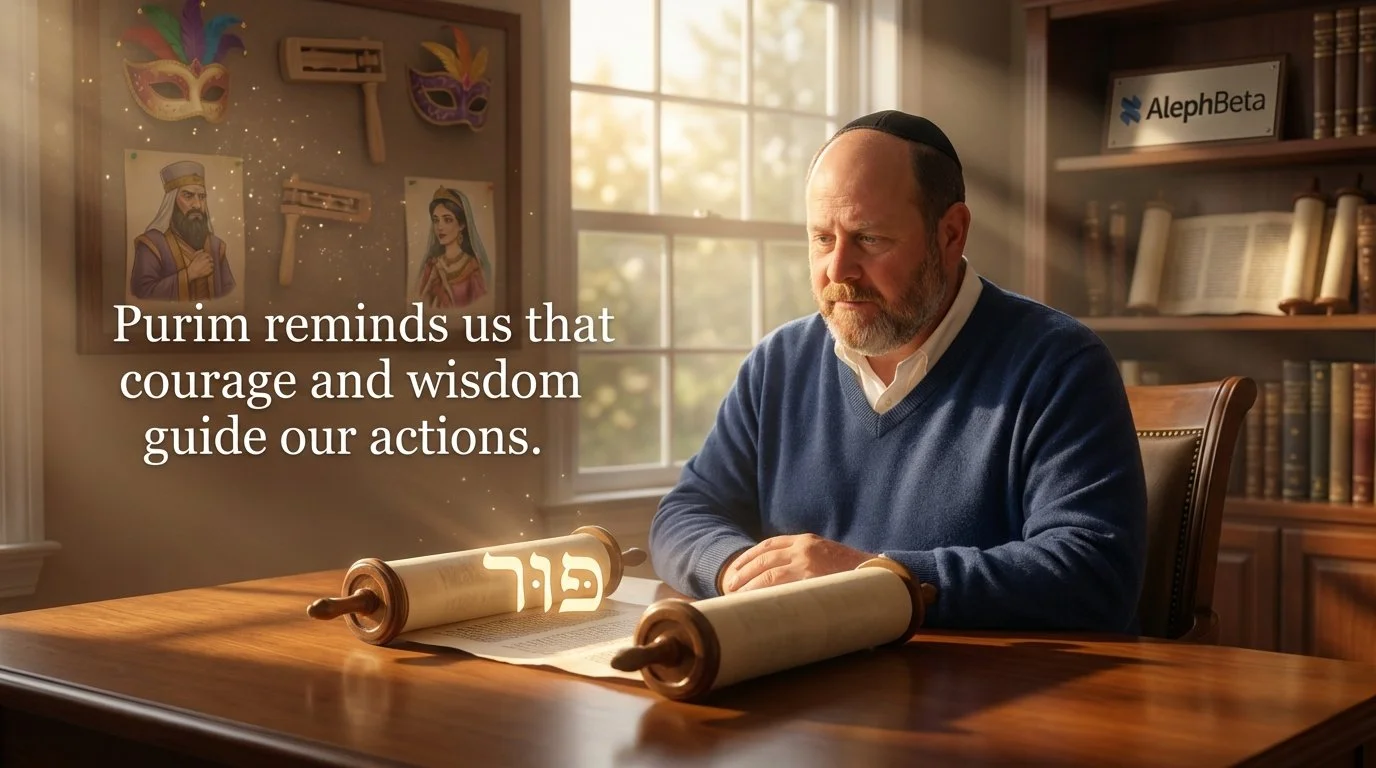
The story itself — centered on Esther, Mordecai, and Haman in ancient Persia — has built-in drama, stakes, and emotional resonance. That makes it ideal for a short cinematic treatment. The hook of the story is transformation: silence turning into courage, danger turning into salvation, and hidden identity becoming revealed truth. That reversal is the core theme of Purim, and it translates powerfully into visual storytelling.
Creatively, my goal was to make the piece feel like a Hollywood film trailer — epic, emotional, and visually rich — even within a very short runtime. This demonstrates how high production value, strong pacing, and cinematic techniques can elevate educational or religious content into something that feels premium and engaging to modern audiences.
I also approached this as a practical showcase of what can be achieved under real constraints. I had limited time, so while there are elements I could refine further, I intentionally submitted it as proof of concept — showing how cinematic detail, narrative clarity, and platform-aware design can quickly produce compelling results.
Strategically, the ending provides a clear call to action. The film can conclude with “Brought to you by Aleph Beta,” followed by an invitation to explore more Purim content on their website. I know Aleph Beta already produces excellent Purim material, so this short film serves as a gateway — a top-of-funnel piece designed to capture attention and drive viewers toward deeper learning.
Ultimately, I chose this script because it combines relevance, emotional storytelling, shareability, and brand alignment. It shows how meaningful content can be packaged in a format that audiences actually watch, share, and remember — especially during a holiday when engagement is already high.
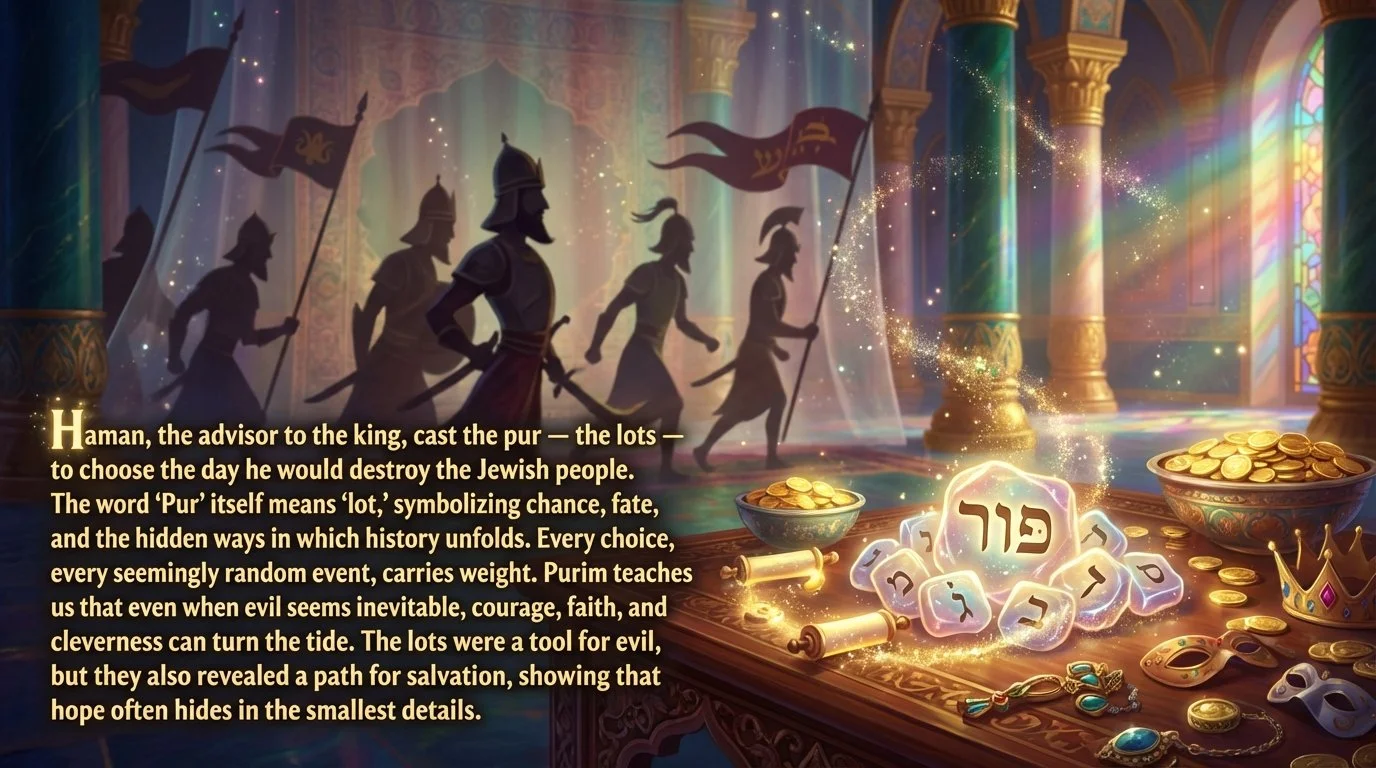
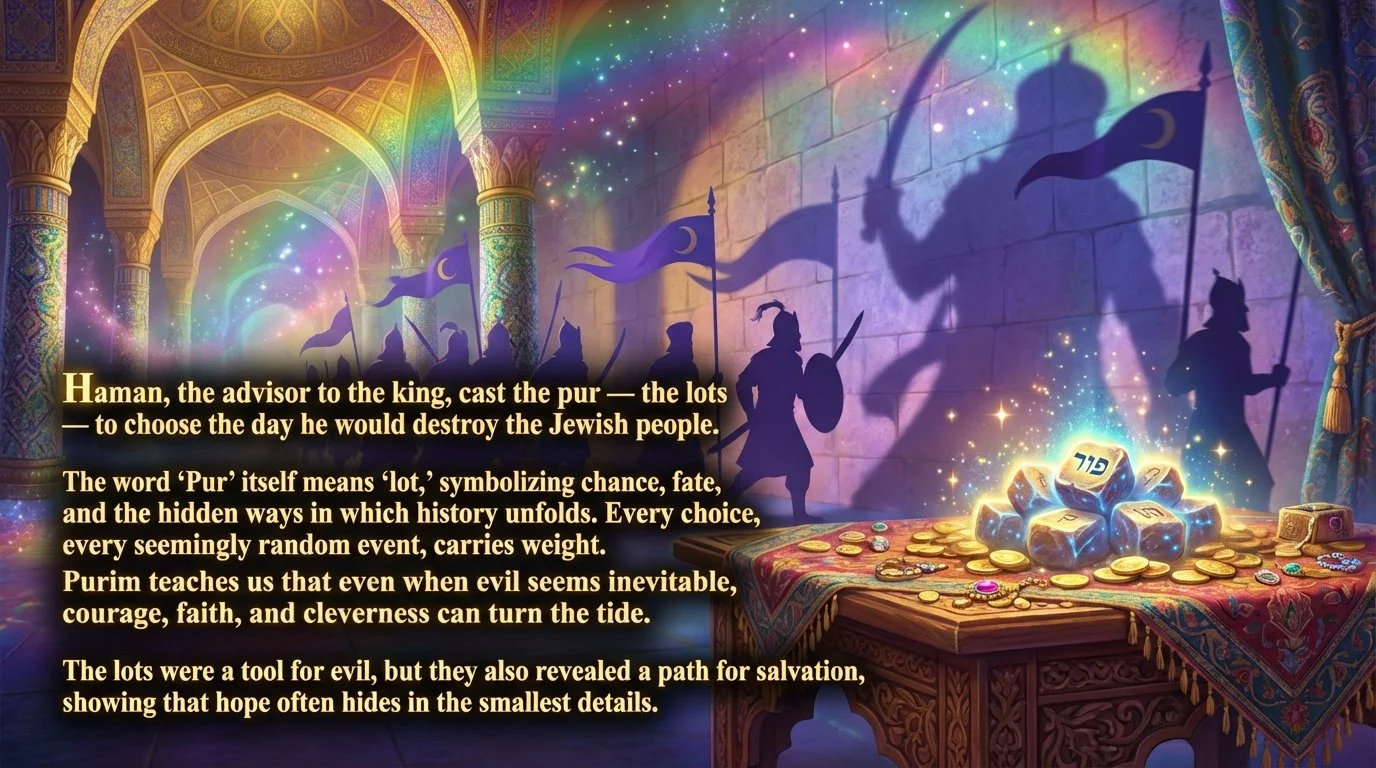
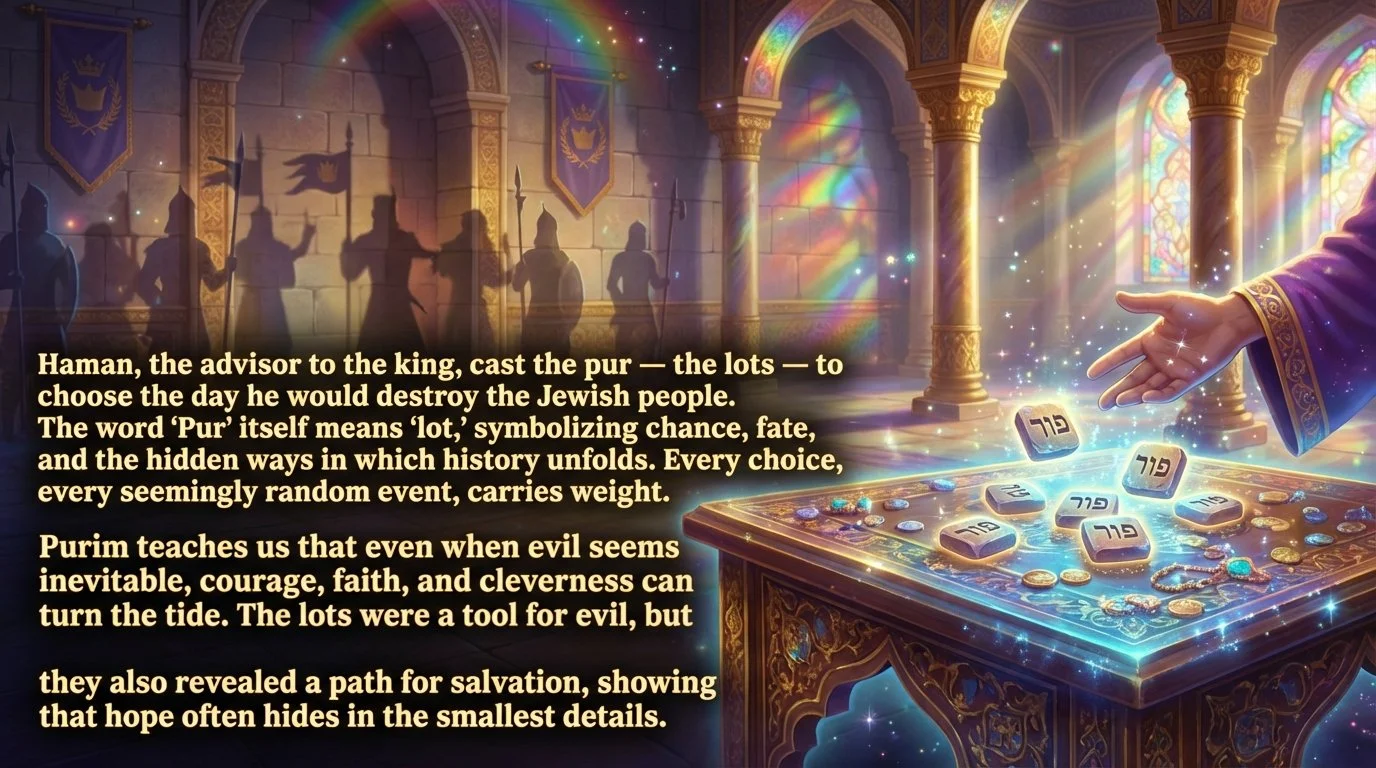
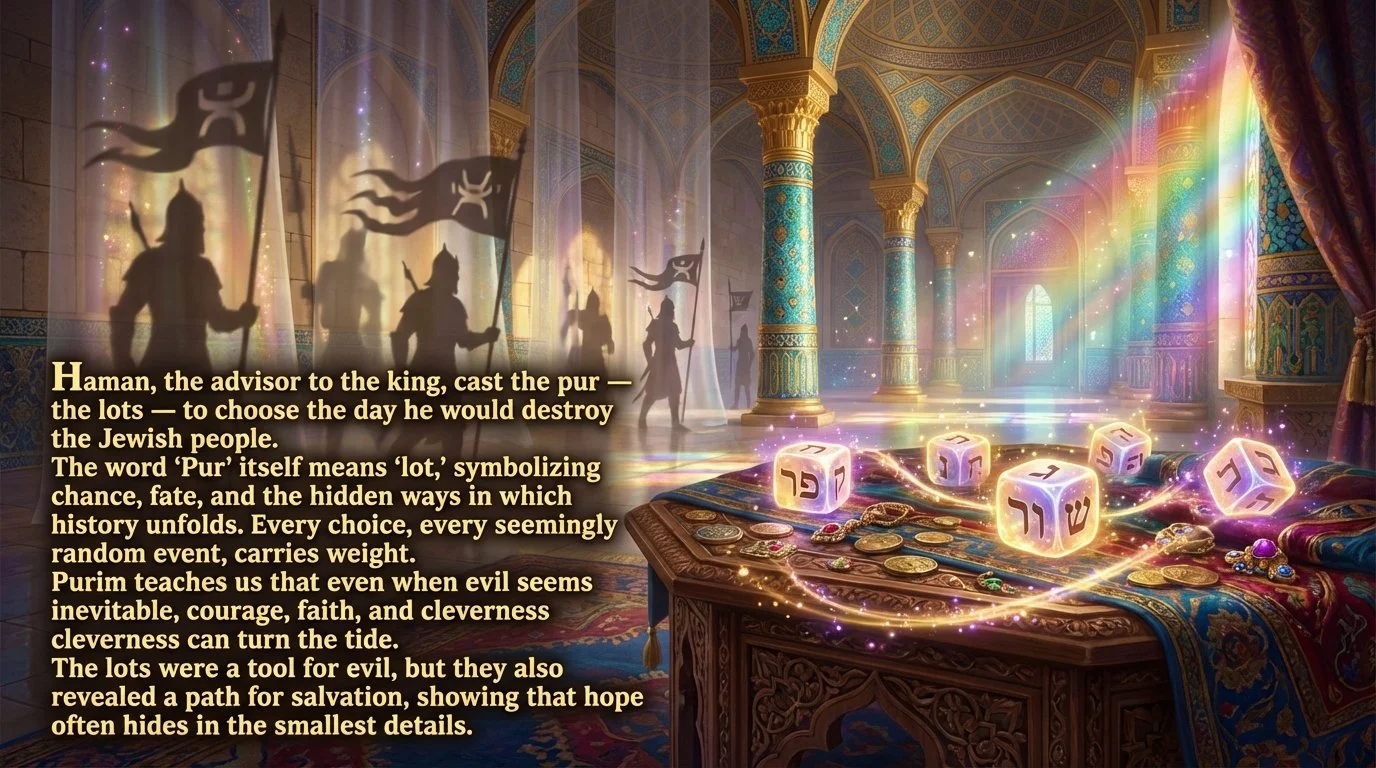
I chose this story because I personally didn’t know where the name Purim came from, and after watching the longer-form explanation on Aleph Beta’s website, I realized how powerful that origin story is. Purim comes from the word pur, meaning “lot,” referring to the lots cast by the villain Haman to determine the day he planned to destroy the Jewish people. That discovery felt like a compelling narrative hook — surprising, dramatic, and deeply meaningful.
My short film is designed to complement that longer-form content, not replace it. The in-depth video on the website explains the idea thoroughly, while this piece distills the essence into an emotionally engaging, highly shareable format. It acts as a cinematic entry point — capturing attention, sparking curiosity, and then guiding viewers toward the full explanation.
The hook of the story is the reversal: something intended for destruction becomes the symbol of survival. Haman’s lots represent chance, fear, and impending doom, yet those same “purim” ultimately give the holiday its name and meaning. Through the courage of Esther and Mordecai, what seemed like random fate becomes a story of hidden providence and redemption. That transformation is emotionally powerful and ideal for visual storytelling.
I intentionally created this as a short-form animated piece — about 60 seconds — because that length is perfectly suited for modern platforms like Instagram Reels, TikTok, YouTube Shorts, and Facebook. These environments reward concise, visually striking content that viewers can watch quickly and share easily, especially when tied to an upcoming holiday.
Creatively, I wanted to push boundaries and make it feel like a Pixar-level short film — cinematic lighting, strong emotional beats, and premium visual quality — to demonstrate that educational or religious content can feel as compelling as mainstream entertainment. The goal was to elevate the story so that it resonates with audiences who might not otherwise engage with traditional formats.
The ending includes a clear call to action. Since Aleph Beta already offers rich Purim resources, the film can conclude with an invitation such as “Discover the full meaning of Purim at Aleph Beta.” In this way, the short film becomes top-of-funnel content: highly shareable, emotionally engaging, and designed to drive viewers to the deeper material on the website.
Ultimately, this project shows how short-form cinematic storytelling can amplify longer educational content — making complex ideas accessible, timely, and compelling right when audiences are most interested, just before Purim.
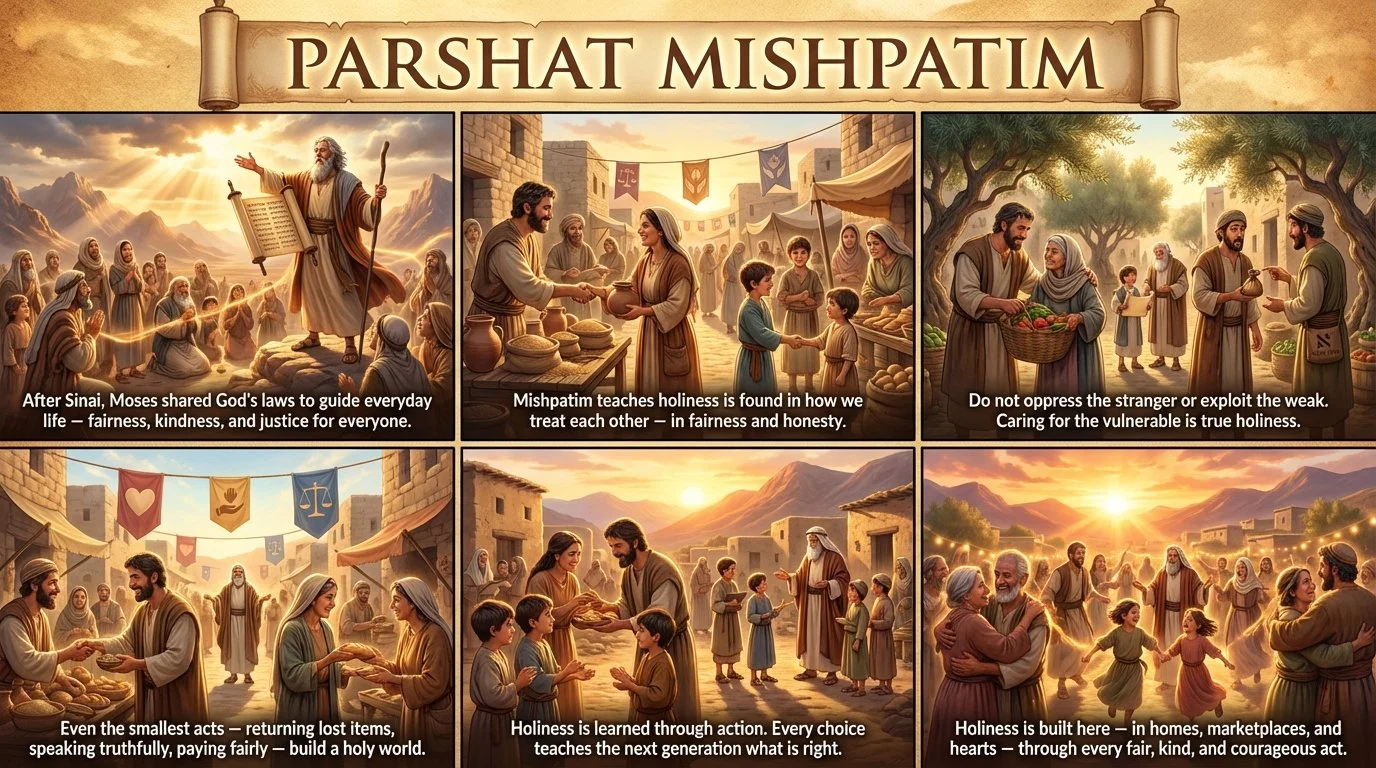
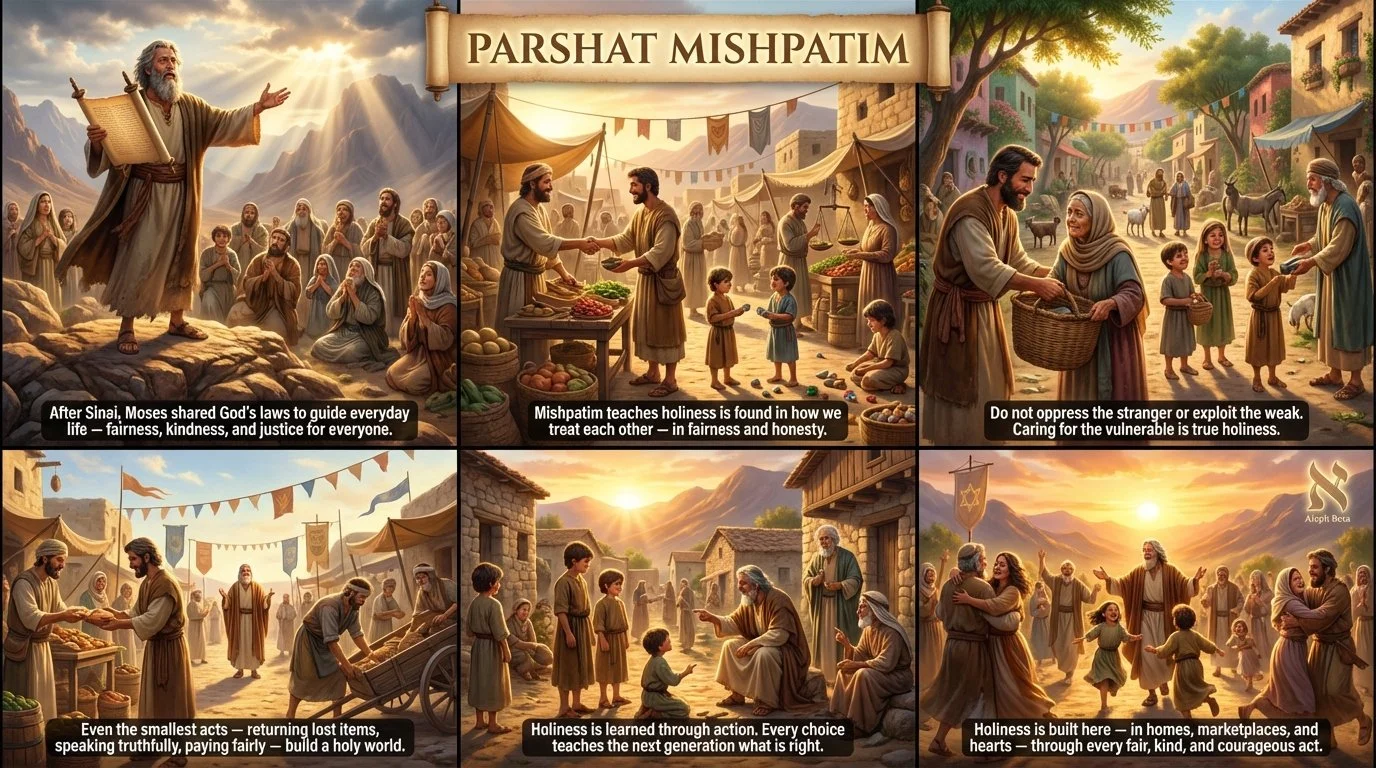
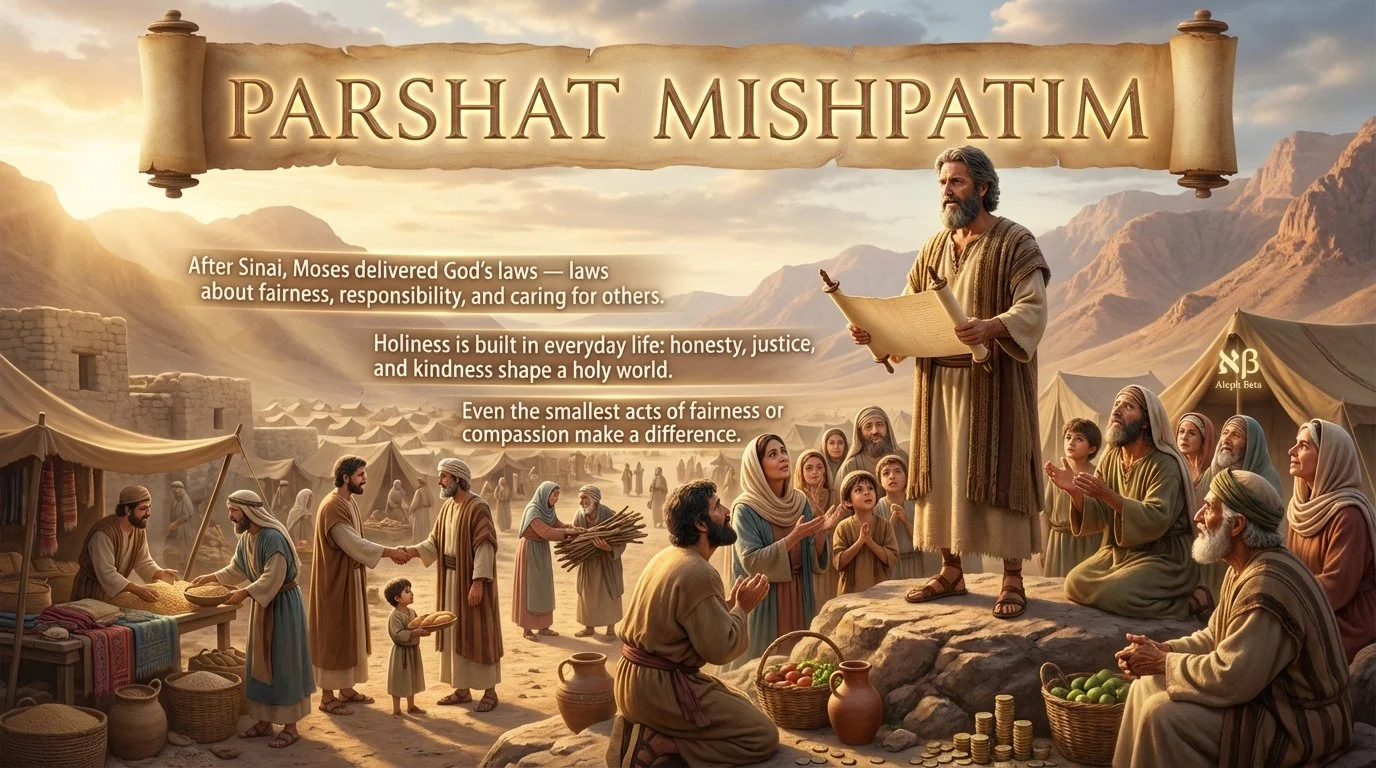
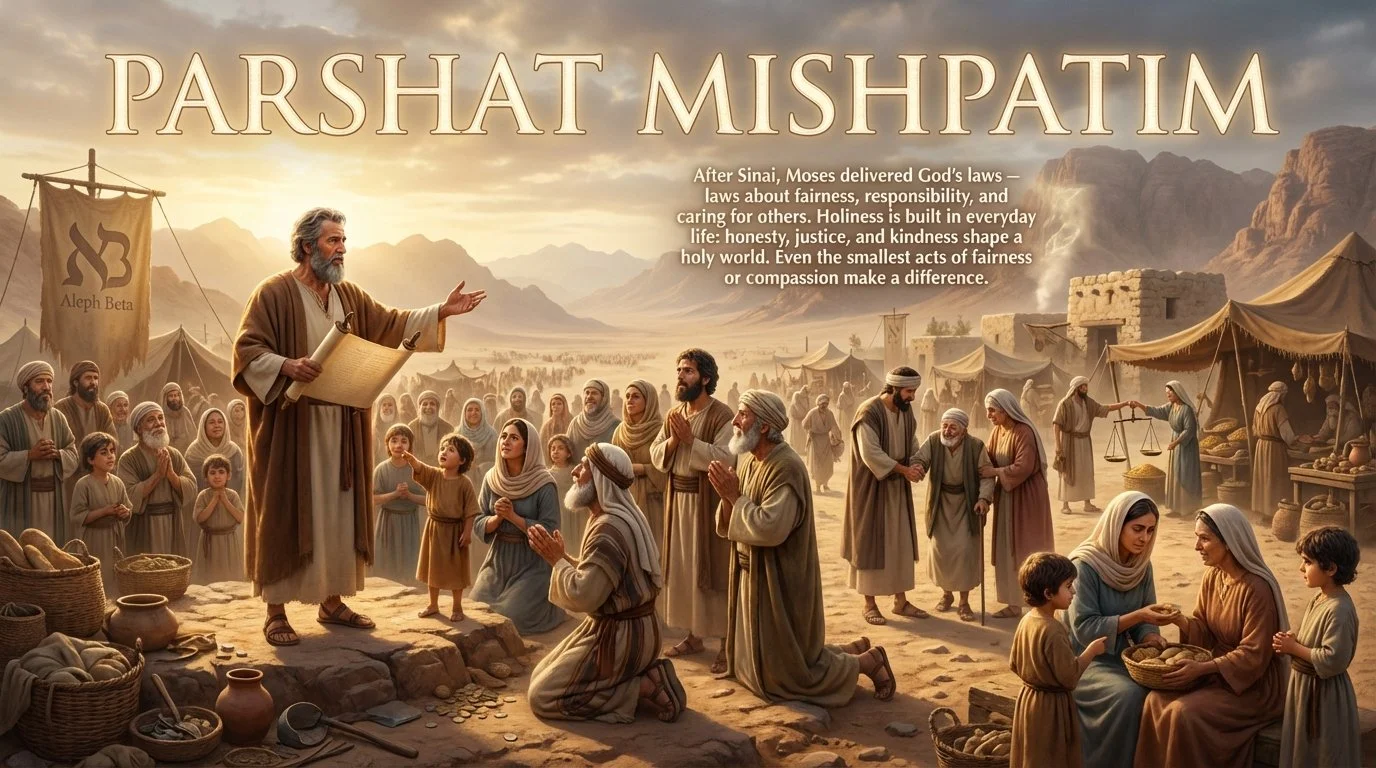
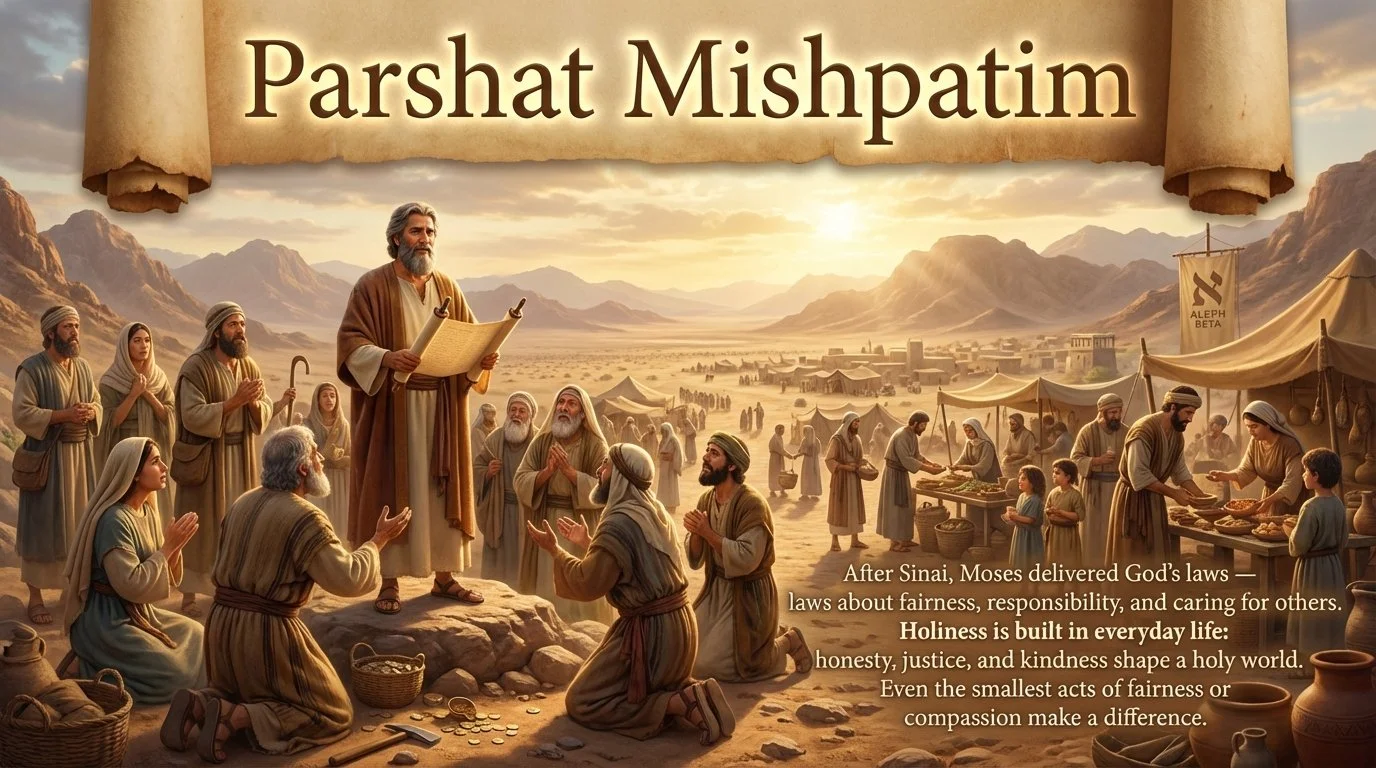
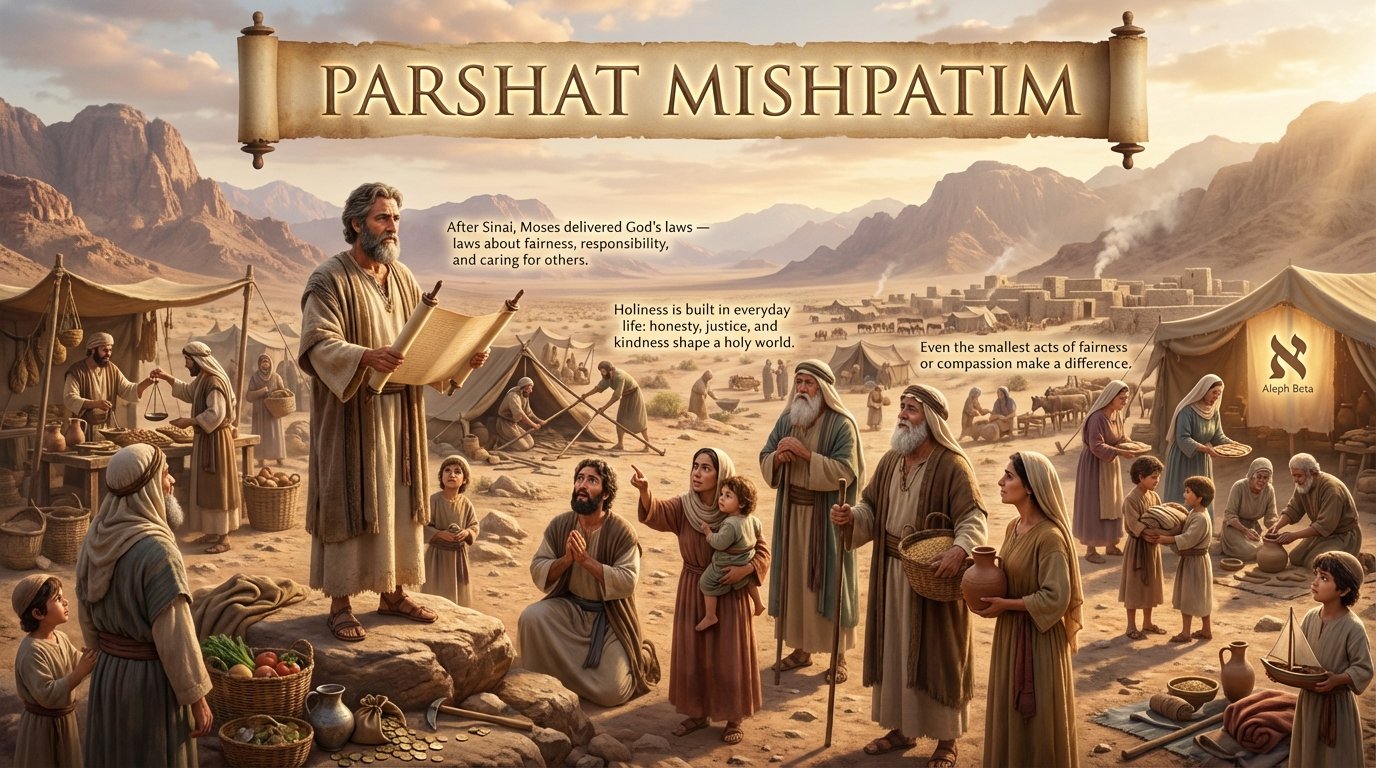
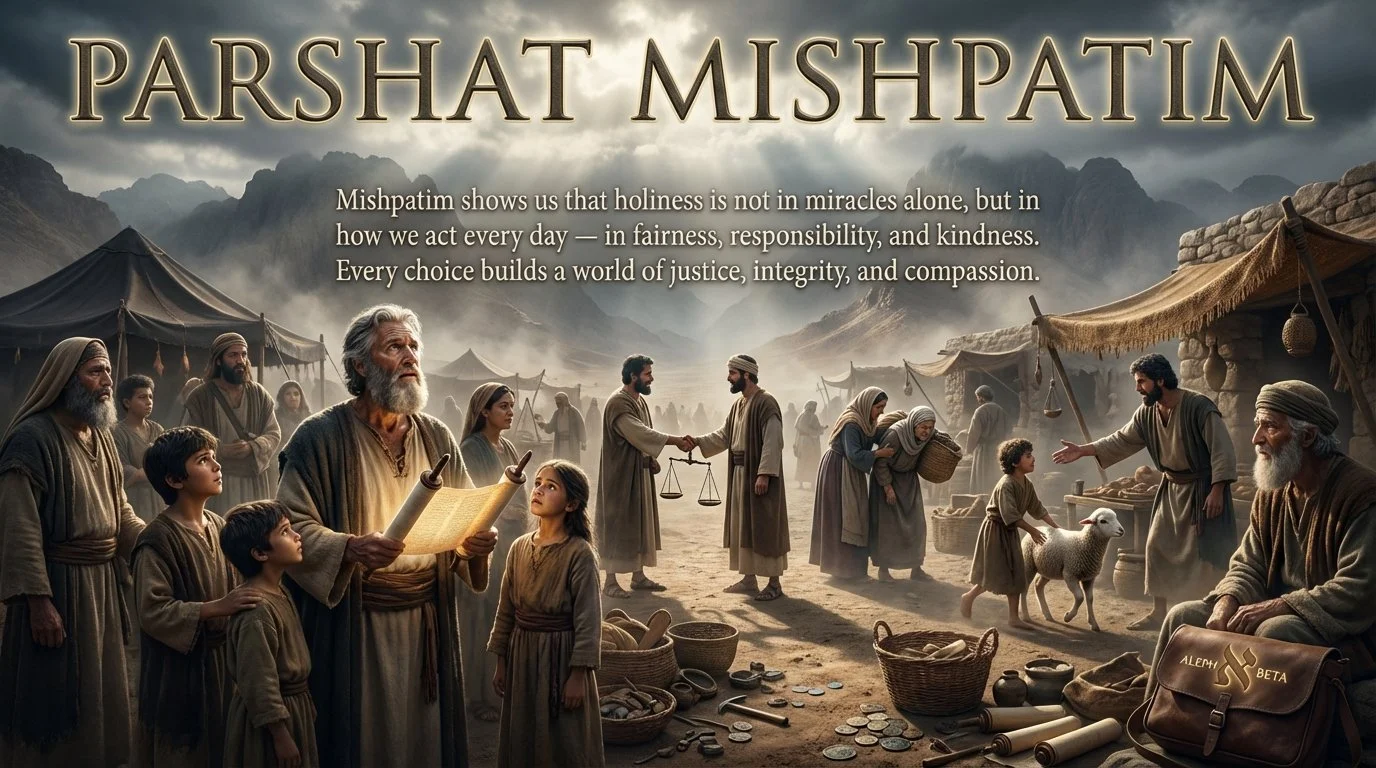
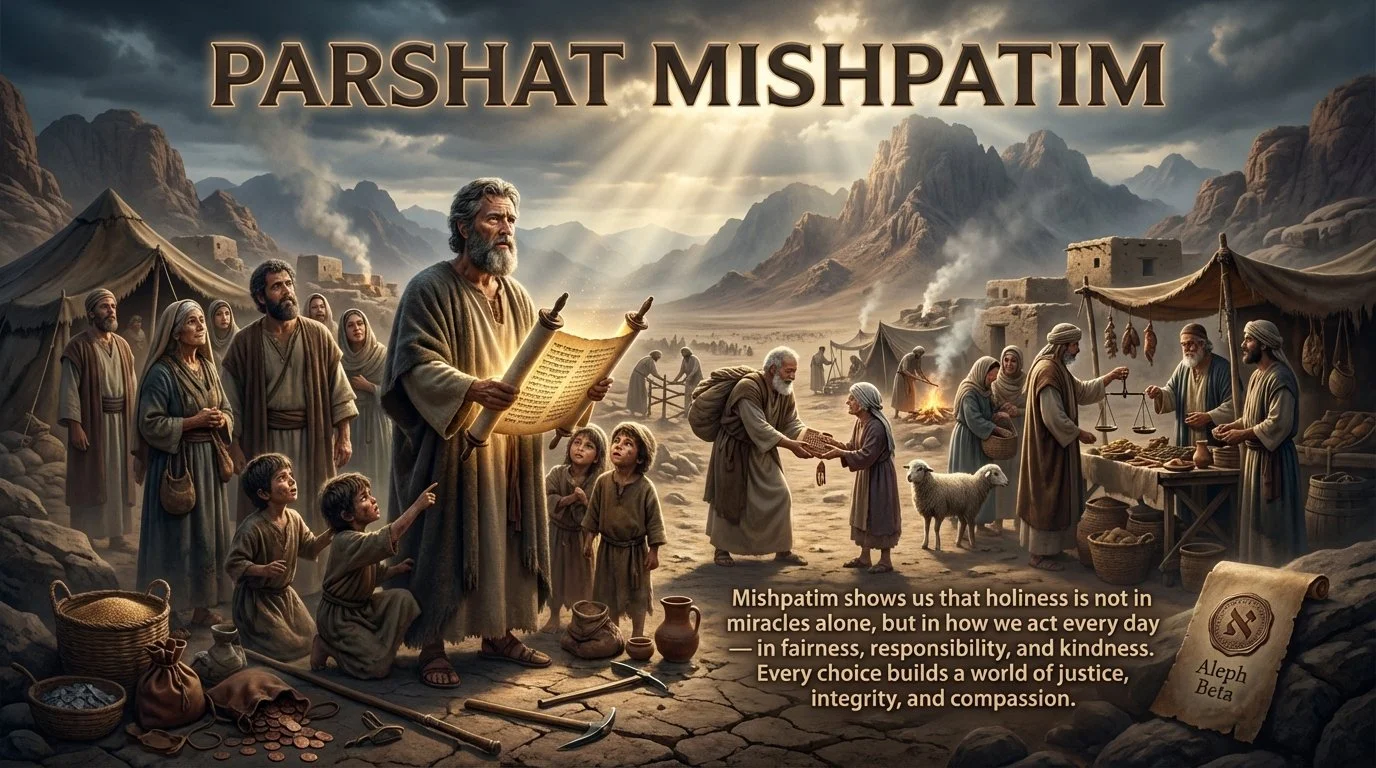
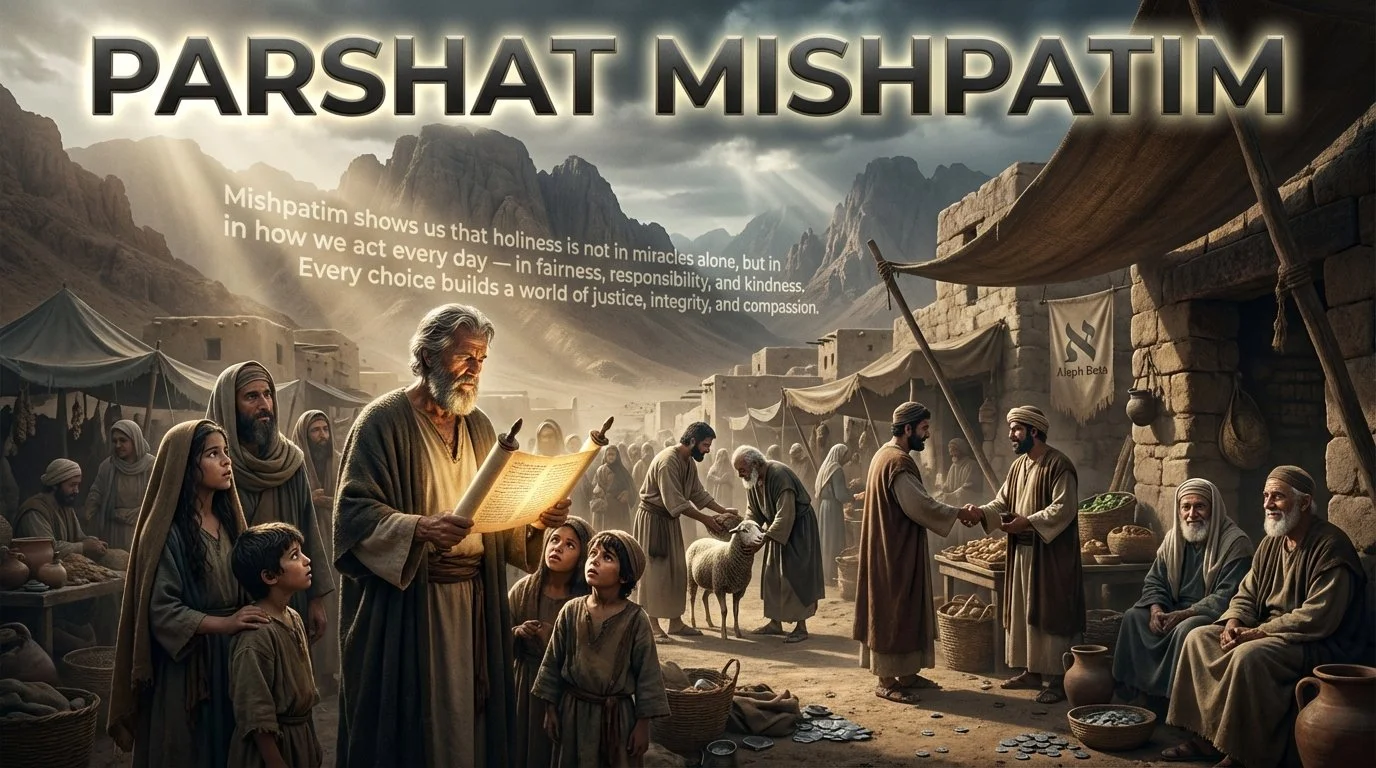
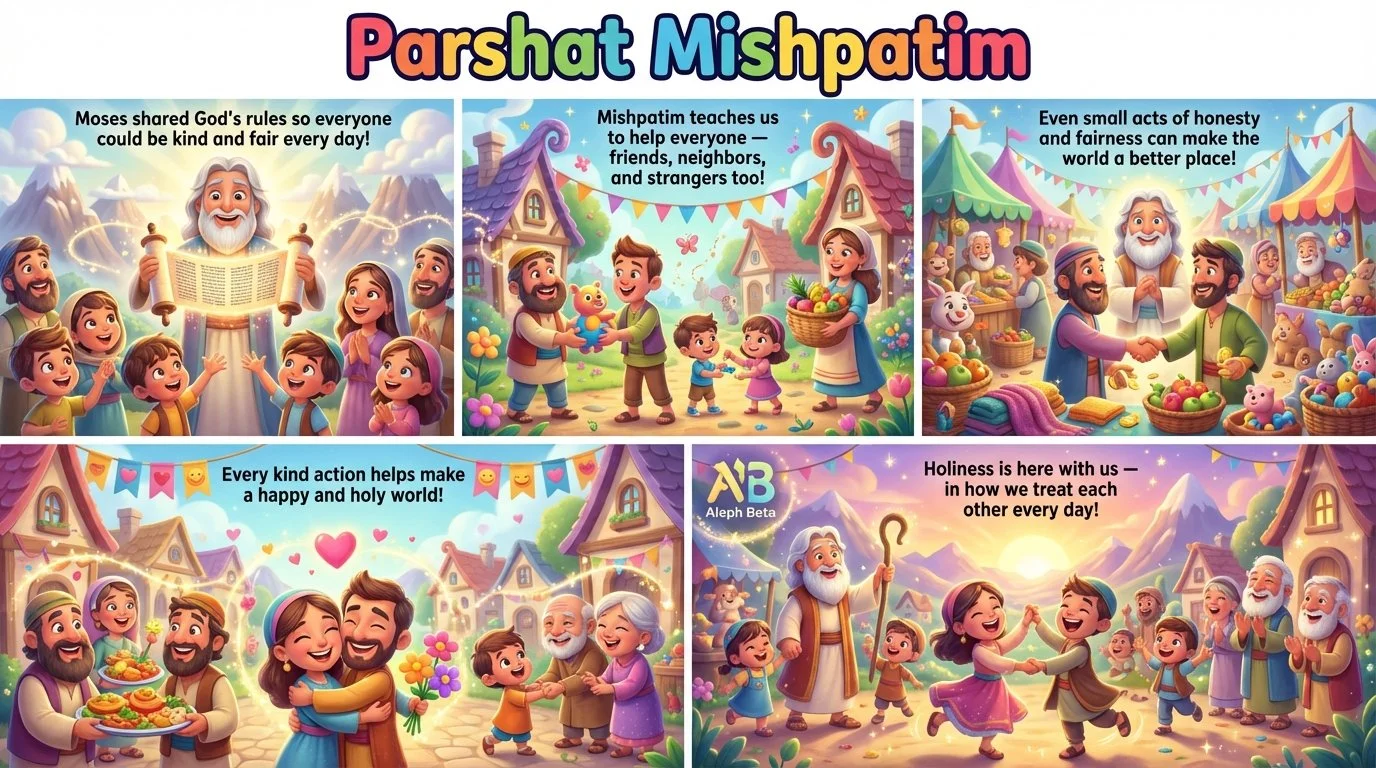
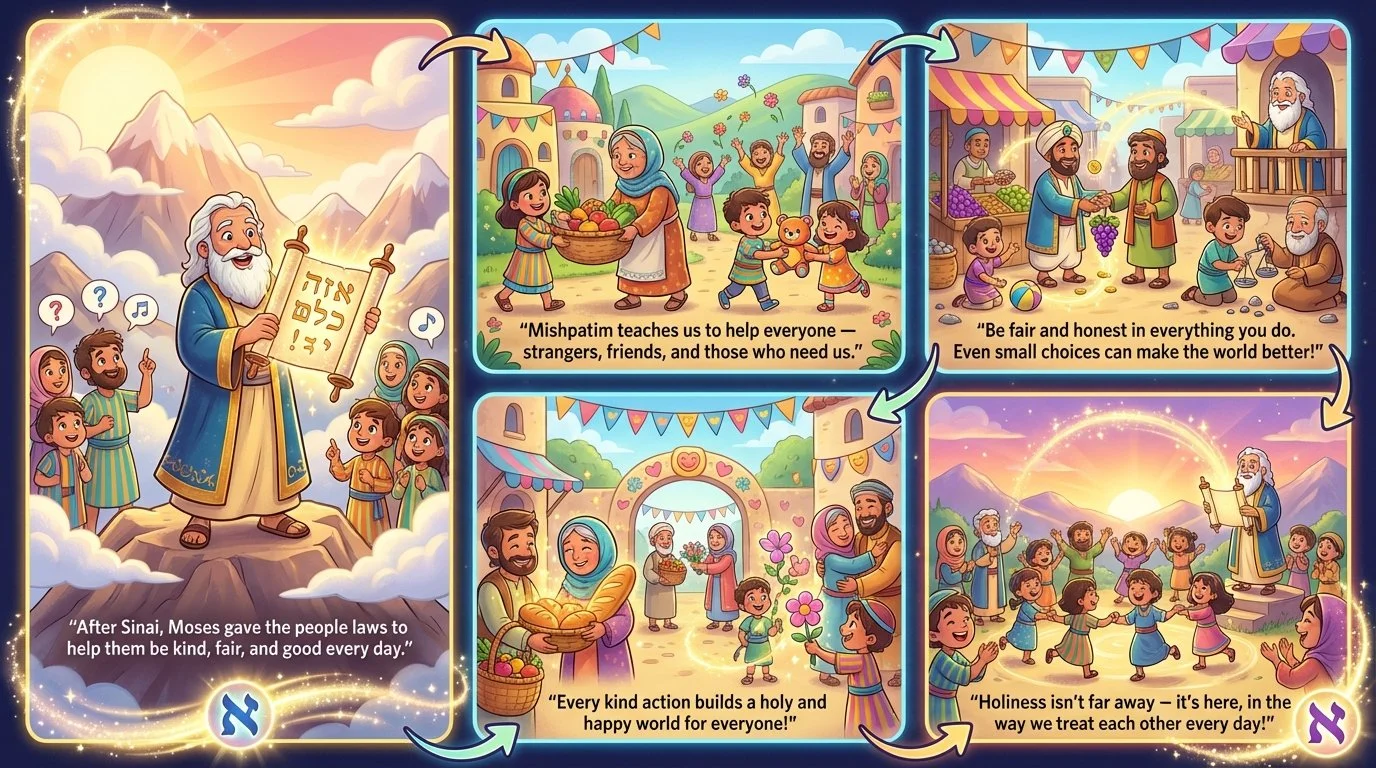
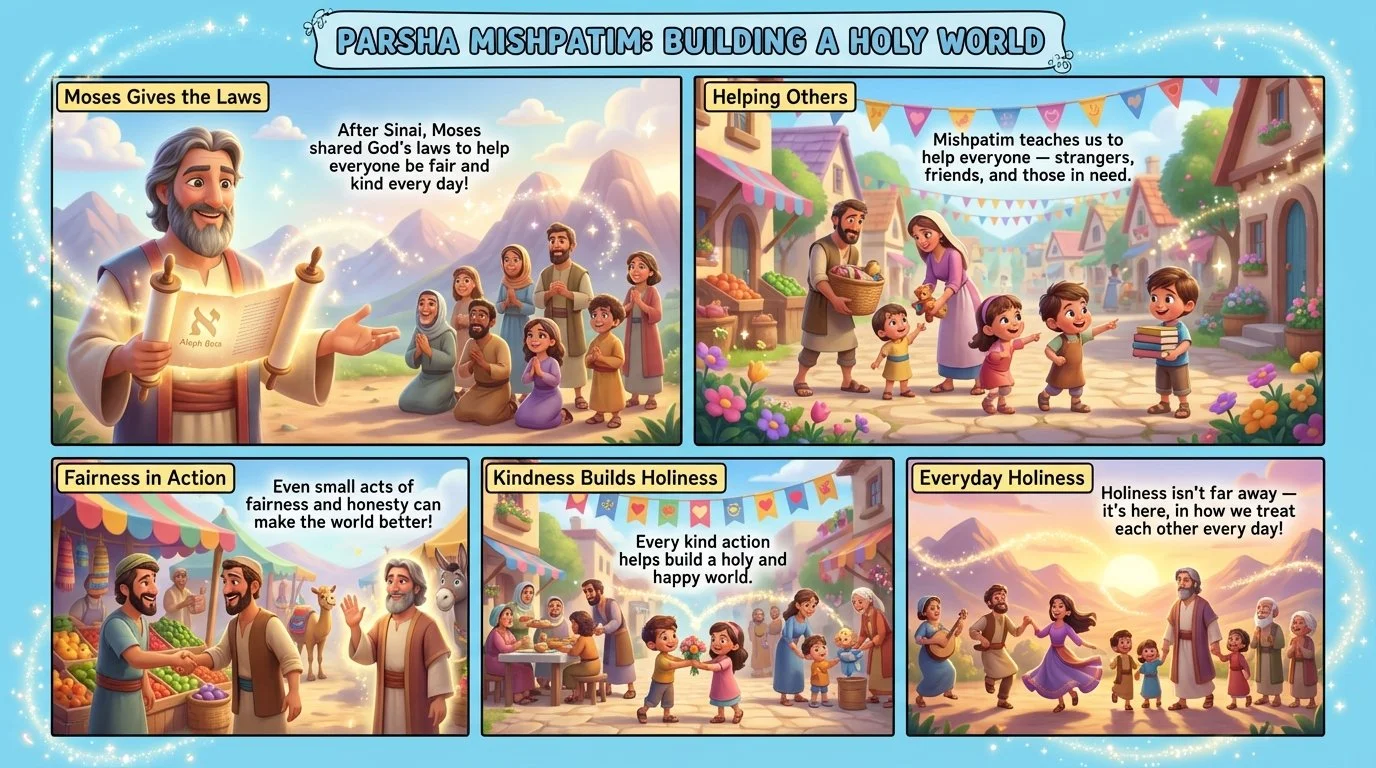
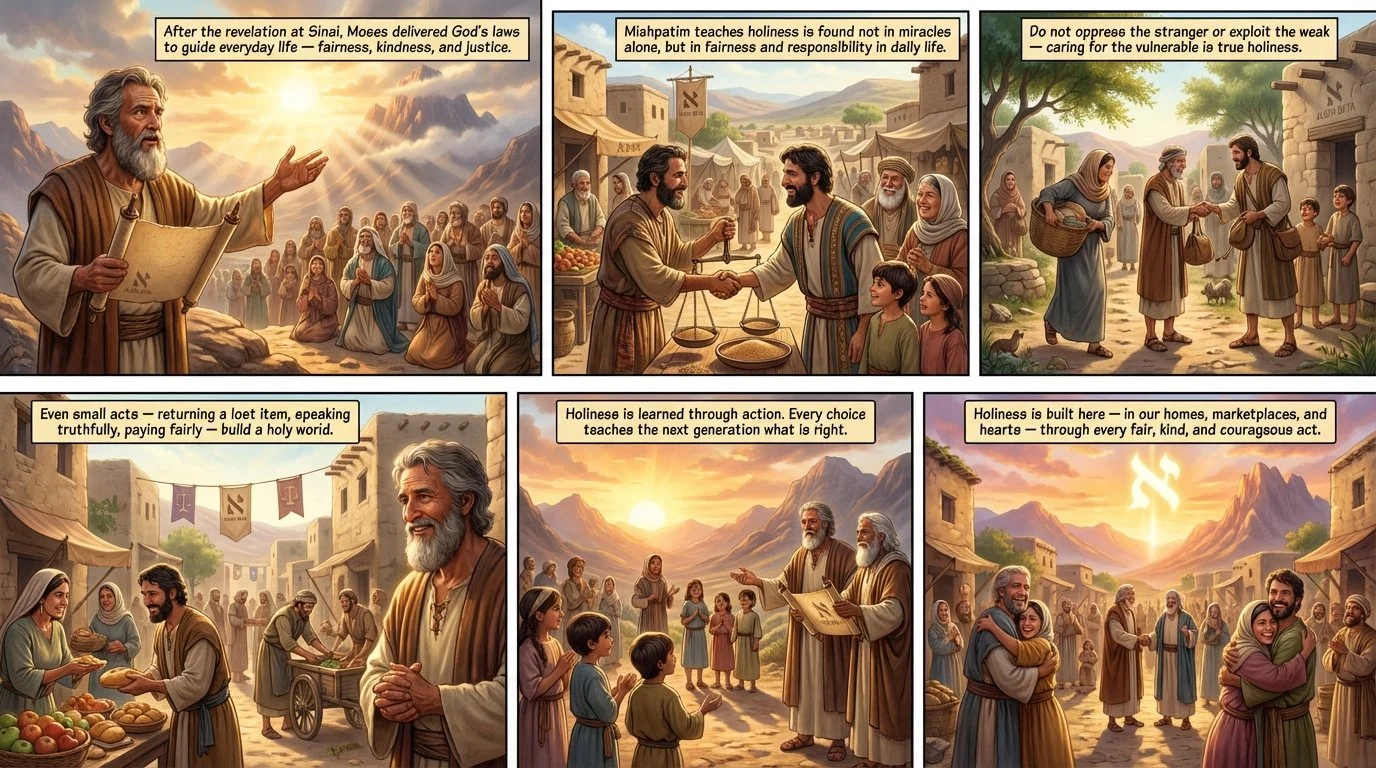
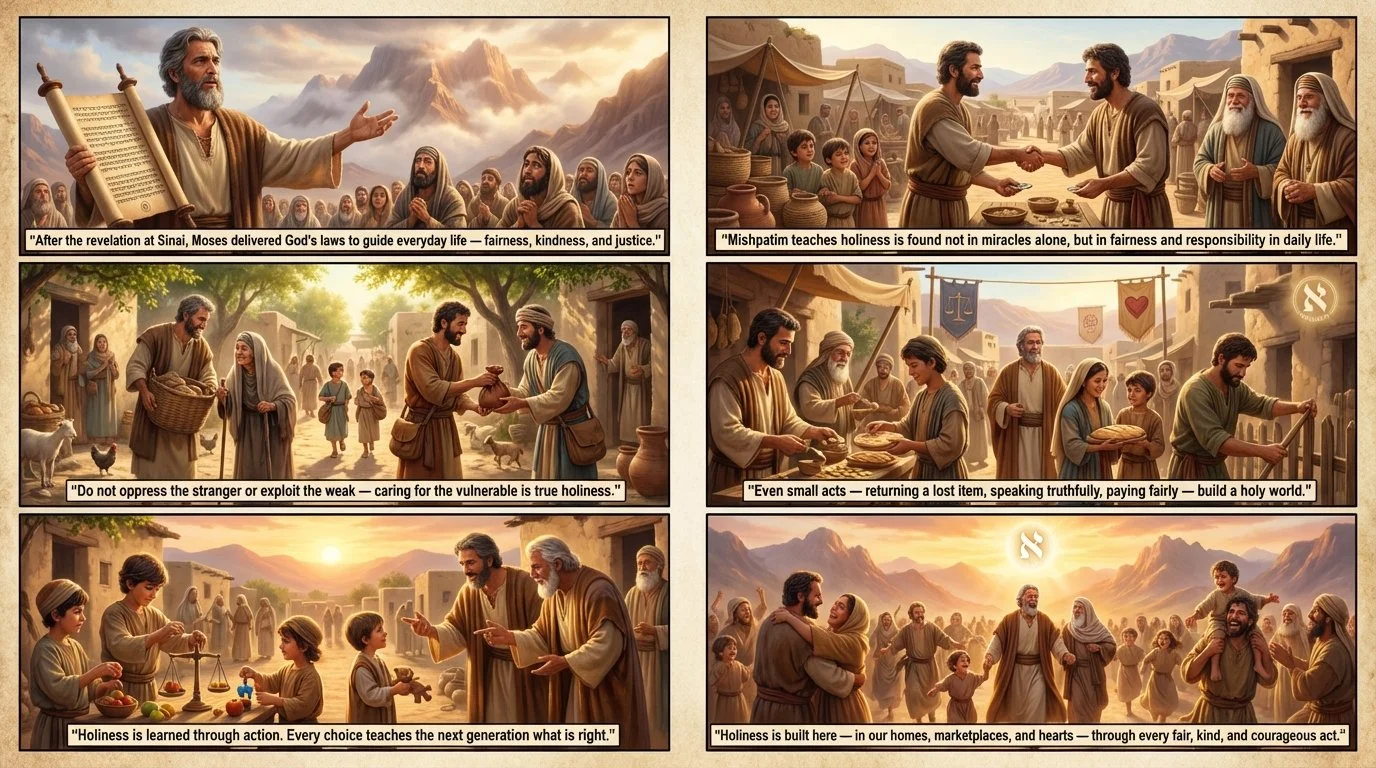
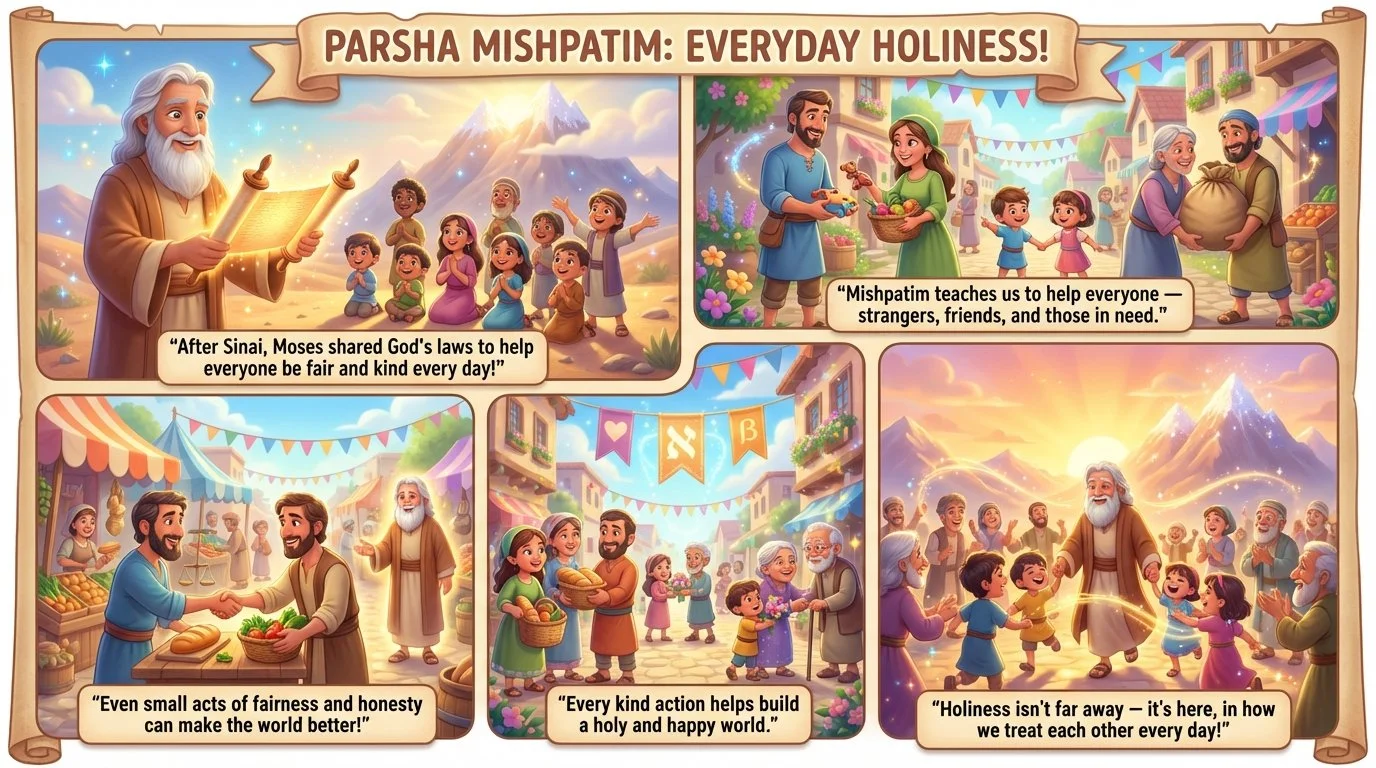
I chose to create a short film based on Parshat Mishpatim because it presents a fascinating storytelling challenge. On the surface, it appears to be a collection of legal rules and civil laws, but the real hook is that these laws come immediately after the dramatic revelation at Mount Sinai. Instead of more miracles or spectacle, the Torah shifts to everyday human responsibility — how we treat workers, strangers, the vulnerable, and one another. That contrast is powerful. The message is that holiness isn’t only in grand moments; it lives in ordinary actions.
Parshat Mishpatim (מִשְׁפָּטִים) essentially answers the question: What does a moral society actually look like in practice? It covers laws about justice, compassion, damages, lending, social responsibility, and ethical conduct. The emotional core — and the hook I focused on — is that these rules transform a freed group of former slaves into a functioning, compassionate nation. It’s about building civilization rooted in values, not power.
This parsha gave me the idea that each weekly Torah portion could become a short-form cinematic piece — essentially a viral micro-episode released every week. Each one could highlight a single powerful theme or narrative moment from that parsha. This format is perfectly suited to platforms like TikTok, Instagram Reels, YouTube Shorts, and Facebook, where audiences engage most with concise, emotionally compelling storytelling.
Creatively, I wanted to push boundaries and make it feel like a Pixar-quality animated short — cinematic lighting, expressive characters, and emotional clarity — rather than something that feels purely instructional. The goal was to show that Torah content can feel warm, human, and visually magical while still being deeply meaningful. Pixar films are known for taking complex themes and making them accessible and emotionally resonant, which felt like the ideal reference point.
By presenting Mishpatim this way, the laws stop feeling abstract and start feeling personal. Viewers can see the human stories behind the rules — workers being treated fairly, strangers protected, justice pursued — which makes the message relevant even today.
Strategically, a weekly series like this could build consistent engagement. Each short piece stands alone, but together they create an ongoing narrative journey through the Torah year. It’s highly shareable, repeatable, and scalable, allowing audiences to anticipate new content every week.
Ultimately, I chose Parshat Mishpatim because it demonstrates that even sections of the Torah that seem less cinematic at first glance actually contain profound human drama and universal themes. My goal was to transform that depth into a visually rich, emotionally engaging short film — something that feels less like a lesson and more like a story people genuinely want to watch and share.
Here I used cloning technology to clone and eventually scale Rabbi David Fohrman’s message.
I wanted to show a concrete example of how we could discuss the weekly Parsha — and holidays like Purim — in a scalable podcast and video format. At Aleph Beta, each episode already explores deep Torah ideas, so my concept was to amplify that model using the latest AI production tools to reach vastly larger audiences.
Specifically, I demonstrated how we could create a video or podcast featuring the recognizable teaching style of Rabbi David Fohrman at scale. With proper permission and transparency, modern AI voice technology can recreate a speaker’s cadence, pacing, tone, and nuances with extraordinary accuracy. If there are concerns, we can clearly disclose to audiences that the voice is AI-generated. The goal is not deception — it’s accessibility and reach.
In my demo, I used a placeholder voice, but with even a short recording session — roughly an hour — it is now technically possible to produce a high-fidelity voice model that captures subtle elements like pauses, emphasis, and vocal texture. I’ve implemented similar solutions for corporate leaders who wanted their voices used for long-form training content, audiobooks, or internal communications. When done properly and ethically, the result can be virtually indistinguishable from traditional narration.
This capability unlocks enormous scalability. We could produce:
Weekly parsha podcasts
Holiday specials (like Purim)
Long-form audiobooks
Short daily insights
Multiple concurrent series
Instead of being limited by recording schedules, the organization could publish consistently — even daily — across audio and video platforms.
I also produced the example as a video to show versatility. The same content can be distributed as:
Full video episodes (YouTube, websites)
Audio-only podcasts (Spotify, Apple Podcasts)
Short clips for TikTok, Instagram Reels, and Facebook
Educational modules or course content
Strategically, this positions the organization to become a leading “podcast house” in the Torah learning space — producing the highest volume of high-quality, thoughtful content while maintaining a consistent voice and teaching style.
Most importantly, this approach preserves the essence of the educator’s delivery — the warmth, cadence, and personality that audiences connect with — while removing the bottleneck of time. It allows timeless teachings to reach millions more people in formats they already consume daily.
Ultimately, my goal in presenting this example was to show how emerging AI tools, used responsibly and transparently, can dramatically expand impact. It’s not about replacing teachers — it’s about extending their reach, ensuring their ideas are accessible anytime, anywhere, and at scale.
Another example I explored was creating a podcast hosted by a fully AI-generated avatar — not modeled on a real person, but a completely original character who looks realistic, expressive, and engaging on camera.
With today’s tools, we’re no longer limited to static audio. We can design visually compelling digital hosts — warm, charismatic, thoughtful characters — who feel human and relatable while being entirely fictional and transparent about their nature. These avatars can anchor video series, podcasts, short-form clips, and even interactive learning modules.
What excites me about this approach is the creative freedom. We could develop:
A wise, scholar-type character who breaks down the weekly parsha.
A curious “everyday learner” persona who asks the questions the audience is thinking.
A historical-style character who narrates biblical events dramatically.
A modern, conversational host for short 60-second Torah insights.
Because the character is original, there are no ethical concerns about cloning or likeness. We design the personality, tone, and visual identity intentionally to match the brand. And since the avatar is digital, production becomes incredibly scalable — we can produce weekly episodes, daily shorts, holiday specials, and multi-season podcast series without traditional filming constraints.
From a platform perspective, this works across:
YouTube (long-form video episodes)
Spotify and Apple Podcasts (audio versions)
Instagram Reels, TikTok, and Facebook (short-form highlights)
Website-based educational series
Visually, we can push it further than traditional talking-head content. The avatar can exist in dynamic cinematic environments — animated libraries, ancient Persia during the Purim story, Mount Sinai during a parsha episode — making each piece feel immersive and elevated. This transforms Torah content from “lecture format” into storytelling format.
Strategically, this positions the brand as innovative and forward-thinking. Instead of competing only with other Torah podcasts, you’re competing with modern media experiences. You become the organization that merges timeless wisdom with cutting-edge delivery.
The bigger vision is building a scalable content ecosystem: multiple digital hosts, each with a clear identity and audience segment, publishing consistently. That consistency builds algorithmic momentum, audience loyalty, and long-term brand authority.
Ultimately, the idea isn’t to replace real educators — it’s to expand the ways their ideas can be expressed. By combining strong Torah scholarship with advanced AI avatars, we can create high-quality, visually compelling content that meets modern audiences where they already are.
I chose this piece because it captures one of the most iconic moments in Torah storytelling — the Burning Bush in Parshat Shemot — and it allowed me to explore not just the story itself, but also the possibilities of modern animation in Torah education. The hook of the story is immediate: Moses, a simple shepherd, encounters the impossible — a bush on fire yet unconsumed — signaling a divine mission that will change history. That tension between the ordinary and the miraculous draws the audience in instantly and makes for highly engaging visual storytelling.
For this project, I intentionally explored Disney-style 2D animation rather than Pixar 3D. My goal was to show the diversity of styles we can use: from classic hand-drawn or painterly animation to modern hyper-realistic AI-generated 3D. Using the latest AI animation tools, we can produce content in virtually any style — cinematic, whimsical, abstract, or traditional — and still maintain emotional impact. This opens up incredible creative flexibility for Aleph Beta, allowing each weekly parsha, holiday, or theme to have its own unique visual identity while maintaining a consistent brand voice.
Structurally, this short-form 60-second piece is perfect for platforms like TikTok, Instagram Reels, YouTube Shorts, and Facebook, where audiences engage most with concise, high-quality, shareable content. Each shot is designed to be visually cinematic — wide desert vistas, glowing flames, intimate close-ups — creating a micro-Hollywood experience that feels premium and memorable. The call to action at the end — guiding viewers to Aleph Beta’s website for more Torah learning — ties the short-form content directly to audience growth and deeper engagement.
Strategically, this piece demonstrates that by producing daily or weekly short videos, Aleph Beta can continuously grow its audience, strengthen brand awareness, and consistently drive traffic to the site. The combination of timeless Torah storytelling, cinematic hooks, and modern animation styles ensures the content is both educational and shareable.
Ultimately, I chose this story because it blends universal drama with spiritual significance. Moses’ encounter with the divine is instantly recognizable, emotionally powerful, and perfectly suited to short-form, visually stunning storytelling. By using AI tools to explore diverse animation styles, we show that Torah content can be modern, accessible, and compelling — reaching audiences in a way that feels cinematic, magical, and deeply engaging.
Project Concept: Hidden Stories of the Torah – Multi-Format Narrative Series
I’ve decided to launch a new podcast series titled “Hidden Stories of the Torah,” focusing on the lesser-known insights, secrets, and moral complexities behind biblical narratives. The inaugural episode will explore “The Brother Who Never Slept: Secrets of Jacob and Esau,” delving into the psychological, spiritual, and political layers of this ancient sibling rivalry.
This project isn’t just a podcast — it’s a multi-format storytelling platform:
Long-Form Podcast Episodes:
Each episode runs 20–30 minutes, blending cinematic storytelling with scholarly insight.
Use video and voice cloning to bring historical figures and narrators to life without the need for live actors. For instance, Jacob’s voice could be rendered as a young, intense, conflicted character, while Esau’s voice embodies strength, pride, and impulsivity.
Episodes include visual supplements — animated graphics, storyboards, or subtle video overlays that illustrate key moments from the Torah in an engaging, immersive way.
Animated Mini-Series Adaptation:
Each podcast episode can be adapted into short animated episodes, keeping the same script, tone, and voice.
Animation styles could vary: cinematic realism for tense, dramatic moments; stylized, colorful animation for dreamlike or symbolic sequences.
This opens opportunities for social media snippets, making complex Torah narratives accessible and shareable.
Cinematic Video Shorts / Clips:
Key moments can be transformed into 30–60 second hyper-realistic video shorts, optimized for platforms like YouTube Shorts, TikTok, and Instagram.
Example: A single shot could show Jacob wrestling with the angel at night, illuminated by surreal golden light, with a voice-over revealing his inner turmoil.
Interactive Storytelling Components:
Use transmedia storytelling: users can explore the Torah stories through supplementary content, such as interactive timelines, maps of biblical journeys, or character dossiers explaining motivations and hidden patterns.
Optional “deep dive” episodes can explore historical, linguistic, or ethical insights, giving viewers an academic and spiritual lens.
Branding & Educational Potential:
Series branding can be modern, cinematic, and spiritual, appealing to audiences interested in history, faith, philosophy, and narrative depth.
Collaborations with educational platforms or Torah study communities can provide guided discussions, making this both entertainment and study material.
Example: Episode 1 – “The Brother Who Never Slept: Secrets of Jacob and Esau”
Podcast Version: Audio narration with immersive sound design, dramatized readings, and voice-cloned characters.
Animated Version: 10–15 minute episode showing Jacob’s dreams, Esau’s impulsivity, and the family dynamics, blending realism and stylized visuals.
Social Clips: 20–60 second cinematic shorts of pivotal scenes — e.g., the blessing exchange, Jacob’s flight, Esau’s anger — each optimized for digital virality.
Expansion Vision:
Build a library of hidden Torah stories, each with multiple content forms: podcast, animation, cinematic shorts, and interactive elements.
Explore story arcs: sibling rivalries, moral dilemmas, hidden miracles, and untold character motivations.
Potential global reach: multi-language voice-cloned episodes and animated shorts can appeal to both religious and secular audiences worldwide.
In the examples I shared earlier, I used an older AI video-cloning model. The primary reason was cost-efficiency — older models are significantly cheaper, which helps when prototyping or testing multiple creative ideas without committing to high expenses. Even with the older model, the quality was sufficient to demonstrate how the content could look and feel in video format.
However, for a full-scale production, I recommend switching to one of the latest AI video-cloning models. These newer models offer:
Higher realism and fidelity:
Faces, lip-sync, and gestures are far more lifelike.
Emotions and subtle expressions are captured in a way that older models often struggle with.
Better integration with voice cloning:
The latest models can seamlessly combine with AI-generated voices, ensuring the character’s speech, tone, and expressions match perfectly.
This allows for fully immersive storytelling where viewers can’t distinguish AI from real actors.
Efficiency and scalability:
Advanced models process faster and support batch rendering for multiple scenes or episodes.
This reduces production time and makes it feasible to produce multiple episodes in parallel.
Cost trends:
While subscriptions to the newest AI tools are an investment, prices are rapidly decreasing as more companies enter the market.
Competition among AI providers is driving features and pricing down, so what was once prohibitively expensive is now accessible for ambitious projects like this.
In short: the older model works for demos and early-stage prototyping, but the latest models unlock the full potential of the project — hyper-realistic video, scalable production, and high-quality, engaging storytelling — at a cost that is now increasingly manageable.
In this example, I am using the latest Avatar Voice and Video Cloning technology from Google. This allows for ultra-realistic, expressive character performances where both voice and facial movements are synchronized naturally. Compared to older models, the results are much more lifelike — subtle emotions, gestures, and speech nuances come through in a way that enhances storytelling dramatically.
Using this latest technology, we can bring historical and biblical figures to life convincingly, creating an immersive experience for viewers. It also makes it easier to scale production across multiple episodes, as the AI handles complex animation and voice work efficiently.
Here is the Parsha Mishpatim animated video, now translated into Hebrew to reach a much wider audience. By providing Hebrew-language content, we can engage native Hebrew speakers and learners worldwide, particularly within the global Jewish community.
There are roughly 9–10 million Hebrew speakers globally, most of whom are Jewish. This includes around 9 million in Israel and smaller communities in the United States, Europe, Canada, and other countries. Translating the content into Hebrew not only makes it more accessible for these viewers, but it also strengthens cultural and religious connections, allowing audiences to experience the Torah stories in their original language context.
Here is Rabbi David Fohrman perfectly dubbed into French, allowing his teaching to reach a broader Francophone audience. Unlike traditional “old school” dubbing, which often suffers from awkward timing or out-of-sync lips, this version uses the latest AI voice and video tools to produce a fully synchronized, natural performance. Rabbi Fohrman’s words, intonation, and expressions match perfectly with the video, making it feel authentic and immersive to French-speaking viewers.
There are approximately 1.2 million French-speaking Jews worldwide, primarily in France, Belgium, Canada (especially Quebec), Switzerland, and parts of North Africa. By providing content in their native language, we can engage this community more effectively, making complex Torah insights accessible and compelling. This approach not only broadens the audience but also strengthens cultural and educational connections, enabling viewers to experience the teachings as if they were hearing them live.
Here is a cinematic trailer for Aleph Beta, designed to be short, visually striking, and emotionally impactful. Because of its brevity and high production value, it is perfect for YouTube pre-roll ads, which are widely watched and offer an excellent opportunity to reach a highly targeted audience.
By allocating a modest advertising budget, we can place this trailer in front of users who are already interested in Jewish learning, Torah study, or related educational content. YouTube’s targeting tools allow us to reach viewers by interests, demographics, and even geographic location, ensuring that every impression lands with someone likely to engage with Aleph Beta.
This approach maximizes both reach and engagement: the cinematic quality draws attention in the first few seconds, while the precise targeting ensures the message connects with viewers most likely to benefit from Aleph Beta’s content. Over time, this can increase subscriptions, website visits, and community growth, all while keeping costs efficient because the content is short, reusable, and highly shareable.
I have recently made aliyah, marking the next chapter in my journey to break into the international first-world marketing and content creation space. In South Africa, I founded Artifice Studios (https://www.artificestudiosai.com) and Picturescope (https://www.picturescope.com), platforms through which I’ve built experience in high-quality content production, storytelling, and innovative media solutions.
Through Picturescope, we created our first feature film, Free State, which was recognized as the Best Independent South African Short Film of the Year. The film can be viewed here: https://vimeo.com/user175224662/freestate (Password: Brothers). It is also listed on IMDb: https://www.imdb.com/title/tt16428782/.
Most recently, we completed The Home, a documentary-comedy centered on a Jewish old age home in South Africa, which is now entering the international festival circuit: https://vimeo.com/909041498 (Password: thehome2024). This project allowed us to experiment with blending humor, cultural nuance, and heartfelt storytelling — elements that could translate perfectly into global digital content.
Please see my Israeli films I am proud of: https://www.artificestudiosai.com/israel-films
Looking forward, it would be a dream to establish an AI Studio within Aleph Beta, which I could lead. My vision is to create an omnichannel AI content hub, producing daily, high-quality Torah-inspired content across multiple formats: podcasts, video, animation, social clips, and interactive learning experiences. With the help of one more South African AI specialist I know, we could potentially double this output, creating short-form series with production values on par with Netflix. The financial advantage is significant, as paying in dollars makes compensation for talent extremely cost-effective — the dollar is roughly 20 times stronger than the rand.
Even on my own, I could produce a significant volume of content. But with a small, dedicated team, we could scale to a level where fan-animated features, cinematic shorts, and daily Torah learning content could be delivered efficiently. This hub could centralize AI-driven video and voice cloning, script generation, automated editing, and cross-platform publishing, making Aleph Beta a global leader in digital Torah storytelling.
Most of this concept is outlined in the video I’ve shared, but the full vision is for an AI-powered, omnichannel marketing and content creation studio within Aleph Beta — one that would elevate engagement, expand the global audience, and allow the creation of high-quality, scalable Torah content at an unprecedented pace.
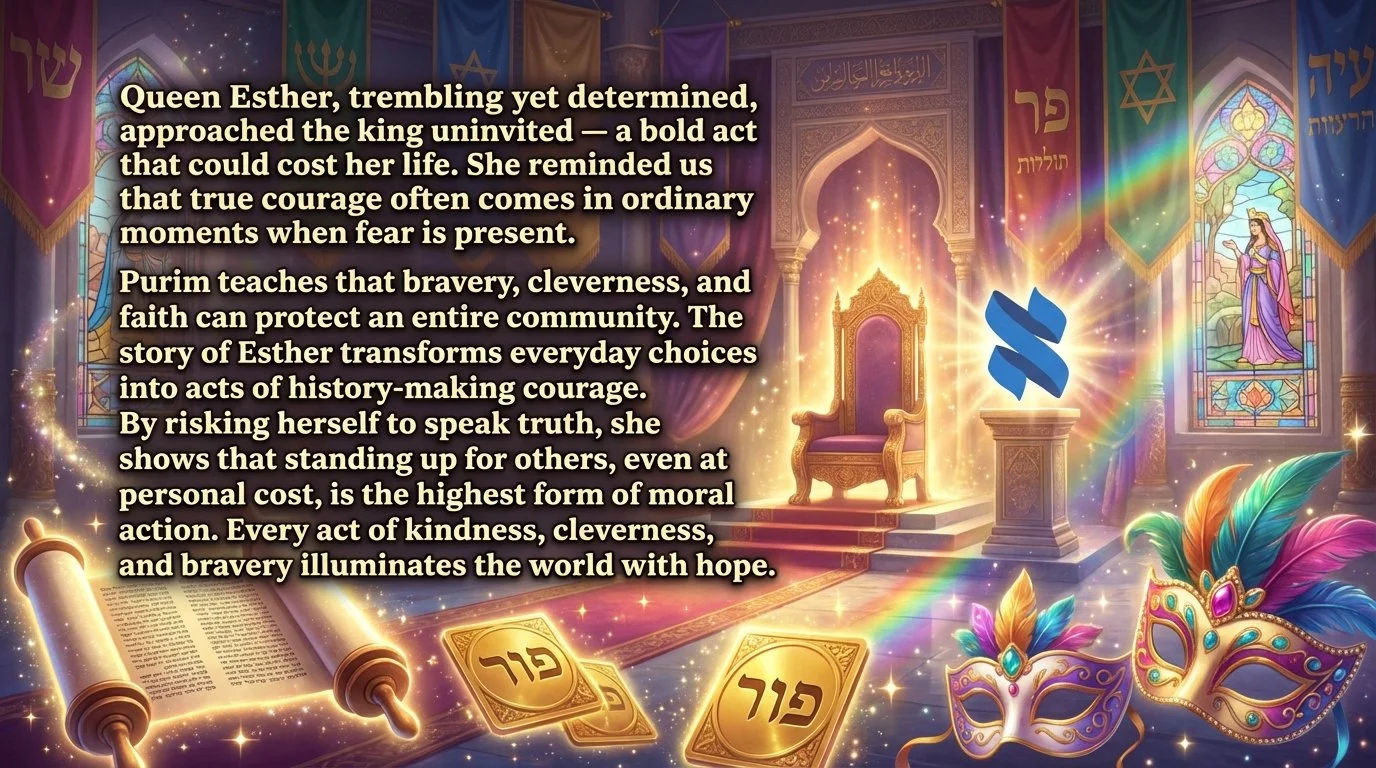
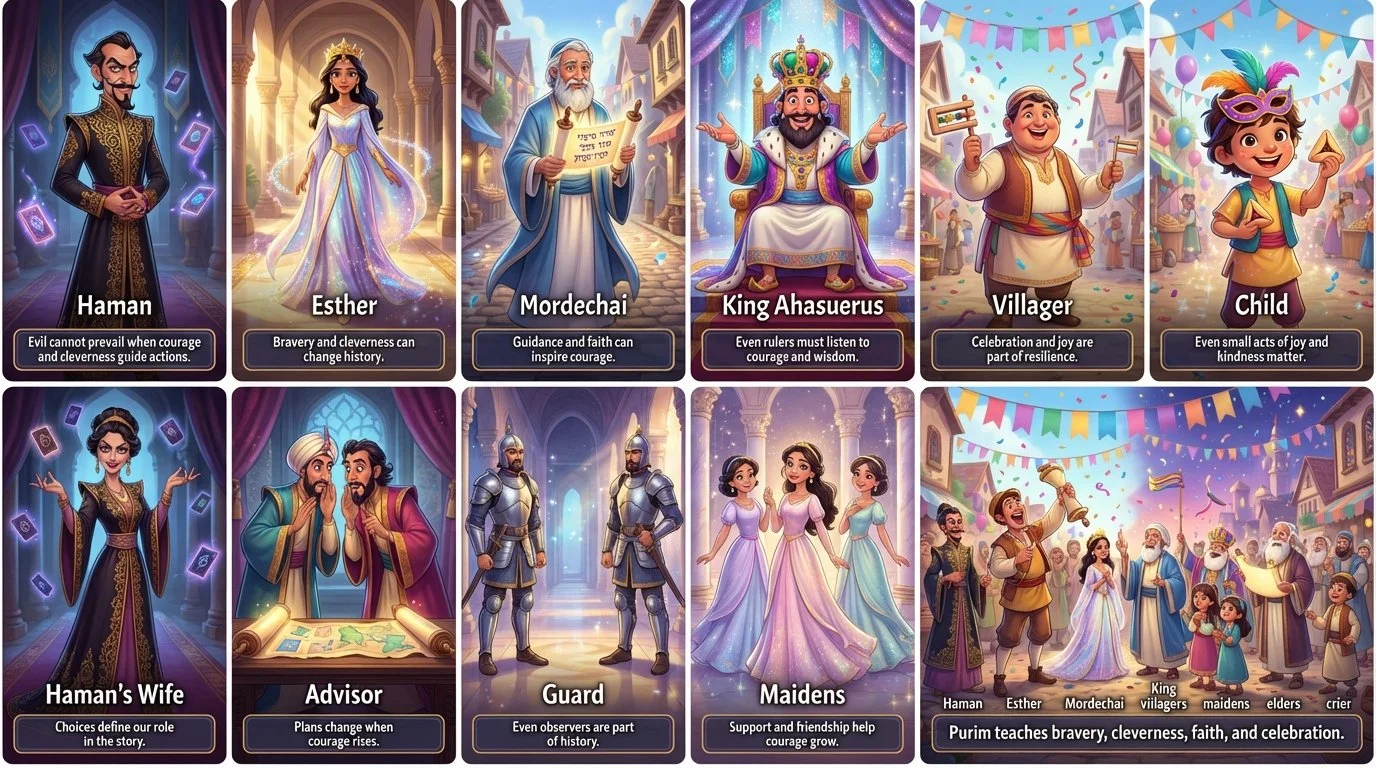
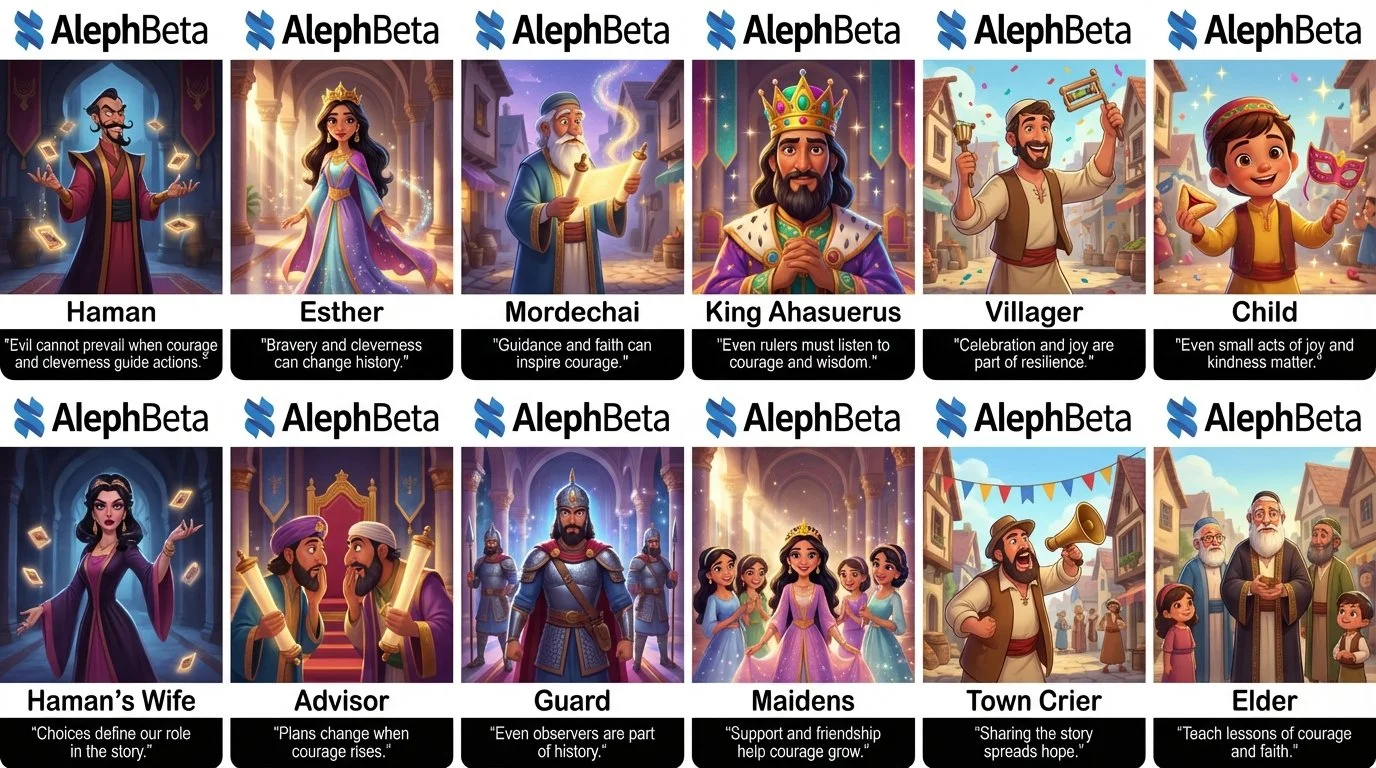
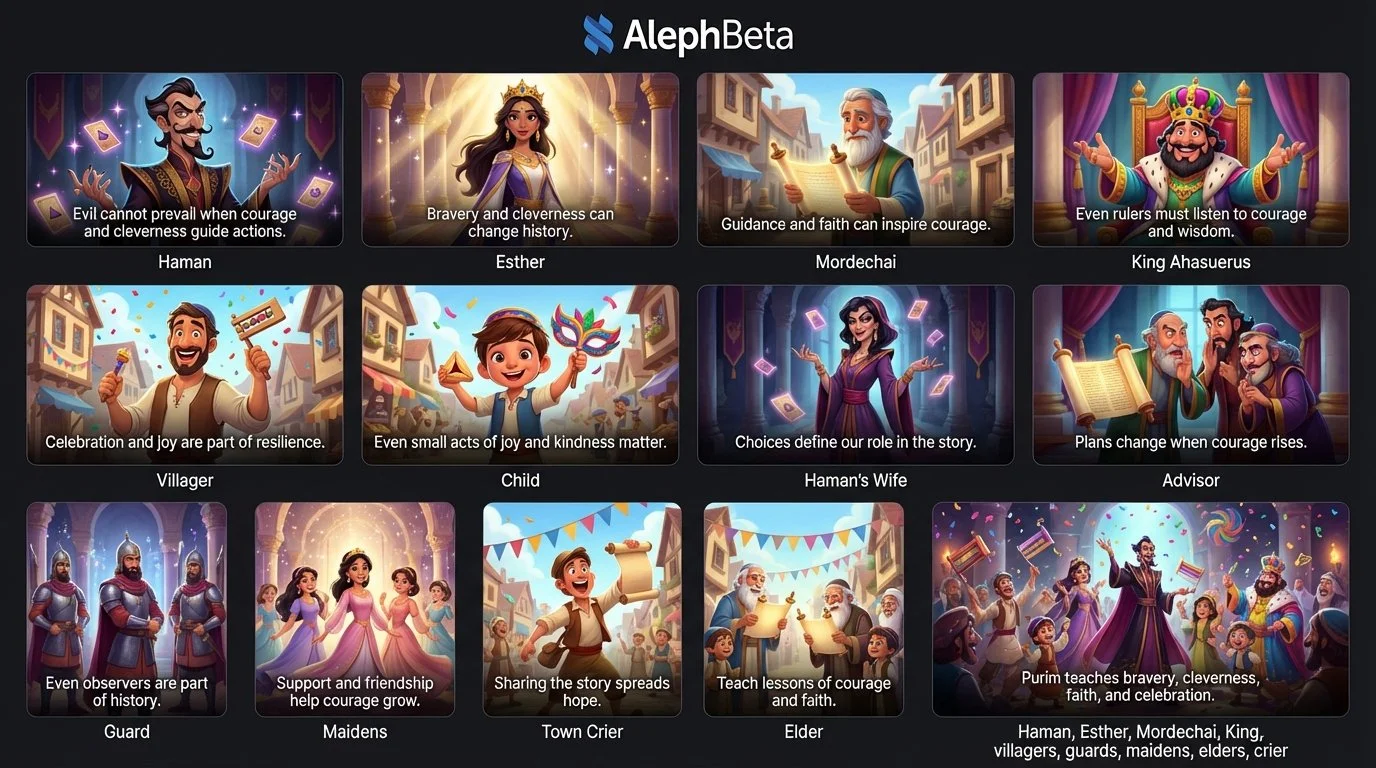
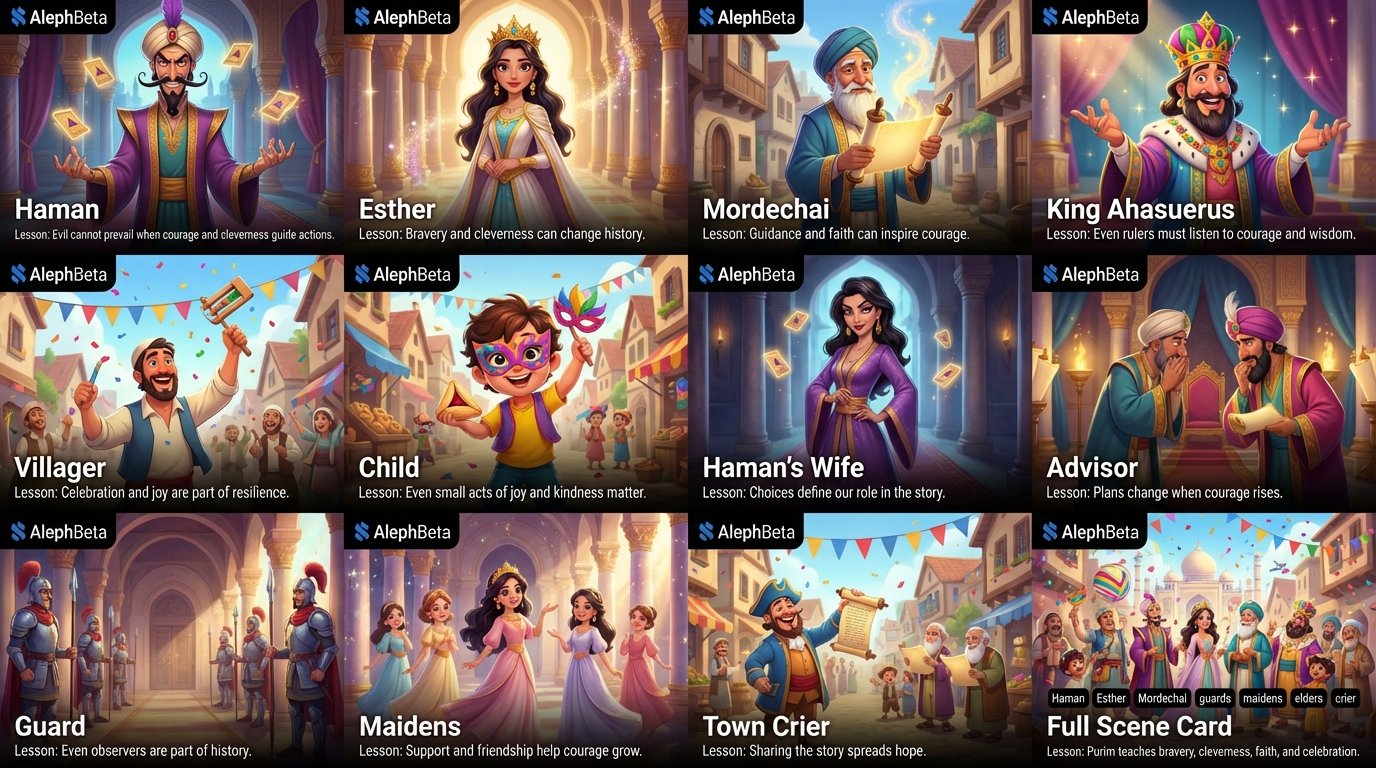
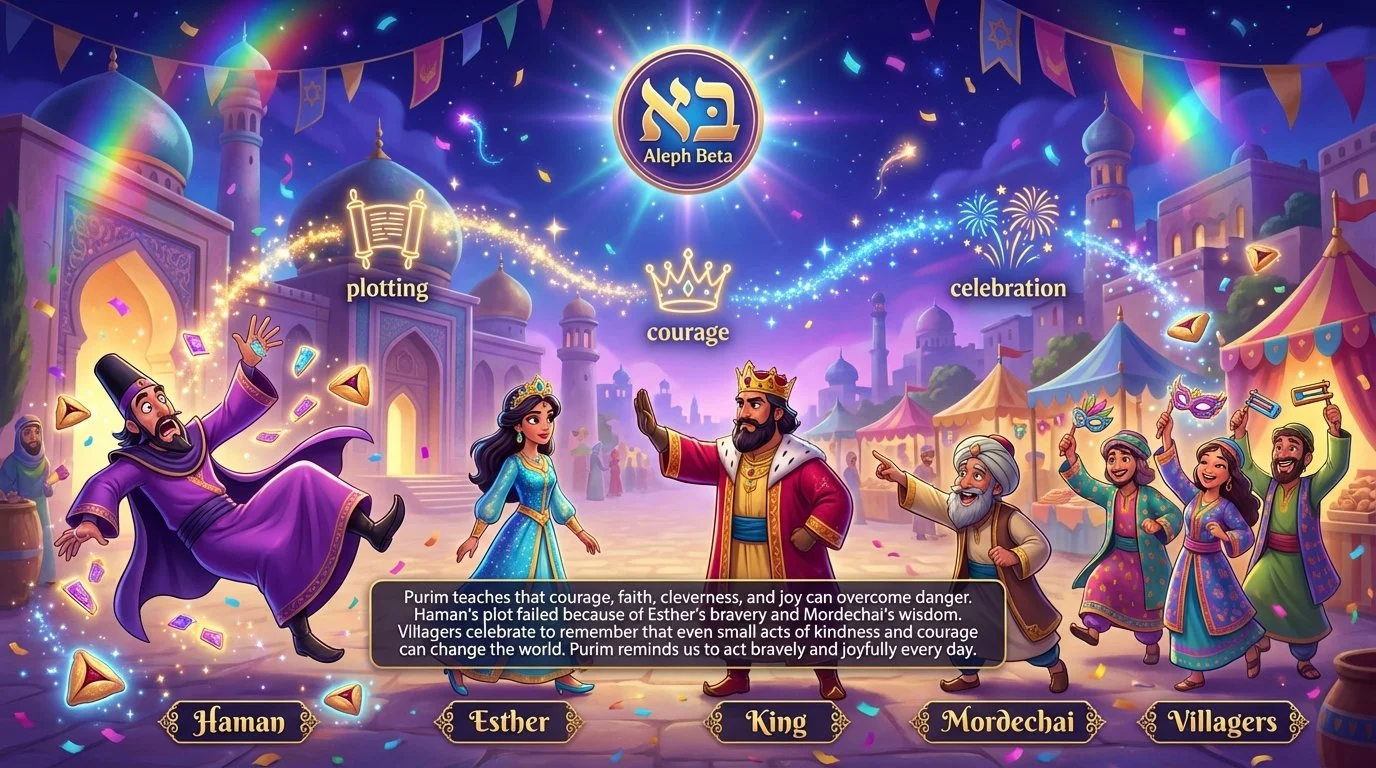
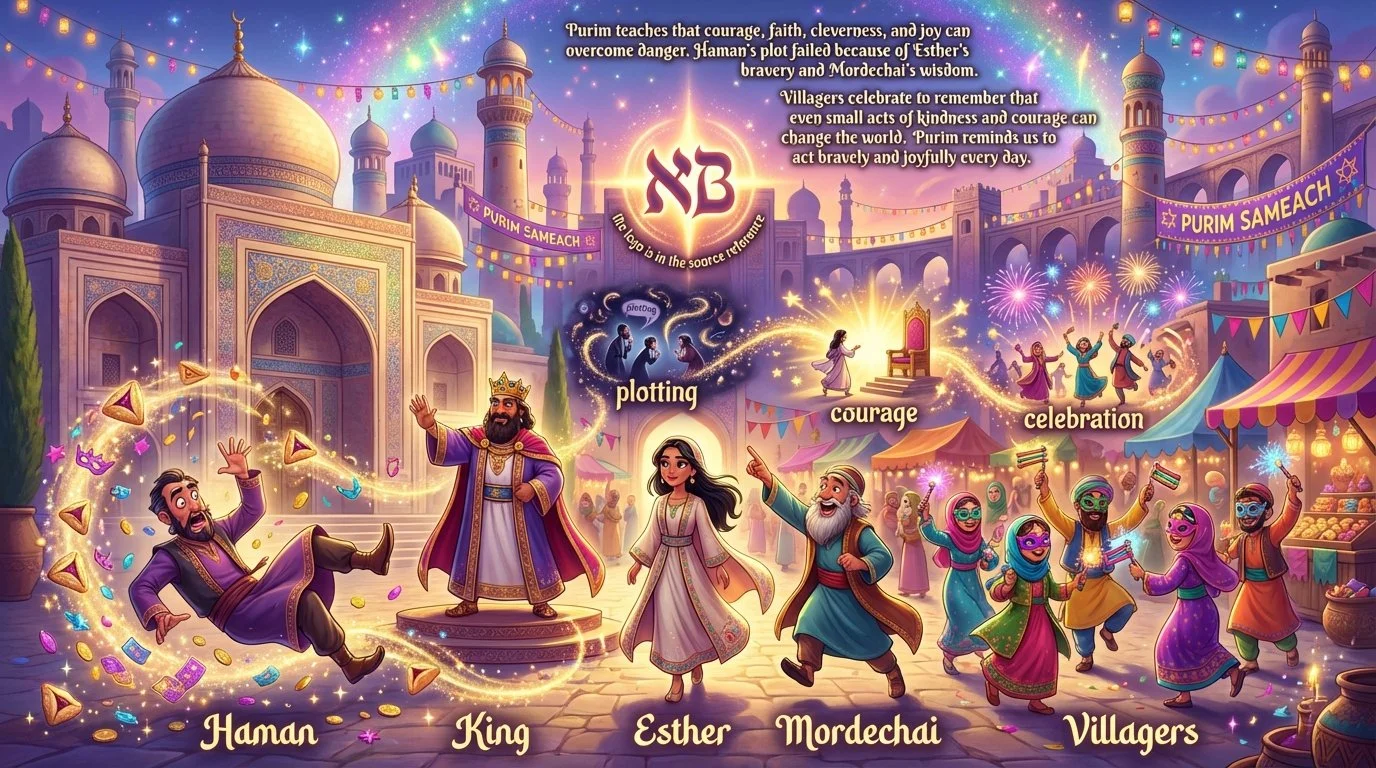
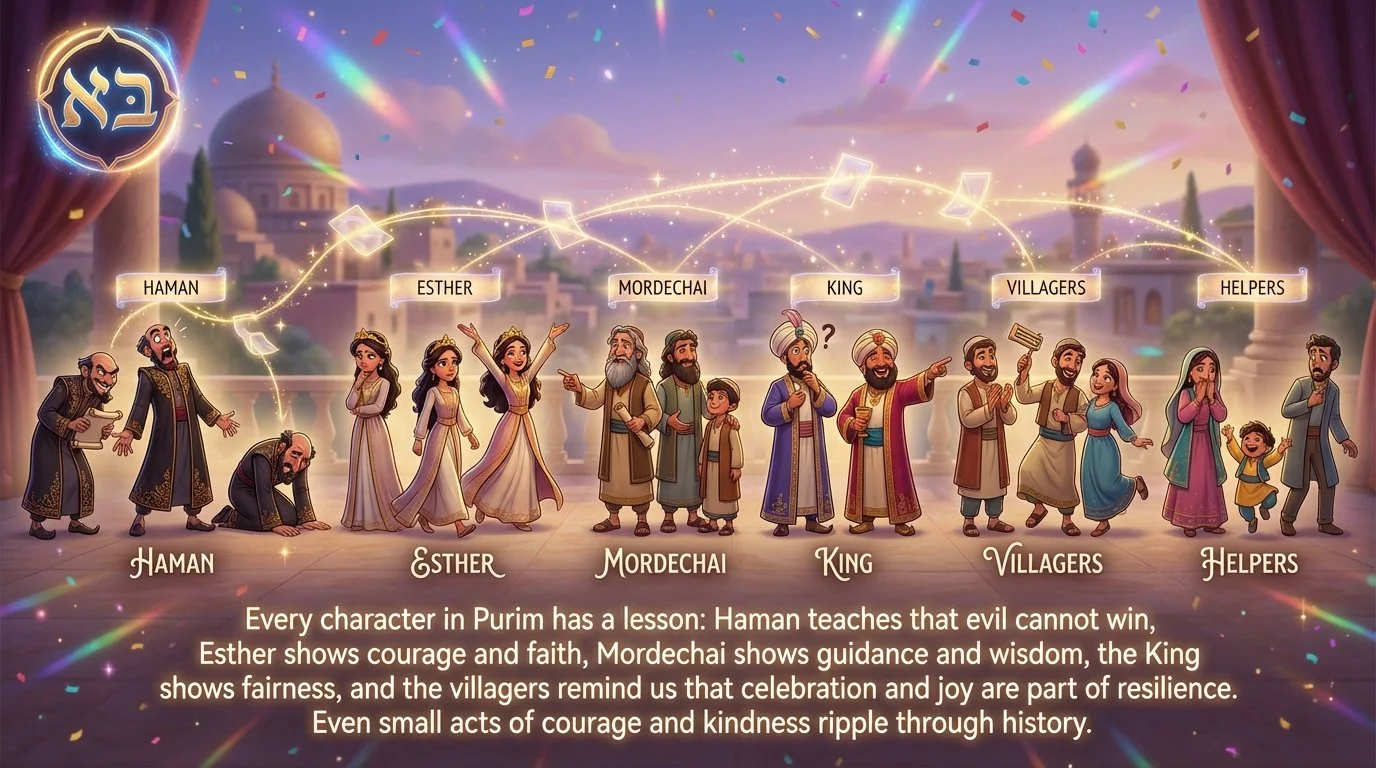
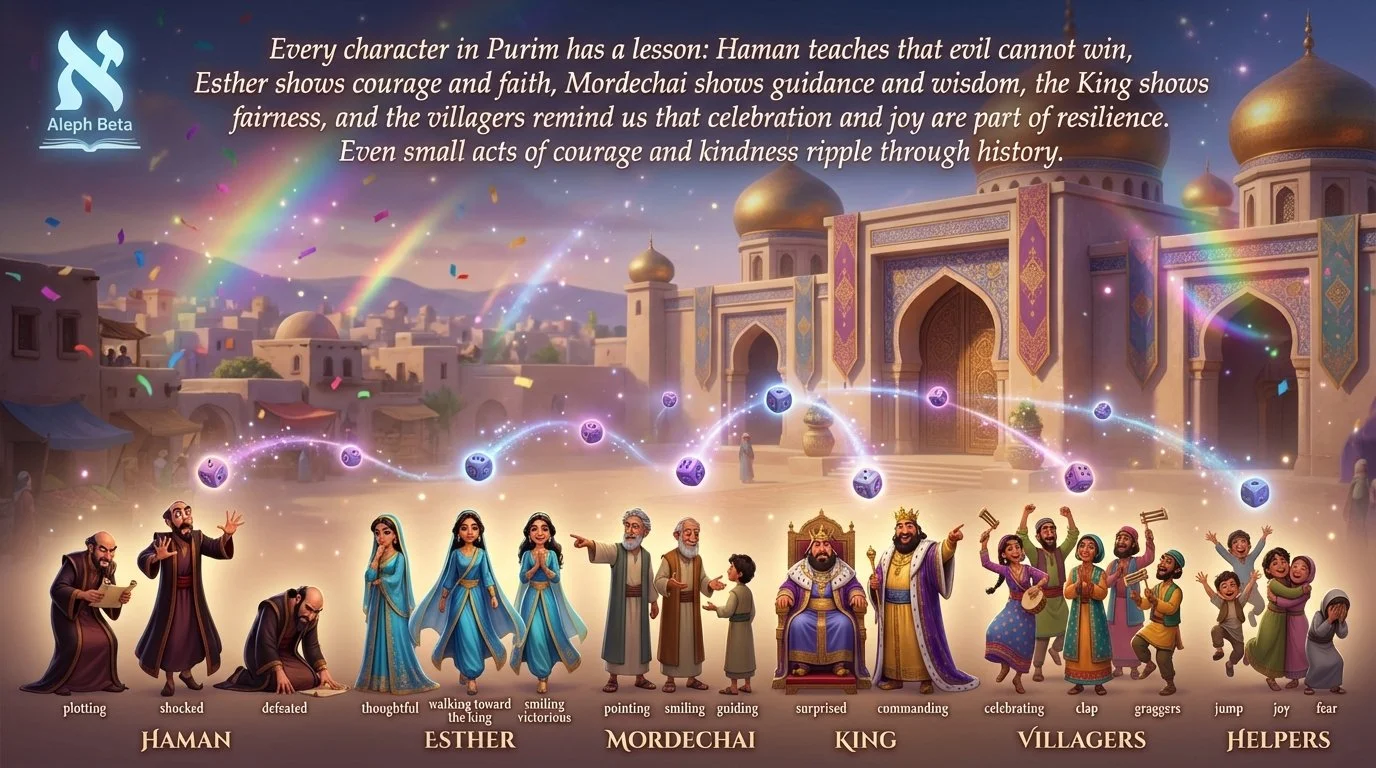
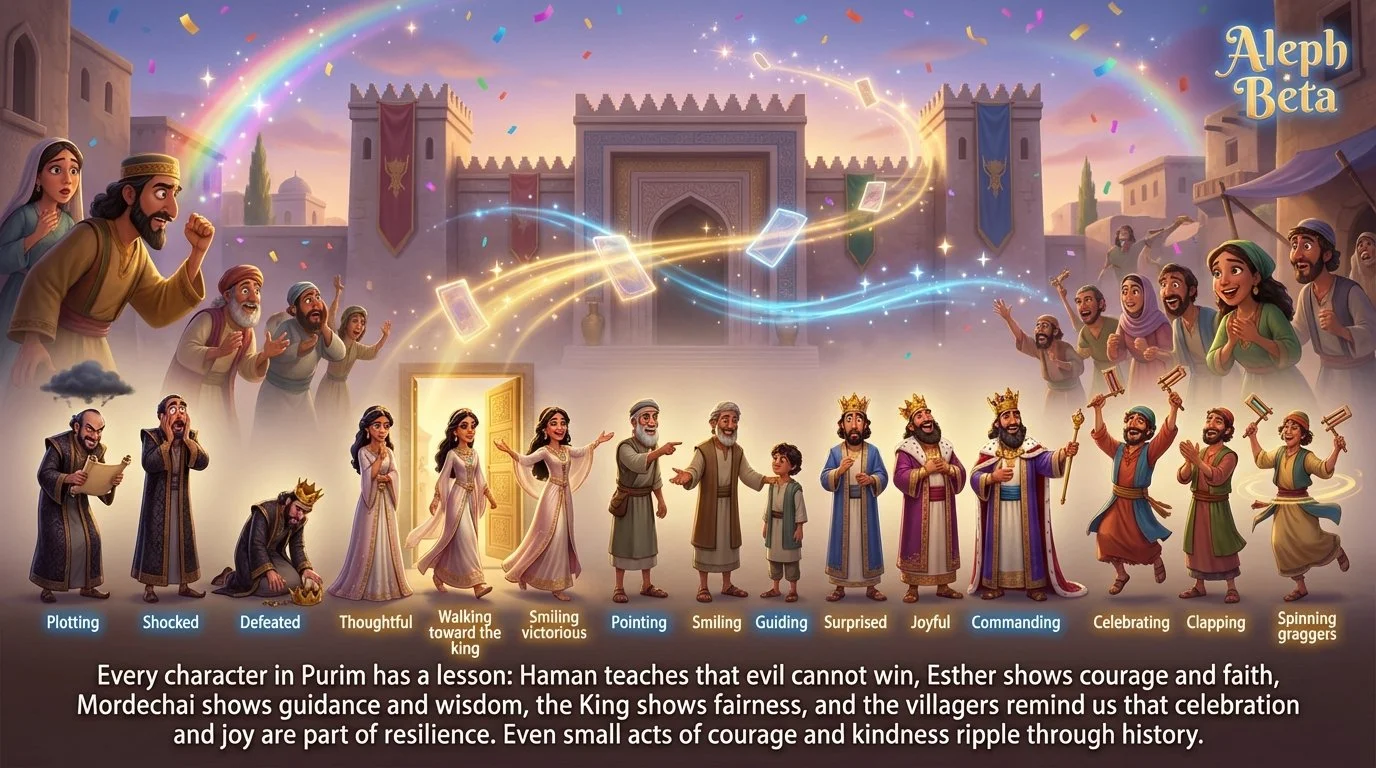
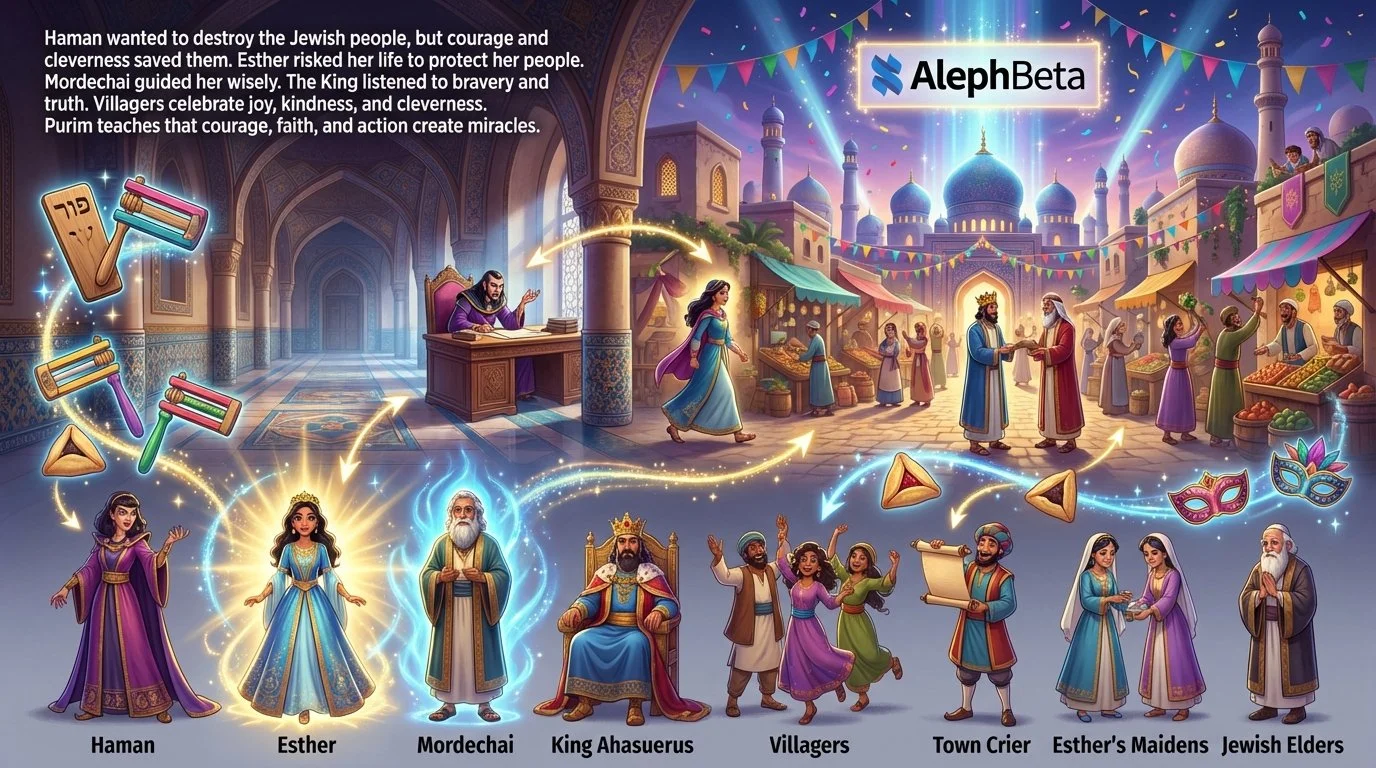
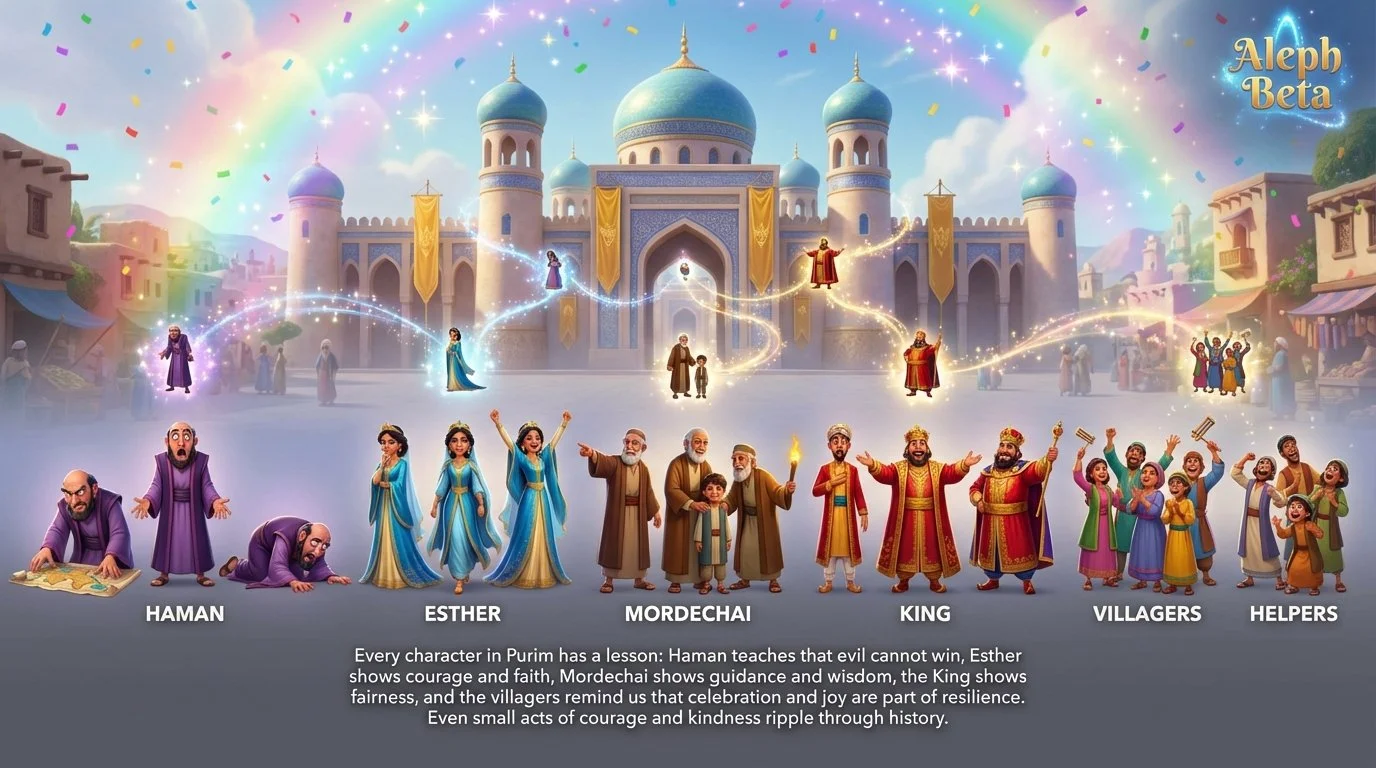
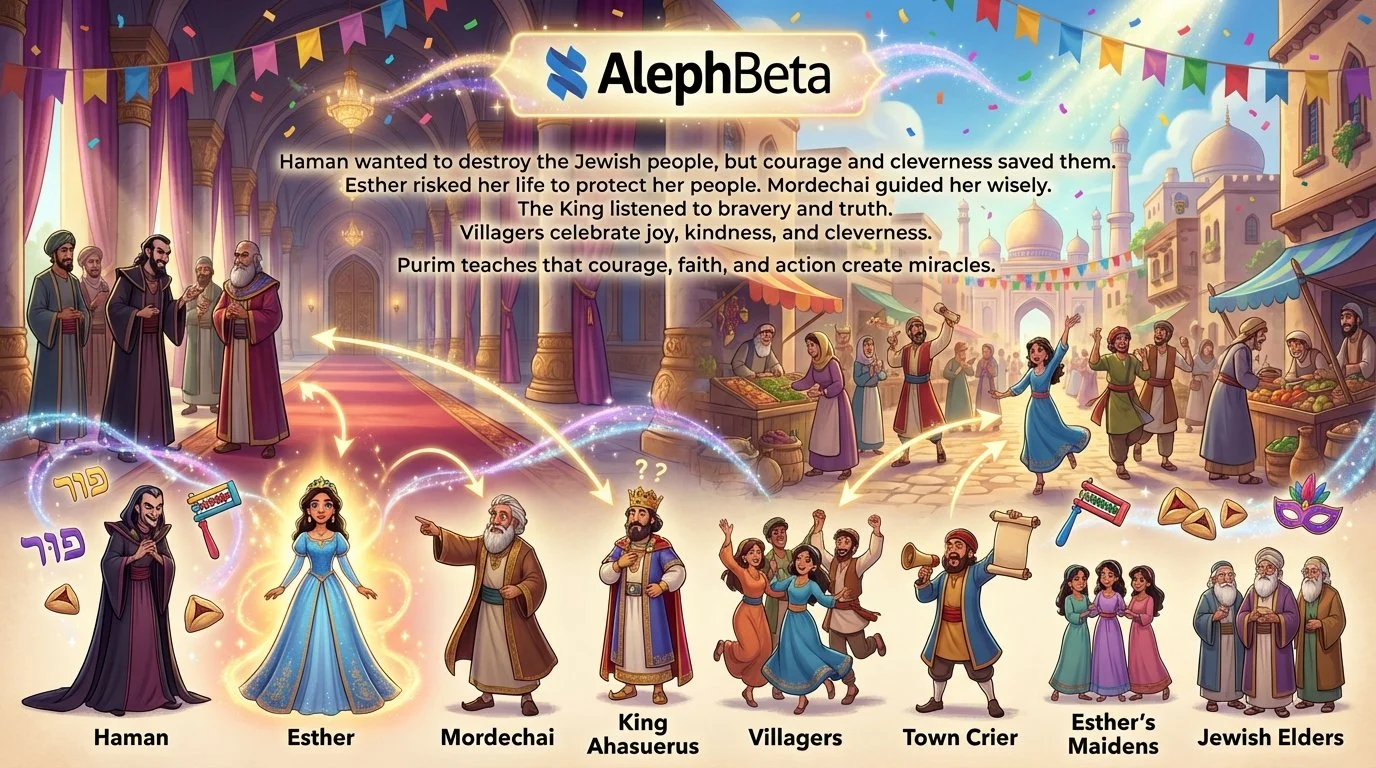
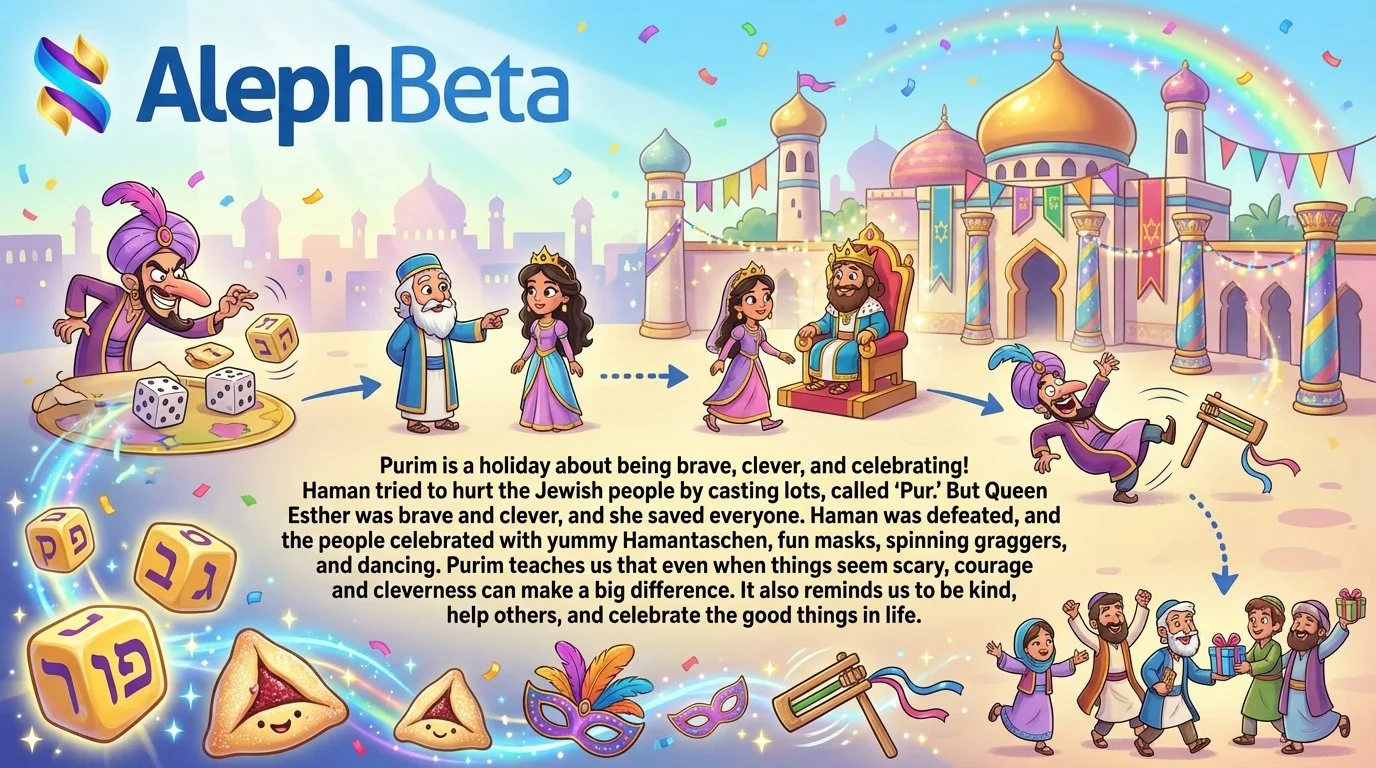
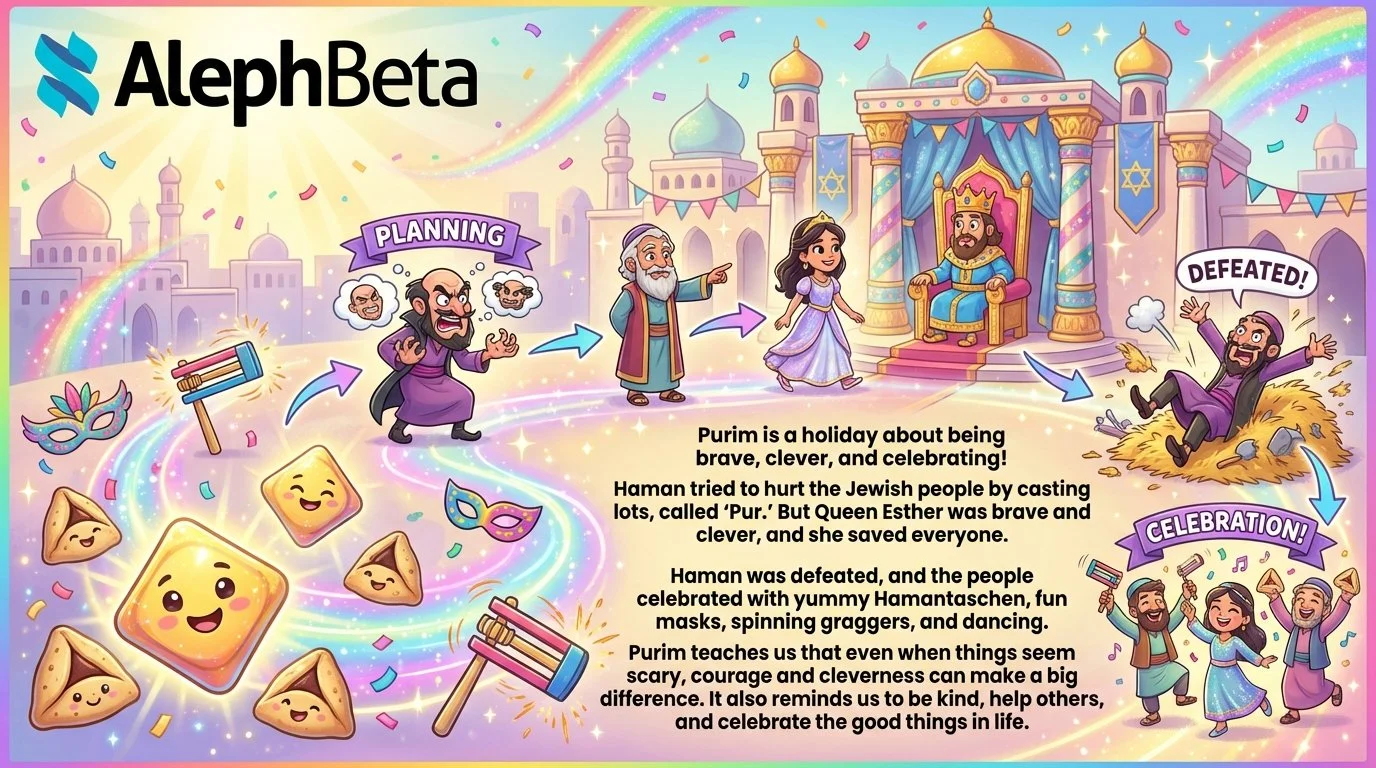
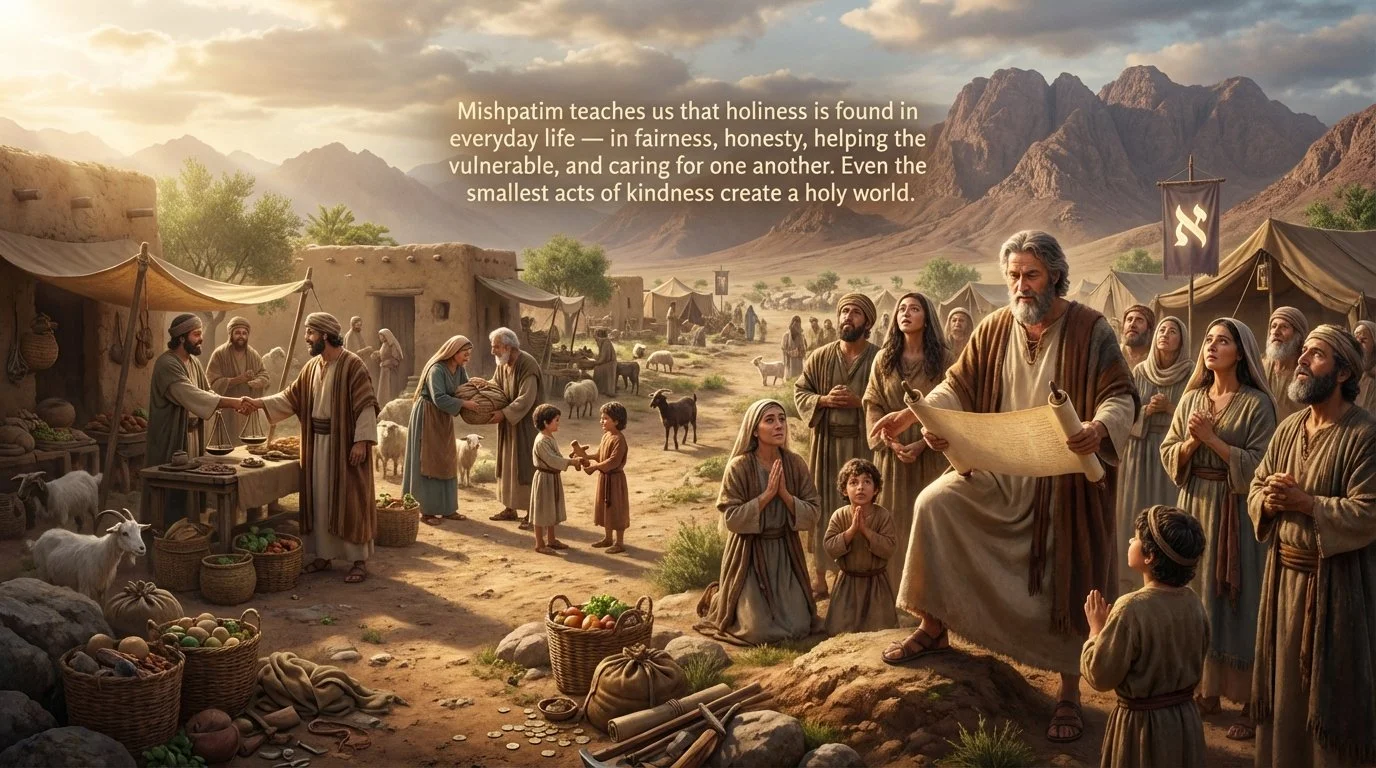
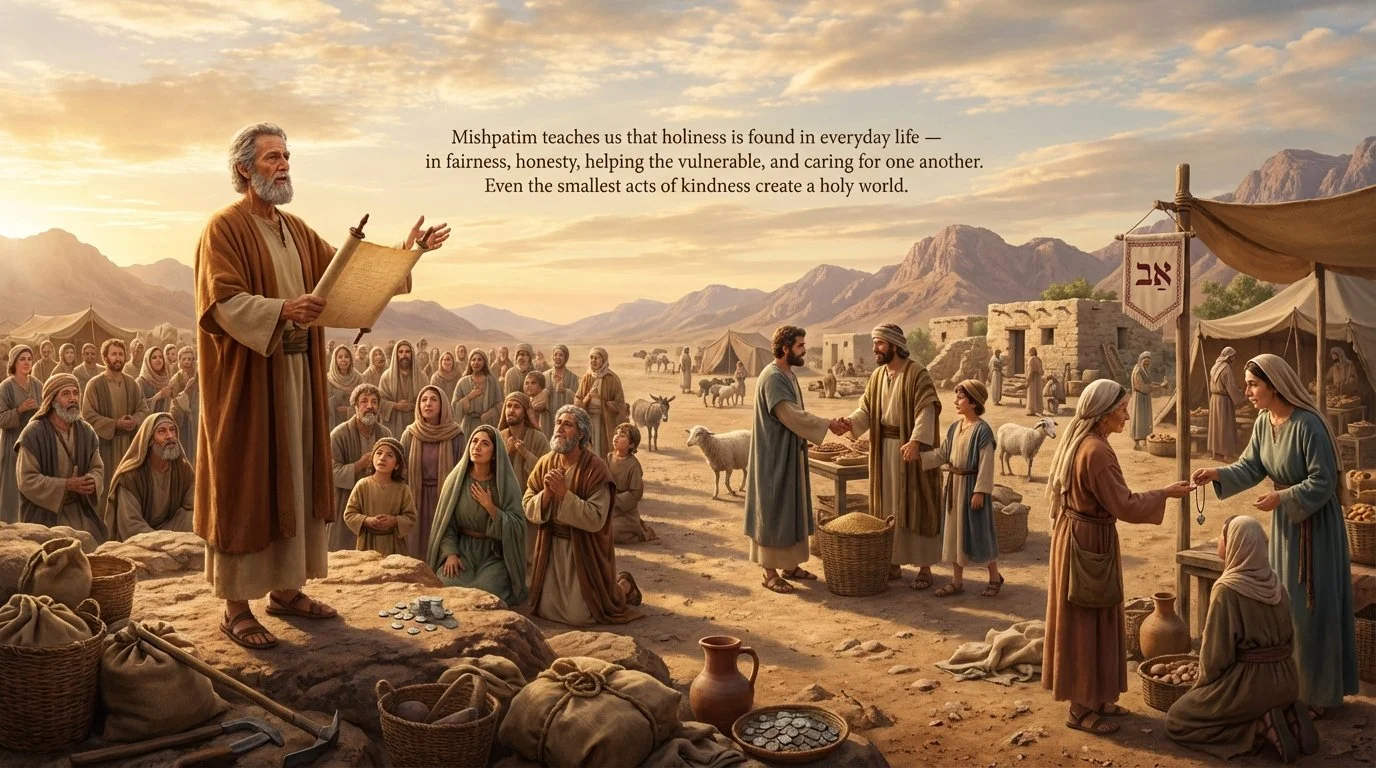
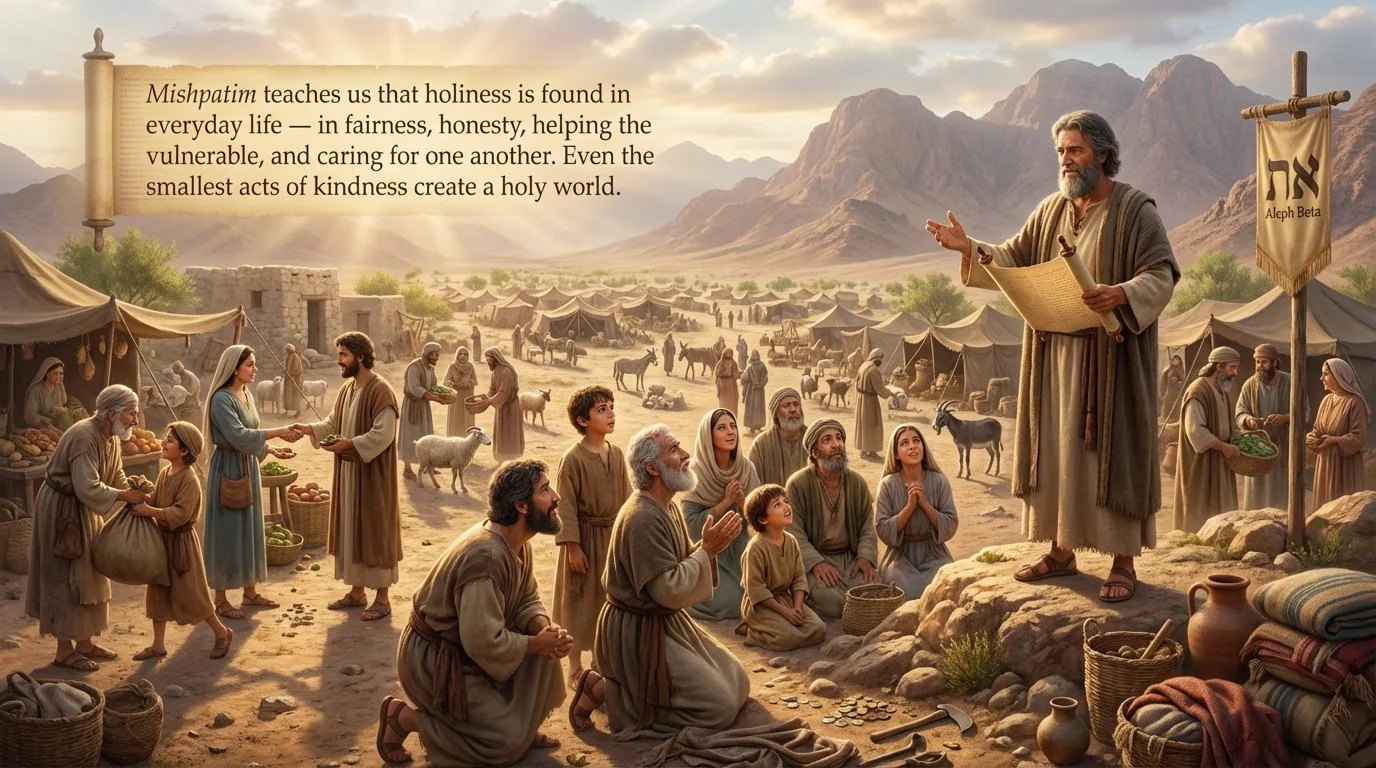
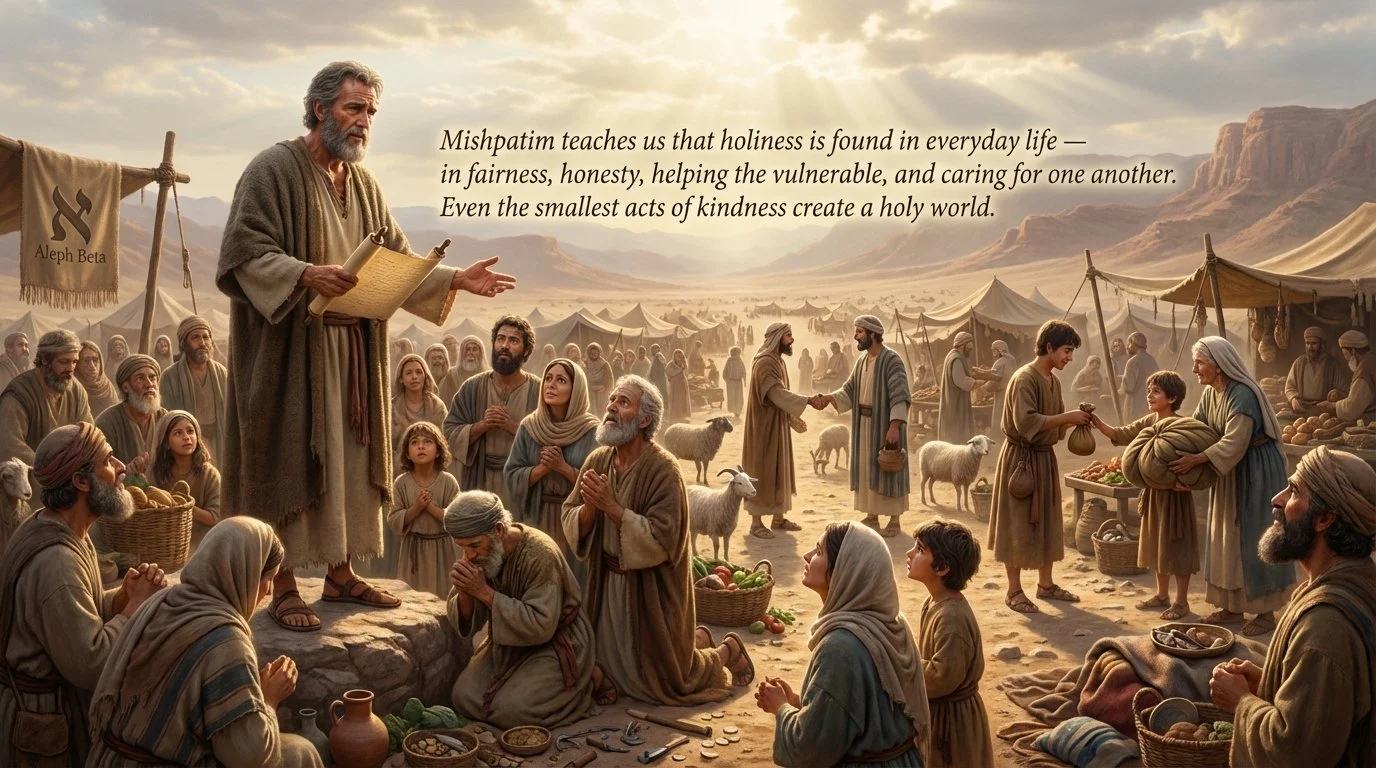
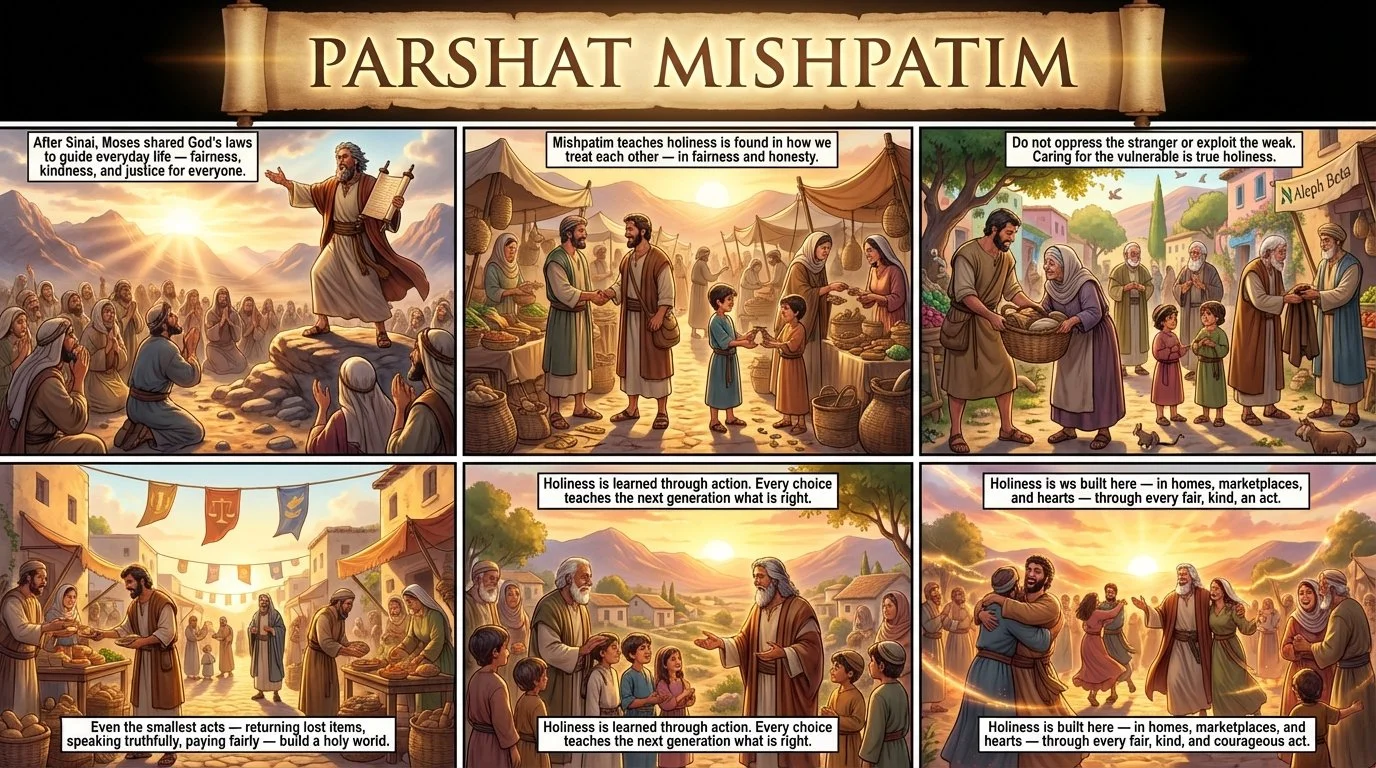
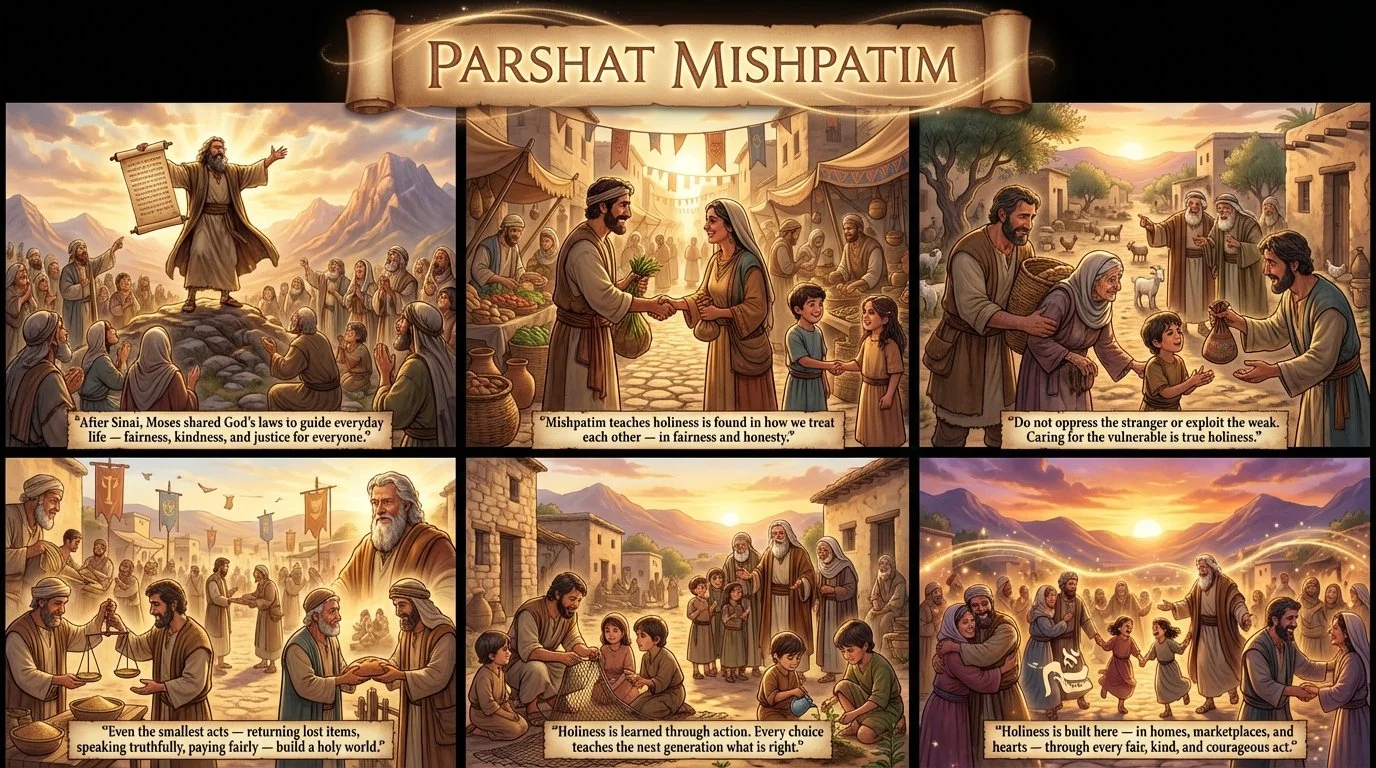
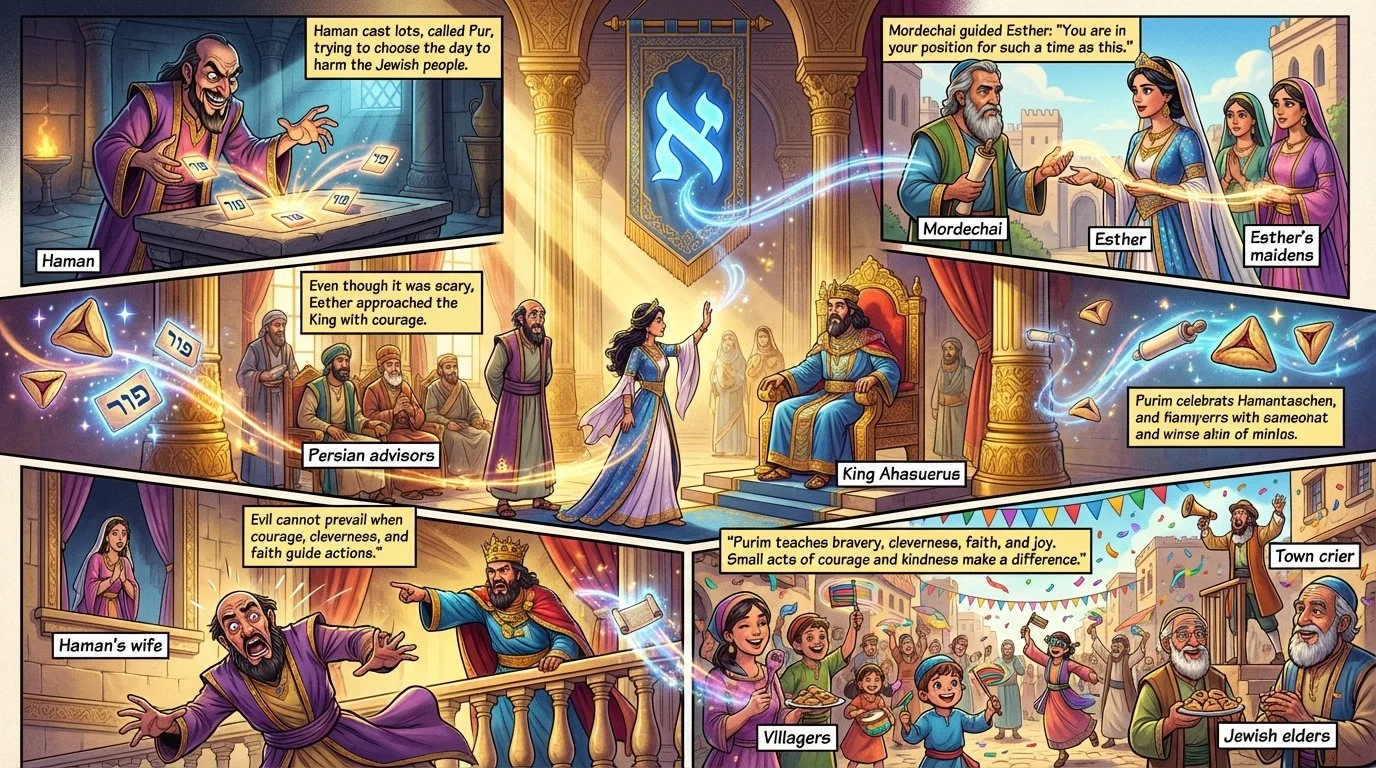
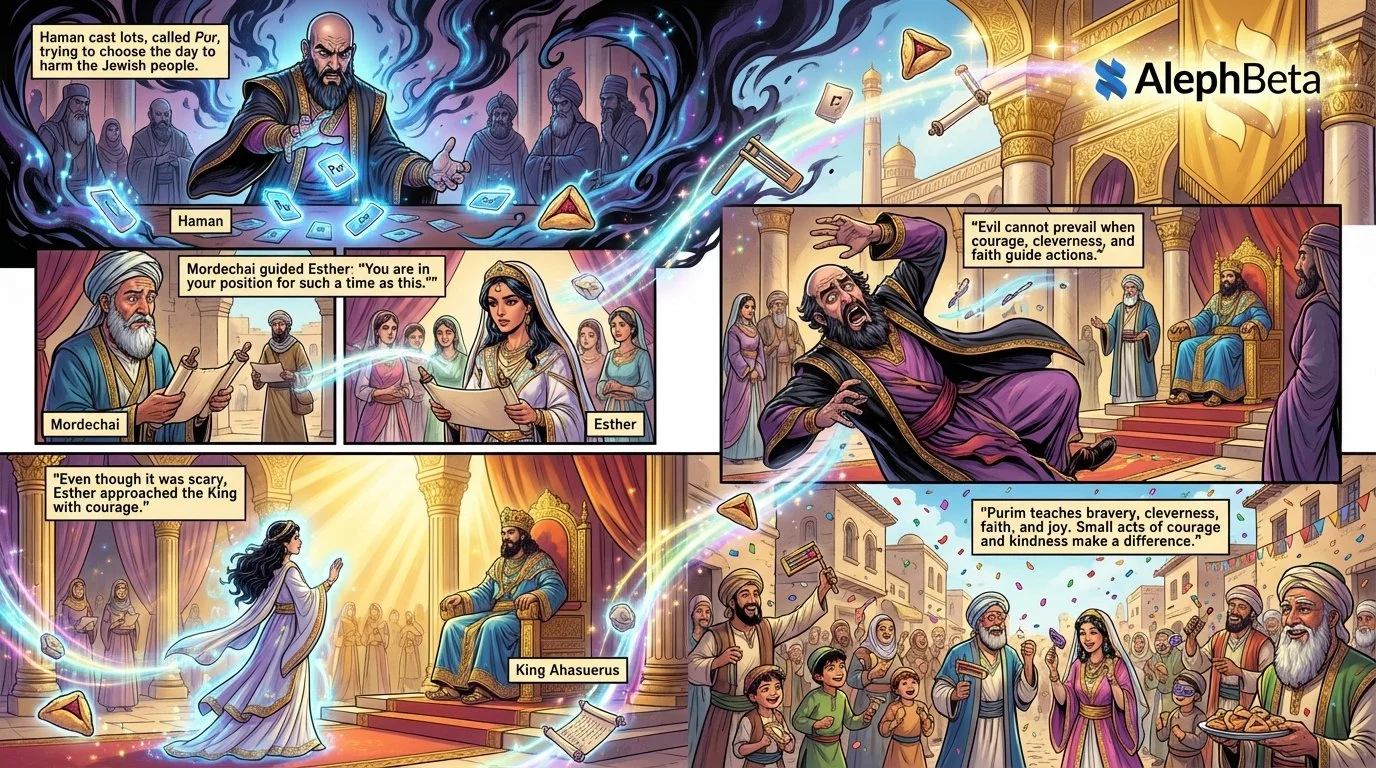
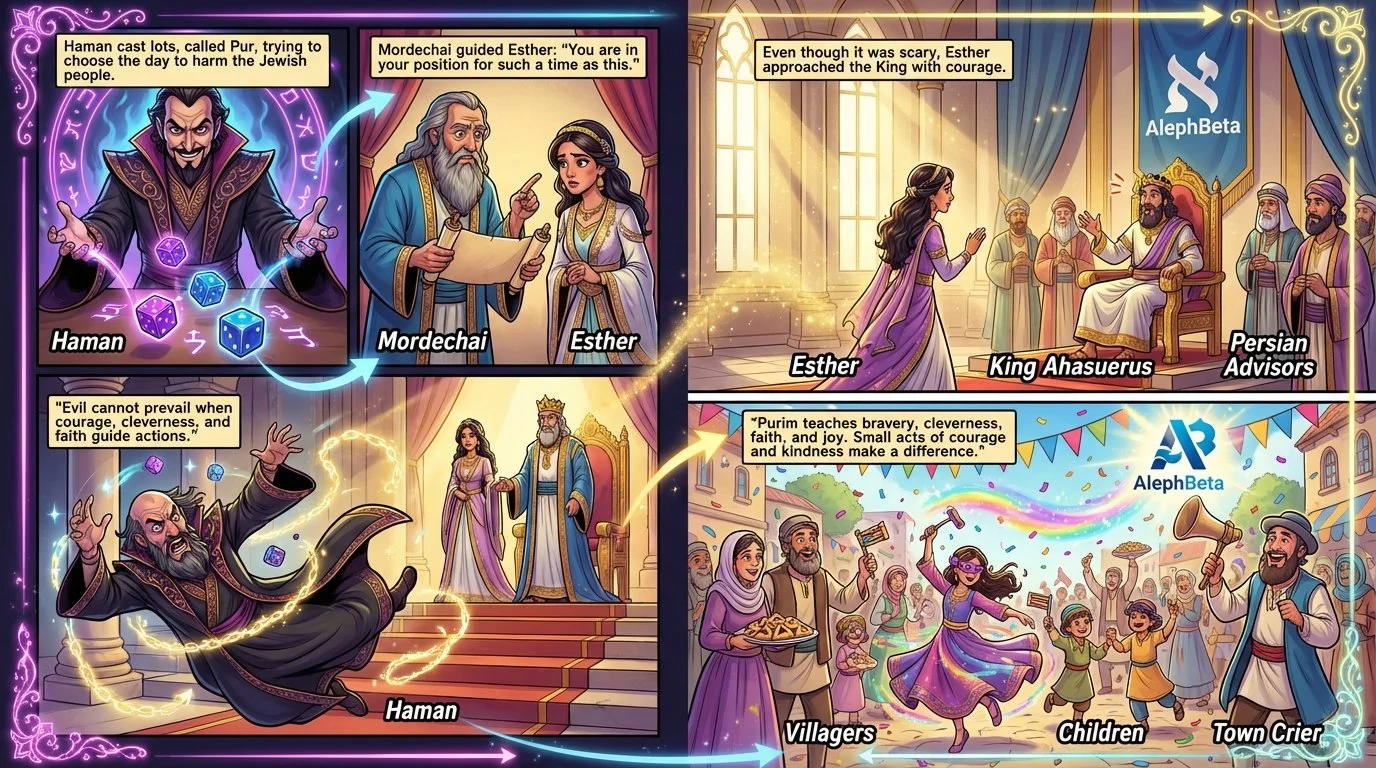
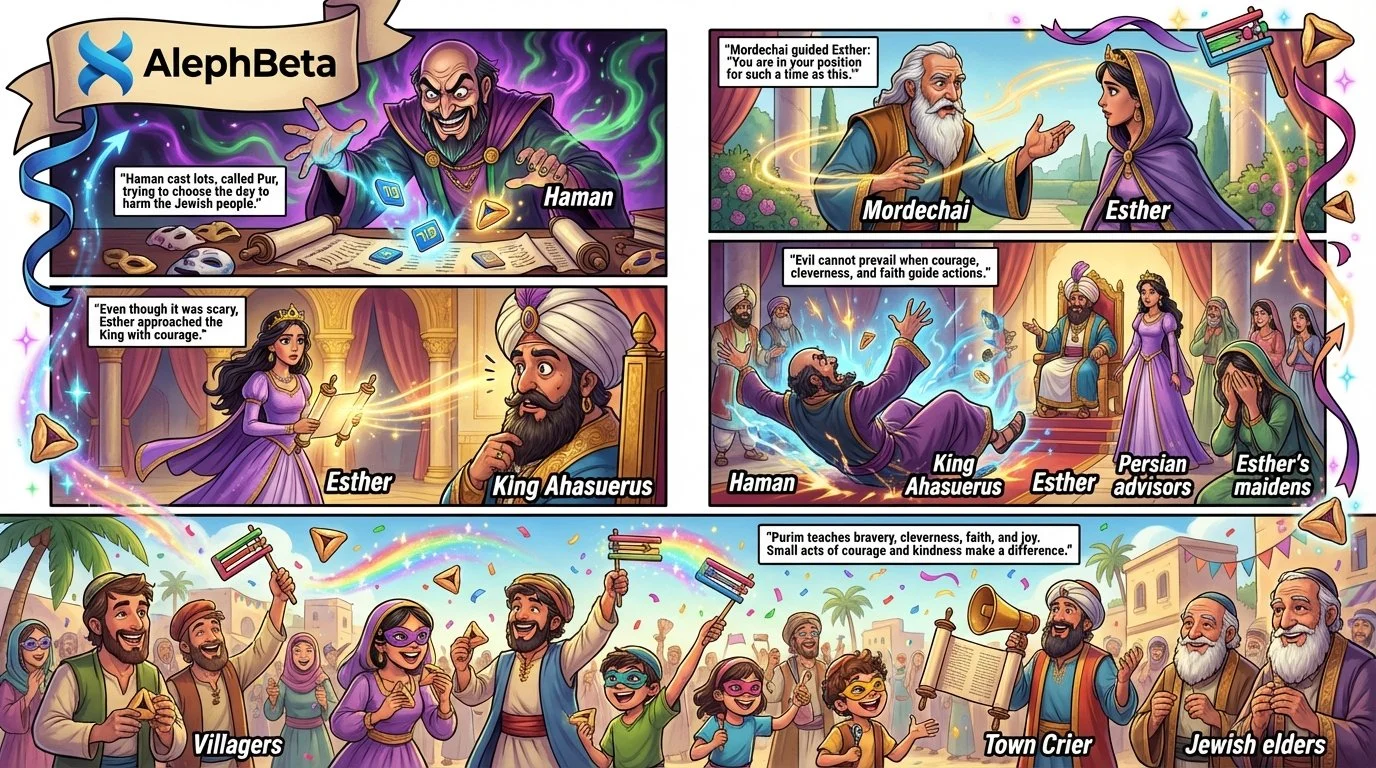
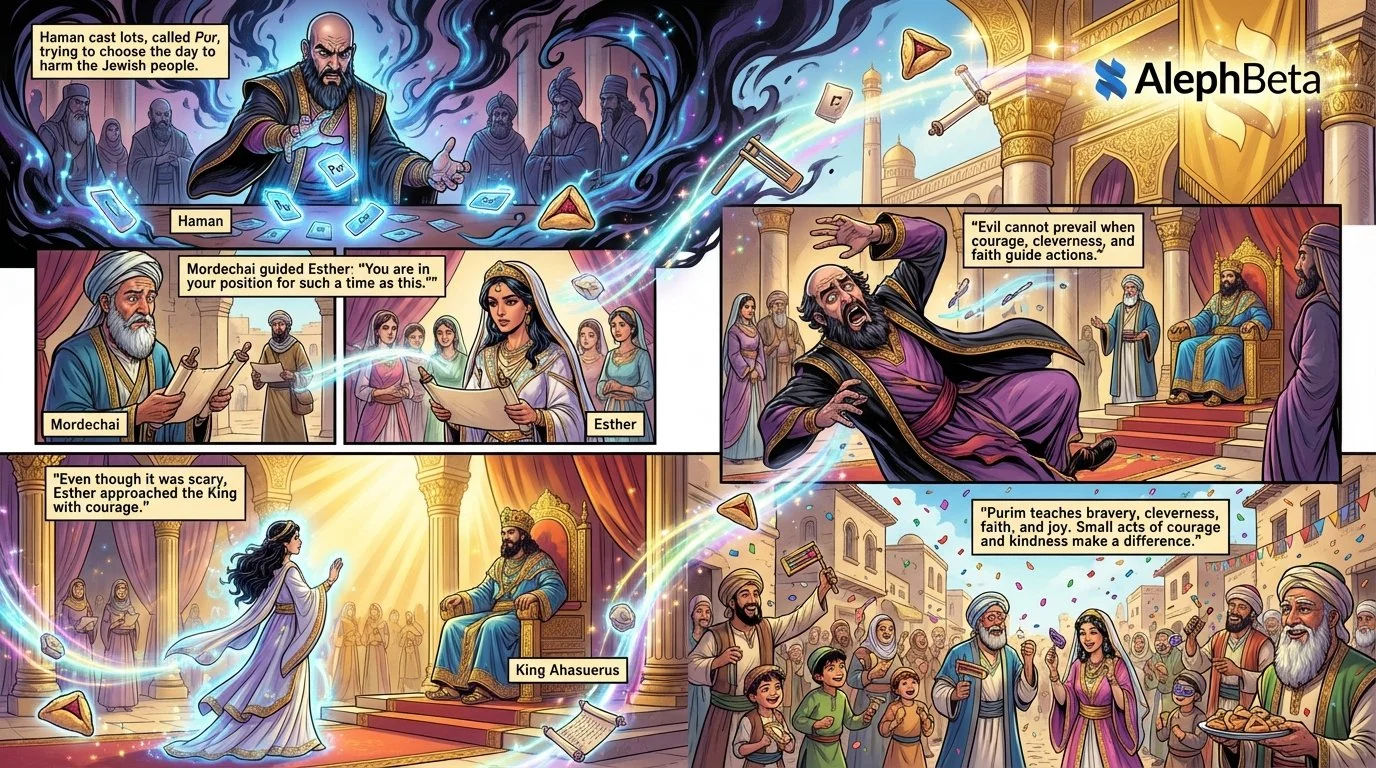
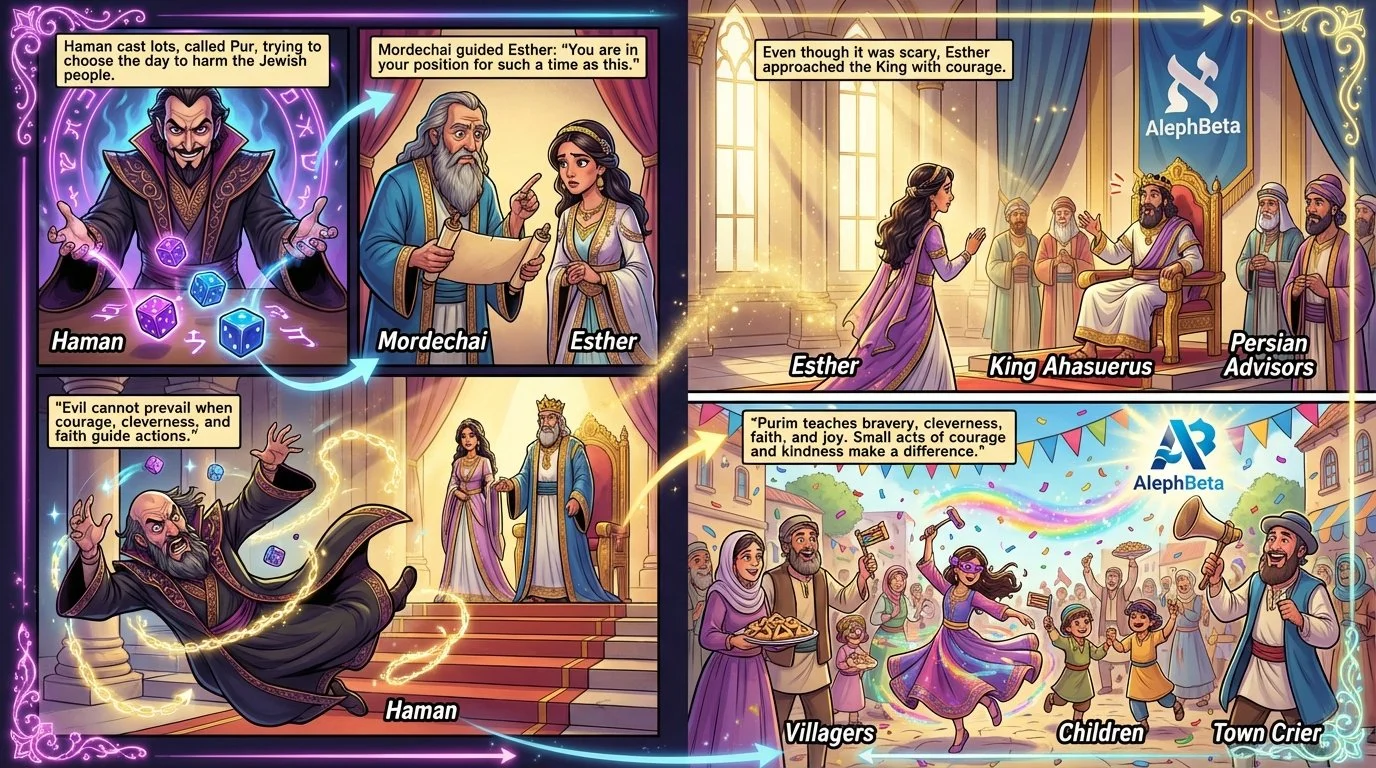
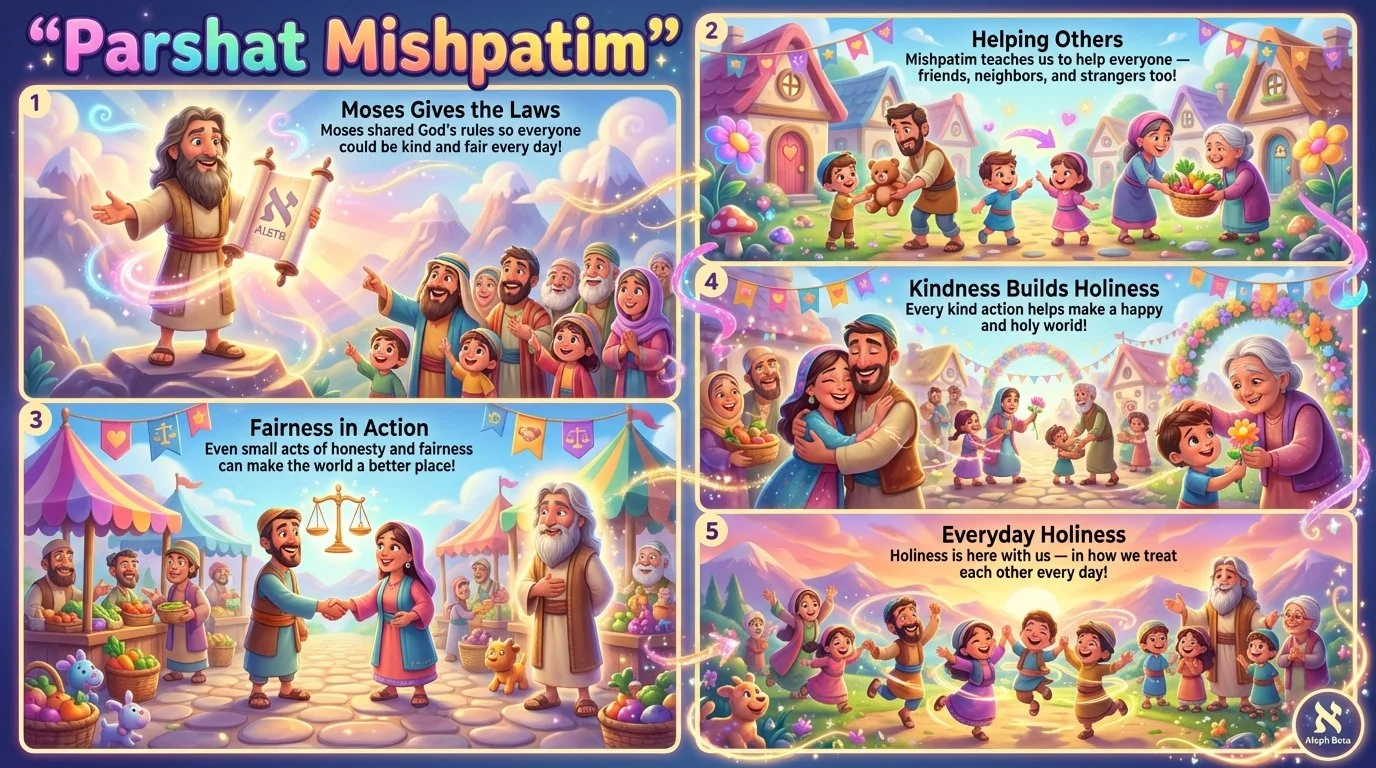
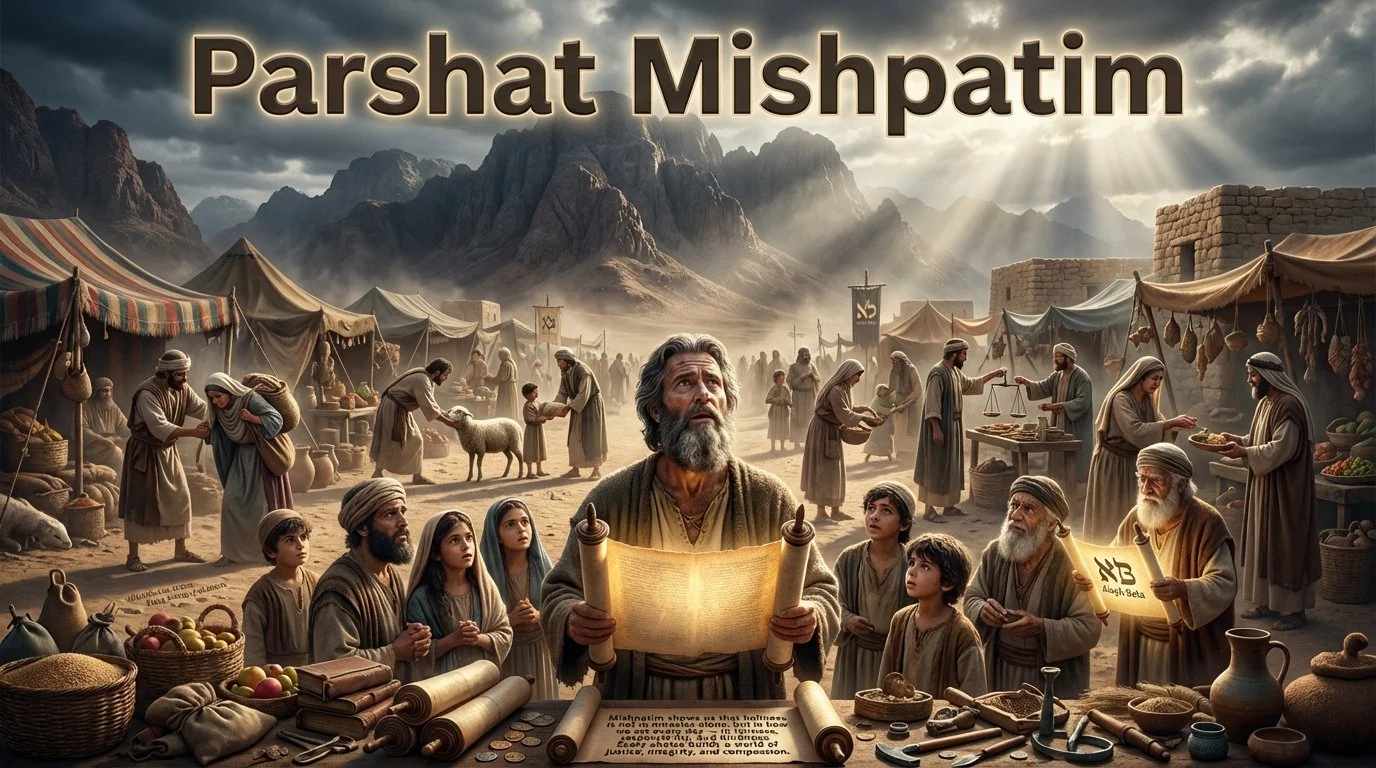
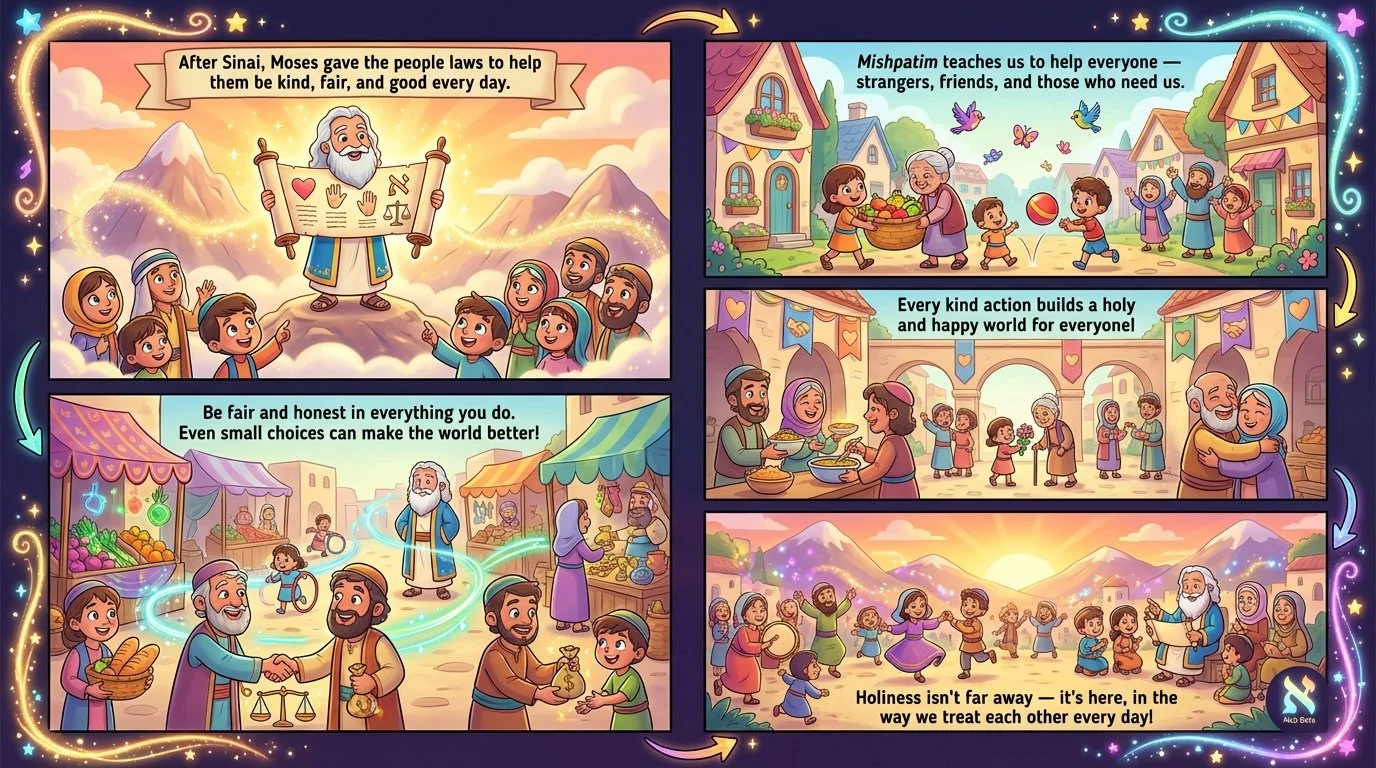
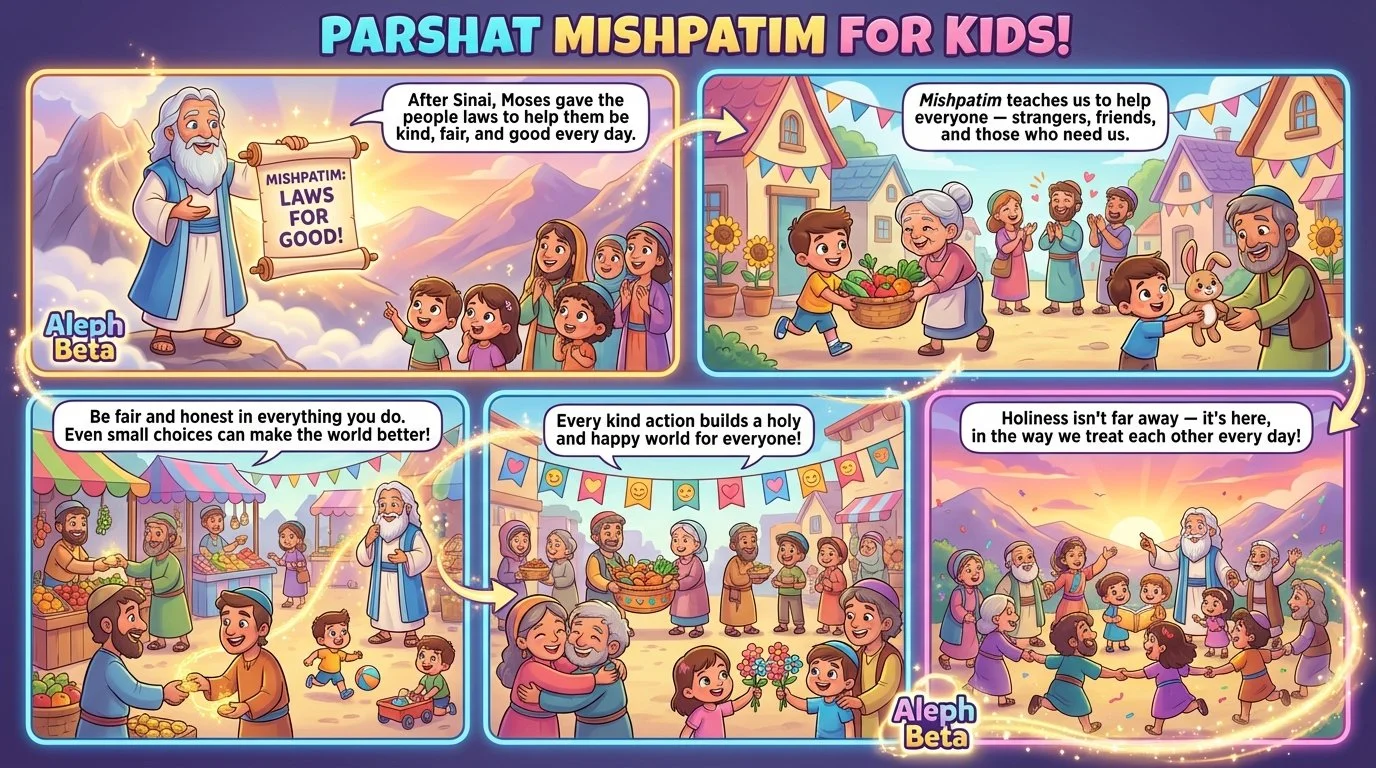
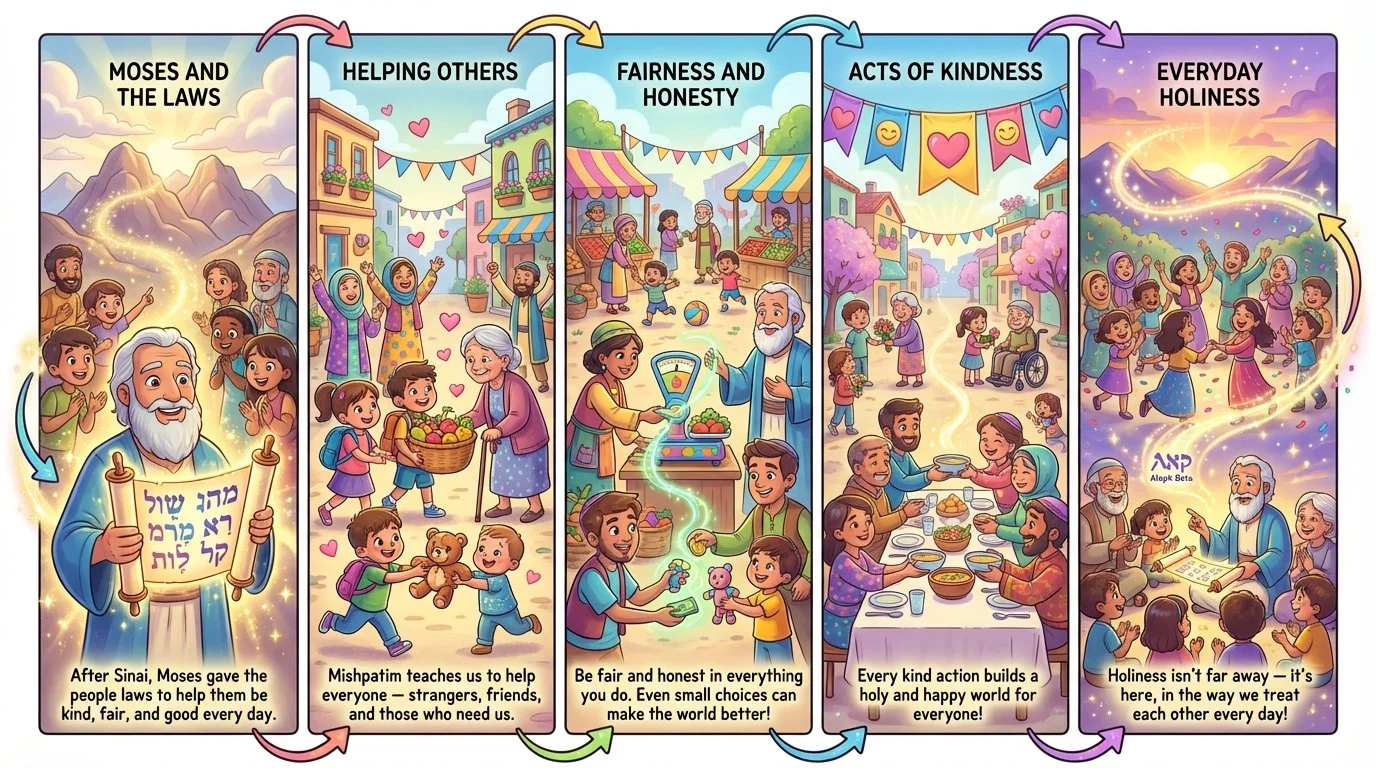
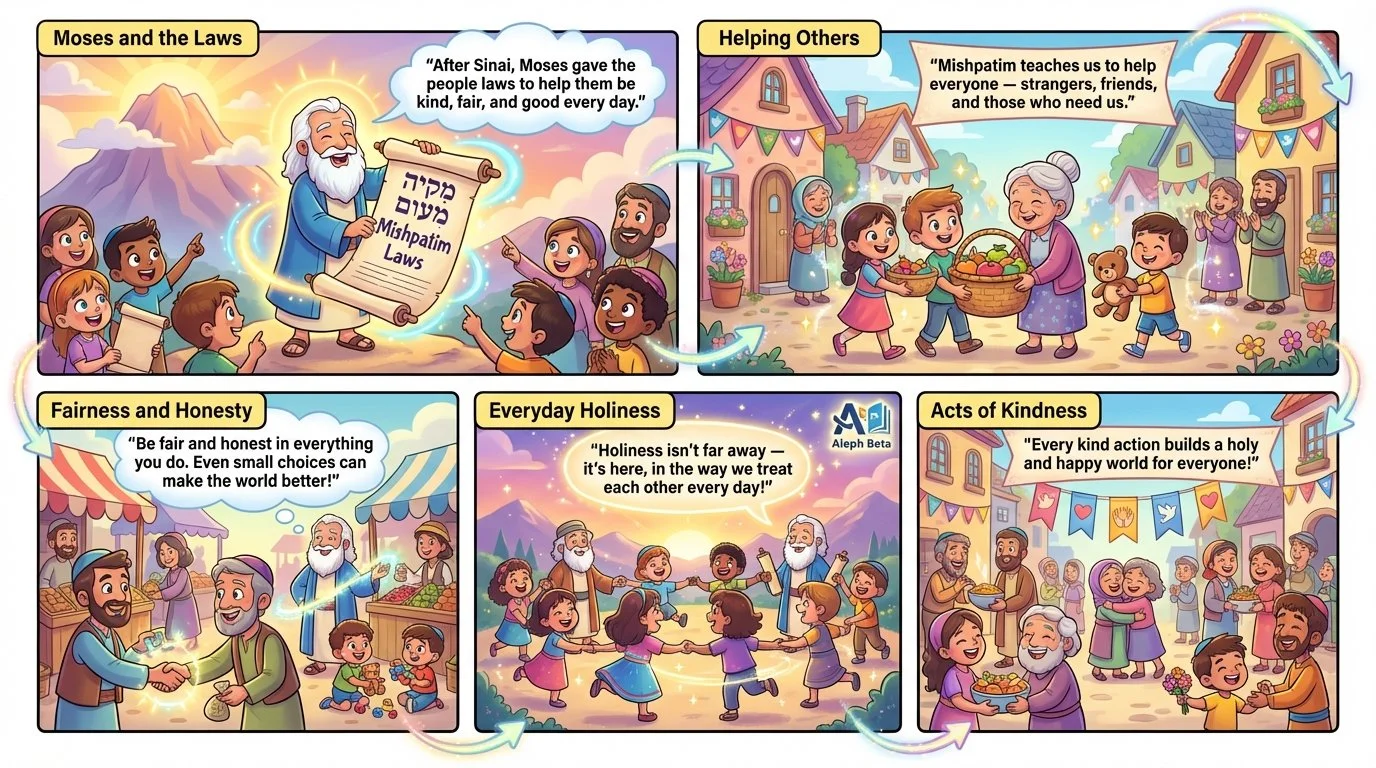
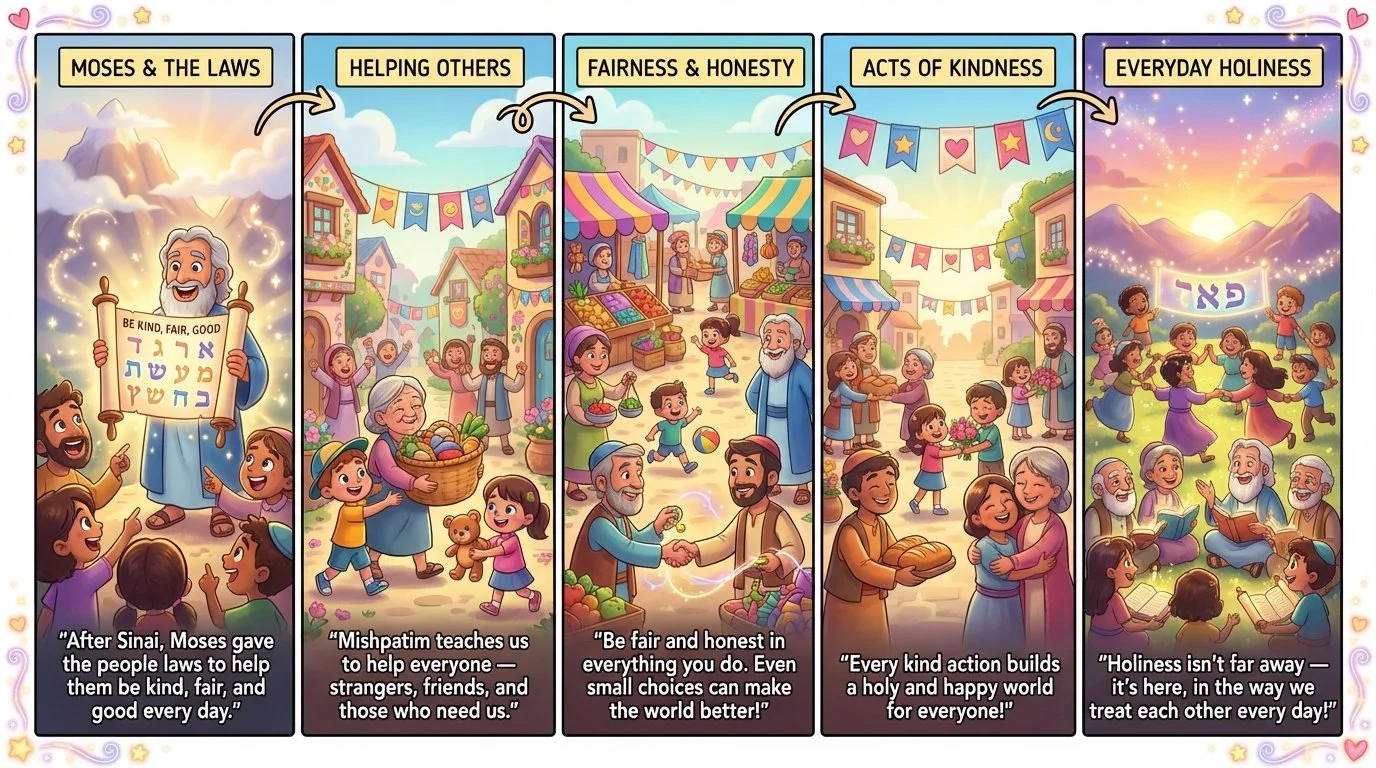
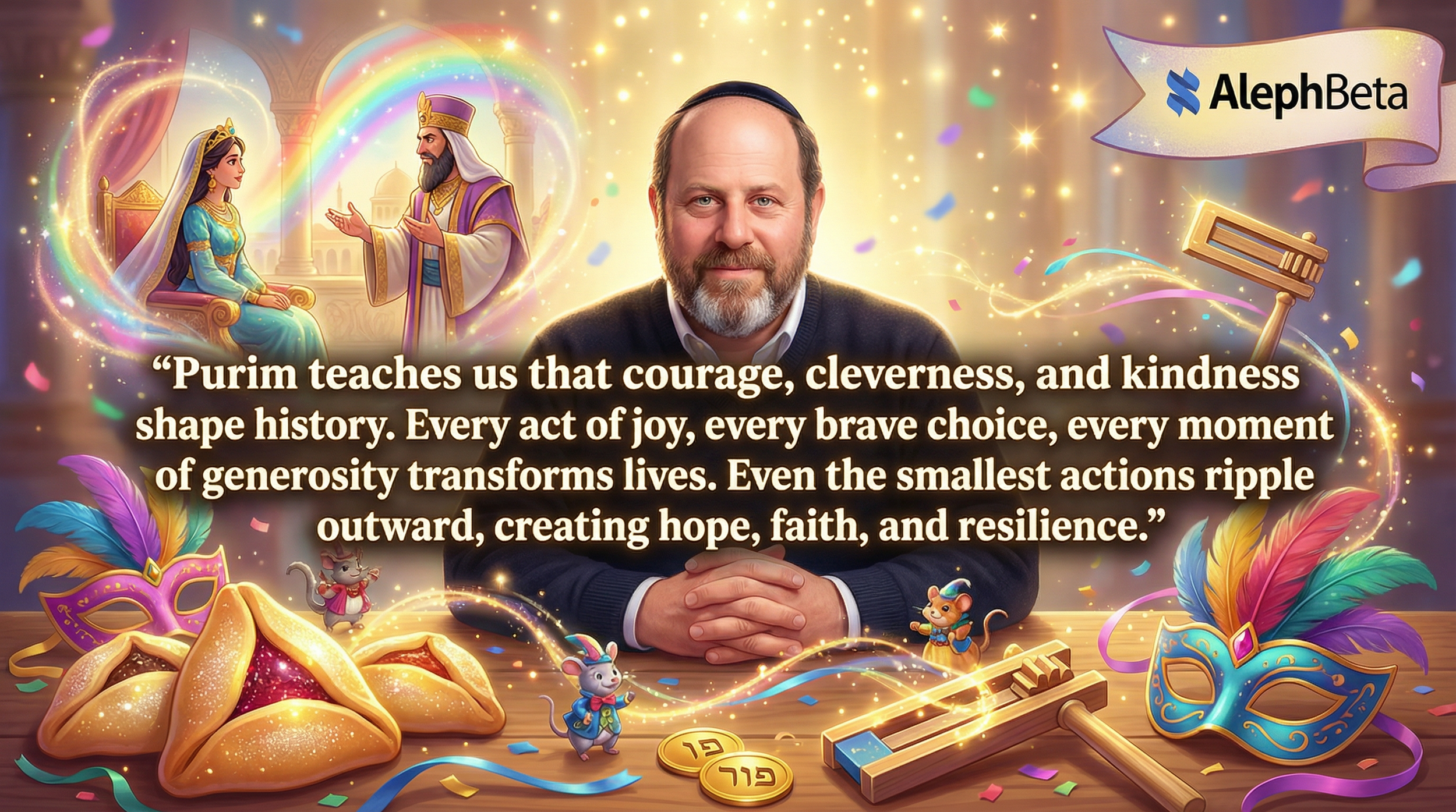
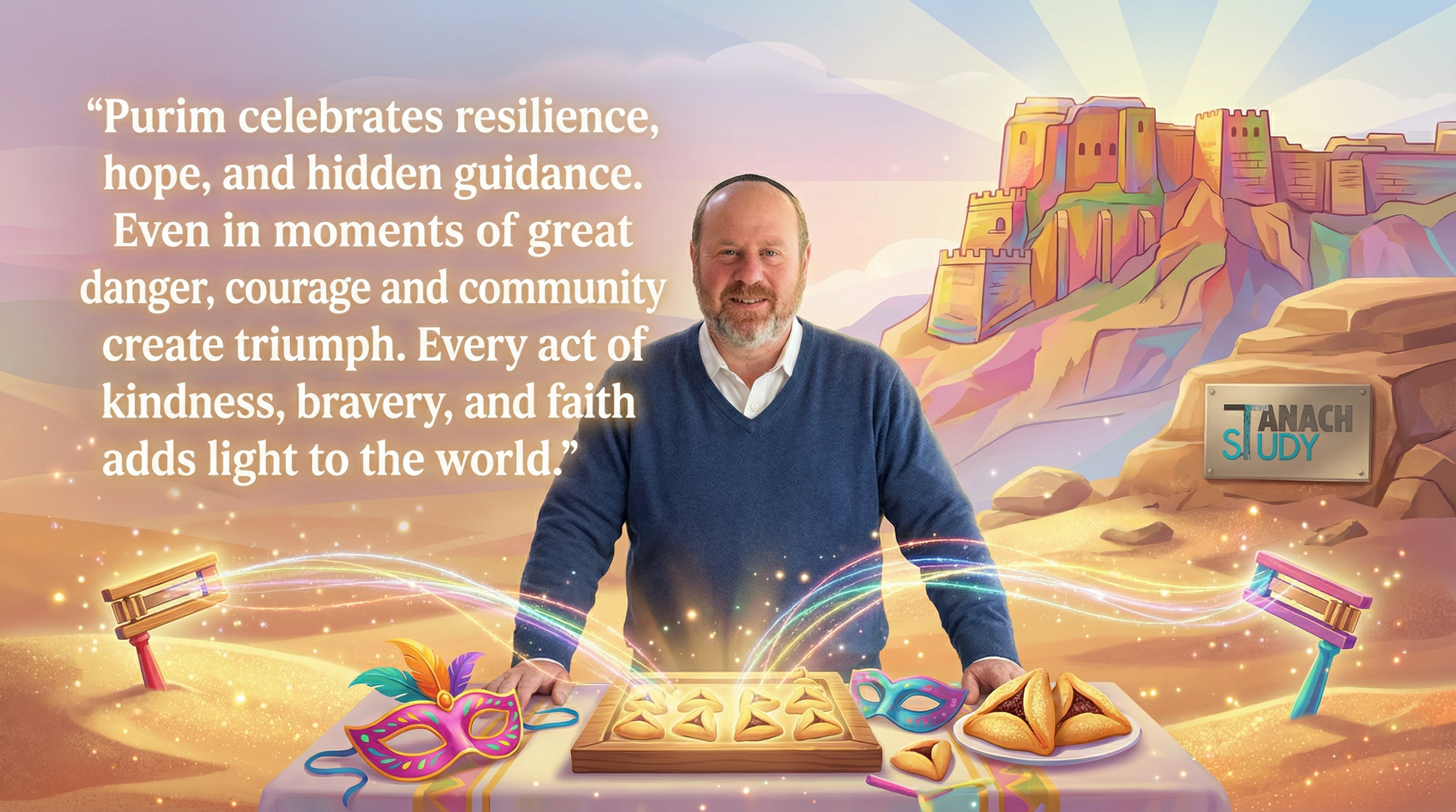
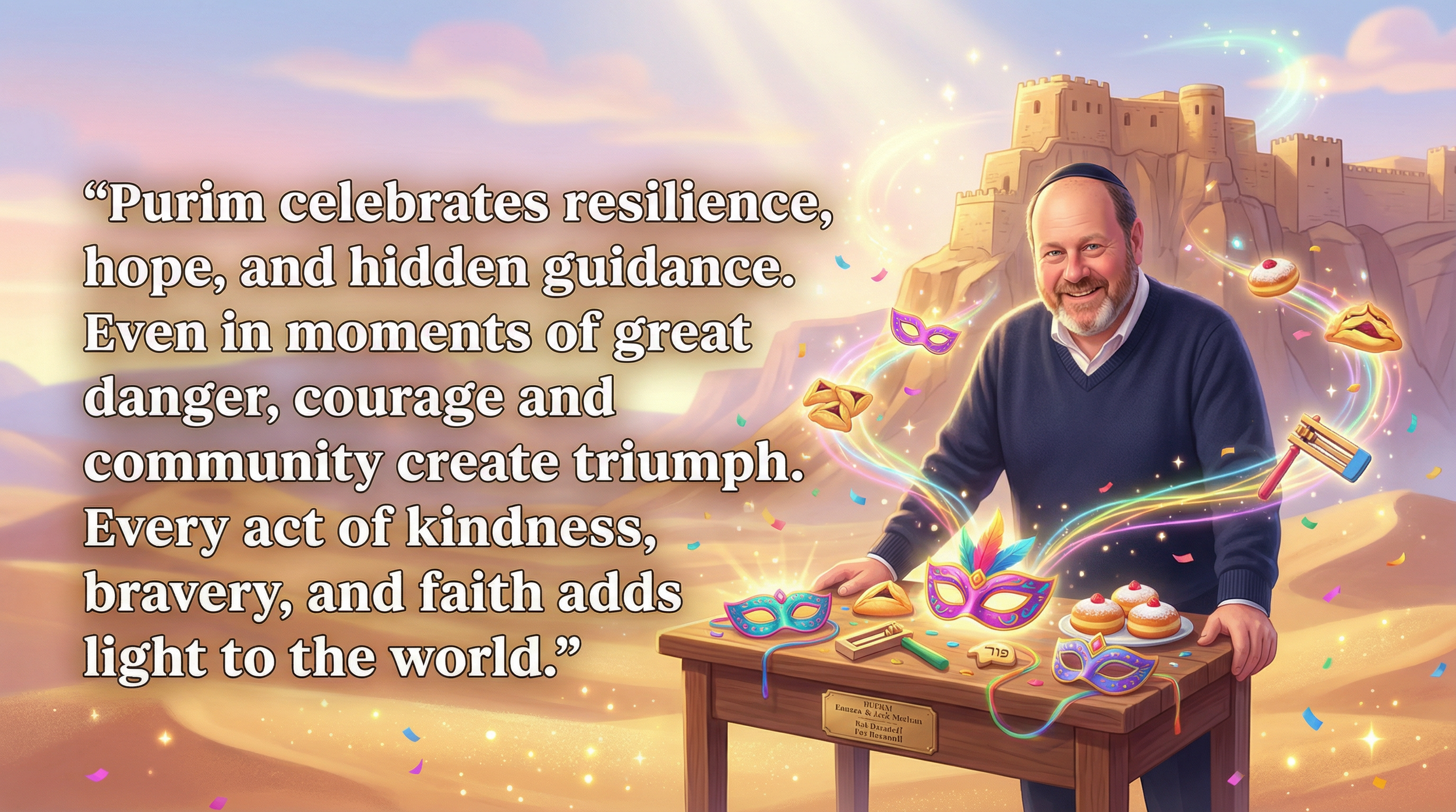
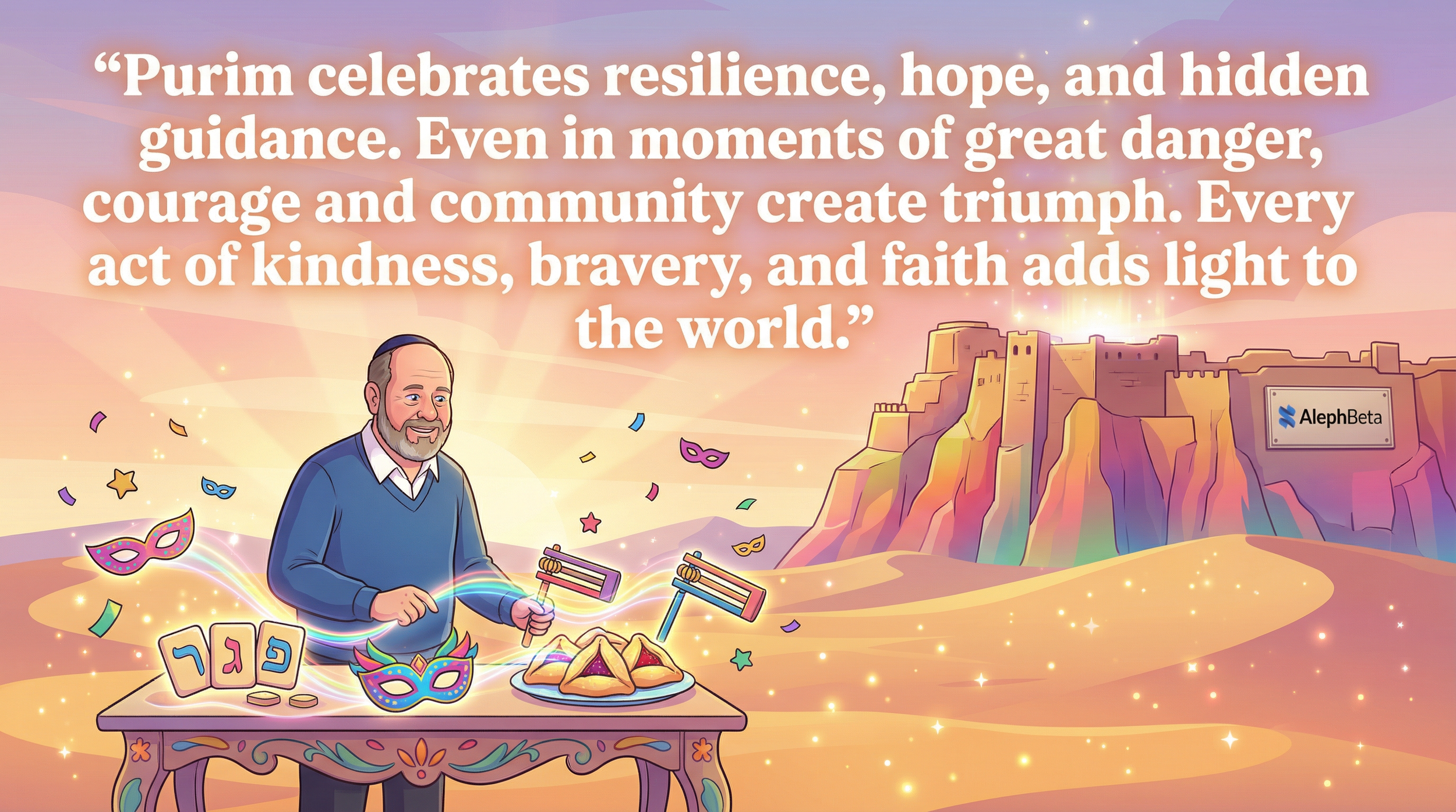
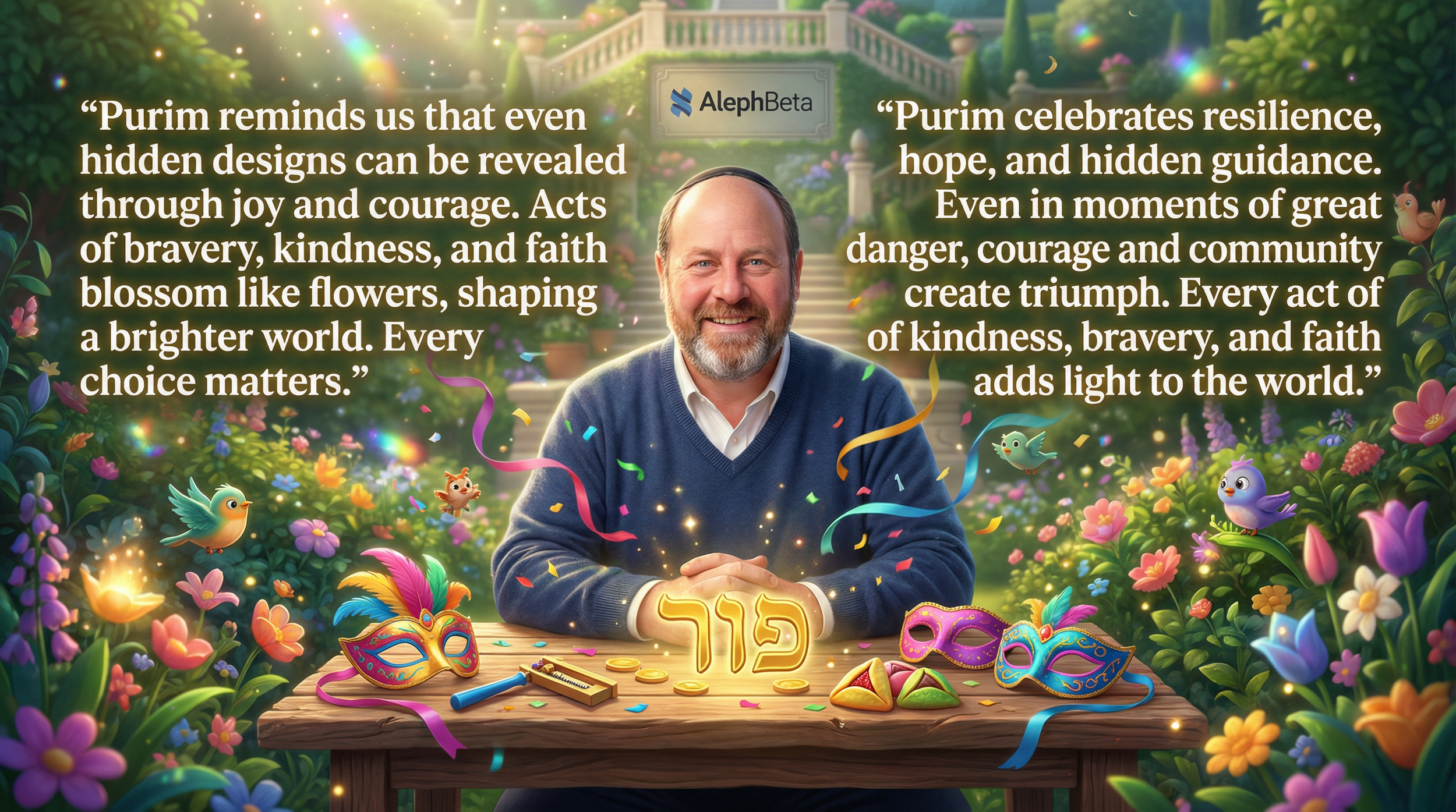
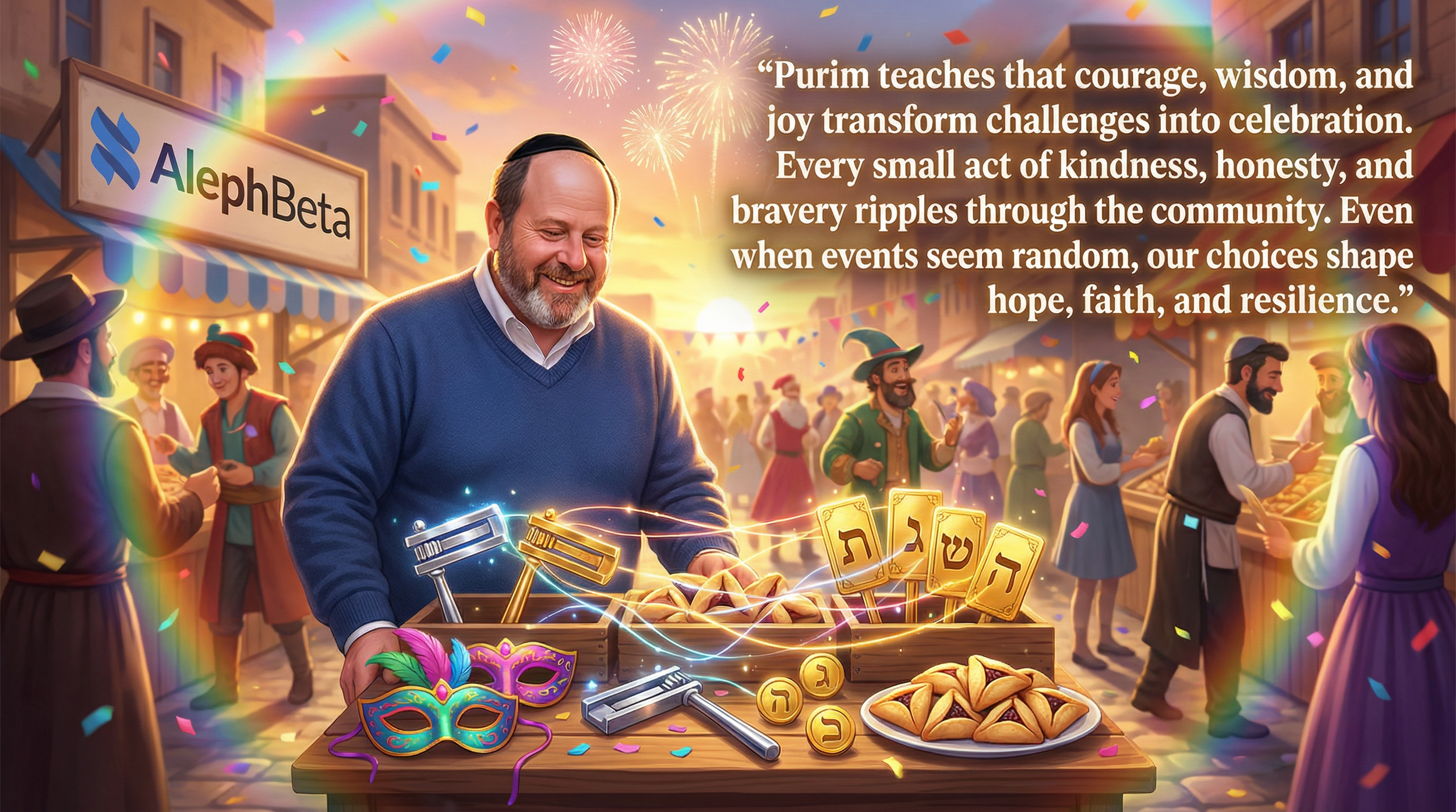
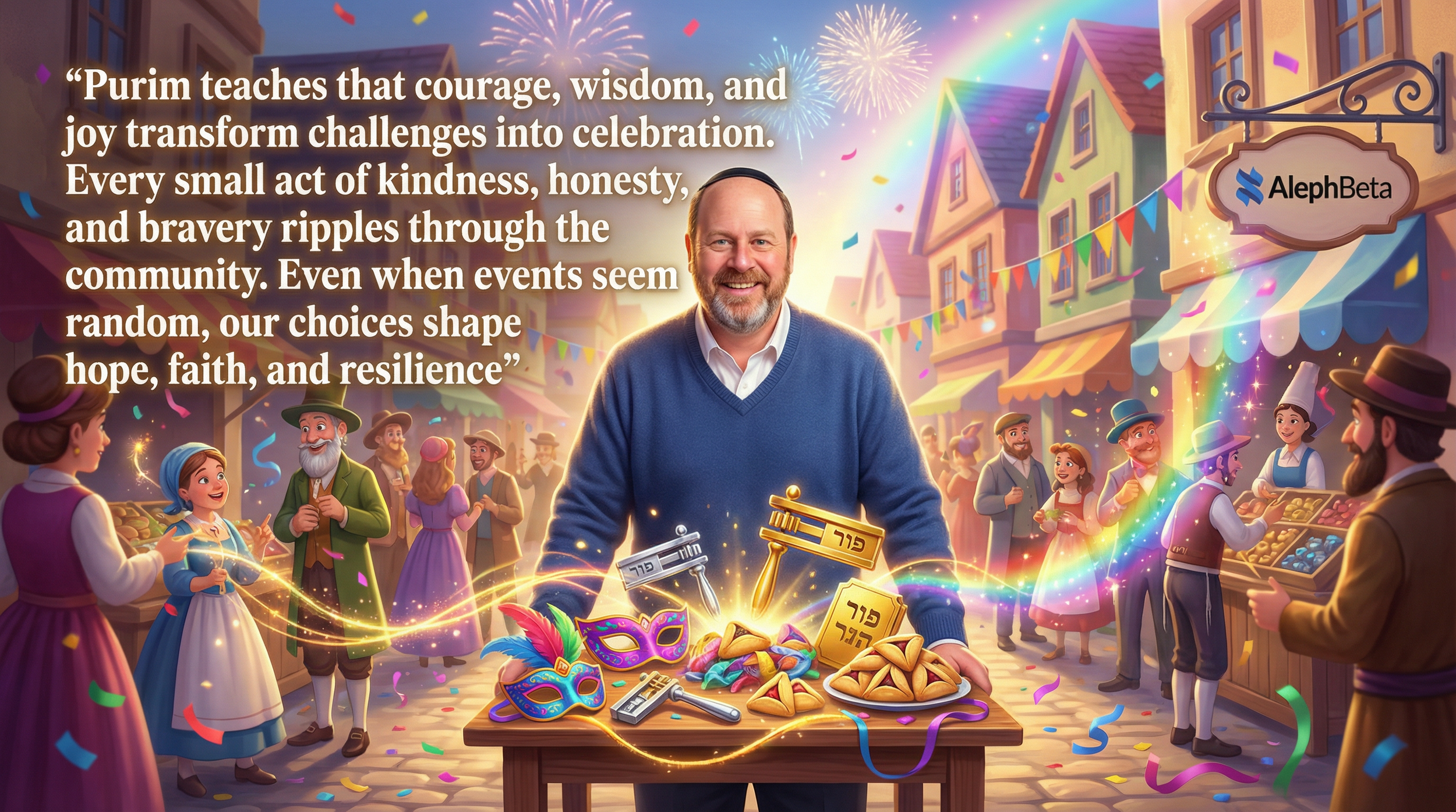
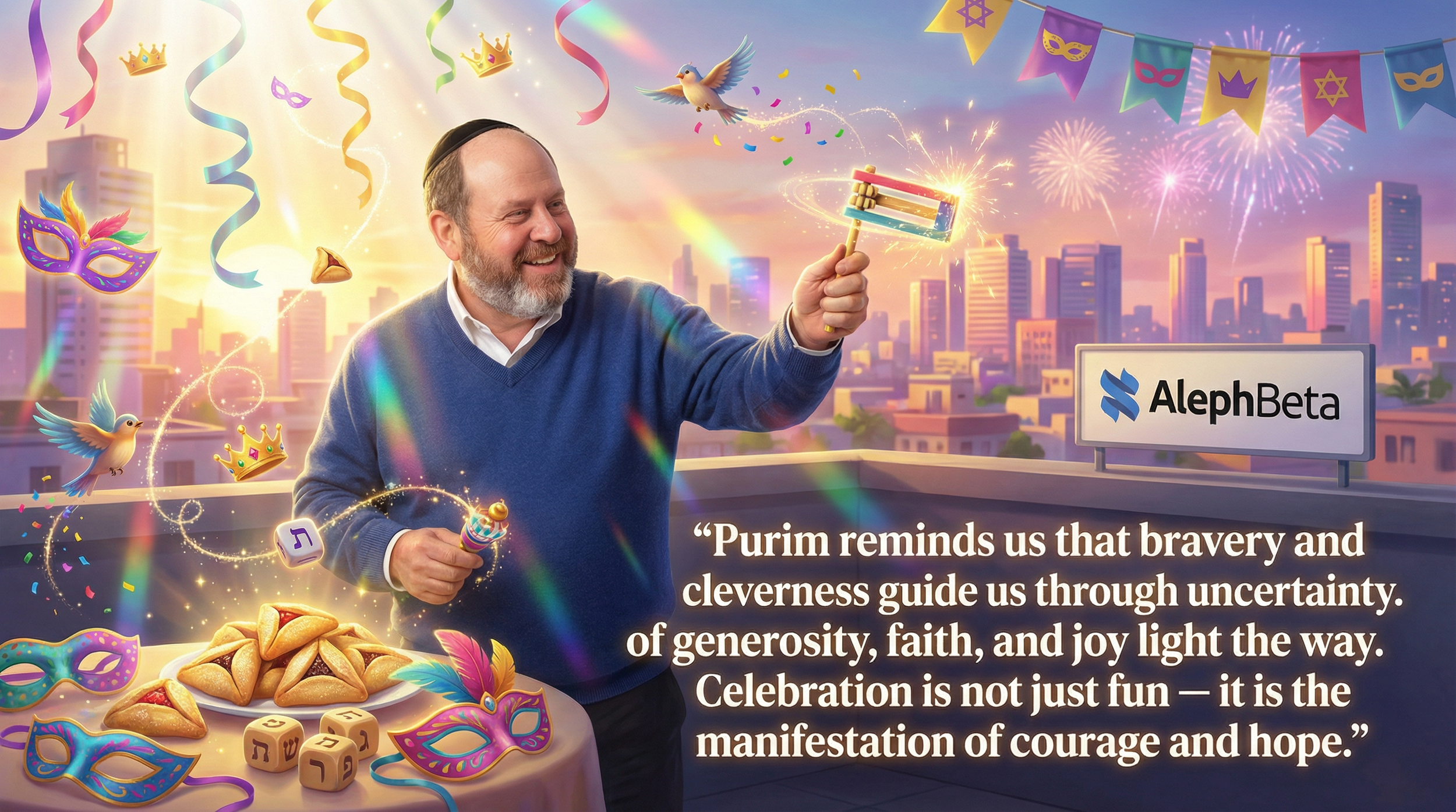
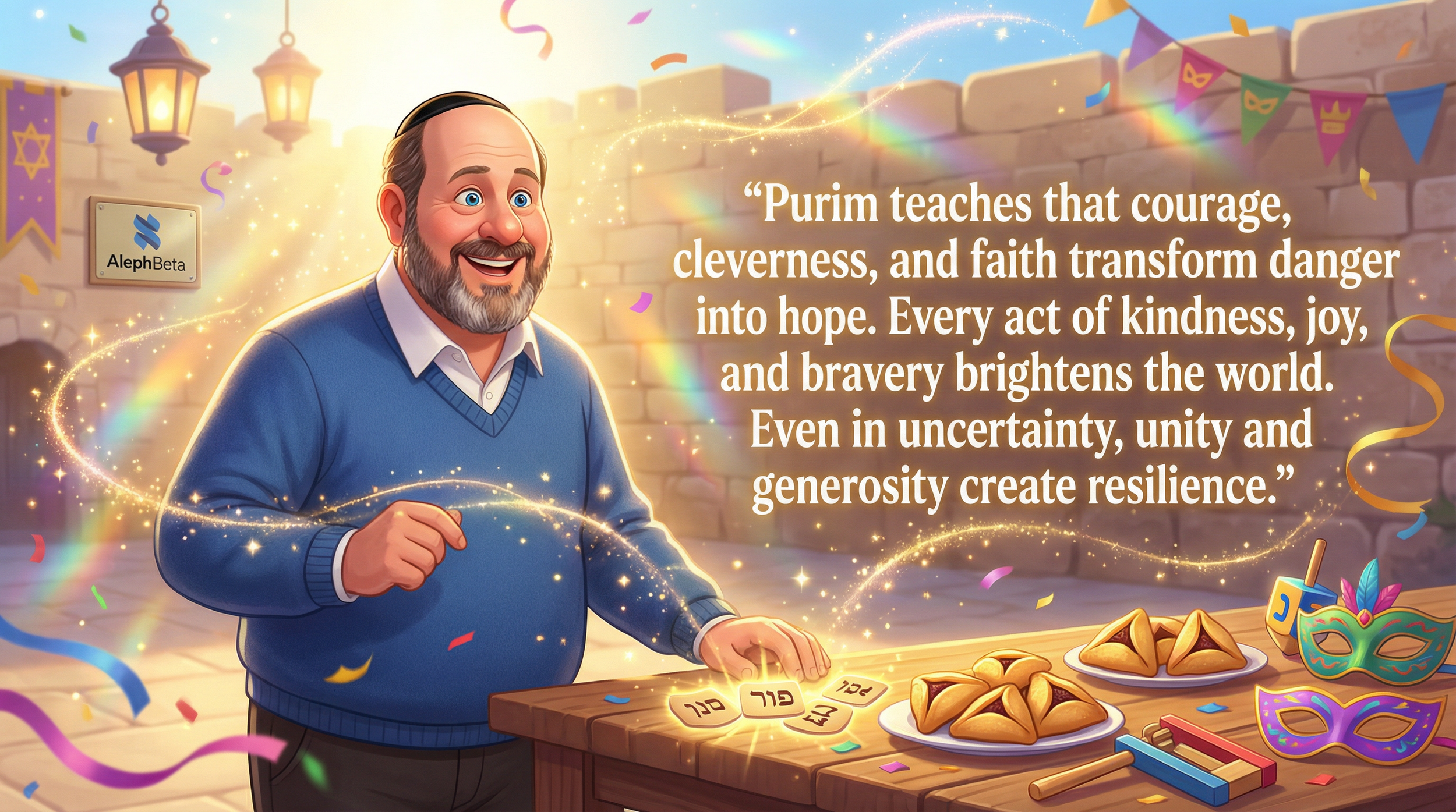
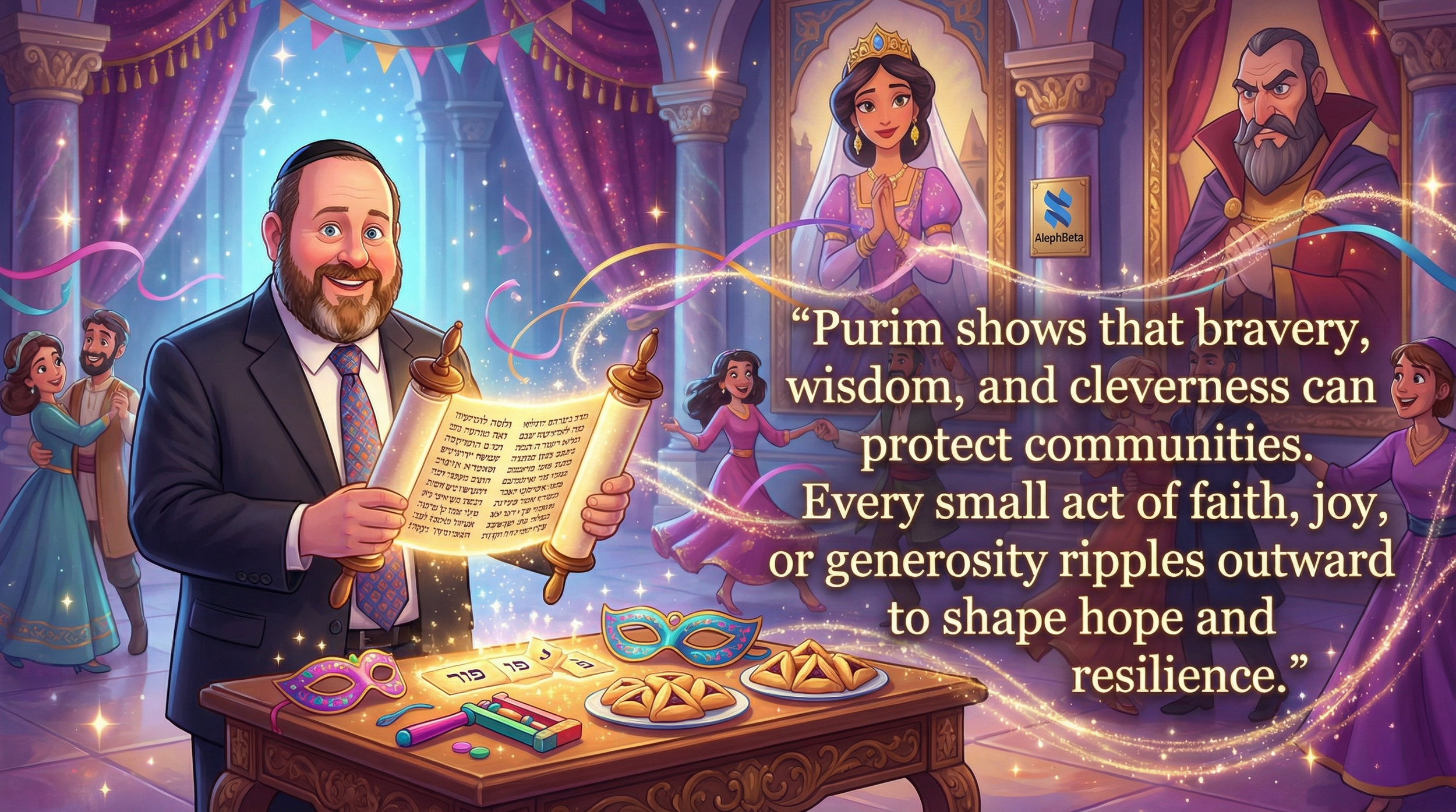
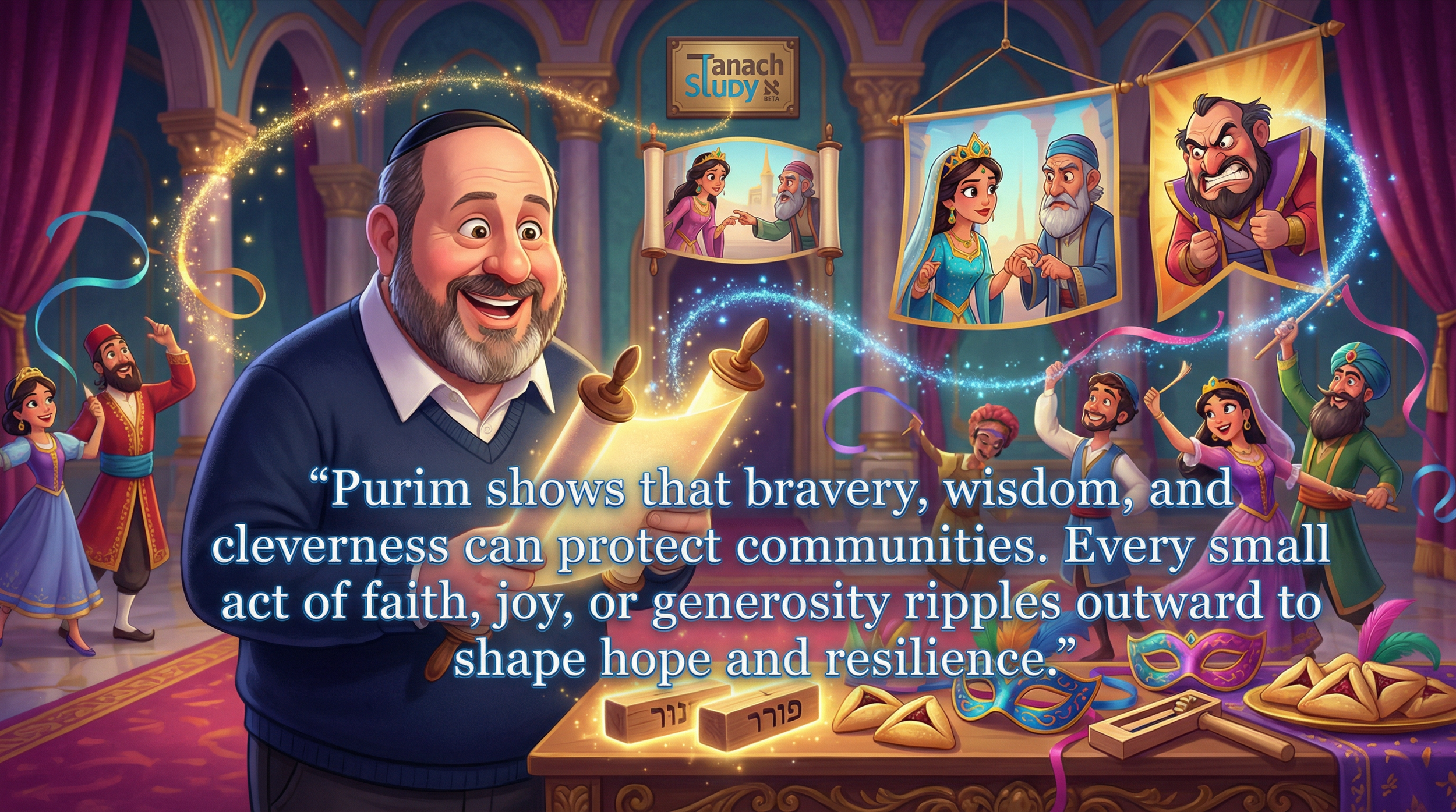
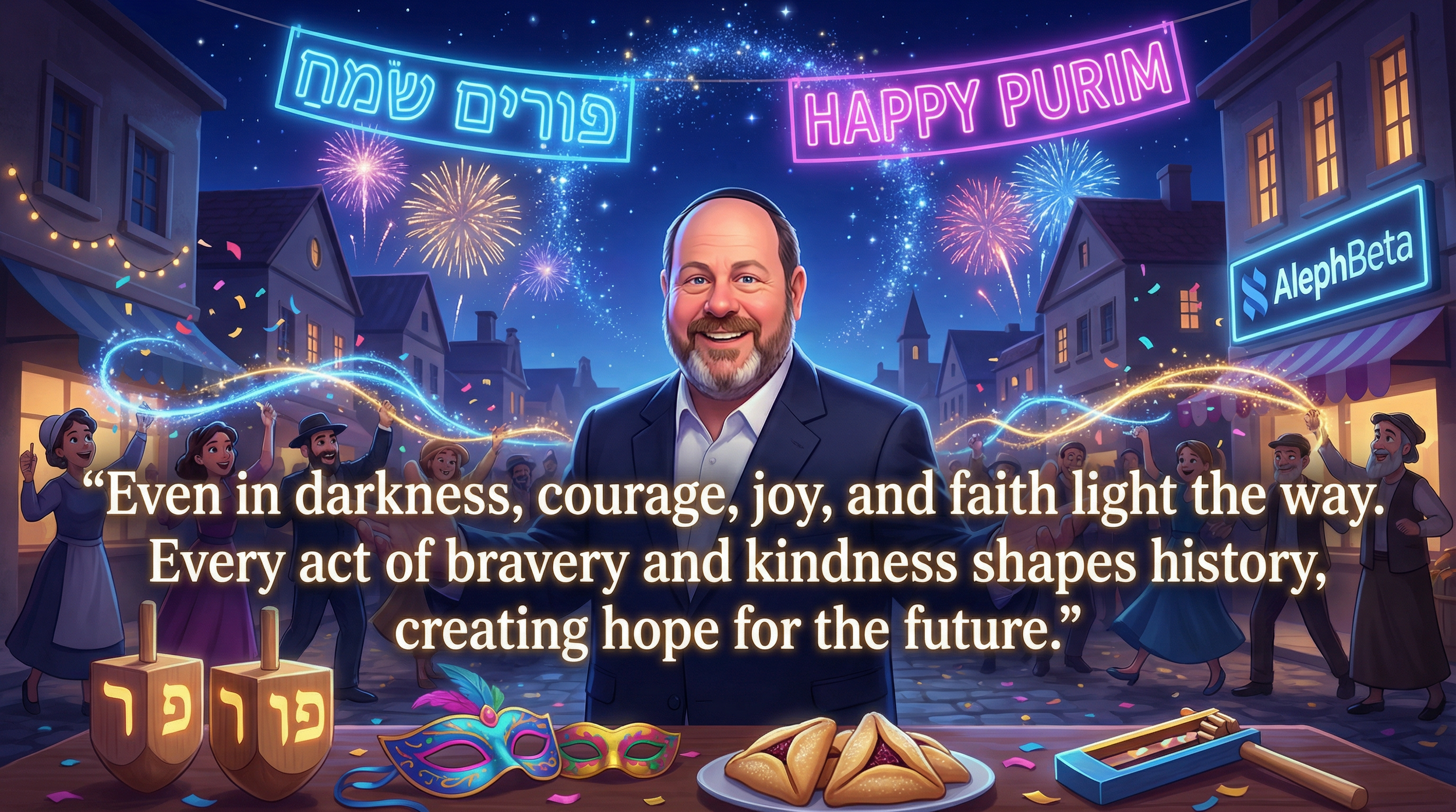
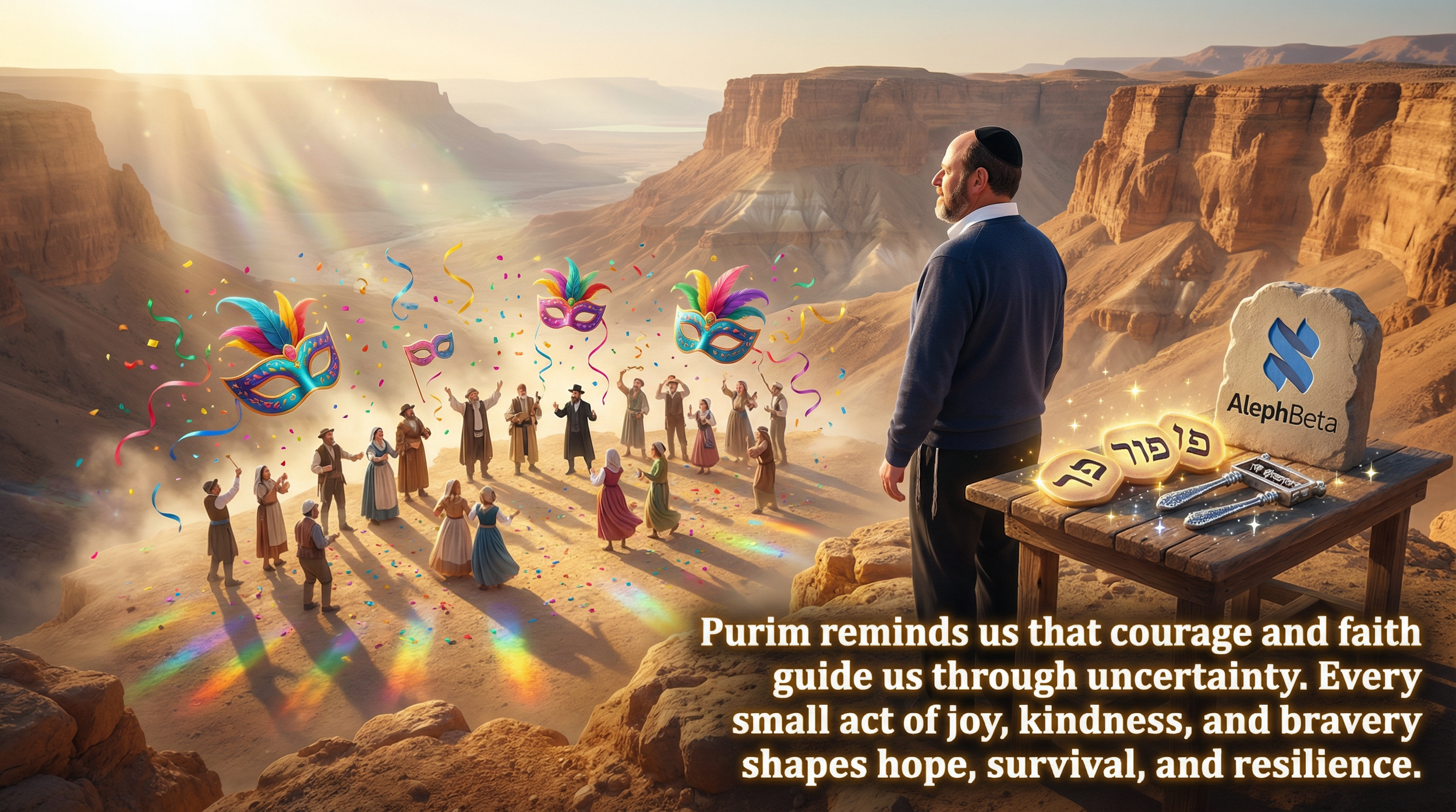
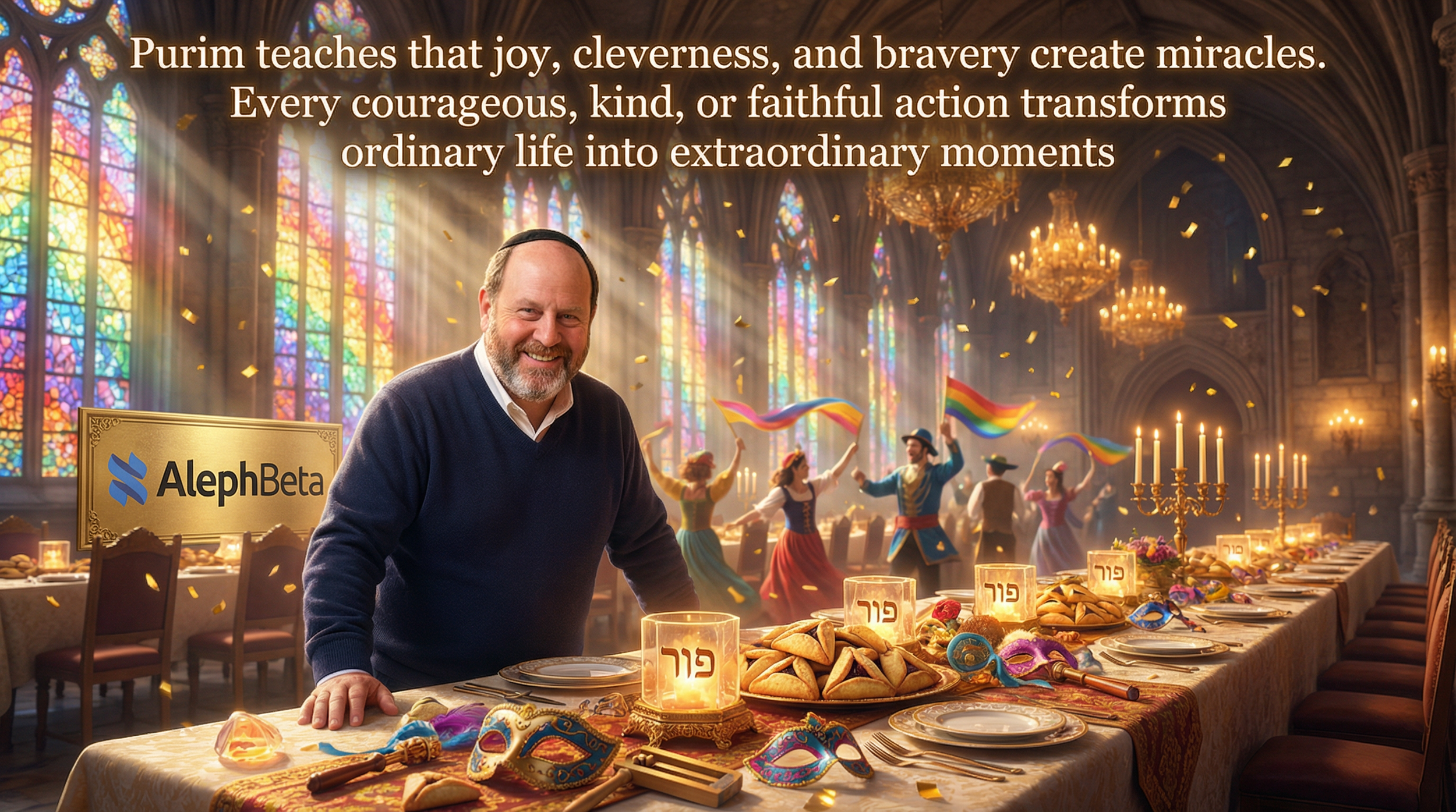
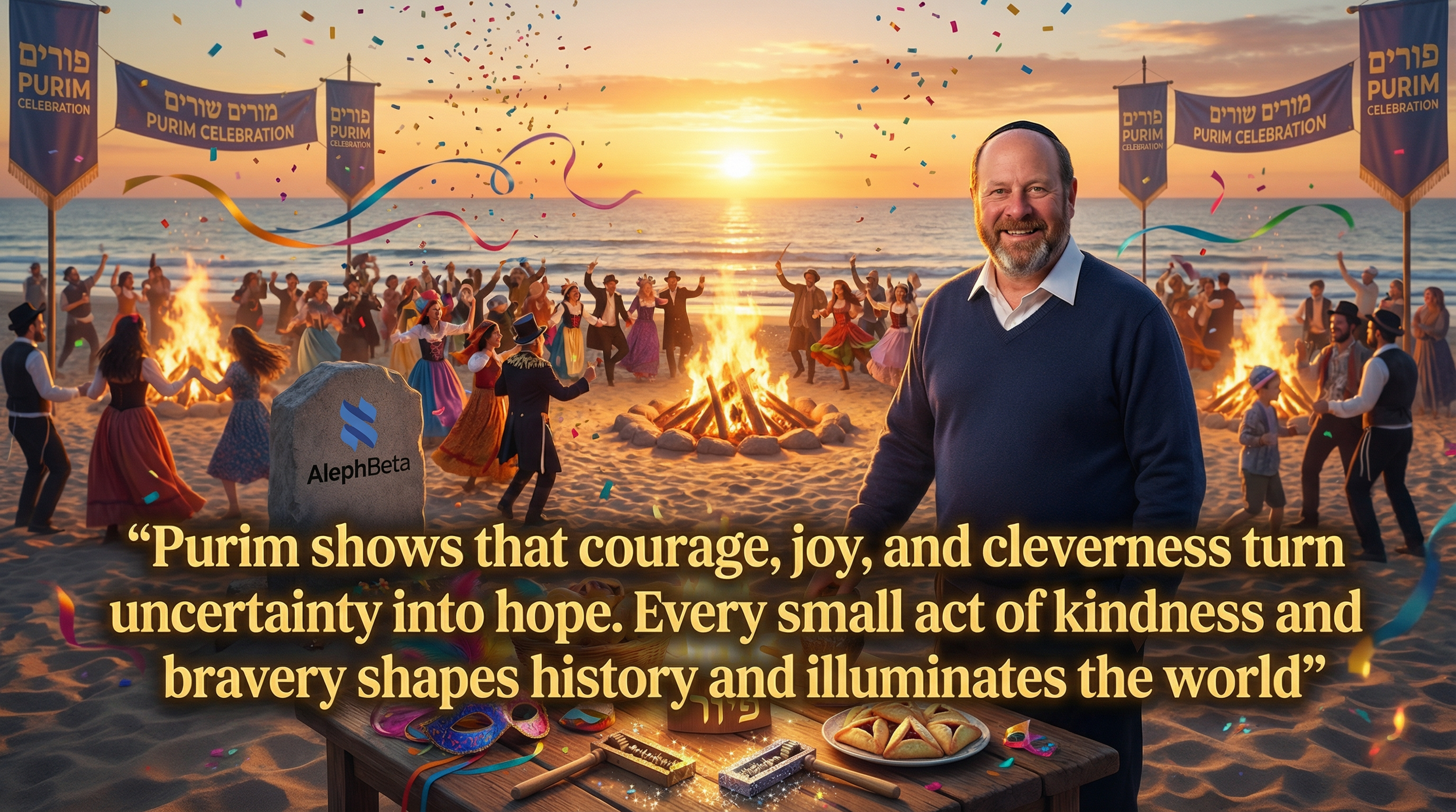
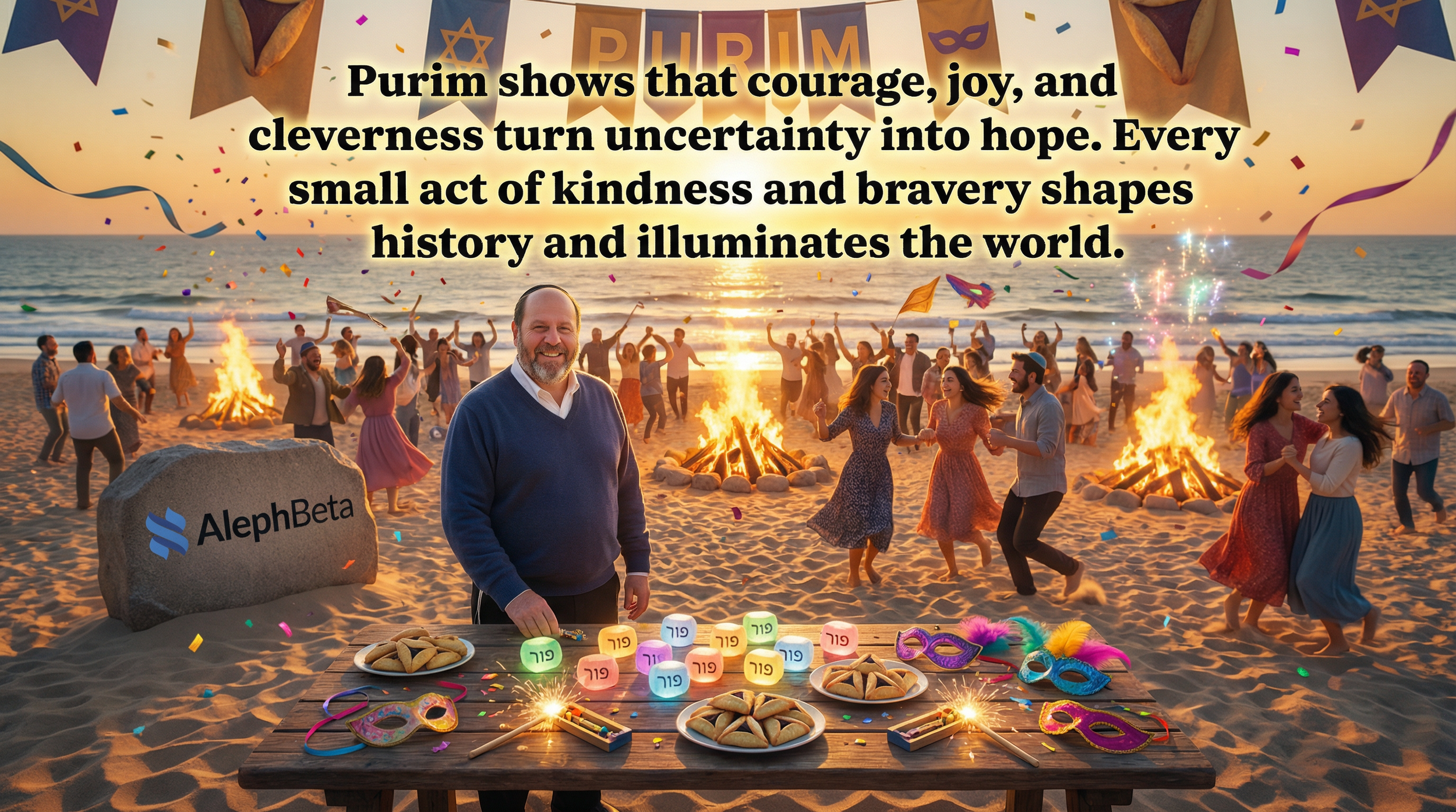
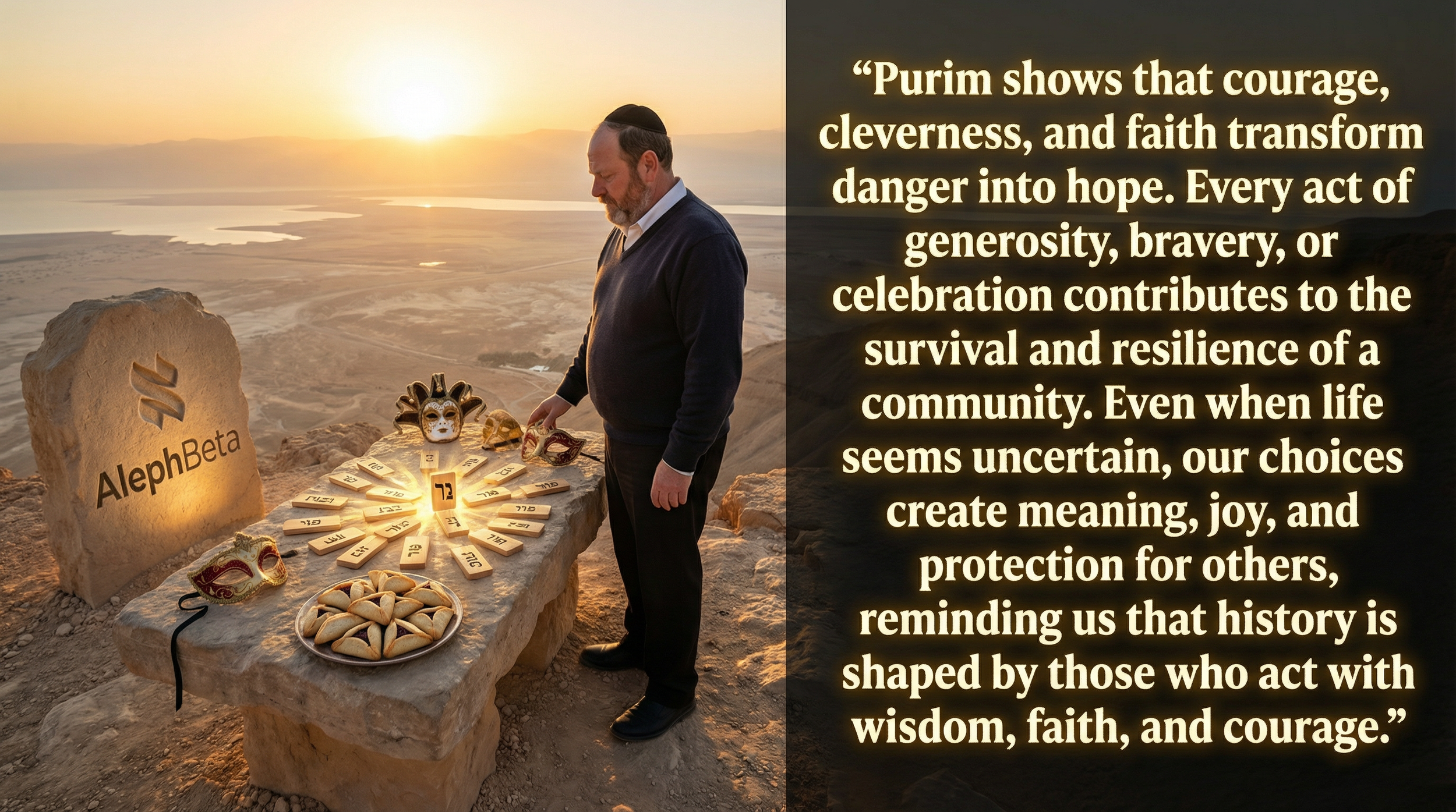
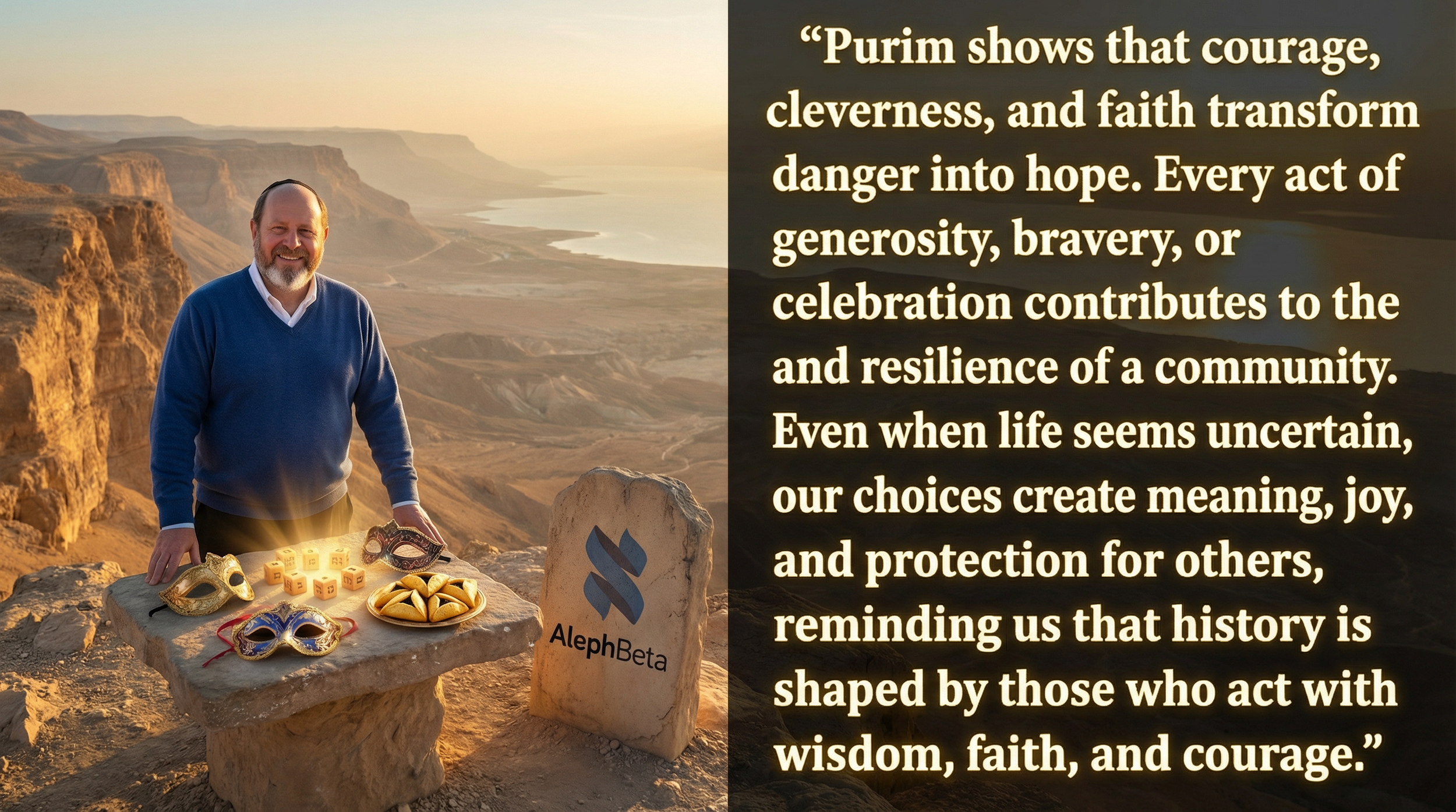
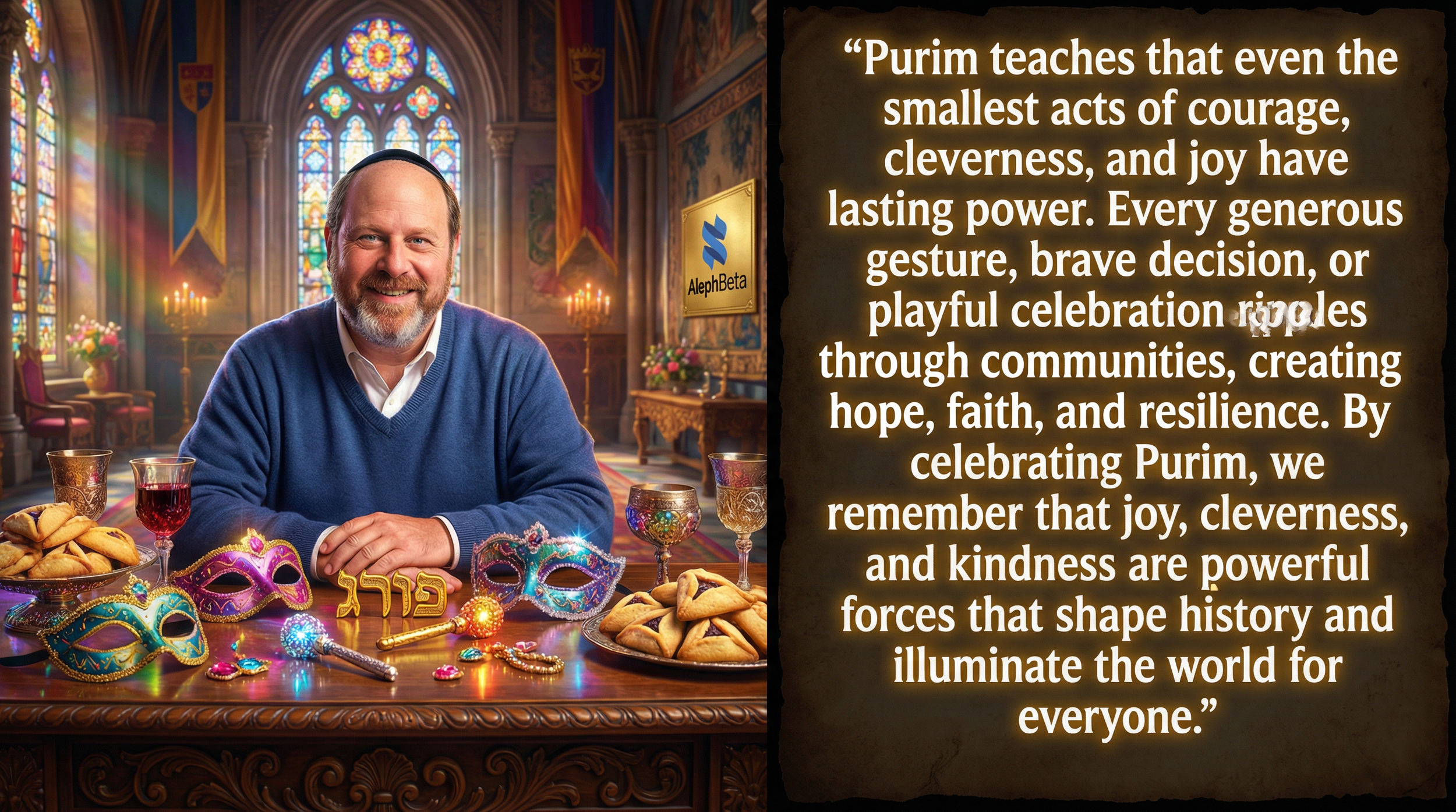
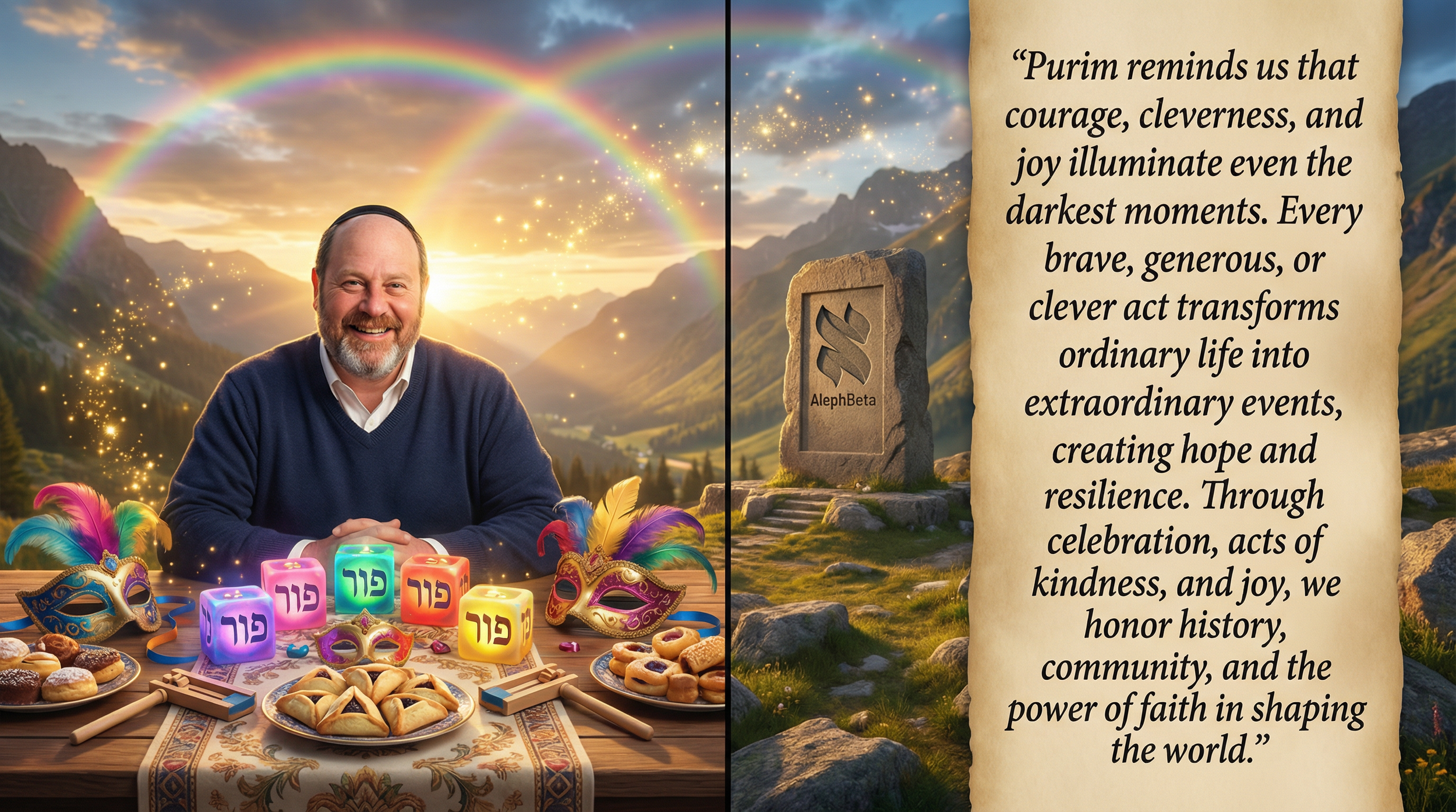
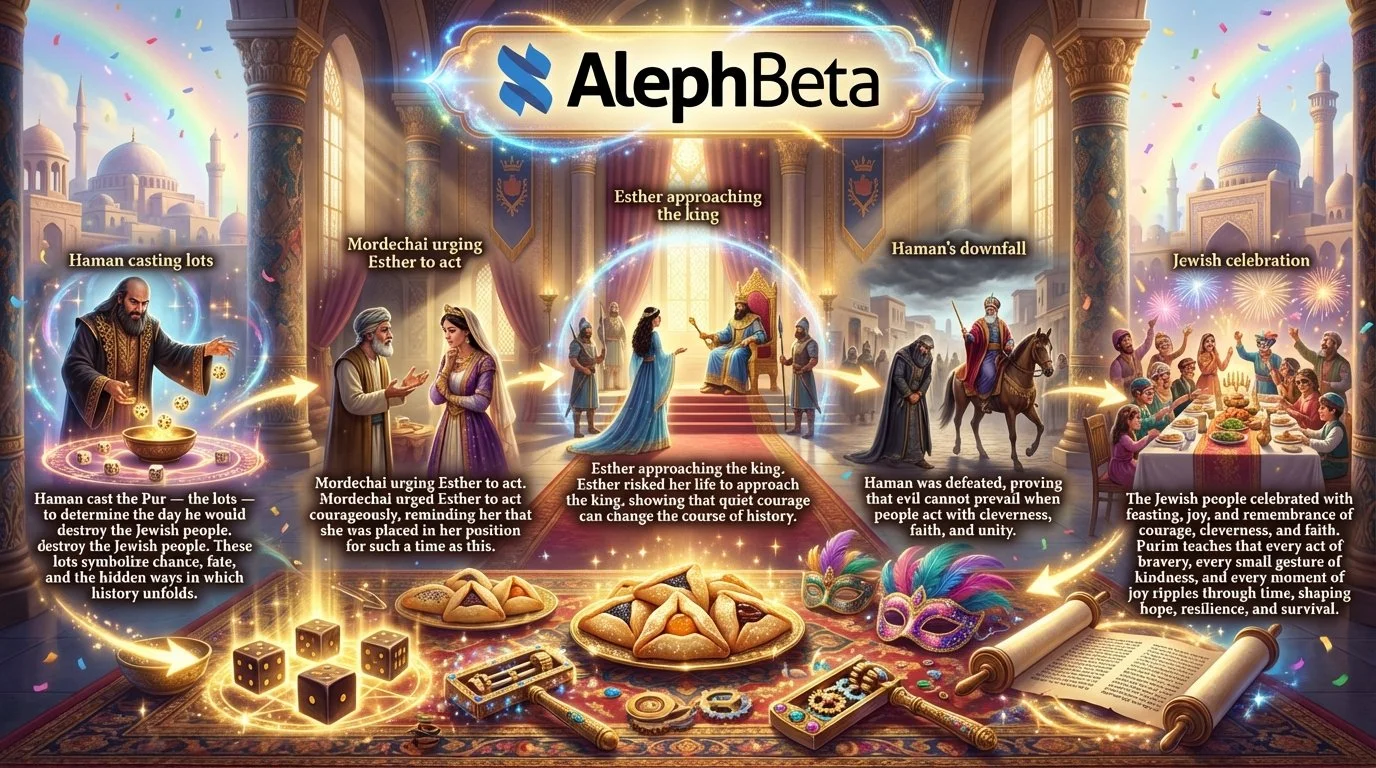
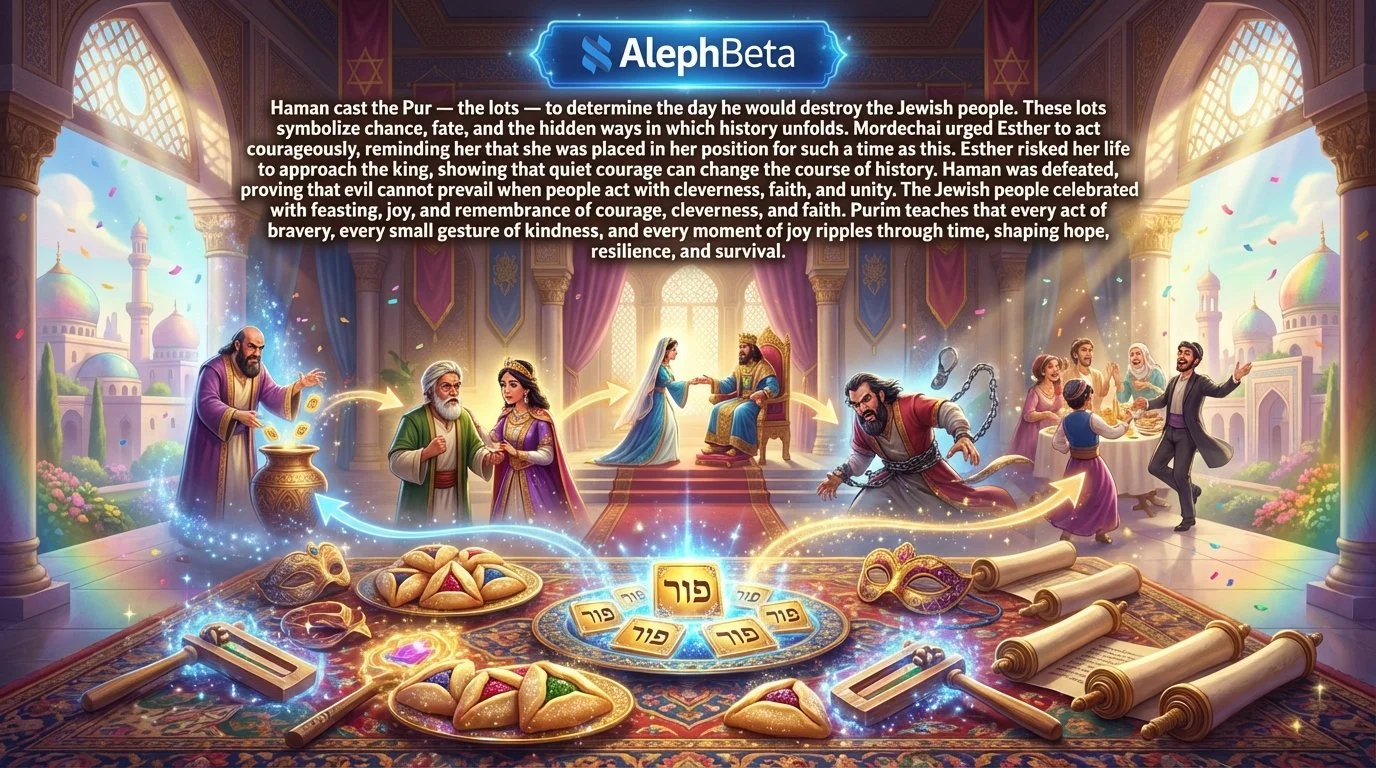
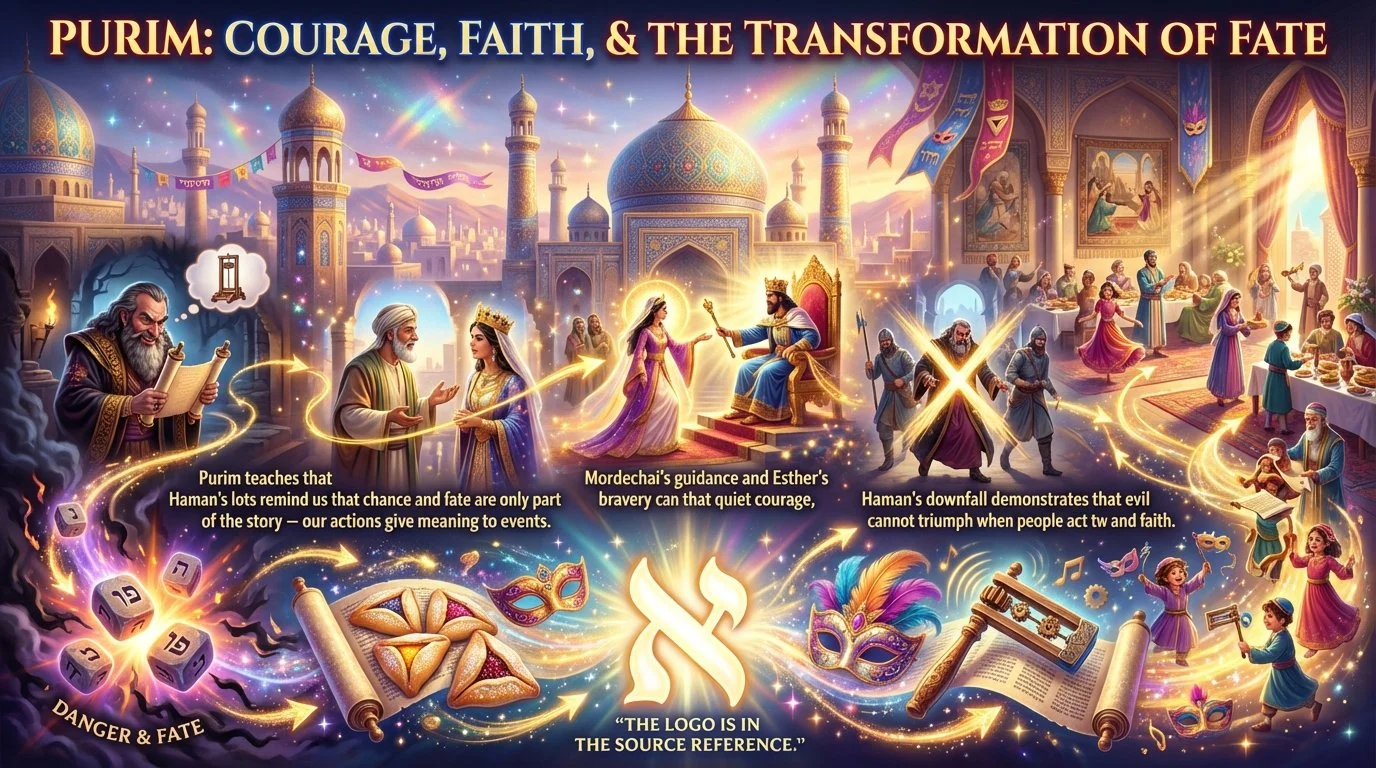
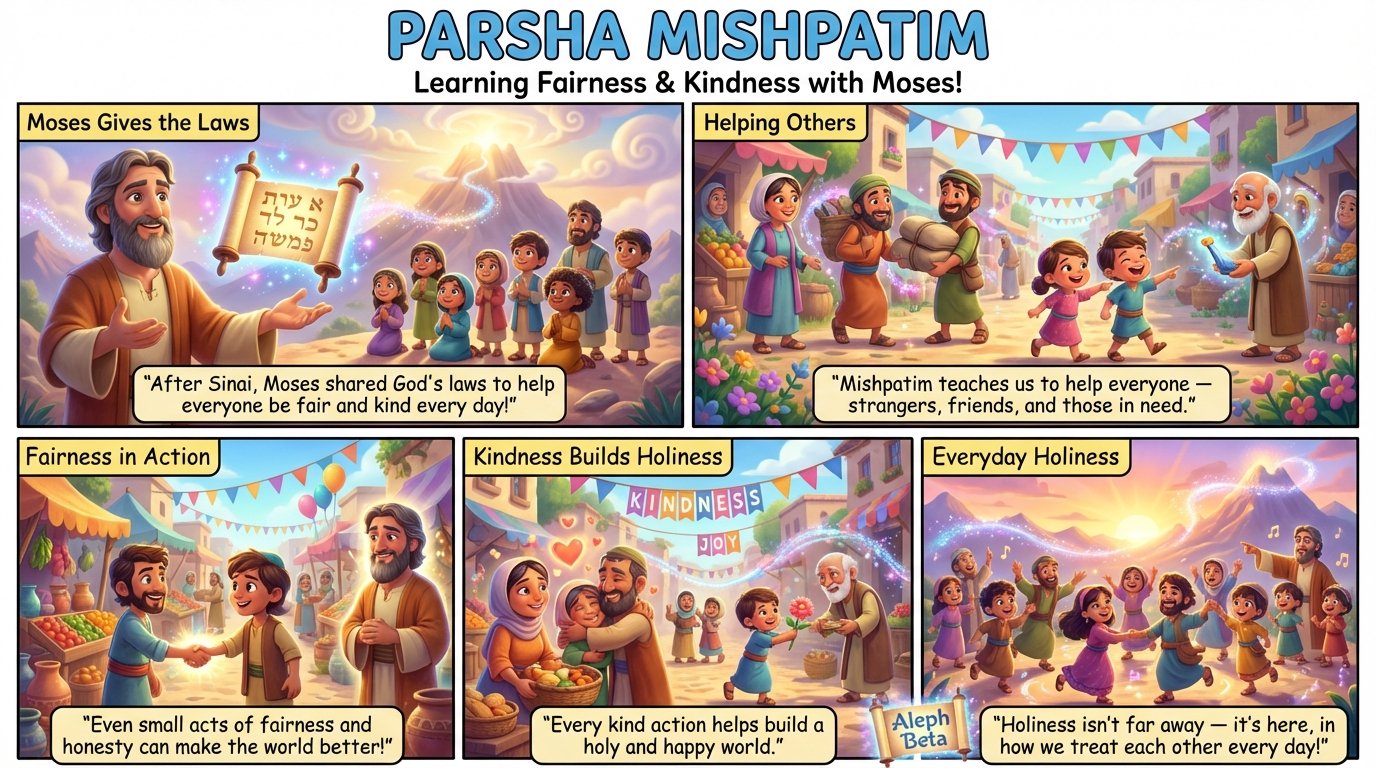
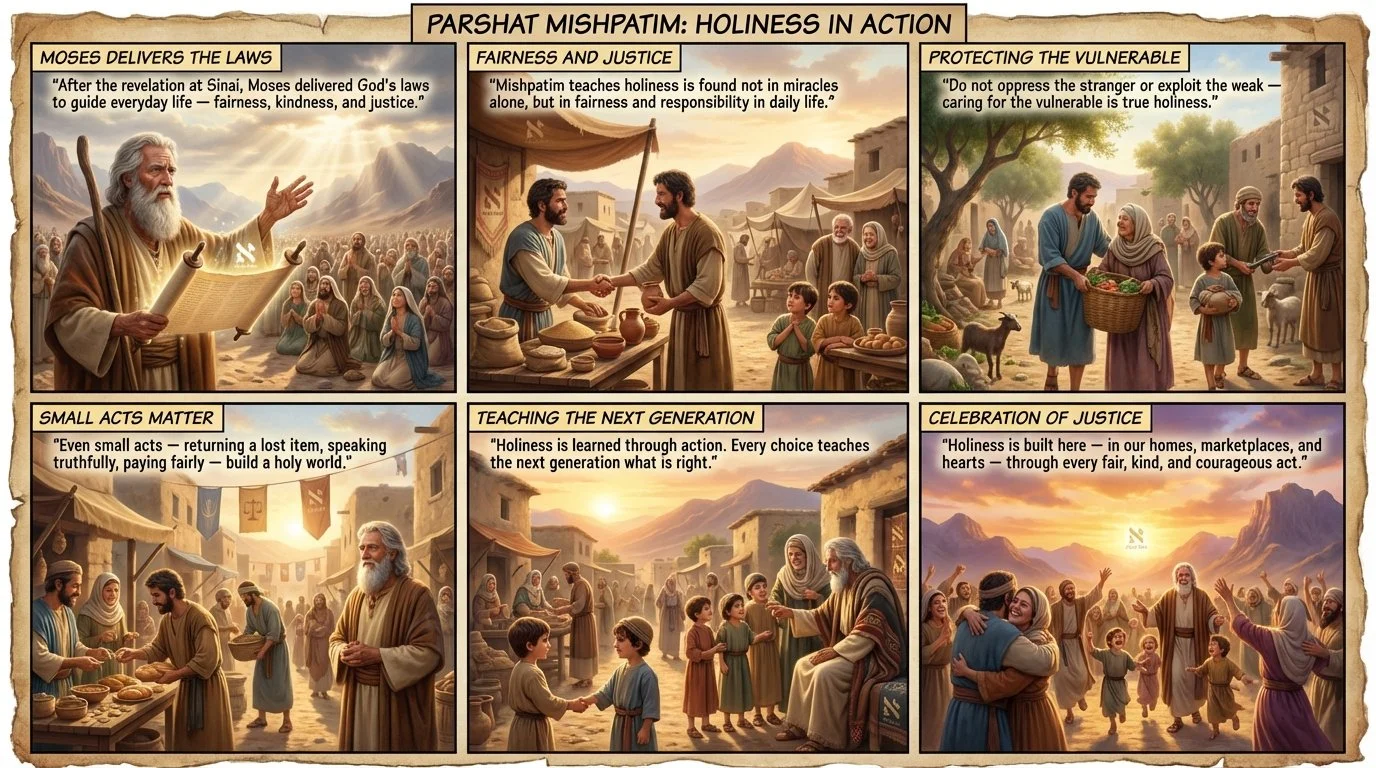
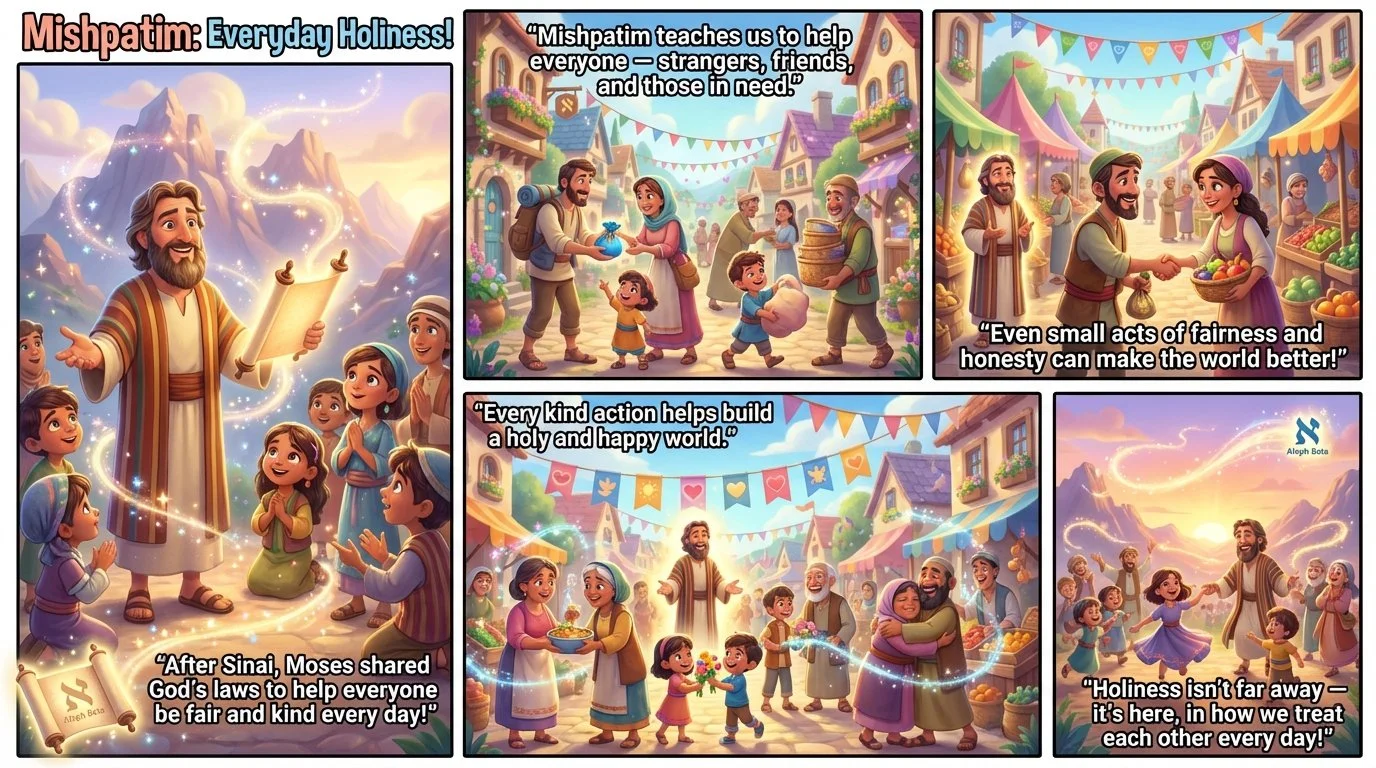
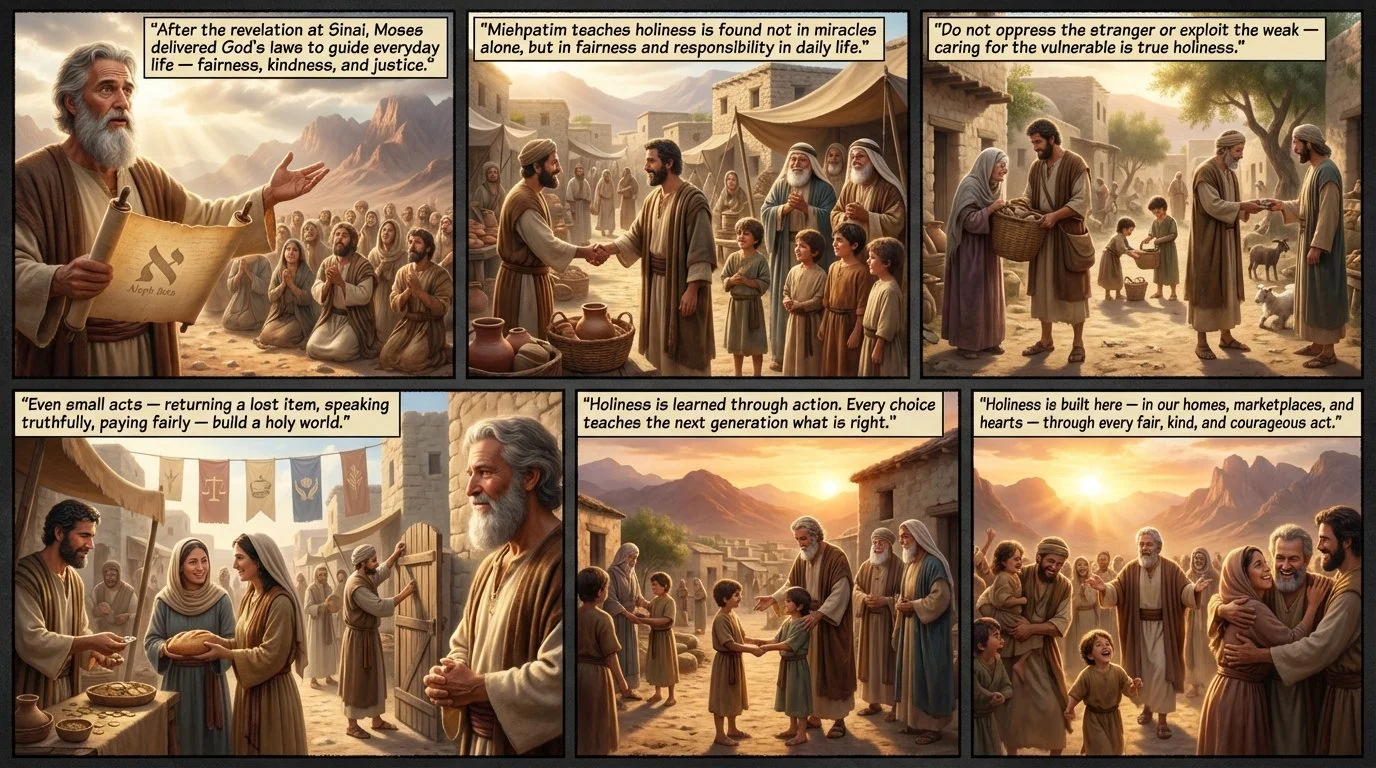
Please see images below, various ones some are comic book, some are lessons, some are characters based but using AI anything is possible with images.